
Affiliate Disclosure
Plumber Guide Guys is a participant in the Amazon Services LLC Associates Program, an affiliate advertising program designed to provide a means for sites to earn advertising fees by advertising and linking to Amazon.
Are Flushable Wipes Bad for Plumbing? Ever thought about the safety of “flushable” wipes for your plumbing? These products might seem harmless, but they could be damaging your pipes and the city’s systems.
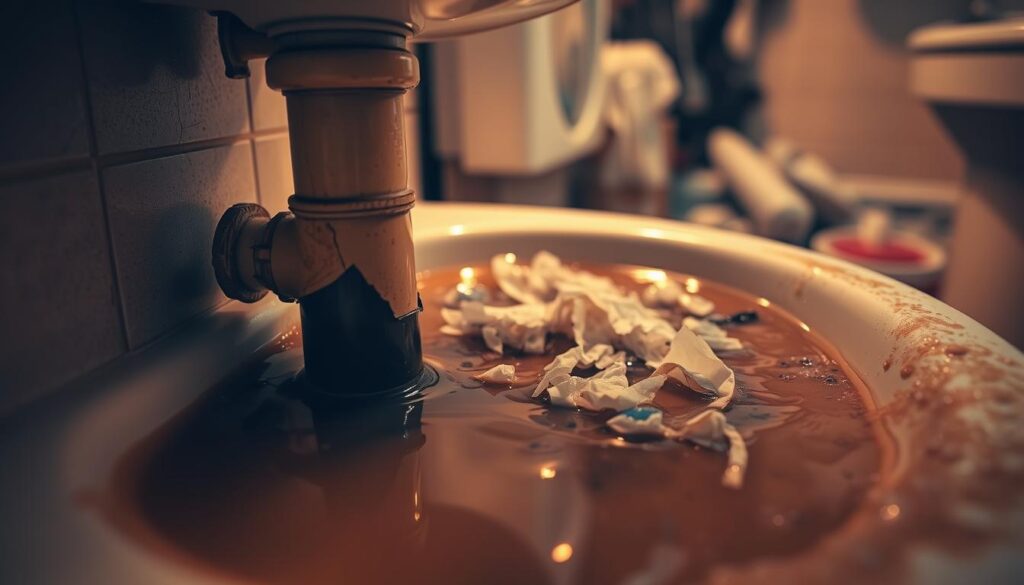
The City of Ottawa spends over $2 million a year on sewer blockages. Flushable wipes are a big part of this problem. This fact highlights the serious issue of plumbing damage from wipes.
So, are flushable wipes bad for plumbing? Yes, they are. These products are causing big problems for homes and cities across the U.S.
Key Takeaways
- Flushable wipes can cause significant plumbing damage
- Municipal systems spend millions addressing wipe-related blockages
- Marketing claims about “flushability” are often misleading
- Potential repair costs can be substantial for homeowners
- Alternative disposal methods are key to protecting plumbing
Understanding Flushable Wipes and Their Composition
When we compare toilet paper to flushable wipes, many don’t see the big differences. Flushable wipes might seem easy to use, but they’re not as safe as regular toilet paper.
Flushable wipes are made from a mix of materials that make them stronger than toilet paper. They usually have:
- Polyester fibers
- Polypropylene
- Wood pulp
- Chemical binding agents
Materials Behind the Manufacturing Process
The makeup of flushable wipes is what worries people about plumbing. Unlike toilet paper, which dissolves fast, these wipes are made to stay strong. This makes them hard to break down.
Critical Differences from Toilet Paper
The main difference is how these materials react to water. Toilet paper dissolves quickly, but flushable wipes don’t. This can cause big problems for your plumbing.
Breaking Down Flushability Myths
Many think “flushable” means it’s okay for pipes. But, these wipes can really clog your pipes, leading to costly repairs. The best thing to do is to not flush them at all.
Remember: Just because a product says “flushable” doesn’t mean it’s safe for your plumbing system.
The Truth About “Flushable” Marketing Claims
Seeing “flushable” on a wipe package might make you think they’re safe for your pipes. But plumbers have a different story. They say the truth is much more complex than what manufacturers tell us.
Plumbers often talk about the big problems with these wipes. Experts say there are major issues with how these wipes are marketed:
- Most wipes don’t break down like toilet paper
- What manufacturers say and what really happens are often different
- There’s no clear standard for what makes a wipe “flushable”
Research by the Municipal Enforcement Sewer Use Group (MESUG) shows a big problem. Flushable wipes make up to 30% of all debris in wastewater plants, even though they’re less than 1% of what’s flushed. This shows a big gap between what’s promised and what really happens.
“These wipes are anything but flushable,” says Mark Reynolds, a veteran plumbing professional with 25 years of experience. “They’re creating massive infrastructure problems that cost cities millions in repairs.”
The marketing of flushable wipes is misleading. It makes people think these products are safe for their pipes. But in truth, they can harm both home pipes and city systems.
Are Flushable Wipes Bad for Plumbing?
Many people think flushable wipes are safe, but they’re not. These wipes can damage your plumbing and the sewer system. They cause expensive and complex problems.
Flushable wipes are not as safe as they seem. They pose big challenges for both home and city plumbing systems.
Impact on Residential Plumbing Systems
Your home’s plumbing is at risk from wipes. They don’t break down like regular toilet paper. This can damage pipes and lead to high repair costs.
- Wipes can build up in pipes, causing hard blockages
- They don’t break down fast, unlike toilet paper
- Fixing the damage can cost between $100 and $800
Effects on Municipal Sewer Systems
Flushable wipes are a big problem for city sewers. They cause huge issues for these systems.
| Sewer System Impact | Consequences |
|---|---|
| Blockage Formation | Creates massive “fatbergs” |
| Maintenance Costs | Millions spent annually on removal |
| Infrastructure Stress | Increased wear on municipal pipes |
Statistical Evidence of Damage
A study by Water UK shows the problem clearly. It found that 93% of sewer blockages are caused by wipes. This shows how big a challenge these products are.
Water UK Study: 93% of Sewer Blockages Caused by Wipes
Knowing about these risks helps you protect your plumbing. It also helps keep the city’s sewer system healthy.
How Flushable Wipes Impact Your Home’s Pipes
Your home’s plumbing system is more vulnerable than you might realize. Flushable wipes can cause big problems, not just a simple blockage. Unlike toilet paper, these wipes don’t break down fast. This means they can build up and harm your plumbing system a lot.
These wipes can stick together, making big blockages. A single wipe might seem small, but many together form huge, sticky clumps. These clumps can stop water from flowing.
“Flushable wipes are a plumber’s worst nightmare” – Professional Plumbing Expert
- Wipes can create persistent pipe blockages
- They increase risk of sewage backups
- Potential for expensive pipe repairs
- Risk of long-term infrastructure damage
The problems caused by these blockages can be huge. Your pipes might get too much pressure, leading to cracks or even breaks. Professional plumbers say using these wipes a lot can damage your plumbing. This could cost you thousands of dollars in repairs.
To protect your home’s plumbing, you need to know the risks. Avoiding these “flushable” wipes can save you a lot of money. It can also prevent big plumbing problems.
The Real Cost of Using Flushable Wipes
Flushable wipes might seem convenient, but they have hidden costs. These costs affect your wallet and the planet. The real cost of these products goes beyond their initial price.
Immediate Plumbing Repair Expenses
Wet wipes can quickly cause expensive plumbing problems. Homeowners often face unexpected repair costs. These can range from $100 to $800 for simple clogs.
More serious blockages might need extensive plumbing work. This can cost thousands of dollars.
- Average diagnostic plumbing service: $75-$250
- Basic pipe clearing: $100-$400
- Extensive pipe replacement: $1,000-$4,000
Long-term Infrastructure Damage
The impact of wet wipes goes beyond individual homes. Municipal sewer systems face huge strain from these products. Cities spend millions each year to fix damage caused by wipes.
| Infrastructure Cost Category | Annual Expenditure |
|---|---|
| Sewer System Maintenance | $3-$5 Million |
| Emergency Pipe Repairs | $1-$2 Million |
| Treatment Plant Upgrades | $500,000-$1.5 Million |
Environmental Impact Costs
Wet wipes also have a big environmental impact. They pollute water, harm marine life, and require a lot of resources for disposal. Each improperly disposed wipe represents a big environmental threat.
- Microplastic pollution in waterways
- Increased carbon footprint from waste processing
- Negative impact on aquatic wildlife
Signs Your Plumbing is Affected by Flushable Wipes
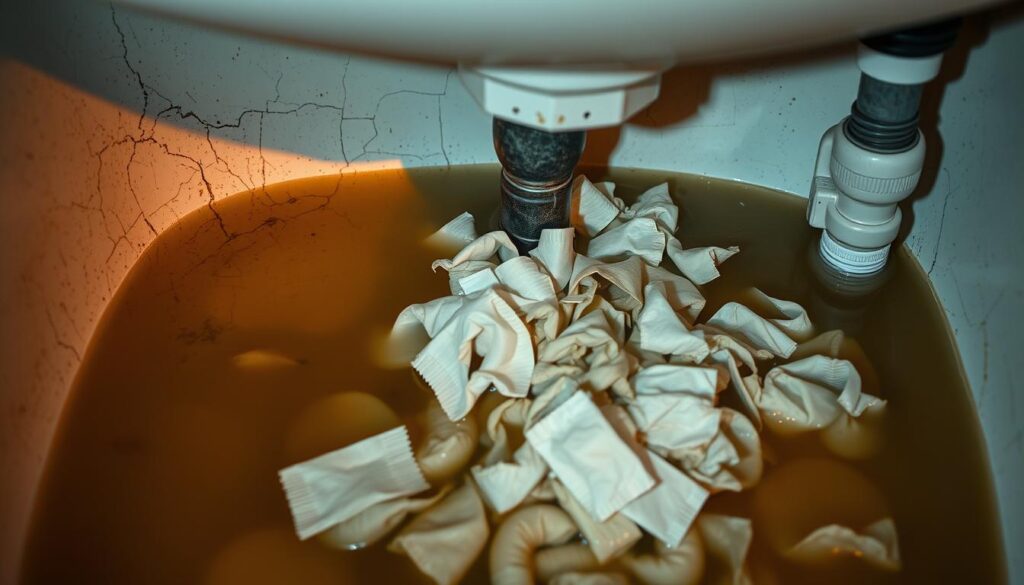
Flushable wipes can harm your plumbing system. They leave subtle but serious signs. Spotting these early can prevent expensive fixes and pipe damage.
Your plumbing might be trying to tell you something is off. Look out for these key warning signs:
- Slow draining sinks and toilets
- Unusual gurgling sounds from pipes
- Recurring toilet clogs
- Unexplained sewage backup
- Foul odors near drain areas
These signs mean flushable wipes are building up in your pipes. They don’t break down like toilet paper and can cause big plumbing problems.
“Flushable wipes are not truly flushable – they’re a ticking time bomb for your plumbing system.” – Professional Plumbers Association
Knowing these signs lets you act fast to protect your plumbing. If problems keep happening, it might be time to call a pro.
| Warning Sign | Potential Damage Level |
|---|---|
| Slow Drainage | Moderate |
| Repeated Clogs | High |
| Sewage Backup | Critical |
Don’t ignore these signs – addressing flushable wipes clogged pipes early can prevent costly repairs.
Impact on Septic Systems and Treatment Plants
Flushable wipes are causing big problems for septic systems and treatment plants in the U.S. They may seem safe, but they really harm your home’s waste management.
Your septic system works by breaking down waste with bacteria. Flushable wipes mess with this balance, leading to many issues:
- Slower waste decomposition
- Increased risk of blockages
- Potential system failure
Septic Tank Complications
Flushable wipes add layers of non-biodegradable material to your septic system. Unlike regular toilet paper, they don’t break down. This causes:
- Accumulation of non-digestible materials
- Reduced bacterial efficiency
- Potential costly repairs
Municipal Treatment Facility Challenges
Cities across the country are struggling with flushable wipes. Treatment plants spend a lot to handle these products.
The City of Ottawa has warned residents about the dangers of flushing wipes, showing how common this problem is.
Keep your septic system safe by not flushing wipes. Throw them away in the trash. Your plumbing will appreciate it.
Safe Alternatives to Flushable Wipes
Looking for good alternatives to flushable wipes can save your plumbing and help the environment. You don’t have to choose between a clean bathroom and protecting your home.
There are many practical options to keep you clean without harming your plumbing:
- Bidet attachments for toilets
- Reusable cloth wipes
- Biodegradable toilet paper
- Moistened toilet paper
Bidet attachments are a green way to clean yourself. They cut down on toilet paper use and make alternatives to flushable wipes unnecessary. They’re affordable and simple to add to your bathroom, making them a smart choice for the long run.
| Alternative | Cost | Environmental Impact | Plumbing Safety |
|---|---|---|---|
| Bidet Attachment | $30-$100 | Low waste | Excellent |
| Reusable Cloth Wipes | $20-$50 | Very low waste | Perfect |
| Biodegradable Toilet Paper | $5-$15 | Low waste | Good |
Reusable cloth wipes are another green choice. They’re safe for your plumbing and good for the planet when washed right.
Choosing alternatives to flushable wipes can save you money on plumbing repairs and help the environment.
How to Properly Dispose of Wipes
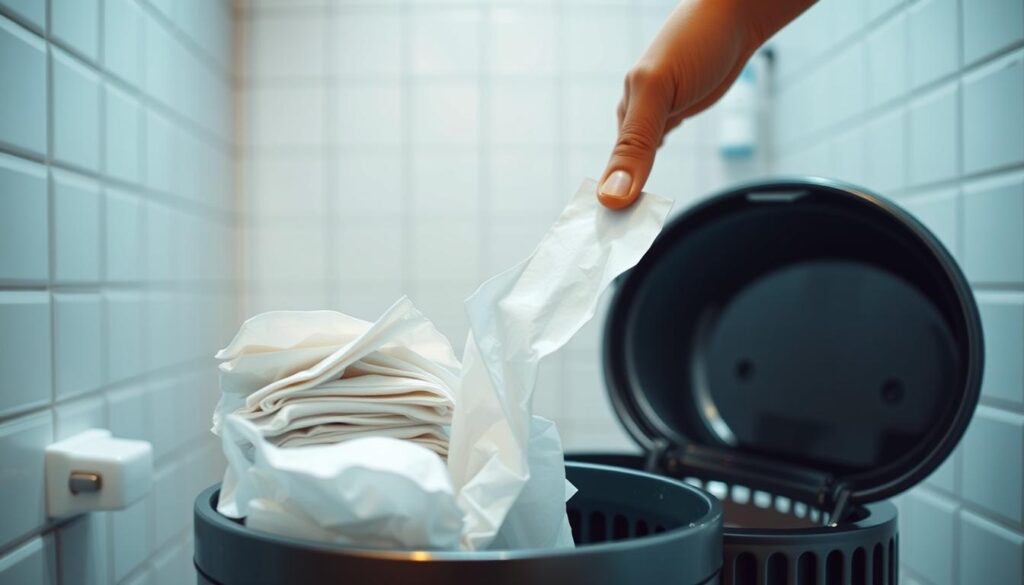
Getting rid of wet wipes needs careful thought to lessen their harm on the environment. Many think they can flush wipes like toilet paper. But, this can cause big problems for plumbing and the environment.
The best way to throw away wipes includes a few important steps:
- Never flush wipes down the toilet, no matter what the packaging says
- Put used wipes in a plastic bag before throwing them away
- Use special bins for disposable wipes
- Look for biodegradable options when you can
Experts say to treat wipes like other non-biodegradable trash. Each wipe can take years to break down. This adds to long-term environmental issues.
When getting rid of wet wipes, keep these tips in mind:
- Always check the packaging for how to dispose of it
- Keep wipes separate from things you can recycle
- Don’t put wipes in compost or green waste bins
- Teach your family how to dispose of wipes correctly
By following these steps, you can greatly lessen the harm caused by wet wipes. You’ll also help keep your plumbing system safe.
Emergency Solutions for Wipe-Related Clogs
Dealing with clogs from flushable wipes can be really frustrating. Plumbers often say these wipes cause big plumbing problems. Knowing how to handle a stubborn blockage can save you time, money, and prevent pipe damage.
Before you get worried, here are some steps to tackle wipe-related clogs:
- Use a toilet plunger with a good seal
- Try a drain snake or auger for deeper blockages
- Apply hot water to help loosen buildup
DIY Remedies for Minor Blockages
For minor clogs, try these home fixes first. Plumbers usually say prevention is key, but sometimes quick fixes work:
- Plunger method: Make a tight seal and push down firmly
- Hot water flush: Pour hot (not boiling) water to dissolve blockages
- Enzyme-based drain cleaner for gentle pipe treatment
When to Call a Professional
It’s time to call a pro in these situations:
- Repeated clogs that don’t clear with DIY methods
- Slow drainage in many fixtures
- Unusual gurgling sounds from pipes
- Water backing up in toilets or drains
Professional plumbers have the tools to fix complex clogs. They can prevent expensive damage to your plumbing.
Remember: Most “flushable” wipes are not safe for your plumbing system.
Preventing Future Plumbing Issues
Keeping your home’s plumbing system healthy requires more than just avoiding flushable wipes. How you manage household waste affects your pipes and drainage systems. It’s important to take a proactive approach.
Here are some key steps to keep your plumbing in good shape:
- Install drain screens to catch debris
- Teach everyone in your home about proper waste disposal
- Choose truly biodegradable wipes for safe disposal
- Regularly check your plumbing system
When picking biodegradable wipes, do your research. Not all “biodegradable” products break down fast in pipes. Look for third-party certifications and independent tests to confirm their breakdown.
“Prevention is always cheaper than repair when it comes to your home’s plumbing infrastructure.”
Having a strict “no wipes” rule in your bathroom can save you money on repairs. Even biodegradable wipes should go in the trash, not down the drain. Your pipes will appreciate the extra care.
Regular upkeep and careful disposal are your strongest defenses against plumbing problems. They help prevent disasters caused by the wrong waste materials.
Conclusion
Are flushable wipes bad for plumbing? Yes, they are. These products can harm your home’s plumbing system. They can also damage sewer networks.
Knowing the harm they cause helps you make better choices. Even though they seem safe, they can lead to big problems. This includes costly repairs and damage to the environment.
It’s important to protect your plumbing. Use toilet paper and throw away wipes in trash. This keeps your plumbing and community sewers healthy.
Start making changes today. Use toilet paper and throw away wipes. Tell others about the dangers of flushable wipes. Small changes can prevent big plumbing issues and save you money.
FAQ
Are flushable wipes really bad for my plumbing?
Yes, flushable wipes can harm your plumbing and sewer systems. They don’t break down like toilet paper. This can cause clogs, damage pipes, and lead to expensive repairs.
Why don’t flushable wipes break down like toilet paper?
Flushable wipes are made from synthetic materials like polyester and nylon. They don’t dissolve in water easily. Toilet paper, on the other hand, breaks down quickly. This difference causes blockages in pipes and sewer systems.
How much damage can flushable wipes actually cause?
Flushable wipes can cost you from 0 to 0 for minor clogs. For major damage, the cost can be in the thousands. Municipal facilities spend millions each year to remove these blockages.
Can flushable wipes harm my septic system?
Yes, they can. Wipes disrupt the balance in septic tanks, affecting waste breakdown. They can also cause blockages, leading to expensive repairs or even needing a new septic system.
What are some safe alternatives to flushable wipes?
Use bidets, reusable cloth wipes, or biodegradable toilet paper. These options are better for your plumbing and the environment than standard wipes.
How should I dispose of wipes if I continue to use them?
Don’t flush wipes, even if they say they’re flushable. Dispose of them in a sealed trash bag or a designated container. For eco-friendly disposal, look for compostable wipes.
What are the signs that wipes have damaged my plumbing?
Look out for slow drains, gurgling pipes, frequent clogs, backups, and sewage smells. If you notice these, call a plumber to check for damage.
Are all flushable wipes equally problematic?
No, not all are the same. Some are better than others. Look for products tested and certified for biodegradability and plumbing safety.
What can I do to prevent plumbing issues from wipes?
Teach your household about proper waste disposal. Install drain screens and do regular plumbing checks. Avoid flushing wipes. Consider using safer hygiene products.
Do municipal water treatment facilities support the use of flushable wipes?
No, most wastewater treatment experts advise against using them. Wipes cause problems like clogged pumps and increased maintenance costs, reducing treatment efficiency.