Affiliate Disclosure
Plumber Guide Guys is a participant in the Amazon Services LLC Associates Program, an affiliate advertising program designed to provide a means for sites to earn advertising fees by advertising and linking to Amazon.
Will Liquid Plumber Work on Toilets? Ever looked at a tough toilet clog and thought Liquid Plumber could fix it? Before using that chemical drain cleaner, think twice. Could it lead to a bigger plumbing problem?
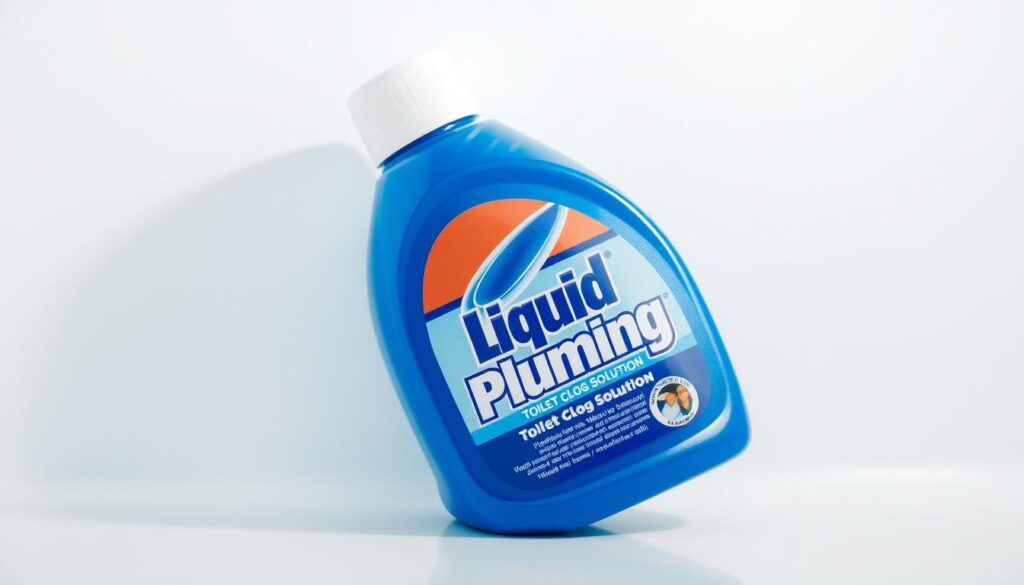
Many homeowners look for fast fixes for toilet blockages. The urge to use liquid drain cleaners is strong, even when a plunger doesn’t work. But will Liquid Plumber work on toilets? Plumbers say no, it’s not safe for toilet drains.
Chemical drain cleaners, like Liquid Plumber, are made for sink and shower drains, not toilets. The design of toilet plumbing and the water in the bowl make these chemicals less effective. They can also harm your toilet’s porcelain and inner parts.
Key Takeaways
- Liquid Plumber is not recommended for toilet clogs
- Chemical drain cleaners can damage toilet porcelain
- Toilets require different unclogging methods than sink drains
- Standing water reduces chemical effectiveness
- Professional plumbing solutions are safer and more reliable
Table of Contents
Understanding Toilet Clogs and Their Causes
Toilet clogs are more complex than you might think. Knowing the causes helps you find solutions and prevent future clogs. Your toilet’s drainage system is made for specific waste and materials.
Common Items That Cause Toilet Blockages
Not everything should go down your toilet. Common clog causes include:
- Too much toilet paper
- “Flushable” wipes (which aren’t really flushable)
- Feminine hygiene products
- Cotton swabs and cotton balls
- Dental floss
- Baby wipes
How Toilet Drainage Systems Differ From Sink Drains
Toilet drains are different from sink drains. Sink drains deal with grease, hair, and soap. But, toilet drains handle organic waste and toilet paper. Toilet clog prevention starts with understanding these critical differences.
“Knowing what not to flush is the first step in maintaining a healthy plumbing system.” – Professional Plumber
The Role of Water Pressure in Toilet Function
Water pressure is key for your toilet’s flushing. The siphoning mechanism and trap design move waste through pipes. But, if disrupted by wrong materials, you need toilet clog solutions.
Being careful about what you flush and knowing your toilet’s system helps avoid clogs. This keeps your bathroom running smoothly.
What Is Liquid Plumber and How Does It Work
Liquid Plumber is a strong chemical drain cleaner for household pipes. It’s not the best for toilet clogs because of its makeup. It has a mix of chemicals that work differently in various pipes.
The main parts of chemical drain cleaner for toilet care are:
- Sodium hydroxide (lye)
- Sodium hypochlorite (bleach)
- Aluminum fragments
These ingredients react with organic materials. They create a lot of heat, up to 180°F. This heat helps break down tough clogs in sink drains. Chemical drain cleaner toilet safety means knowing how these ingredients work together.
Liquid Plumber is made to sink through water and find clogs. It’s designed for sink drains, where hair, soap, and grease build up. But, it’s not good for toilets.
Professional plumbers say the chemical reactions for sink drains can harm toilet plumbing.
Even though it works well in sinks, it’s not good for toilet waste and paper. The chemicals that work in narrow pipes are bad for the wider toilet system.
Will Liquid Plumber Work on Toilets
Many homeowners wonder if they can use Liquid Plumber in their toilets. The answer is a clear no. Chemical drain cleaners can harm your plumbing and toilet.
Chemical Composition and Toilet Compatibility
Liquid Plumber is made for sinks and pipes, not toilets. Its strong chemicals can cause issues in toilets. The water in your toilet bowl makes it less effective.
Why Manufacturers Discourage Toilet Use
- Chemicals can’t reach deep clogs
- Water dilutes the chemicals
- There’s a risk of damaging the porcelain
Potential Risks to Porcelain and Plumbing
Using Liquid Plumber on toilets can lead to costly damage. The chemicals can:
| Potential Damage | Consequences |
|---|---|
| Porcelain Etching | Permanent surface damage |
| Rubber Seal Deterioration | Potential water leaks |
| Pipe Material Weakening | Long-term plumbing issues |
“Prevention is always cheaper than repair when it comes to toilet maintenance.”
Experts advise against using chemical drain cleaners in toilets. The risk of damage is too high, even for temporary fixes.
The Dangers of Using Liquid Plumber in Toilets
Chemical drain cleaners are dangerous in toilets. The small bathroom space can trap harmful fumes. These fumes can harm your health and damage your plumbing.
The dangers of using these cleaners in toilets include:
- Severe respiratory irritation from toxic vapors
- Potential skin and eye burns
- Permanent damage to porcelain surfaces
- Destruction of septic system bacterial balance
Using Liquid Plumber in your septic system can be very harmful. These chemicals can kill the good bacteria needed to break down waste. This can lead to a complete failure of your septic system. The harm goes beyond your home, affecting the environment and groundwater.
Protecting your home’s plumbing is far more cost-effective than risking expensive repairs caused by chemical damage.
Chemical drain cleaners can also harm your health. They release fumes that can stay in the air for hours. These fumes can cause serious breathing problems. They can also damage your pipes and surfaces, making a simple clog very costly.
| Chemical Cleaner Risk | Potential Consequences |
|---|---|
| Septic System Damage | $3,000-$7,000 Repair Costs |
| Pipe Corrosion | Potential Structural Plumbing Failure |
| Toxic Fume Exposure | Respiratory and Skin Irritation |
Your safety and your home’s infrastructure are too important to risk with chemical drain cleaners. Always look for safer options that protect your plumbing and health.
Safe and Effective Alternatives to Liquid Plumber for Toilets
When you face a tough toilet clog, you need safe ways to clear it. Chemical cleaners can harm your pipes and toilet. It’s important to know good alternatives to plungers that really work.
Experts suggest using home items to avoid damaging your pipes. These methods are easy and use things you probably have.
Hot Water and Dish Soap Technique
This simple trick can clear small clogs fast:
- Heat water to warm (not boiling) temperature
- Add 1/4 cup liquid dish soap to toilet bowl
- Carefully pour hot water from waist height
- Wait 30 minutes
- Flush toilet
Baking Soda and Vinegar Solution
This natural method creates a strong unclogging reaction:
- Ensure toilet bowl is half-full
- Pour 1 cup baking soda into bowl
- Slowly add 2 cups white vinegar
- Let mixture fizz for 30 minutes
- Flush thoroughly
Plunger Techniques That Work
Proper plunging needs the right technique:
| Plunger Type | Best Use | Technique |
|---|---|---|
| Flange Plunger | Toilets | Create tight seal, use gentle initial plunges |
| Cup Plunger | Sinks | Flat bottom, less effective for toilets |
“The key is creating a complete seal and using controlled, firm strokes,” says professional plumber Mark Rodriguez.
Using these safe methods will protect your plumbing. You can clear blockages without harsh chemicals.
When to Use a Plumbing Snake or Auger
When a plunger can’t fix it, a plumbing snake or auger is next. They are key when traditional methods don’t work. Knowing when to use them can prevent big plumbing problems.
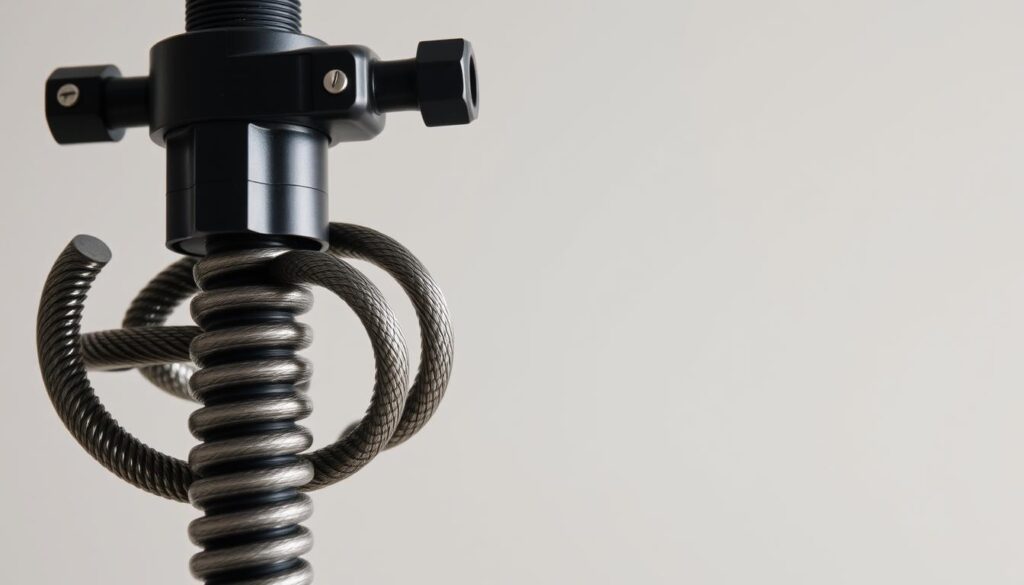
It’s important to know when to use a toilet auger for drain cleaning. Here are some situations where a plumbing snake is needed:
- Multiple plunging attempts have failed
- You suspect a foreign object blocking the drain
- Water is draining extremely slowly
- Repeated clogs in the same toilet
A toilet auger is different from a standard drain snake. It has a sleeve to protect your toilet bowl. This tool is great for most household clogs, reaching up to 6 feet deep.
| Clog Type | Recommended Action | Complexity |
|---|---|---|
| Soft Blockage | Gentle Snake Rotation | Low |
| Hard Object Blockage | Careful Hooking and Extraction | Medium |
| Deep Pipe Blockage | Professional Intervention | High |
When using a plumbing snake, wear gloves and work carefully. Insert the auger’s sleeve into the bowl, then extend the cable while turning. Feel for resistance to find the blockage.
“A plumbing snake is your mechanical solution when chemical cleaners and plunging fail.” – Professional Plumbing Expert
Remember, a snake can solve many clogs, but not all. For deep or complex issues, you might need a pro. Knowing your limits helps avoid plumbing damage.
Professional Toilet Unclogging Methods
When DIY methods fail, it’s time to call a pro. Licensed plumbers have tools and tech that homeowners don’t. They can tackle tough clogs.
Professional plumbers have the skills to fix complex toilet issues. They use advanced methods that keep your plumbing safe. And they get rid of stubborn clogs fast.
Hydro Jetting Technology
Hydro jetting is a top-notch way to clear clogs. It uses high-pressure water to:
- Blast through tough blockages
- Clean pipe walls of debris
- Get your drainage working right again
Camera Inspection Services
Camera tech helps plumbers find and fix problems. Waterproof cameras let them:
- Find where clogs are
- See hidden plumbing issues
- Plan the best fixes
When to Call a Licensed Plumber
Knowing when to call a plumber can save you money and time. Call one if you have:
- Recurring clogs that come back fast
- Many toilets or drains clogging at once
- Sewage backing up into your home
- Think tree roots might be in your sewer
“Professional plumbers diagnose and resolve complex drainage issues that DIY methods cannot address.”
Choosing professional toilet unclogging services keeps your plumbing safe. It also prevents long-term damage.
Preventing Future Toilet Clogs
To keep your toilet working well, you need to take care of it and use it wisely. Knowing what can and can’t go down the drain is key to avoiding clogs.
Start by following a simple rule: only flush human waste and toilet paper. Other items can damage your plumbing, causing big problems and expensive fixes.
- Avoid flushing non-biodegradable items like:
- Wet wipes
- Feminine hygiene products
- Cotton swabs
- Dental floss
- Paper towels
- Practice mindful toilet paper usage
- Implement regular maintenance routines
Teach kids the right way to use the toilet. Make sure they know what can go down the drain. Also, keep bathroom doors closed to stop toys from getting stuck.
Here are some tips to keep your plumbing in good shape:
- Do monthly enzyme treatments
- Run hot water flushes now and then
- Check how well the toilet flushes
- Use mesh strainers when you can
By following these tips, you can prevent clogs, save money, and keep your bathroom running smoothly.
What Plumbers Say About Chemical Drain Cleaners in Toilets
Professional plumbers have strong opinions about chemical drain cleaners, mainly for toilet maintenance. Their advice can help keep your plumbing safe and avoid expensive fixes.
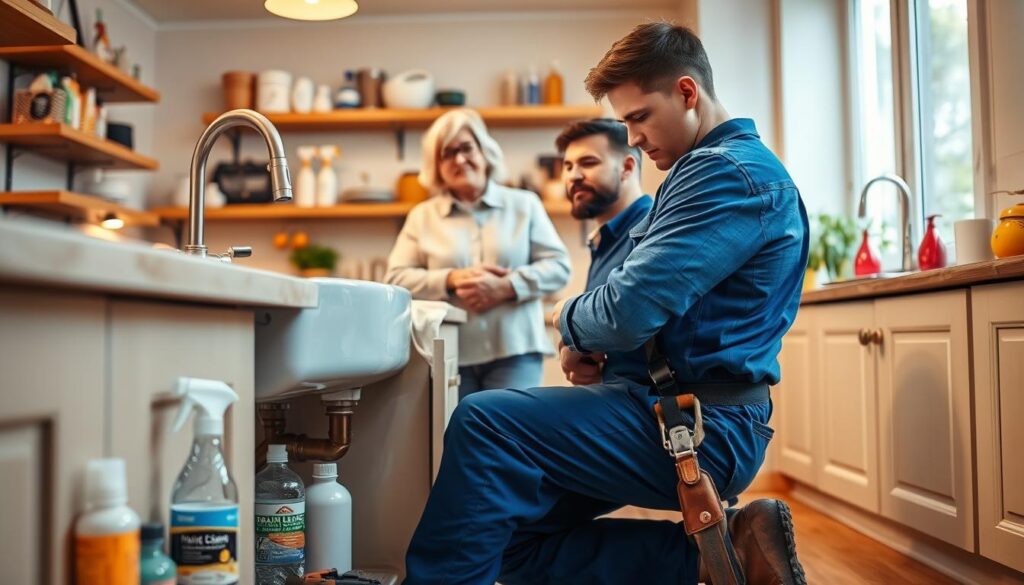
Plumber recommendations show a clear view: chemical solutions can do more harm than good. Most licensed pros advise against using harsh chemicals in toilets.
Expert Insights on Drain Cleaning
Experienced plumbers share key concerns about chemical drain cleaners:
- Potential pipe corrosion
- Damage to toilet seals
- Risk of chemical burns
- Negative impact on septic systems
Recommended Maintenance Products
For a gentler approach, professionals suggest enzyme drain cleaners. Products like Pipe Shield use beneficial bacteria to keep drains healthy without harsh chemicals.
| Product Type | Recommended Usage | Plumber Approval |
|---|---|---|
| Enzyme Cleaners | Monthly preventive maintenance | High |
| Mechanical Snakes | Active clog removal | Recommended |
| Chemical Drain Cleaners | Not recommended for toilets | Low |
Prevention is always cheaper than fixing. A $5-10 chemical drain cleaner might seem affordable, but it could cost $200-500 to fix. Keep your pipes safe by following expert advice and using gentle, bacteria-based maintenance solutions.
Toilet-Safe Drain Cleaning Products
Keeping your toilet clean is important, but not all products are safe. Enzyme drain cleaners are a new, safe way to keep your toilet in top shape. These toilet-safe cleaning products are different from harsh chemicals.
Enzyme drain cleaners use good bacteria to break down waste. They are gentle but powerful, unlike harsh chemicals. This makes them great for keeping your toilet and pipes clean.
- Completely safe for septic systems
- Environmentally friendly
- Prevents long-term buildup
- Works with your plumbing’s natural ecosystem
Here are some top picks:
- Pipe Shield
- Bio-Clean
- Green Gobbler Enzyme Drain Cleaner
When choosing safe cleaning products, look for these labels: “septic safe”, “enzyme-based”, and “biodegradable”. Stay away from products with sodium hydroxide or sulfuric acid. They can harm your pipes.
Enzyme drain cleaners might cost a bit more, but they save you money in the long run. They protect your pipes and prevent expensive repairs. Most recommend using them once a month for best results.
Emergency Toilet Clog Solutions
Toilet clogs can happen when you least expect them. If you don’t have a plunger, you’ll need to think fast. These quick fixes can help you deal with unexpected blockages before they get worse.
Quick Fixes Without a Plunger
When you don’t have the usual tools, there are other ways to clear clogs:
- Hot Water and Dish Soap Method
- Pour 1/2 cup of dish soap into the toilet bowl
- Add a pot of hot (not boiling) water
- Let sit for 10-15 minutes
- Flush to clear the blockage
- Plastic Bottle Pressure Technique
- Fill a large plastic bottle with warm water
- Cover the opening with your thumb
- Insert into toilet outlet
- Remove thumb and squeeze to create water pressure
Wire Hanger Toilet Method for Stubborn Clogs
The wire hanger toilet method is great for surface-level blockages. Carefully unwind a wire hanger, leaving a small hook at the end. Insert the hanger into the toilet drain slowly. Move it carefully to avoid scratching the porcelain. Use slow, deliberate movements to break up or hook the clog.
| Emergency Unclogging Method | Effectiveness | Difficulty Level |
|---|---|---|
| Wire Hanger Method | High (for surface clogs) | Medium |
| Hot Water and Soap | Medium | Low |
| Plastic Bottle Pressure | Low to Medium | Low |
When unclogging a toilet, wear protective gloves and turn off the water supply. Avoid flushing too many times. If these methods don’t work, it’s time to call a professional plumber to avoid damage to your plumbing system.
Conclusion
Using liquid plumber on toilets is not a good idea. Plumbing experts say it’s not safe. It can damage your plumbing and even harm your health.
Instead, try safe ways to unclog your toilet. Methods like plunging or using a toilet auger work well. You can also try hot water with dish soap or baking soda and vinegar.
Preventing clogs is key to a healthy toilet. Know what can’t be flushed and do regular checks. If you see signs of a clog, act fast. Always call a professional plumber for tough problems.
With the right knowledge, you can fix toilet clogs safely. Your plumbing, health, and wallet will all benefit. Stay informed and keep your toilet in top shape.