
Affiliate Disclosure
Plumber Guide Guys is a participant in the Amazon Services LLC Associates Program, an affiliate advertising program designed to provide a means for sites to earn advertising fees by advertising and linking to Amazon.
Who Invented Modern Plumbing? Every morning, when you turn on the faucet or flush the toilet, you’re using a technology that took thousands of years to develop. The history of indoor plumbing is a journey of human innovation. It has changed how we live, work, and stay healthy.
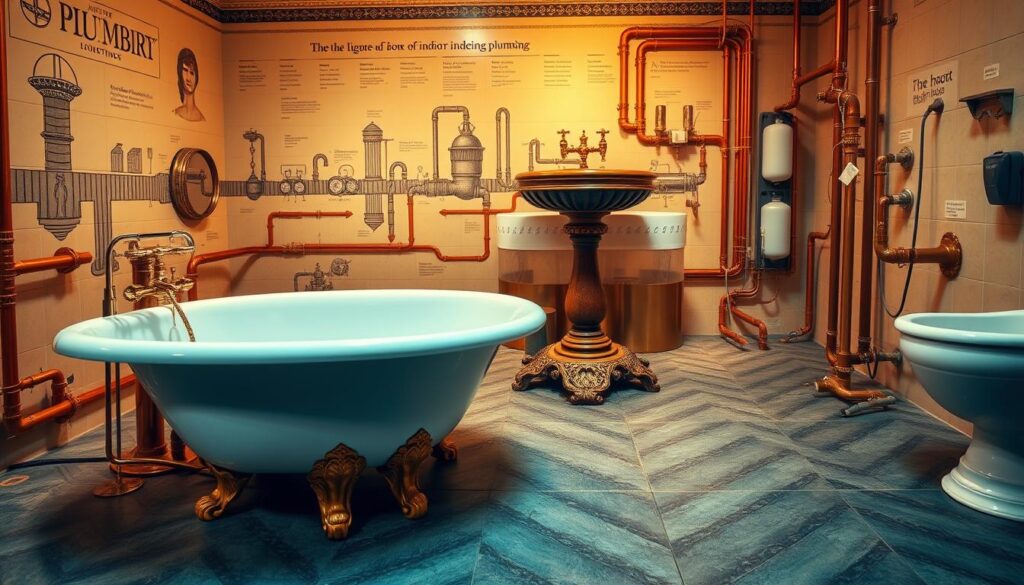
Imagine walking through an ancient city where finding clean water and managing waste was a big challenge. The quest to solve these problems led to the work of brilliant minds across civilizations. They created plumbing systems that would shape modern urban life.
Who invented modern plumbing? It wasn’t one person, but a collective effort over centuries. From the water channels of Mesopotamia to the Roman Empire’s pipe networks, each civilization made important contributions. These breakthroughs helped create the comfortable, sanitary environments we enjoy today.
Key Takeaways
- Plumbing development is a multi-civilization achievement
- Clean water access has been a critical human challenge
- Technological innovations drove plumbing improvements
- Modern plumbing emerged through gradual global contributions
- Water management systems dramatically improved public health
Table of Contents
The Ancient Origins of Plumbing Systems
The history of plumbing goes back thousands of years. It shows the amazing engineering skills of ancient civilizations. Your journey through the plumbing innovations timeline starts with incredible achievements that changed water management and sanitation.
Ancient societies built complex water systems long before modern tech. They knew how vital water management was. They created solutions to big environmental challenges.
Mesopotamian Clay Pipe Innovation
Around 4000 BCE, Mesopotamians made clay sewer pipes. This was a big step in ancient plumbing technology. Their drainage systems inspired later water management experts.
- First known clay pipe systems
- Advanced drainage techniques
- Sophisticated water management strategies
Egyptian Copper Pipe Development
By 2400 BCE, Egyptians used copper piping. They showed great metalworking skills. Their water transport innovations changed temple and palace designs.
Roman Engineering Breakthroughs
The Romans took plumbing to new heights. They built huge aqueduct systems, lead pipe networks, and wastewater removal methods.
| Civilization | Key Plumbing Innovation | Approximate Time Period |
|---|---|---|
| Mesopotamia | Clay Sewer Pipes | 4000 BCE |
| Egypt | Copper Piping | 2400 BCE |
| Roman Empire | Aqueduct Systems | 312 BCE – 226 CE |
These ancient civilizations set the stage for modern plumbing. They showed incredible problem-solving skills that inspire engineers today.
The Dark Ages of Sanitation
After the Roman Empire fell, indoor plumbing’s history took a big hit. The advanced water systems and sanitation of the Romans were lost. This left European cities in a mess for centuries.
In the Dark Ages, cities became hotspots for disease and poor health. The push for better sanitation was stalled. Cities faced major problems:
- Open sewers ran through city streets
- Waste disposal was primitive and dangerous
- Clean water sources were scarce
- Disease spread rapidly in densely populated areas
Medieval cities had big hygiene issues. Cesspools and basic waste systems made life terrible. People threw human waste into streets or water, causing diseases like cholera and typhoid.
“The streets were rivers of filth, carrying disease and despair.” – Medieval Sanitation Historian
This dark time lasted over a thousand years. It wasn’t until the 19th century that cities needed better health and sanitation. Then, urban growth pushed for big changes.
Who Invented Modern Plumbing?
The story of modern plumbing is full of innovation and creativity. Many inventors played a big role in its development. But some names stand out for their impact on plumbing today.
To find out who invented modern plumbing, we need to look at the work of some amazing people. They changed how we manage water and keep places clean.
Isaiah Rogers: The Plumbing Pioneer
Isaiah Rogers was a famous American architect in the mid-1800s. He made a big splash with the Tremont Hotel in Boston. It had the first full indoor plumbing system.
This design raised the bar for building and sanitation.
- Designed first hotel with integrated plumbing system
- Introduced advanced water distribution techniques
- Influenced architectural and engineering practices
Thomas Crapper’s Innovative Contributions
Thomas Crapper didn’t invent the toilet, but he made it better. As a toilet inventor, he brought many plumbing improvements. These changes made sanitation systems better.
- Improved flush mechanism design
- Popularized modern toilet concepts
- Advanced public understanding of sanitation
Sir John Harington’s Early Flush Toilet
Sir John Harington was a creative courtier in Queen Elizabeth I’s court. He made an early flush toilet. His design showed great engineering for his time.
Together, these innovators changed plumbing forever. They helped create the sanitation systems we use today.
The Rise of Indoor Plumbing in the 19th Century
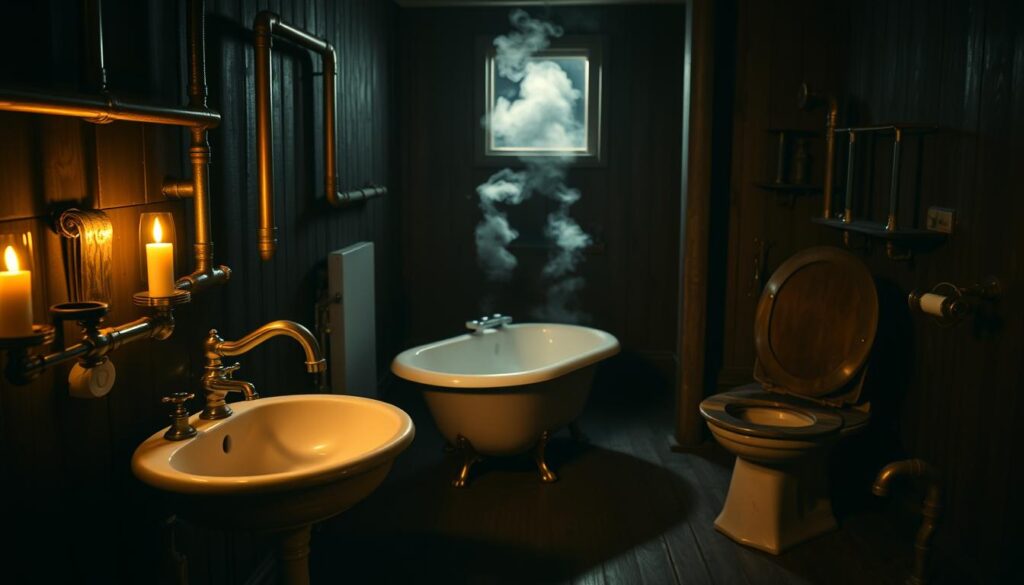
The 19th century saw a big change in American homes with indoor plumbing. Families all over the U.S. saw a big shift in their daily lives. Water became easily available inside their homes.
The first indoor bathroom was more than just a convenience. It was a big step forward in personal hygiene and comfort.
Several key developments led to the indoor plumbing revolution:
- Improved urban water supply systems
- Advanced pipe manufacturing techniques
- Growing understanding of public health principles
First, wealthy urban homes adopted indoor plumbing. Then, new technologies spread to middle-class homes. Copper and lead pipes became common, bringing water directly to kitchens and bathrooms.
The transformation was nothing short of miraculous. No more hauling water from wells or heating it on stoves.
As bathrooms became a must-have, social norms changed. Privacy and cleanliness improved. The arrival of flush toilets and running water cut down on disease, paving the way for today’s sanitation standards.
“Indoor plumbing changed everything about how Americans lived and understood personal hygiene.”
By the late 19th century, indoor plumbing was a sign of modern living. It showed technological progress and better living conditions for millions of Americans.
Revolutionary Materials in Modern Plumbing
The timeline of plumbing innovations shows big changes in materials for water and sewage systems. These changes are key to understanding the growth of modern sewage systems.
Plumbers used many materials for water systems over time. Each had its own benefits and problems.
From Lead to Copper: A Material Revolution
Lead pipes were common for centuries. They were easy to shape and install. Copper became a big improvement, with many advantages:
- It doesn’t corrode as much
- It lasts longer
- It keeps water cleaner
- It’s safer than lead
Plastic Pipes: A Modern Marvel
PVC and other plastics changed plumbing. They are light, cheap, and easy to work with. This changed how water systems are designed.
- They resist chemicals
- They’re light and simple to install
- They save money
- They need little upkeep
Advanced Composite Materials
Today, plumbing uses advanced composite materials. These mix different elements for better pipes. They show the latest in sewage system development.
“The future of plumbing lies in innovative materials that prioritize durability, efficiency, and environmental sustainability.” – Plumbing Engineering Expert
Knowing about these new materials shows how far plumbing has come. It’s amazing to see the progress in plumbing technology over the years.
Development of Modern Sewage Systems
The sanitation revolution changed how cities handle waste. It brought about a big leap in public health. For the first time, cities could manage waste without the old unsanitary ways.
Underground sewage systems replaced open drainage channels. This made cities safer and cleaner. Cities started using better waste management, cutting down on diseases and improving health.
- Eliminated open sewage ditches
- Created underground pipe networks
- Developed sophisticated treatment plants
- Implemented water purification processes
Your city’s sewage system is a remarkable engineering feat. Treatment plants now clean water before it goes back into streams. This keeps water clean and protects our environment.
New technologies keep pushing the sanitation revolution forward. Things like better filters, green waste methods, and smart systems are changing how we handle wastewater.
Clean water is not a luxury, but a fundamental human right made possible by modern sewage infrastructure.
As cities grow fast, sewage management gets tougher. Engineers and scientists work together to find new solutions. They aim to keep up with population changes and environmental shifts.
The Impact of Modern Plumbing on Public Health
The sanitation revolution has changed human health in big ways. Modern sewage systems are a huge public health win. They cut down disease spread and boost life quality in cities.
Understanding public health changes when you see plumbing’s role. Clean water and waste systems stop many illnesses. They keep communities healthy.
Disease Prevention and Sanitation
New plumbing techs have helped fight diseases. Modern sewage keeps water clean, cutting down on deadly diseases:
- Cholera rates fell sharply
- Typhoid fever is now rare
- Dysentery cases dropped a lot
Urban Development Benefits
The sanitation revolution helped cities grow. Cities could hold more people safely. This made living together healthier for everyone.
Modern Water Treatment Methods
Water treatment has gotten better. Now, we have advanced filters and disinfectants. These keep water safe for us.
Investing in good plumbing has made us live longer. It has raised health standards for all.
Key Innovations in Plumbing Fixtures
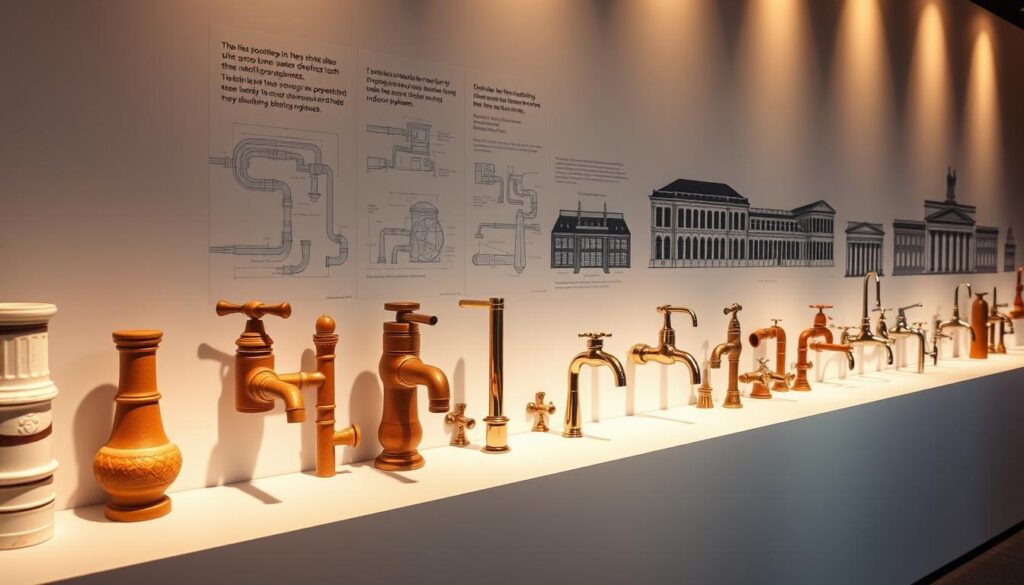
The timeline of plumbing innovations has changed how we use water at home and work. From simple designs to advanced technology, plumbing fixtures have seen a big change. Thomas Crapper, the inventor of the toilet, was key in updating bathroom tech in the late 19th century.
Today, plumbing fixtures are more functional and efficient than ever. You’ll find amazing advancements that have changed how we use water and interact with fixtures.
- Water-saving dual-flush toilets
- Touchless sensor faucets
- Self-cleaning bathroom fixtures
- Smart water conservation technologies
Innovations have greatly improved how fixtures work:
| Fixture Type | Key Innovation | Water Savings |
|---|---|---|
| Toilets | Dual-flush mechanism | Up to 67% reduction |
| Faucets | Sensor-activated controls | Approximately 50% less waste |
| Showerheads | Low-flow aerator technology | Up to 40% water conservation |
These changes are big steps towards sustainable, clean, and easy-to-use plumbing. As tech keeps getting better, we can expect even more advanced fixtures. They will focus on saving water and making our lives easier.
Modern Plumbing Standards and Regulations
Plumbing has changed a lot over time. Now, we have strict rules for safety, efficiency, and protecting the environment. These changes have shaped how we build water systems in buildings across the U.S.
Modern sewage systems have improved thanks to detailed building codes and safety rules. These rules help keep us safe by setting high standards for water systems.
Building Codes Evolution
Building codes have played a big role in making plumbing practices uniform. Important events include:
- The first national plumbing code was published in 1928
- The Building Officials and Code Administrators (BOCA) was established in
- Regular updates to keep up with new tech
Safety Requirements
Plumbing safety rules aim to stop contamination and ensure water is delivered reliably. Now, things like water meters, back flow preventers, and UV lights are required in many places.
Environmental Considerations
Today’s rules focus on saving water and being green. Companies must make lead-free materials and design systems that use less water. These changes mark a big shift in plumbing technology and design.
The Future of Plumbing Technology
The plumbing world is changing fast, with new technologies that make managing water better and keep our systems running smoothly. Smart home systems are leading the way, making sewage systems more precise and efficient.
New technologies are changing plumbing in big ways:
- Advanced leak detection systems using AI-powered sensors
- Real-time water quality monitoring technologies
- Trenchless pipe replacement techniques
- Sustainable water recycling infrastructure
Digital tools are making plumbing work easier. Plumbers use high-tech video cameras for underground checks, cutting down on digging. Hydro-jet technologies and advanced hydraulic systems help fix pipes without damaging them.
| Technology | Key Benefits | Implementation Scale |
|---|---|---|
| Smart Water Meters | Real-time usage tracking | Residential/Commercial |
| Predictive Maintenance AI | Proactive system monitoring | Municipal/Industrial |
| Greywater Recycling Systems | Water conservation | Green Buildings |
Your plumbing future will be smarter, greener, and more efficient. The mix of IoT, AI, and new materials will change how we manage water for years to come.
“Technology is transforming plumbing from a reactive service to a proactive, intelligent system.” – Water Technology Experts
Conclusion
The story of modern plumbing is a journey of human creativity and strength. It started with ancient clay pipes in Mesopotamia and has grown to today’s advanced systems. Plumbing has changed how we live, making our lives healthier and better.
Great minds like Isaiah Rogers, Thomas Crapper, and Sir John Harington changed how we handle water and waste. Their work created the plumbing systems we use today. These systems bring us clean water and manage waste in cities and towns.
Today, plumbing faces new challenges like water shortages and poor sanitation. But the industry keeps pushing forward with new technologies. We’re seeing better materials, advanced filters, and designs that save water and protect the environment.
Knowing how important plumbing is shows more than just its role in our homes. It shows our ability to solve big problems with technology. The future of plumbing looks bright, with new ideas that will make our lives even better.