

Affiliate Disclosure
Plumber Guide Guys is a participant in the Amazon Services LLC Associates Program, an affiliate advertising program designed to provide a means for sites to earn advertising fees by advertising and linking to Amazon.
When Was Polybutylene Plumbing Used? Between 1978 and 1995, over 10 million homes in the U.S. got polybutylene plumbing. This made it a common yet debated piping choice in homes. The question of when polybutylene plumbing was used is key for many homeowners today.
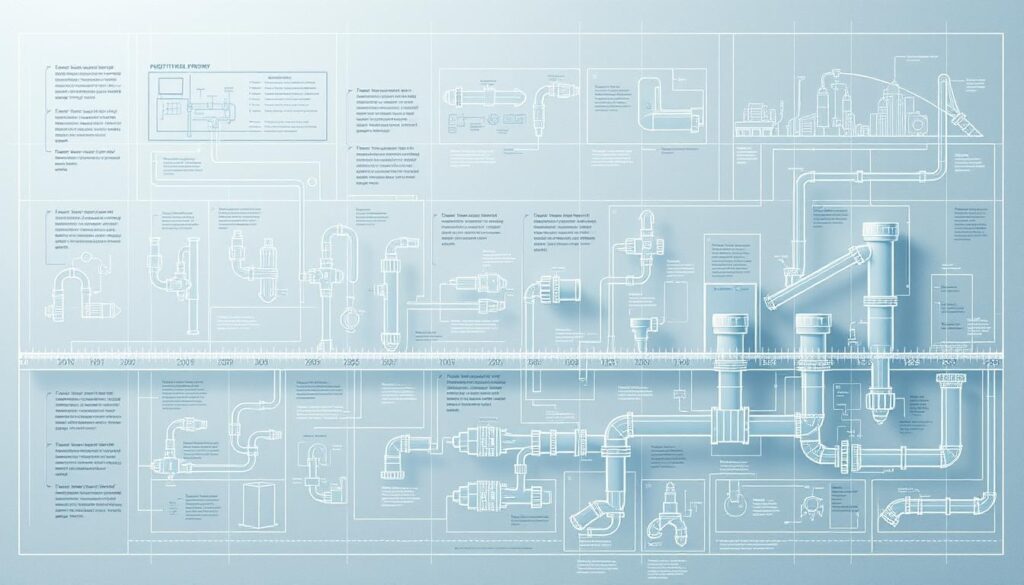
The polybutylene pipe timeline marks a big era in home water systems. Builders and contractors saw polybutylene as a cheap, flexible option. Many homes built during this time might have these pipes.
Polybutylene became popular fast because it was flexible and cheaper than copper. It was seen as a modern, efficient choice for plumbing.
Key Takeaways
- Polybutylene plumbing was widely used from 1978 to 1995
- Approximately 10 million homes were installed with these pipes
- The material was considered innovative during its peak usage
- Most installations occurred in the United States and Canada
- Pipes were mainly used in homes and light commercial buildings
Table of Contents
Historical Overview of Polybutylene Plumbing Installation
Polybutylene plumbing was a big deal in the 1970s and 1980s. It was a new, cost-effective way to pipe homes. People loved it for its ease and affordability.
Introduction to PB Plumbing Systems
Polybutylene (PB) pipes were a game-changer. They were lighter and more flexible than copper. This made them a hit in homes and businesses across North America.
- Introduced in late 1970s
- Considered innovative and cost-effective
- Lighter than copper pipes
- Easier to install
Market Adoption Timeline
The 1980s and early 1990s were the heyday for polybutylene pipes. Builders and homeowners loved them for being easy to use and cheap.
| Year Range | Market Penetration | Key Developments |
|---|---|---|
| 1978-1985 | Initial Introduction | First residential applications |
| 1985-1995 | Peak Adoption | Widespread residential use |
| 1995-2000 | Decline | Increasing reliability concerns |
Geographical Distribution in North America
Polybutylene pipes were more common in certain areas. Western states and Canadian provinces had the most PB plumbing.
- Alberta: Approximately 148,000 homes with PB systems
- Southwestern United States: High adoption rates
- Pacific Northwest: Significant installation volumes
When Was Polybutylene Plumbing Used in Residential Construction
Polybutylene water lines were common in homes built from the mid-1970s to the early 1990s. This period was a key time in plumbing history. If your home was built then, you might have these pipes inside your walls.
These pipes were popular in the U.S. for a few reasons. They were:
- Low cost
- Easy to install
- More flexible than metal pipes
By the mid-1980s, polybutylene became a top choice for new homes. Contractors saw it as a modern way to handle water. The peak of polybutylene usage occurred between 1978 and 1995, with millions of homes using it.
But, by the time polybutylene was banned, the industry changed a lot. A big lawsuit in 1995 stopped its use. The companies involved paid about $1 billion to settle the issue.
If your home was built between 1975 and 1995, there’s a high probability you have polybutylene pipes installed.
It’s important for homeowners to know the risks of these old pipes. Getting a professional to check your pipes can help find out if you have them and what shape they’re in.
Identifying Characteristics of Polybutylene Pipes
Knowing how to spot polybutylene pipes is key for homeowners. It helps them check their plumbing system from the past. These pipes have special looks and materials that make them easy to find in homes.
Visual Identification Methods
Polybutylene pipes stand out because of their unique look. They are known for:
- Light grey or silvery-white color
- Flexible plastic material
- Typically 1/2 to 1 inch in diameter
- Often connected with copper or plastic fittings
Common Installation Locations
Knowing where to look for polybutylene pipes can help you quickly identify them in your home. These pipes were commonly found in several key areas:
- Under kitchen sinks
- Behind toilet tanks
- In crawl spaces
- Running through walls and ceilings
- Connected to water heaters
Material Markings and Codes
Polybutylene pipes have specific markings that can help confirm their identity. Look for these details printed along the pipe’s length:
- Manufacturer’s name or trademark
- Pipe size specification
- Date code indicating installation period
- Material designation (typically PB)
- Pressure rating
If you think your home has polybutylene pipes, a close look and maybe a plumber’s help can confirm it.
Advantages That Led to Widespread PB Pipe Usage
During its peak, polybutylene plumbing won over many with its benefits. It was a game-changer for home water systems. The timeline of polybutylene pipes showed a new way to manage water in homes.
The main perks of polybutylene pipes were:
- Cost-effectiveness: Much cheaper than copper pipes
- Lightweight for easier setup
- Flexible, unlike stiff metal pipes
- Resistant to freezing and cracking
- Fast and simple to connect
In the 1970s and 1980s, polybutylene pipes changed the plumbing game. They were easy to install and saved on labor costs. Contractors loved how they could bend without breaking and were light.
These pipes could make your home’s plumbing better. They were a budget-friendly choice compared to metal pipes. At the time, they seemed to outperform traditional materials.
“Polybutylene pipes revolutionized residential water distribution with their unprecedented combination of affordability and performance.” – Plumbing Industry Experts
But, these pipes later faced big problems that hurt their use. Knowing their benefits helps us understand their role in home building history.
Common Problems and Failure Mechanisms
Polybutylene pipe history shows big challenges that led to many failures. Homeowners faced serious issues during the installation years. These problems damaged their pipes.
The polybutylene pipe system had major weaknesses. Water treatment chemicals and the environment sped up pipe wear.
Chemical Reaction Challenges
Chlorine in water disinfectants caused big problems in polybutylene pipes. These reactions led to:
- Molecular structure breakdown
- Progressive material weakening
- Increased pipe fragility
Joint and Fitting Vulnerabilities
Connections were key weak spots in polybutylene plumbing. The main issues were:
- Brittle plastic fittings
- Inconsistent compression mechanisms
- Rapid seal degradation
Environmental Impact Factors
| Factor | Impact Level | Potential Damage |
|---|---|---|
| Temperature Fluctuations | High | Structural Micro-Cracking |
| Water Pressure | Medium | Joint Stress |
| Chemical Exposure | Critical | Material Degradation |
These failures led to big lawsuits and replacement programs in homes.
Legal Actions and Class Action Settlements

When polybutylene pipes were banned, many legal fights started. These fights changed the plumbing world. Homeowners were protected from big financial losses thanks to class action lawsuits.
The Cox v. Shell Oil Co. case was a big deal. It showed major defects in polybutylene in homes.
Here are some key points from the settlements:
- A $1 billion settlement with 92% for homeowners
- Over 320,000 homes got free re-plumbing
- Help for water damage and system replacement
The lawsuits showed big problems with polybutylene pipes. They made sure homeowners were safe from big plumbing failures. The lawsuits made builders and makers of materials answer for their work.
The settlements were more than just money. They showed a big moment of responsibility in building and plumbing.
If you have an old home, knowing about these lawsuits is important. It helps you see if your plumbing is at risk.
Distinguishing Polybutylene from Other Plumbing Materials
Exploring plumbing materials from the time polybutylene was used is key. Each material has unique traits that differ from polybutylene. Knowing these differences is essential.
Choosing the right pipe material can save you a lot of time and money. Your plumbing system’s success depends on picking the right materials for each job.
Comparing PEX and Polybutylene Piping
PEX piping became a top choice when polybutylene was popular. It stands out in several ways:
- Flexibility: PEX is more flexible and easier to install
- Color variations: PEX comes in black, blue, and red
- Temperature resistance: PEX can handle higher temperatures
- Durability: PEX lasts longer than polybutylene
PVC and CPVC: Alternative Plumbing Materials
Polyvinyl chloride (PVC) and chlorinated PVC (CPVC) have their own set of features:
| Material | Color | Primary Uses | Flexibility |
|---|---|---|---|
| PVC | White/Off-white | Residential plumbing | Rigid to semi-flexible |
| CPVC | Cream/Off-white | Hot and cold water lines | Less flexible |
| Polybutylene | Gray | Indoor water distribution | Moderate flexibility |
Understanding these differences helps you make better choices for your home’s plumbing.
Impact on Home Values and Insurance Coverage

Homeowners with polybutylene pipes face big challenges in the real estate and insurance worlds. The timeline of polybutylene pipes shows how they can hurt property values and insurance. This is a big deal for homeowners.
From 1978 to 1995, many homeowners didn’t know the risks. Now, homes with these pipes have big financial problems:
- Lower property value
- Higher insurance costs
- Insurance limits
- Harder to sell the house
Insurance companies see polybutylene pipes as risky. They might not cover you or charge more. Some want you to replace the pipes before they insure you. This can cost $2,000 to $15,000.
Real estate experts say it’s best to replace the pipes. Homes with old polybutylene pipes might:
- See a 20-30% drop in value
- Take longer to sell
- Get less interest from buyers
Knowing these risks helps homeowners make smart choices about their pipes.
Replacement Options and Modern Alternatives
If you have polybutylene water lines, it’s time to replace your plumbing. Modern options are much better than the old ones. They last longer and are safer.
There are many good choices for replacing your pipes:
- PEX (Cross-linked Polyethylene) Piping
- Flexible and easy to install
- Resistant to corrosion and mineral buildup
- Lower cost compared to copper
- Copper Piping
- Long-lasting and traditional material
- Highly durable
- Resistant to bacterial growth
- CPVC (Chlorinated Polyvinyl Chloride) Piping
- Good chemical resistance
- Affordable replacement option
- Suitable for various water temperatures
Replacing your pipes means removing the old ones and putting in new ones. It might cost a lot upfront. But it keeps your home safe from water damage.
Professional plumbers say it’s best to replace everything for your home’s safety.
The cost to replace your pipes can be between $2,000 and $15,000. It depends on your home’s size and how hard it is to get to. The type of material you choose also affects the price.
Conclusion
Polybutylene plumbing was a big deal in home building history. It was used from 1978 to 1995, but it turned out to be a problem. Many homes in the U.S., mainly in suburbs and new areas, had these pipes.
If your house was built back then, knowing about the ban on these pipes is key. These pipes could burst due to chemical reactions, leading to big problems. This caused a lot of water damage and costly fixes for homeowners.
Checking your pipes and replacing them if needed is the best move. Today, we have better materials like copper, PEX, and CPVC. A professional plumber can check your pipes and suggest the best replacement.
The time of polybutylene plumbing teaches us about the changes in building materials and practices. Being aware and careful can help keep your home safe from plumbing issues. This ensures your home stays strong for years to come.