

Affiliate Disclosure
Plumber Guide Guys is a participant in the Amazon Services LLC Associates Program, an affiliate advertising program designed to provide a means for sites to earn advertising fees by advertising and linking to Amazon.
When Was Polybutylene Plumbing Banned? Between 1978 and 1995, over 10 million homes in the U.S. were built with polybutylene pipes. This was a huge challenge that changed how we think about plumbing in homes. Knowing when polybutylene plumbing was banned is key for homeowners to keep their homes safe and valuable.
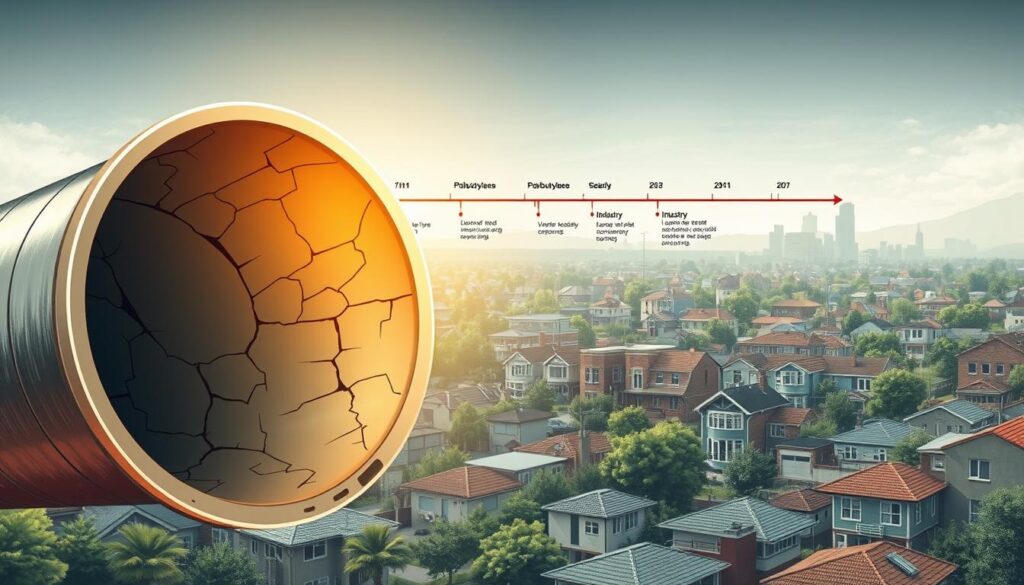
In the late 1970s, polybutylene pipes were seen as a cheap and effective plumbing option. They were marketed as a strong alternative to copper pipes, promising to save money and work well. Builders quickly started using these pipes in homes across the U.S.
The ban on polybutylene pipes came because of serious problems with the material. Water treatment chemicals made the pipes break down, leading to big risks of water damage. By mid-1996, the makers stopped making these pipes, marking a big change in home plumbing.
Key Takeaways
- Polybutylene pipes were used in over 10 million homes
- Manufacturing occurred between 1978 and mid-1995
- Pipes were discontinued due to structural integrity concerns
- Water treatment chemicals caused significant pipe deterioration
- Production ceased completely by mid-1996
Table of Contents
Understanding Polybutylene Plumbing Systems
Polybutylene plumbing systems were once seen as a game-changer in home building. They were cheaper and more flexible than old pipes. In the 1970s and 1980s, they became very popular.
What is Polybutylene Piping?
Polybutylene (PB) pipes are made of synthetic plastic. They are known for their grey or white color and matte look. These pipes come in 1/2″ and 3/4″ sizes. They were made to be light, bendy, and not corrode easily.
Common Applications in Residential Construction
- Water supply lines
- Interior plumbing systems
- Cold and hot water distribution
- Underground water main connections
Initial Promise and Widespread Usage
Despite early hopes, polybutylene pipes failed a lot. Builders and contractors liked them for a few reasons:
| Advantage | Description |
|---|---|
| Cost-Effectiveness | Significantly cheaper than copper pipes |
| Installation Ease | Lighter and more flexible than metal alternatives |
| Corrosion Resistance | Did not rust or develop mineral buildup |
Millions of homes in the U.S. got these pipes before they started failing a lot. This led to big legal problems and the pipes were eventually stopped from being used.
The Rise and Fall of Polybutylene in Construction
Polybutylene pipes were a big deal in home building in the late 1970s and early 1980s. They were light, flexible, and seemed cheap. This made builders excited to use them for water systems.
But, problems started to show up. Builders slowly stopped using them. The pipes were supposed to be good because they were:
- Less expensive to install
- Easier to bend than copper pipes
- Good against freezing
- Cost less to make
At first, everyone thought polybutylene would change plumbing forever. Between 1978 and 1995, about 20-25% of new homes had these pipes. This led to a big problem that needed fixing later.
But, homes with polybutylene pipes faced many issues. They reacted badly with water treatments, broke down quickly, and leaked a lot. By the mid-1990s, builders stopped using them because of these problems.
The transition away from polybutylene marked a critical moment in residential construction plumbing standards.
As more people learned about polybutylene’s flaws, the building world moved to better pipes. This helped homeowners avoid big water damage and expensive fixes.
When Was Polybutylene Plumbing Banned?
Knowing when polybutylene pipes were banned is key for homeowners and property managers. It took years to get rid of these pipes. This involved many steps and rules in different places.
The ban on polybutylene pipes happened slowly. In the U.S., the big changes were in the late 1990s and early 2000s.
Timeline of Pivotal Events
- 1995: First major class-action lawsuit against polybutylene pipe manufacturers
- 1997: National Plumbing Code began restricting polybutylene use
- 2001: Widespread recognition of systematic pipe failure risks
- 2005: Complete removal from acceptable plumbing materials in most jurisdictions
Regional Variations in Implementation
The ban on polybutylene plumbing varied by state and local rules. Some places banned new installations and suggested replacements faster than others.
| Region | Ban Implementation Year | Replacement Recommendations |
|---|---|---|
| California | 1998 | Immediate replacement advised |
| Texas | 2000 | Phased replacement approach |
| Florida | 1999 | Strict replacement guidelines |
Code Changes and Regulatory Actions
Building codes in the U.S. removed polybutylene from approved plumbing. This was due to many pipe failures and water damage risks.
The complete ban of polybutylene pipes represented a critical consumer protection measure in residential construction.
By 2005, most plumbing groups and building codes stopped using polybutylene. This ended its use in new buildings.
Identifying Polybutylene Pipes in Your Home
Finding polybutylene pipes in your home needs a close look. These pipes stand out because of their unique look. They are usually gray, white, or have a bluish color. They also have a dull finish, unlike shiny copper or PVC pipes.
It’s important to check certain spots for these pipes. Look in these key areas:
- Near your hot water tank
- Running across utility room ceilings
- Crawlspaces and unfinished basements
- Under kitchen and bathroom sinks
- Walls supplying water to sinks and toilets
To spot polybutylene pipes correctly, look for specific signs. They often have “PB” written on them. These pipes are usually 1/2″ or 3/4″ in size.
| Pipe Characteristic | Polybutylene Identifier |
|---|---|
| Color | Gray, white, or bluish |
| Texture | Dull, matte finish |
| Typical Diameter | 1/2″ or 3/4″ |
| Markings | “PB” printed on pipe surface |
Warning: If you think you have polybutylene pipes, get a pro plumber to check them. They can tell you about any risks.
Major Issues and Failure Mechanisms
Polybutylene plumbing failure is a big problem for homeowners in the United States. Knowing how pipes degrade can help protect your home from water damage and expensive fixes.
The need to replace polybutylene pipes often speeds up because of several key factors. These factors weaken the pipes’ structure.
Chemical Reactions Causing Pipe Breakdown
Water treatment chemicals are a big part of why polybutylene pipes fail. Chlorine and other oxidants slowly damage the plastic. This damage causes:
- Microscopic cracks in the pipe walls
- Less strength in the pipe
- More chance of leaks
Common Failure Points
Polybutylene pipes often break down in certain spots:
- At pipe joints and connections
- In areas with high water pressure
- Where sunlight hits directly
- In places with big temperature changes
Recognizing Signs of Deterioration
Homeowners should look out for these signs of pipe failure:
- Pinhole leaks in the pipes
- Water that looks different
- Flaking or scaling on the pipes
- Moisture near pipe connections
Spotting these signs early can help avoid big damage and costly replacements.
The Class Action Lawsuit and Settlement Details

The class action lawsuit against polybutylene pipes is a big deal in home construction history. Homeowners in the U.S. found out their plumbing systems had major problems. This led to a huge legal fight with the makers of these pipes.
The settlement from this lawsuit is a big win for homeowners. It includes:
- Total settlement value reaching nearly $1 billion
- Compensation for pipe replacement and water damage
- Coverage for homes built between 1978 and 1995
It was found that the makers of these pipes knew they could fail but kept selling them. Homeowners who had problems with their pipes could get help. This includes:
- Pipe leaks or ruptures
- Water damage to property
- Documented system failures
“The settlement provided a critical lifeline for homeowners facing expensive plumbing repairs,” said legal experts familiar with the case.
If you have polybutylene pipes, you might be able to get money back. Check when your home was built and if you have any pipe problems. Then, you can look into making a claim.
Impact on Property Values and Insurance
Polybutylene pipes can really affect your home’s finances. They can make it hard to deal with insurance and sell your property. Knowing when to replace them is key to keeping your property’s value and insurance coverage intact.
Homeowners with polybutylene pipes face big insurance challenges. Insurance companies see these pipes as risky. This can make getting coverage very difficult.
Insurance Coverage Challenges
Your insurance choices might be limited with polybutylene pipes. Many insurance companies have strict rules for these pipes:
- Higher premium rates
- Potential coverage denial
- Mandatory pipe replacement requirements
- Increased inspection scrutiny
Real Estate Market Implications
Polybutylene pipes can really hurt your property’s marketability. Buyers often see them as a big problem. This can lower your home’s value.
Replacing them early can help avoid these financial issues. Strategic upgrades show you’re a responsible homeowner. They can also help with insurance and property value.
Fixing polybutylene pipes is more than just maintenance. It’s a smart financial move to protect your home’s value.
Replacement Options and Modern Alternatives
Homeowners have many great options when replacing polybutylene pipes. The plumbing world has created strong materials that last longer and work better than old pipes.
- Cross-linked Polyethylene (PEX)
- Copper piping
- Chlorinated Polyvinyl Chloride (CPVC)
Let’s dive into these alternatives:
| Material | Cost | Durability | Installation Ease |
|---|---|---|---|
| PEX | Low | High | Easy |
| Copper | High | Very High | Moderate |
| CPVC | Moderate | High | Moderate |
When picking a new pipe, think about local rules, water quality, and your budget. PEX is a favorite because it’s flexible, cheap, and doesn’t rust.
“Choosing the right pipe material can save you thousands in future repairs and water damage.” – Plumbing Industry Expert
Talking to a pro plumber can guide you through the replacement process. They can help pick the best pipe for your home.
Cost Considerations for Pipe Replacement
Replacing polybutylene pipes is a big home improvement project. It needs careful financial planning. Knowing the cost and timeline helps homeowners prepare for this upgrade.
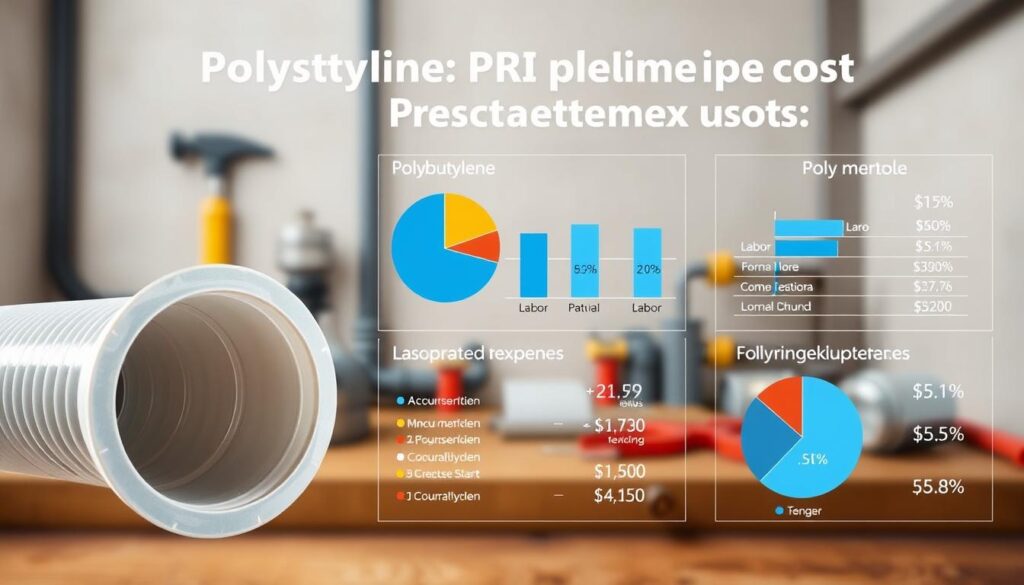
The cost to replace polybutylene plumbing varies a lot. It can cost between $4,000 and $15,000 for a full replacement.
Key Factors Influencing Replacement Costs
- Home size and total square footage
- Pipe accessibility and location
- Number of bathrooms and plumbing fixtures
- Chosen replacement pipe material
- Local labor rates
Financial Planning Strategies
To manage the replacement timeline well, consider these financial tips:
- Get multiple professional quotes
- Check homeowner’s insurance coverage
- Explore home improvement loans
- Create a dedicated savings plan
| Pipe Material | Average Cost per Linear Foot | Estimated Lifespan |
|---|---|---|
| PEX | $2 – $5 | 40-50 years |
| Copper | $3 – $8 | 50-70 years |
| CPVC | $1 – $3 | 50-75 years |
Proactive planning can ease the financial burden of replacing polybutylene pipes. Start budgeting early and consult professionals for accurate estimates for your home.
Professional Inspection and Assessment Guidelines
Dealing with polybutylene plumbing issues needs expert help. Home inspectors face special challenges when checking these pipes. It’s important for homeowners to know the limits of visual checks to protect their homes.
When you book a professional plumbing check for polybutylene pipes, remember these points:
- Polybutylene plumbing failure often happens inside, making it hard to spot visually
- Regular home inspections might not find all pipe problems
- It’s best to get a plumber who knows a lot about polybutylene pipes
Signs that mean you should get a professional check right away include:
- Water that looks different than usual
- Leaks or bursts in the pipes
- Mineral buildup around where pipes connect
- Water pressure that’s lower than usual
Get ready for your inspection by collecting important info about your home’s plumbing. Ask the inspectors about their experience with polybutylene pipes, how they check for problems, and what they suggest for fixing or replacing pipes.
Pro Tip: Always ask for a detailed written report on your polybutylene piping system’s condition.
Remember, checking your pipes early can save you a lot of money and prevent water damage later.
Legal Requirements and Building Code Updates
Understanding the legal side of polybutylene pipes can be tricky for homeowners. There’s no federal law that says you must replace them right now. But, building codes and local rules have changed a lot. This is because builders stopped using polybutylene pipes in the late 1990s.
The rules about polybutylene pipes differ from place to place. You should think about a few things:
- Property disclosure rules when selling a house
- New building code rules on pipe materials
- How insurance might be affected
- Guidelines for when to replace pipes
Many places have rules about polybutylene pipes. Homeowners should check with their local building departments. This will help them know what they need to do.
| Jurisdiction Type | Typical Legal Requirement |
|---|---|
| Municipal Level | Mandatory disclosure during property sales |
| State Level | Varied regulations on pipe replacement |
| Insurance Providers | Potential policy restrictions |
Even though there’s no law that says you must replace them now, smart homeowners often choose to update their plumbing. This helps avoid water damage and keeps their homes safe.
Protecting your property starts with knowing the current building codes and the legal issues with old plumbing systems.
Conclusion
Polybutylene plumbing has a complex history that shows the importance of home maintenance. When it was banned, it was a big change for homeowners in the U.S. Knowing the risks of polybutylene plumbing failure can help avoid costly repairs and water damage.
Your home’s plumbing is key to its safety and function. If your home was built between 1978 and 1995, get a professional to check for polybutylene pipes. Catching and replacing them early can stop major water damage and keep your home’s value up.
Homeowners should team up with licensed plumbers for advice. They can help figure out what to do next. Modern pipes like copper, PEX, and CPVC are safe and last a long time, giving you peace of mind.
Knowing about plumbing issues is your best defense. Stay updated, have regular checks, and act fast if you find polybutylene pipes in your home.