

Affiliate Disclosure
Plumber Guide Guys is a participant in the Amazon Services LLC Associates Program, an affiliate advertising program designed to provide a means for sites to earn advertising fees by advertising and linking to Amazon.
When Was Galvanized Plumbing Discontinued? Did you know that over 50% of homes built before 1960 have galvanized plumbing? This could be quietly harming your water quality. The ban on galvanized pipes started slowly. By the late 1960s, most homes were switching to better options.
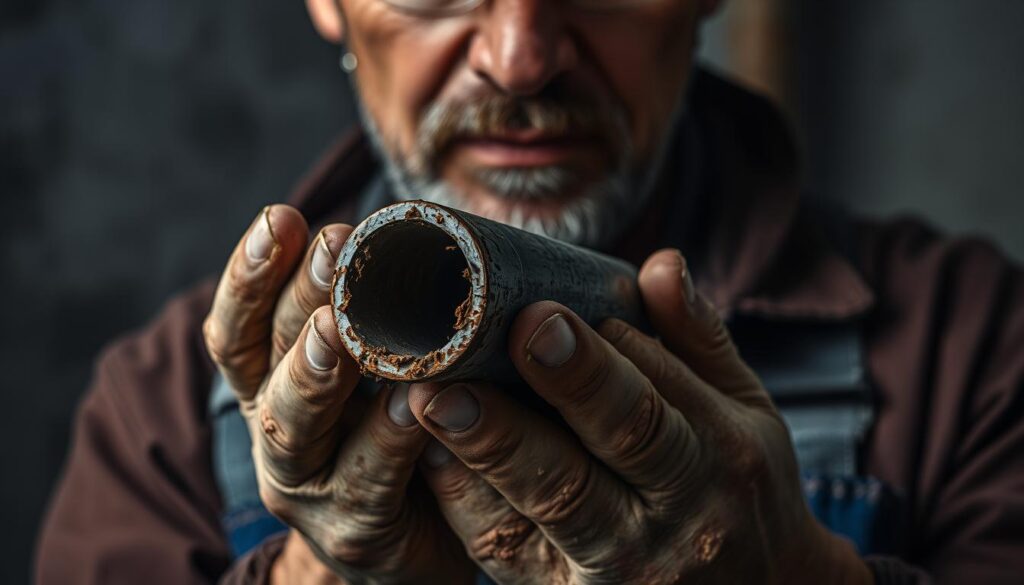
Galvanized plumbing was a big step forward in the 1900s. It used zinc to protect iron pipes from rust. Homeowners saw it as a big improvement over older materials.
So, when did galvanized plumbing stop being used? It was a gradual change. Copper and plastic pipes became the new standard. By the 1970s, galvanized pipes were no longer used in new homes.
Key Takeaways
- Galvanized plumbing was widely used until the late 1960s
- Zinc coating on pipes eventually proved inadequate for long-term water distribution
- Copper and plastic pipes replaced galvanized systems
- Homes built before 1970 may have original galvanized pipes
- Potential water quality and structural issues exist with older galvanized plumbing
Table of Contents
The History of Galvanized Plumbing in American Homes
Plumbing technology has changed a lot in the 20th century. Knowing how pipe materials have evolved helps us understand our home’s water system.
From Lead to Galvanized Steel: Early Plumbing Evolution
In the early 1900s, lead pipes were used for indoor plumbing. But they were harmful to health. So, people looked for safer options. Galvanized steel pipes were seen as a good choice because they lasted longer and didn’t rust as much.
The Rise of Galvanized Pipes in the 1940s
By the 1940s, galvanized steel pipes were everywhere in American homes. They lasted much longer than old materials. A zinc coating on the pipes helped stop rust, making them last even longer.
- Zinc coating provided corrosion protection
- Pipes were more affordable than previous options
- Improved water quality compared to lead pipes
The Transition Away from Galvanized Materials
In the late 1950s and 1960s, copper started to replace galvanized pipes. People saw many benefits in switching:
| Material | Advantages | Lifespan |
|---|---|---|
| Galvanized Steel | Initial corrosion resistance | 40-50 years |
| Copper | Better durability, no rust | 50-70 years |
Today, plumbing keeps getting better. New materials like PEX and CPVC offer even more options for our homes’ water systems.
When Was Galvanized Plumbing Discontinued?
To understand when galvanized plumbing was stopped, we need to look at building trends in the U.S. The move away from galvanized pipes happened slowly over many years.
The ban on galvanized pipes started in the late 1960s. By the 1980s, most cities had stopped using them. The type of plumbing in your home depends on when it was built and the local building codes back then.
- 1960s: Initial decline of galvanized plumbing begins
- 1970s: Increased awareness of pipe degradation
- 1980s: Widespread replacement with alternative materials
- 1990s: Final stages of galvanized pipe elimination
Places in different areas stopped using galvanized pipes at different times. Rural areas and small towns used them longer than big cities with stricter rules.
| Decade | Plumbing Material Trend | Replacement Rate |
|---|---|---|
| 1960-1970 | Declining Galvanized Use | Low |
| 1970-1980 | Copper and Plastic Alternatives | Medium |
| 1980-1990 | Rapid Material Transition | High |
By the early 1990s, most plumbers and builders had stopped using galvanized pipes. They had switched to better materials like copper, PEX, and PVC.
Understanding the Composition of Galvanized Pipes
Galvanized pipes have been key in plumbing across the United States. They are made of steel with a zinc coating to stop rust. This coating helps them last longer in water systems.
The making of galvanized pipes involves special steps. Knowing how they’re made helps spot corrosion problems.
The Zinc Coating Process
Galvanized pipes are made through hot-dip galvanization. Here’s how:
- Steel pipes are cleaned to remove dirt.
- They are dipped in hot zinc to coat them.
- The pipes are pulled through the zinc bath for an even coat.
- They are cooled and checked for a good coat.
Material Properties and Characteristics
Galvanized pipes follow specific rules. The zinc coating protects them from corrosion. This keeps the steel safe from water.
Some key traits are:
- Durability: They can handle damage well.
- Strength: They can take high water pressure.
- Corrosion resistance: The zinc coating helps prevent rust.
Common Pipe Sizes and Applications
Galvanized pipes were used in homes and businesses. They came in sizes from 1/2 inch to 4 inches. They were good for water lines, drainage, and more.
The Expected Lifespan of Galvanized Plumbing Systems
Knowing how long galvanized steel plumbing lasts is key for homeowners with older homes. These systems usually last 40 to 50 years. This depends on the environment and how well they are maintained.
- Water quality and mineral content
- Installation techniques
- Environmental conditions
- Frequency of maintenance
When did people stop using galvanized plumbing? The use of these pipes started going down in the 1960s. By the 1980s, experts said it was time to replace them. Homes built before 1960 likely have pipes that need to be replaced soon.
“Proactive inspection can potentially extend your plumbing system’s operational duration,” says professional plumbing expert Robert Martinez.
Regular upkeep and expert checks can spot problems early. This can save you from big repair costs. Homeowners should get their plumbing checked every 5-7 years.
| Pipe Age | Condition | Recommended Action |
|---|---|---|
| 0-20 years | Excellent | Regular monitoring |
| 20-40 years | Good | Annual inspections |
| 40-50 years | Deteriorating | Consider replacement |
| 50+ years | Critical | Immediate replacement |
Spotting aging pipes early can prevent costly water damage and emergency fixes.
Signs of Failing Galvanized Pipes
Your home’s plumbing system can send out warning signs about galvanized pipe corrosion. Spotting these signs early can stop big damage and keep your family safe. Keep an eye out for signs that your pipes might be failing.
Galvanized pipes can show health risks through visible and performance signs. These signs can tell you if your pipes need a pro check.
Visual Indicators of Deterioration
When checking your pipes, look for these important signs:
- Rust-colored discoloration on pipe surfaces
- Visible white, gray, or brown scaling
- Bulging or irregular pipe shapes
- Flaking zinc coating
Water Quality Red Flags
Water quality can show big problems with your galvanized plumbing system. Watch for these signs:
- Metallic-tasting water
- Brownish or reddish water discoloration
- Sediment accumulation in water fixtures
- Unusual odors when running water
Pressure and Leakage Problems
Low water pressure and leaks are big signs of pipe trouble. These problems often mean serious corrosion that needs quick action.
| Symptom | Potential Severity | Recommended Action |
|---|---|---|
| Reduced Water Pressure | Moderate to High | Professional Inspection |
| Pipe Leaks | High | Immediate Replacement |
| Rust-Colored Water | Moderate | Water Quality Test |
Don’t ignore these warning signs. Replacing failing galvanized pipes early can protect your home and family.
Health Risks Associated with Old Galvanized Plumbing
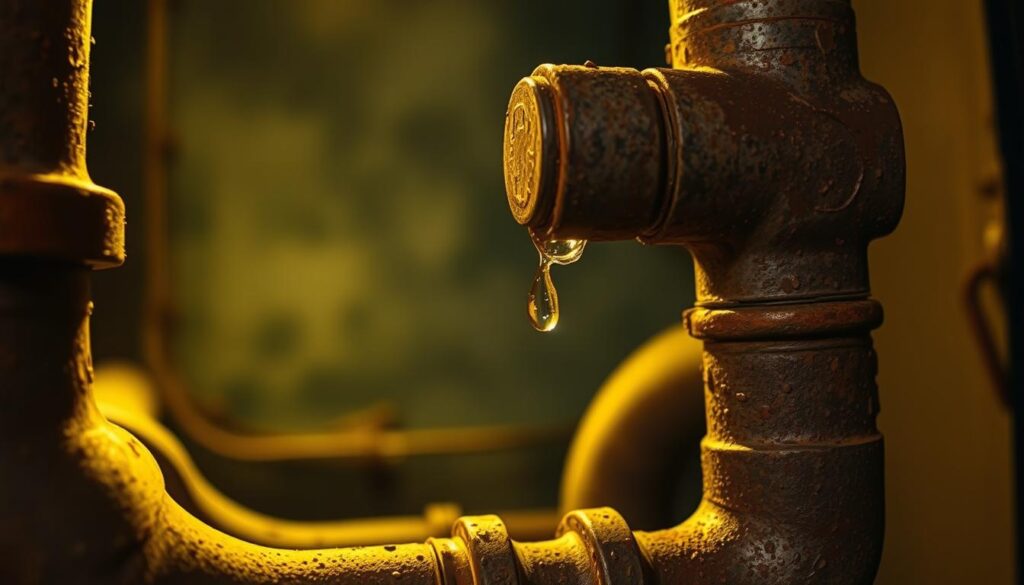
Old galvanized plumbing can be harmful to your family’s health. As these pipes corrode, they can let dangerous contaminants into your water. This is a big worry for families with young kids and those who are more vulnerable.
The main health risks come from the zinc coating inside these pipes breaking down. This can let harmful substances into your water. These include:
- Lead particles
- Rust and iron sediments
- Potentially toxic metal fragments
Children are at a higher risk from these dangers. Being exposed to lead and other heavy metals can harm their development. This can lead to:
- Reduced cognitive function
- Learning disabilities
- Neurological complications
It’s important to test the water in homes with old plumbing. Professional inspections can find out where contamination might be coming from. Many health departments suggest testing if your pipes are over 40-50 years old.
Protecting your family’s health means staying proactive about your home’s plumbing infrastructure.
New rules for galvanized water pipes aim to make water safer. These rules help reduce health risks and ensure clean drinking water for everyone.
Modern Alternatives to Galvanized Pipes
As homes get older, plumbing needs updates. Homeowners now have many options to replace old galvanized pipes. The plumbing world has changed a lot, with strong and efficient new choices.
When copper replaced galvanized pipes, new options came up. Each one has its own benefits for homes and businesses.
Copper Plumbing Systems
Copper pipes have been a top pick for years. They are durable and reliable. They offer many advantages:
- Resistant to corrosion
- Long-lasting performance
- Prevents bacterial growth
- Maintains water quality
PEX Tubing Options
PEX vs galvanized pipes is a modern choice with great flexibility. These plastic pipes have big pluses:
- Easy installation
- Lower material costs
- Excellent resistance to freezing
- Minimal connection points
PVC and CPVC Solutions
Plastic piping systems are light and affordable. They’re great for drainage and certain water needs.
Your choice depends on what you need, your budget, and local rules. Talking to a professional plumber can guide you to the best option for your home.
Cost Considerations for Replacing Galvanized Pipes
Replacing galvanized pipes can be a big expense for homeowners. The cost to replace them varies a lot, from $2,000 to $15,000. This depends on your home’s size, how easy it is to get to the pipes, and what you choose to replace them with.
When looking at options, pex vs galvanized pipes is key. PEX (cross-linked polyethylene) piping is often cheaper. It has many benefits over traditional galvanized pipes:
- Lower material costs
- Easier installation
- Greater flexibility
- Resistance to corrosion
Knowing the costs can help you decide better. Here’s a cost comparison:
| Pipe Material | Average Cost per Linear Foot | Estimated Total Cost for Average Home |
|---|---|---|
| Galvanized Steel | $10 – $20 | $8,000 – $16,000 |
| PEX Piping | $2 – $5 | $2,000 – $5,000 |
| Copper Piping | $5 – $15 | $5,000 – $12,000 |
Remember, there might be extra costs like fixing walls, fixing water damage, and labor. Plumbers can give you a detailed estimate based on your home.
Pro tip: Always get multiple quotes and consider long-term durability when selecting pipe replacement materials.
Choosing quality pipe replacement now can save you a lot of money. It can prevent water damage and costly repairs later.
The Process of Replacing Galvanized Plumbing
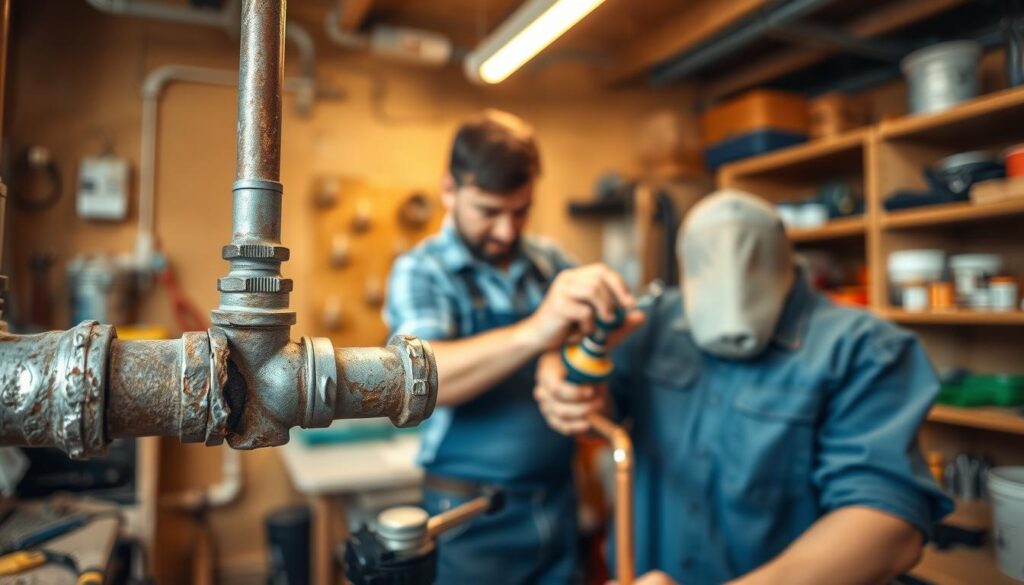
Replacing galvanized plumbing is a big job that needs careful planning and expert help. The cost to replace galvanized pipes can change a lot. It depends on your home’s size and how complex the plumbing is.
First, you need a full check of your plumbing. Plumbers will usually:
- Look over the whole plumbing system
- Find any corrosion or damage
- Choose the best new plumbing options
- Make a detailed plan for replacement
Your plan will likely include picking from modern options like:
- Copper piping
- PEX tubing
- CPVC pipes
“Proper pipe replacement is not just about changing materials, but ensuring long-term home water quality and safety.” – Professional Plumbing Association
The actual replacement has many steps:
- Turning off the main water supply
- Removing old galvanized pipes carefully
- Putting in new piping systems
- Testing the new system’s pressure
- Checking it meets local building codes
Tip: Always work with licensed professionals to guarantee a safe and code-compliant plumbing replacement.
Regulations and Building Codes for Plumbing Materials
Understanding plumbing regulations can be tough for homeowners and contractors. Over the years, rules for galvanized pipes have changed a lot. This is because of new water safety rules and better materials.
It’s important to know the latest building codes when looking at new plumbing options. These rules help make sure water systems are safe and work well in homes and businesses.
Current Standards and Requirements
The plumbing world has strict rules for what materials to use and how to install them. Key standards include:
- Material safety certifications
- Corrosion resistance standards
- Water quality protection protocols
- Durability and performance benchmarks
Local Code Compliance
Local areas have their own rules that can differ a lot. Your local building department has specific rules for:
- Acceptable piping materials
- Installation techniques
- Inspection protocols
- Water system design standards
Permit Requirements
Most plumbing changes need official permits. These make sure:
| Permit Type | Purpose | Typical Cost Range |
|---|---|---|
| Residential Plumbing Permit | Validate home plumbing upgrades | $50 – $500 |
| Commercial Plumbing Permit | Approve large-scale plumbing projects | $200 – $1,500 |
| Renovation Permit | Authorize system modifications | $100 – $750 |
Always check with local building authorities to know the specific rules in your area.
Identifying Galvanized Pipes in Your Home
Knowing what kind of plumbing is in your home is key. Galvanized steel was a common choice from the 1940s until the late 1960s and early 1970s.
To spot galvanized pipes, look for these signs:
- Dull gray metallic look
- Threaded connections
- Rust or mineral buildup
Here are simple tests to check for galvanized pipes:
- Magnet Test: If a magnet sticks to it, it’s galvanized.
- Scratch Test: Scratch it and look for a silver-gray metal underneath.
Galvanized pipes often hide in basements, crawl spaces, and utility rooms. They usually last 40-50 years. So, homes built before 1970 might have them.
If your home was built between 1940 and 1970, you likely have galvanized pipes. A professional plumber can confirm this. They can also tell you when galvanized plumbing stopped being used in your area.
Conclusion
Knowing when galvanized plumbing was stopped is key for homeowners. It helps protect their homes and health. Most homes stopped using galvanized pipes in the 1960s and 1970s. This was due to the risks of old pipes.
Modern pipes like copper, PEX, and PVC are better. They last longer and keep water clean. Experts can check your pipes and suggest the best upgrades for your home.
Checking and maybe replacing old pipes can save money and health problems. It’s important to think about water quality and pipe strength. Knowing about old pipes helps you make smart choices for your home.
Getting a full plumbing check is a smart move for homeowners. Talk to licensed plumbers for advice on fixing your pipes. They can help you find and fix problems with your plumbing.