

Affiliate Disclosure
Plumber Guide Guys is a participant in the Amazon Services LLC Associates Program, an affiliate advertising program designed to provide a means for sites to earn advertising fees by advertising and linking to Amazon.
When Did Indoor Plumbing Become Standard in America? Did you know most American homes didn’t have indoor plumbing until recently? Before the 1940s, 70% of rural homes didn’t have running water. This changed the history of indoor plumbing in the U.S. into a story of big changes in technology and health.
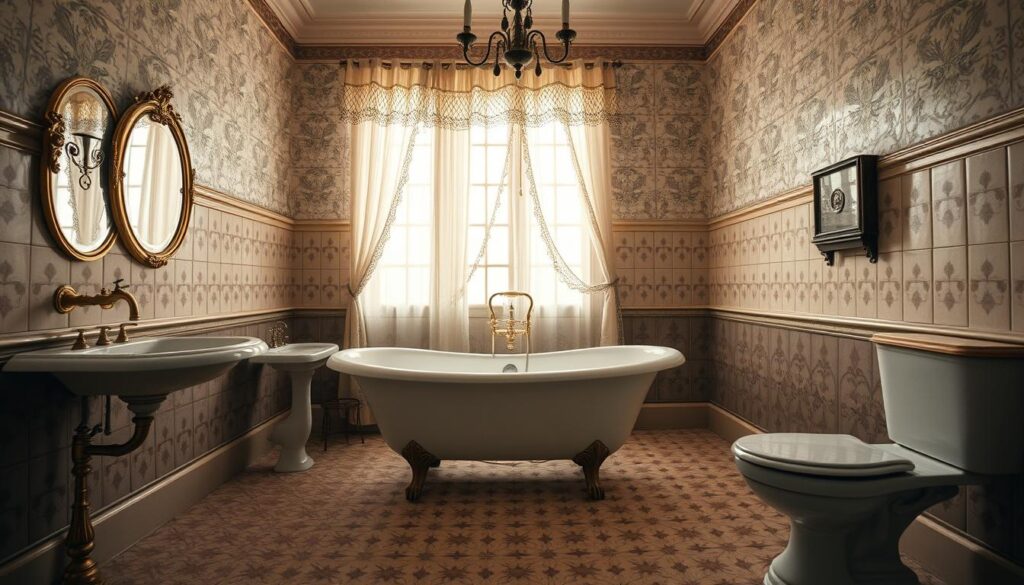
So, when did indoor plumbing become common in America? It wasn’t quick. The move from old water systems to today’s plumbing shows how far America has come. Looking at the history of indoor plumbing, we see a mix of engineering, social changes, and health improvements.
Knowing about this big change helps us see how lucky we are today. Indoor plumbing changed how Americans lived, worked, and stayed healthy. It was a big step in our country’s growth.
Key Takeaways
- Indoor plumbing was not widespread until the mid-20th century
- Rural areas lagged behind urban centers in plumbing infrastructure
- Technological innovations drove plumbing system improvements
- Public health concerns accelerated plumbing development
- Government programs played a critical role in expanding plumbing access
Table of Contents
The Ancient Origins of Plumbing Systems
Plumbing has a long history, thousands of years before the american home plumbing evolution started. Early civilizations created advanced water management systems. These systems are the base of today’s urban sanitation.
The history of water systems starts with ancient cultures. They knew clean water and waste management were key.
Egyptian Water Engineering Breakthroughs
Ancient Egyptians were water technology leaders. They made big steps that shaped plumbing for centuries:
- They made copper pipes for pyramids’ bathrooms around 2500 B.C.
- They built complex drainage systems in royal places.
- They used copper tubing for water transport.
Roman Water Distribution Mastery
The Roman Empire took water management to new heights. Their engineering feats included:
- They built long aqueduct networks.
- They had advanced sewer systems in big cities.
- They had public bathhouses with good water flow.
Early Sanitation Solutions
These ancient groups knew clean water was vital for health. Their water management innovations laid the groundwork for future urban sanitation.
Water management was not just a technical challenge, but a critical aspect of maintaining healthy communities.
From Egyptian copper pipes to Roman aqueducts, these early steps paved the way for the american home plumbing evolution that came later.
Evolution of American Plumbing: Pre-1800s Era
The early days of indoor plumbing in the USA were tough. Settlers had to find ways to manage water and keep things clean. Their homes had simple systems that needed a lot of effort and creativity.
People found clever ways to get water and deal with waste. Their stories show how resourceful they were:
- Hand-dug wells provided primary water sources
- Rainwater collection systems supplemented drinking water
- Wooden buckets and hand pumps became essential tools
- Outhouses managed waste disposal
Getting water was hard work. Families carried water from streams or wells. Hygiene standards were dramatically different from modern expectations. They bathed rarely and saved water for survival.
Rural areas had their own ways to handle water. Community wells were places for people to meet and share news. These early steps helped shape the water systems of the future in America.
“Water is life, and early Americans understood this principle more intimately than most.” – Historical Water Management Researcher
The pre-1800s era was a time of learning and teamwork. People relied on each other to survive and manage water resources in the growing nation.
The Rise of Urban Sanitation Infrastructure
The mid-19th century was a turning point for urban sanitation. American cities grew denser, and health risks soared. Poor sanitation was linked to diseases, leading to big changes in urban planning.
Cities knew they had to modernize plumbing in homes. Public health pushed for huge infrastructure changes.
Development of the First Sewer Systems
Chicago led the way in sanitation solutions. It built sewer systems that set a standard for other cities. Key steps included:
- Elevated street levels to improve drainage
- Underground sewer network construction
- Water management strategies
Public Health Concerns and Solutions
Doctors and city planners worked together to tackle health issues. They saw that good sanitation could cut down on diseases.
| Year | Urban Sanitation Milestone | Impact |
|---|---|---|
| 1850 | First complete sewer system | Less waterborne diseases |
| 1860 | Better water distribution | Better public health |
| 1870 | Advanced drainage systems | Less urban flooding |
Early City Planning for Water Management
Urban planners came up with smart water management plans. They used new methods to keep water clean and waste away. These steps helped create modern urban infrastructure and better living conditions.
Learning about urban sanitation’s growth shows how key infrastructure changes transformed American cities. They set the stage for today’s plumbing systems.
When Did Indoor Plumbing Become Standard in America
Exploring when indoor plumbing became common in America is quite interesting. It shows how technology evolved over time. The shift to indoor toilets in the U.S. wasn’t quick. It took many years.
By the 1930s, most American homes had indoor plumbing. Before then, people used outdoor toilets and shared water. Several things led to this change:
- Advances in water systems
- Better city infrastructure
- More focus on health
- Increased wealth
The pace of indoor plumbing varied by area and income level. Rich cities started using indoor toilets in the 1840s. But, rural areas didn’t get them until the mid-1900s.
| Decade | Indoor Plumbing Adoption Rate | Primary Regions |
|---|---|---|
| 1840-1890 | 10-20% | Wealthy Urban Centers |
| 1900-1920 | 30-40% | Major Cities |
| 1930-1950 | 70-80% | Urban and Suburban Areas |
The years after World War II were key for indoor toilets in the U.S. Government help, new suburbs, and more money helped put modern plumbing in homes everywhere.
Pioneering Plumbing: The Tremont Hotel and White House
The early 19th century was a big change for bathroom fixtures in America. Luxury places and government buildings started new trends in home utilities. They set high standards for cleanliness and comfort.
In 1829, Boston’s Tremont Hotel changed the game with indoor plumbing. This idea changed American building designs. It showed how hotels could lead in water technology.
First Commercial Applications
The Tremont Hotel’s plumbing was more than a fancy feature. It changed how Americans thought about buildings. It showed how bathrooms could make guests happier.
- First hotel with integrated indoor plumbing
- Offered private bathrooms for guests
- Set new hospitality standards nationwide
Government Building Adoptions
The White House got running water in 1833. This showed how important modern utilities were. It made indoor plumbing more common in American buildings.
“Innovation begins with bold first steps” – Early Plumbing Pioneer
| Location | Year of First Plumbing | Significance |
|---|---|---|
| Tremont Hotel | 1829 | First Commercial Indoor Plumbing |
| White House | 1833 | First Government Building with Running Water |
The Chicago Sanitation Revolution
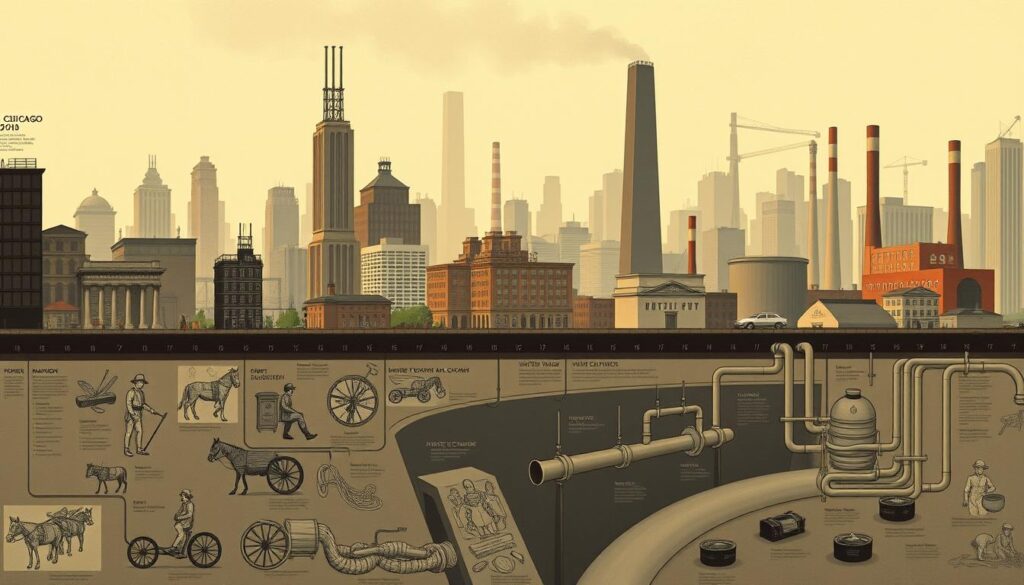
In the mid-19th century, Chicago became a key player in the evolution of home plumbing in America. The city faced big sanitation challenges that changed urban infrastructure forever. Fast population growth and deadly cholera outbreaks pushed for new solutions to health problems.
In 1855, Chicago was the first big American city to get a full sewer system. This big step solved many problems:
- Eliminated contaminated water sources
- Reduced disease spread
- Improved city living conditions
The Board of Sewerage Commissioners in Chicago came up with a new way to plan cities. They built an elevated sewer system to overcome the city’s low ground. The city’s ground was so low that sewers couldn’t naturally drain, so engineers had to find new ways to solve the problem.
This system became a model for other growing cities in the U.S. By raising street levels and creating advanced drainage, Chicago showed how city planning could greatly improve health and living standards.
“Chicago’s sanitation revolution transformed urban living across America” – Urban Planning Historical Review
Understanding modern plumbing starts with this important part of Chicago’s history. The city’s effort to tackle complex infrastructure challenges set a national standard for urban development and health management.
Technological Breakthroughs in American Plumbing
The world of bathroom fixtures in America changed a lot thanks to new technologies. These changes made indoor plumbing better and more efficient.
In the mid-20th century, plumbing technology made huge strides. Inventors and engineers worked hard to make water systems better, cleaner, and more comfortable for homes.
Innovation in Toilet Design
Toilet technology got a big boost, changing how we use bathrooms. Key improvements were:
- The S-shaped trap design keeps sewer gas out of homes
- Better flushing systems
- Ways to save more water
Water Heating Systems Development
Water heating moved from coal to newer, better technologies. Homeowners now have:
- Coal-fired water heaters
- Gas-powered systems
- Electric water heaters
- Tankless water heating technology
Pipe Material Evolution
Pipe materials changed a lot, making them stronger and better. Big changes were:
- Cast iron pipes
- Copper piping
- Modern plastic and PVC materials
These new technologies made home plumbing better. Water systems became more reliable, efficient, and easy to use.
Rural America’s Journey to Modern Plumbing
The story of indoor toilets in the U.S. is one of big change, mainly in rural areas. For years, homes in the countryside used old ways to handle waste, like outhouses. This was long after cities had moved to modern plumbing.
Getting indoor toilets in rural homes was tough. There were few people, not much money, and hard-to-reach places. Many saw indoor plumbing as a luxury, not a must-have.
- 1930s: Less than 15% of rural homes had complete indoor plumbing
- 1950s: Gradual infrastructure improvements began accelerating
- 1970s: Majority of rural homes had modern bathrooms
The Rural Electrification Act was key in changing homes. It brought electricity to far-off places. This helped improve water systems and add indoor toilets.
“Modern plumbing wasn’t just about comfort—it was about health and dignity for rural families.” – Rural Sanitation Historian
Looking at how plumbing changed in American homes shows a lot of progress. It shows how technology and society improved rural life a lot in the 20th century.
Post-War Plumbing Expansion (1945-1970)
After World War II, the United States saw a big change in home utilities. Millions of veterans came home, leading to a huge housing boom. This boom changed how homes were built and their plumbing systems.

The plumbing in American homes grew fast during this time. Several things helped this happen:
- Massive suburban housing construction
- Improved manufacturing technologies
- Rising middle-class economic prosperity
- Enhanced building standards
Suburban Development’s Crucial Role
Suburbs became key places for new plumbing ideas. Builders put in modern water and sewage systems. By the 1960s, homes had indoor plumbing instead of outhouses.
Standardization of Plumbing Codes
Groups of engineers worked together to make plumbing codes. These rules made sure water systems were safe and worked well. Cities started requiring plumbers to be certified, making homes safer and more reliable.
The post-war era transformed American homes from basic shelters to modern living spaces with sophisticated utility systems.
The Role of Government Programs in Plumbing Access
Government programs were key in making indoor plumbing common in the USA. The New Deal era was a big change for water systems in rural areas. It helped fix the big difference in plumbing access between cities and countryside.
The government saw the need to update rural areas. They started programs to bring water and sanitation to places that didn’t have them before. This was to make life better for people living far from cities.
“Access to clean water and proper sanitation is not a luxury, but a fundamental human right.” – Rural Development Expert
- New Deal-era water infrastructure programs
- Rural electrification and plumbing initiatives
- Department of Agriculture rural development grants
- Comprehensive community improvement projects
Important government agencies launched programs to help with water systems. The Rural Utilities Service was a big help. They gave money and resources to areas that needed it most.
| Program | Year Introduced | Communities Impacted |
|---|---|---|
| Rural Water Infrastructure Grant | 1935 | Over 5,000 rural counties |
| Community Development Block Grant | 1974 | Nationwide rural and urban areas |
| Water and Waste Disposal Loans | 1942 | Small rural communities |
These efforts changed the face of plumbing in America. They closed the technology gap and made life better for many in rural areas.
Modern American Plumbing Standards and Innovations
Plumbing in American homes has become very advanced and eco-friendly. Today’s plumbing systems are a big change from the past. They use the latest technology and focus on being green.
The development of bathroom fixtures in America has seen big changes. These changes include:
- Water conservation technologies
- Smart monitoring systems
- Eco-friendly material selections
- Advanced filtration mechanisms
Current Safety Regulations
Modern plumbing standards are strict to keep people safe and ensure clean water. The Environmental Protection Agency (EPA) and local building codes have set rules for:
- Pipe material safety
- Water contamination prevention
- Installation best practices
Environmental Considerations
Your home’s plumbing can help the environment now. Low-flow fixtures, smart water management, and recycling have changed how we use water.
Things like touchless faucets, smart leak detection, and greywater recycling show how far plumbing has come in American homes.
Conclusion
The history of indoor plumbing in America is a story of big changes, health improvements, and growth. When did indoor plumbing become common in America? It took many years, from the first city trials to the big push for nationwide systems. Learning about this shows how new tech changed how people lived.
The story of indoor plumbing in the USA is complex and far-reaching. It started with fancy hotels and then spread to homes everywhere. Each new idea made water cleaner, homes healthier, and life better for many people.
Thinking about this history shows indoor plumbing was more than just pipes and water. It was a big step forward for society. It helped cut down on sickness, made people live longer, and made homes more comfortable. By the mid-1900s, indoor plumbing was a key part of American life.
Today, plumbing keeps getting better with new green tech, ways to save water, and smart homes. Understanding this important part of our lives will grow as you see how it changed. It brought clean, reliable water right into our homes.