

Affiliate Disclosure
Plumber Guide Guys is a participant in the Amazon Services LLC Associates Program, an affiliate advertising program designed to provide a means for sites to earn advertising fees by advertising and linking to Amazon.
What Type of Plumbing Was Used in 1980? Did you know that nearly 70% of homes built in the 1980s used outdated plumbing materials? Knowing what plumbing was used in 1980 helps spot issues in older homes. It also guides maintenance choices.

The 1980s saw a big change in plumbing technologies. People moved from traditional cast iron pipes to newer materials. These promised better durability, cost, and ease of installation.
Your home’s plumbing from then likely used copper, galvanized steel, and plastic like polybutylene. Each material had its own traits that shaped water and drainage systems in the 1980s.
Key Takeaways
- 1980s plumbing materials varied widely across different regions
- Copper pipes were considered the premium choice for water lines
- Plastic pipes began gaining significant market share
- Galvanized steel was also used for water distribution
- Polybutylene pipes emerged as a controversial new option
Table of Contents
Common Plumbing Materials in 1980s Homes
In the 1980s, homes used a mix of old and new plumbing materials. This was a key time for plumbing technology in homes.
Homeowners back then faced a few main plumbing materials. These defined how water systems worked in homes:
- Copper pipes in 1980s homes were considered the premium choice
- Galvanized steel plumbing 1980 remained prevalent in older constructions
- Cast iron drain pipes 1980s continued serving many residential properties
- Emerging plastic options began gaining significant market share
Traditional Metal Pipes
Metal pipes were the main choice for plumbing in the 1980s. Copper pipes were favored for their lasting quality and resistance to rust. Galvanized steel was also used, but its use was going down.
Emerging Plastic Options
Plastic like PVC and ABS started to be used more in plumbing. They were lighter and cheaper than metal, making them appealing to homeowners.
Regional Variations in Materials
The area where your home was built mattered for plumbing choices. Coastal areas often chose cast iron for its rust resistance. Inland areas might pick other materials based on water and building codes.
Knowing about your 1980s home’s plumbing can help you make smart choices for upkeep and updates.
Galvanized Steel Plumbing Systems of the 1980s
In the 1980s, homes often had galvanized steel plumbing. This type of pipe was coated with zinc to fight corrosion. It was meant to last long and keep water flowing well.
Galvanized steel plumbing in 1980 had many good points for homeowners:
- Strong structural integrity
- Relatively affordable installation
- Resistance to immediate rust formation
- Widespread availability in construction markets
The making of these pipes involved dipping them in hot zinc. This created a shield that made the pipes last longer. Galvanized steel plumbing 1980 was a big step up from older materials, lasting longer.
But, over time, these pipes faced problems. They usually lasted 40-50 years. Homeowners then saw issues like:
- Mineral buildup inside pipes
- Reduced water pressure
- Increased likelihood of leaks
- Potential water contamination
If your home is from the 1980s, it might have these pipes. A pro can check if you need to replace them. This ensures your water system works safely and efficiently.
Copper Piping: The Gold Standard of 1980s Plumbing
Copper pipes were the top choice for homes in the 1980s. They were loved for their strength and dependability. This decade was the peak for copper pipes, making them the best for water systems in the U.S.
Advanced Installation Methods
Experts had two main ways to install copper pipes in 1980s homes:
- Soldering: A precise method using high-temperature heat to join pipe sections
- Compression Fittings: Quick-connect solutions that provided secure connections
Remarkable Durability Factors
Copper pipes were incredibly tough for homes. They stood out because of:
- Natural antimicrobial properties
- Resistance to extreme temperature variations
- Corrosion-resistant capabilities
Economic Considerations
| Cost Factor | Copper Pipe Assessment |
|---|---|
| Initial Installation | Higher upfront expenses |
| Long-Term Value | Exceptional durability (50-70 year lifespan) |
| Maintenance | Minimal repair requirements |
*Copper pipes were an investment in quality that paid dividends over decades of reliable service.*
Understanding copper pipes in 1980s homes shows why they were the top choice. They combined great performance, long-lasting durability, and reliability. This made them unmatched in the 1980s, a key decade for home building.
What Type of Plumbing Was Used in 1980
The 1980s saw big changes in plumbing materials and tech. Homeowners back then used a mix of old and new plumbing solutions. These changes shaped how water systems work in homes for years to come.
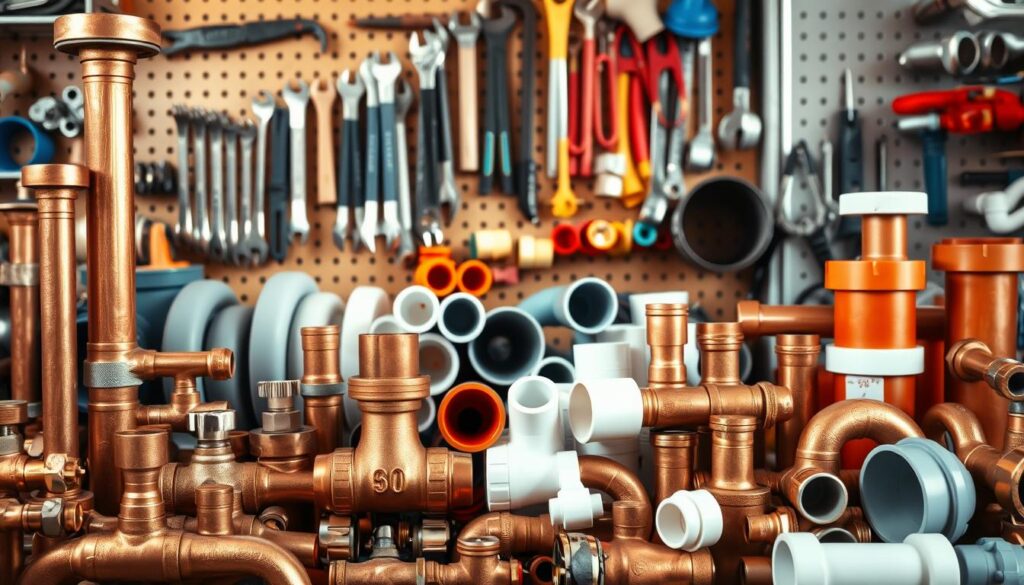
In 1980, plumbing in homes mostly used a few key materials. Copper pipes were the top choice for water lines because they last long and don’t rust. But, galvanized steel pipes were also common, even though they were starting to have problems with rust and mineral buildup.
- Copper pipes dominated water supply systems
- Galvanized steel pipes were gradually being phased out
- Plastic materials like polybutylene began emerging
The plumbing of the 1980s was a mix of old metal systems and new plastic ones. It was common to see different types of pipes in the same house. This shows how plumbing tech was changing fast during this time.
| Plumbing Material | Primary Use | Typical Lifespan |
|---|---|---|
| Copper | Water Supply Lines | 50-70 Years |
| Galvanized Steel | Water Distribution | 30-50 Years |
| Polybutylene | Experimental Water Lines | 10-15 Years |
Knowing about 1980 plumbing helps us see how water systems have evolved. The 1980s were a key time for plumbing tech to change. The materials used then helped pave the way for today’s plumbing.
Polybutylene Pipes: The Problem Child of 1980s Plumbing
In the 1980s, polybutylene plumbing seemed like a smart choice for homes. People thought it was cheaper than copper pipes. But, these pipes turned out to be a big problem for many homes.
Widespread Plumbing Complications
Homeowners faced big issues with polybutylene pipes. These pipes were weak when exposed to chlorine in water treatment. This weakness caused many problems:
- Rapid pipe degradation
- Unexpected water leaks
- Sudden pipe ruptures
- Potential extensive water damage
Legal Battles and Consumer Protection
Many lawsuits were filed against the makers of these pipes. Homeowners wanted compensation for the damage. These lawsuits led to big settlements, showing how common the problem was.
Replacement Strategies
If your home is from the 1980s, get it checked. Replacing polybutylene pipes can stop big water damage. Now, there are better options like PEX and copper pipes.
Replacing polybutylene pipes is key to protecting your home from water damage.
Cast Iron and PVC Drainage Systems
In the 1980s, plumbing systems in homes changed a lot. Cast iron pipes were slowly replaced by PVC. PVC offered better benefits.
Cast iron pipes were well-known for being strong and quiet. They were used a lot in homes, mainly for sewer lines
- Cast iron pipes lasted 40-60 years
- PVC was a lighter, cheaper option
- Corrosion resistance was key
PVC pipes in the 1980s were a big step forward. They had many advantages:
- They were lighter
- Installation costs were lower
- They resisted chemical damage
- They were easier to work with
Your home might have both cast iron and PVC pipes. This shows the 1980s’ plumbing changes. Knowing about these materials helps with upkeep.
The right drainage system can protect your home’s infrastructure for decades.
| Material | Lifespan | Cost | Durability |
|---|---|---|---|
| Cast Iron | 40-60 years | Higher | Excellent |
| PVC | 50-100 years | Lower | Good |
Plumbing Code Standards and Regulations in 1980
The plumbing code standards of 1980 marked a big change in construction safety. They came out of worries about water quality, safe materials, and lasting buildings.
To understand the 1980 plumbing code, we need to look at key changes. These rules aimed to improve many areas of building.
Safety Requirements
Health and safety were top priorities in the 1980 plumbing standards. A big step was recognizing dangers from some materials:
- Removing lead-based pipe connections
- Introducing stricter material tests
- Improving checks on water quality
Installation Guidelines
The 1980 plumbing code set clear rules for installing pipes. It focused on:
- Right pipe alignment and connections
- Minimum slopes for drainage
- Rules for plumbing ventilation
Material Specifications
In 1980, material standards saw big improvements. New rules were set for:
- Copper piping thickness and pressure
- Safe plastic pipe types
- Requirements for resisting corrosion
These plumbing code standards of 1980 were a big step forward. They show a key moment in building safety rules.
Identifying and Maintaining 1980s Plumbing Systems
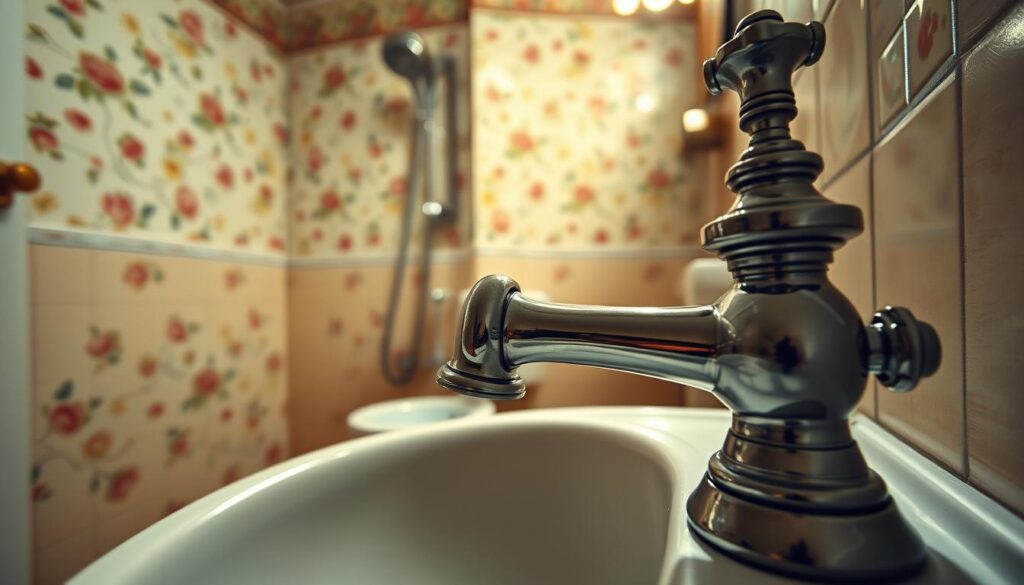
Maintaining 1980s bathroom plumbing fixtures needs careful attention. Many homes from this era have unique plumbing systems. They require special care to avoid problems and last longer.
To manage your 1980s plumbing well, follow these key maintenance tips:
- Inspect abs drain pipes 1980s for signs of corrosion or wear
- Check pipe connections regularly for possible leaks
- Use special cleaning methods for older pipe materials
- Monitor water pressure and flow rates
It’s important to visually identify your plumbing system. Copper pipes typically have a distinctive reddish-brown color. Galvanized steel pipes are gray and might show rust. Polybutylene pipes are gray or white and can be tricky to spot.
Preventative maintenance is key to avoiding plumbing issues. Here are some strategies:
- Install drain strainers to stop debris buildup
- Flush drains monthly with hot water
- Schedule professional inspections every two years
- Replace deteriorating pipe sections quickly
Knowing your 1980s plumbing system’s unique features helps you make smart repair choices. Being proactive protects your home’s plumbing and saves you from expensive emergency repairs.
Conclusion
Exploring plumbing from 1980 shows a world of materials that shaped homes. Copper, galvanized steel, and early plastics were common. Each had its own strengths and weaknesses.
The 1980s marked a big change in home plumbing. Today’s plumbing is better, with smoother surfaces and less corrosion. If your home has old pipes, getting them checked is important. This helps avoid sudden problems.
Knowing about plumbing history helps homeowners make smart choices. Even though old pipes worked for years, new ones last longer and work better. Talking to a plumbing expert can guide you on what to do next.
Your home’s plumbing is a big deal. Learning about old and new materials helps keep your home safe. Regular checks and upkeep are key to a good plumbing system.