
Affiliate Disclosure
Plumber Guide Guys is a participant in the Amazon Services LLC Associates Program, an affiliate advertising program designed to provide a means for sites to earn advertising fees by advertising and linking to Amazon.
What Type of Plumbing is Not Good in a House? Ever thought about the dangers in your home’s plumbing? Knowing what plumbing is bad can save you money and keep your family safe.
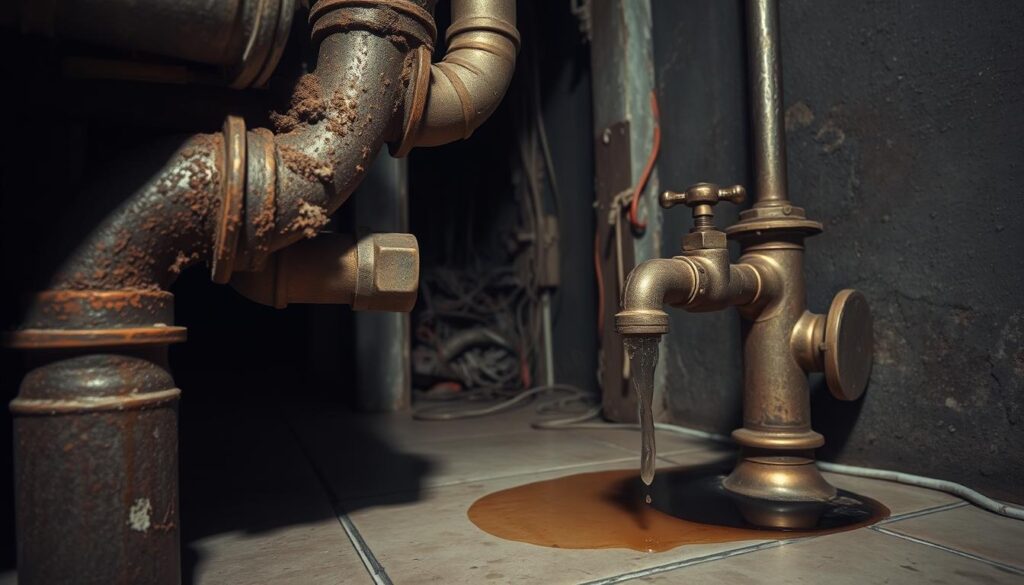
Plumbing is key to your home’s function. It delivers water and takes away waste. But, not all materials are safe.
Many homeowners don’t check their plumbing materials. Old pipes can harm your health and damage your home. Knowing which materials to avoid is important.
This guide will teach you about dangerous plumbing materials. You’ll learn how to spot problems and keep your home safe.
Key Takeaways
- Certain plumbing materials can pose significant health and safety risks
- Older homes may contain outdated and potentially harmful pipe materials
- Regular plumbing inspections are vital for home safety
- Some pipe materials can lead to water contamination and structural damage
- Professional assessment is recommended when evaluating plumbing systems
Table of Contents
Understanding Your Home’s Plumbing System
Your home’s plumbing is a complex network. It works together to give you clean water and take away waste. Knowing how it works helps you keep your home in good shape and spot problems early.
A residential plumbing system has three main parts. They work together to manage water well:
- Supply Line Network
- Drainage System
- Venting System
Supply Line Network Essentials
The supply line network brings fresh water to your home. Homeowners often choose between PEX and copper pipes. PEX is flexible and easy to install, while copper is durable and long-lasting.
| Pipe Material | Pros | Cons |
|---|---|---|
| PEX | Flexible, cost-effective | Less heat resistant |
| Copper | Durable, long-lasting | More expensive |
Drainage System Fundamentals
Your home’s drainage system takes away wastewater from sinks and toilets. It’s designed to avoid clogs and work efficiently. Modern systems use PVC, which is resistant to corrosion and reliable over time.
Venting System Fundamentals
The venting system is often overlooked. These pipes regulate air pressure, helping water flow smoothly. They also keep sewer gases out of your home. Proper venting is key to a healthy home.
What Type of Plumbing is Not Good in a House
Your home’s plumbing system can hide serious risks that compromise water quality and safety. It’s important to know which pipe materials are dangerous. This helps protect your family’s health and avoid expensive repairs.
Home plumbing has changed a lot over the years. Some materials are now seen as unsafe or not working well. Homeowners need to know about three main pipe types that can cause big problems.
Lead Pipes and Health Risks
Lead pipe hazards are a big worry for older homes built before 1986. These pipes can release harmful toxins into your water. This can lead to:
- Developmental issues in children
- Neurological complications
- Long-term health problems
Galvanized Steel Pipe Issues
Galvanized pipes were common in homes before the 1960s. They have severe corrosion problems. This affects water quality and how well the system works.
- Reduced water pressure
- Rust accumulation
- Potential water contamination
Polybutylene Pipe Problems
Polybutylene pipes were used from the 1970s to the 1990s. They are made of flexible plastic but degrade quickly when exposed to chlorine. This makes them prone to sudden breaks.
- Prone to sudden breakage
- Chemical sensitivity
- Unpredictable performance
Professional inspection is the best way to find and fix these plumbing risks in your home.
Signs of Problematic Plumbing Materials
Spotting dangerous pipe materials in your home needs careful watching and simple tests. Homeowners should look out for common plumbing red flags. These signs can point to problems with your water and drainage systems.
Just by looking, you can learn a lot about your plumbing’s health. Different materials have unique signs that show their risks.
Quick Pipe Identification Tests
- Scratch Test Method
- Lead Pipes: Shiny silver scratch when tested with a key or coin
- Galvanized Pipes: Dull gray scratch surface
- Plastic Pipes: Consistent color throughout scratch area
- Magnetic Detection
- Galvanized pipes attract magnets
- Copper and PVC pipes do not respond to magnets
Spotting dangerous pipe materials early can stop big water damage and health risks. These come from old plumbing.
| Pipe Material | Identification Characteristics | Potential Risks |
|---|---|---|
| Lead | Soft, dull gray metal | Water contamination, health hazards |
| Galvanized Steel | Thick, heavy pipes with rough surface | Corrosion, reduced water pressure |
| Polybutylene | Grayish-white flexible plastic | Prone to sudden failure, water damage |
Knowing these warning signs helps you keep your plumbing system in good shape. It also protects your home’s structure.
Common Plumbing Materials to Avoid When Buying a Home
When looking for a new home, knowing which plumbing to avoid can save you a lot of money. Old plumbing systems can harm your water quality, the structure of your home, and even its value.
Exploring home plumbing can be tricky. It’s important for buyers to check for bad pipe materials and poor installation. These can lead to expensive repairs later on.
Outdated Pipe Materials
Some pipes are known to cause big problems in homes. Here are the ones to watch out for:
- Lead pipes (health hazard)
- Galvanized steel pipes
- Polybutylene pipes
- Older cast iron drainage pipes
Installation Quality Concerns
Even good pipes can become a disaster if installed wrong. Look for these signs during inspections:
- Inconsistent pipe connections
- Improper pipe sizing
- Lack of proper support structures
- Visible patch repairs
Material Compatibility Issues
Using the wrong materials together can make pipes wear out faster. This can lead to more maintenance problems.
| Pipe Material | Potential Issues | Replacement Recommended |
|---|---|---|
| Lead | Water contamination | Immediate |
| Galvanized Steel | Corrosion and reduced water pressure | Within 5-10 years |
| Polybutylene | Prone to sudden ruptures | Immediate |
Pro tip: Always get a professional plumbing inspector before buying a home. They can spot plumbing risks.
Identifying Dangerous Pipe Materials
It’s important to know which pipe materials in your home are dangerous. This is to keep your family safe and avoid water problems. Older homes often have pipes that are not safe anymore.
Here are some signs to look for when checking pipes:
- Visual signs of corrosion or discoloration
- Low water pressure throughout your home
- Unusual water color or metallic taste
- Visible pipe deterioration
Lead pipes are a big concern for many homeowners. They were used before the 1980s and can make your water toxic. Lead pipes are gray and soft. You can test them by scraping them with a key. If it leaves a shiny mark, it’s lead.
Other pipes to watch out for include:
- Galvanized steel pipes (prone to rust and corrosion)
- Polybutylene pipes (known for breaking and leaking)
- Older copper pipes with significant mineral buildup
If you think you have dangerous pipes, call a professional plumber. They can check your pipes and tell you how to keep your water safe.
The Risks of Old Plumbing Systems
Old plumbing systems can be a big risk to your home’s safety and your health. It’s important to know the dangers of aging pipes. This helps protect your home and family.
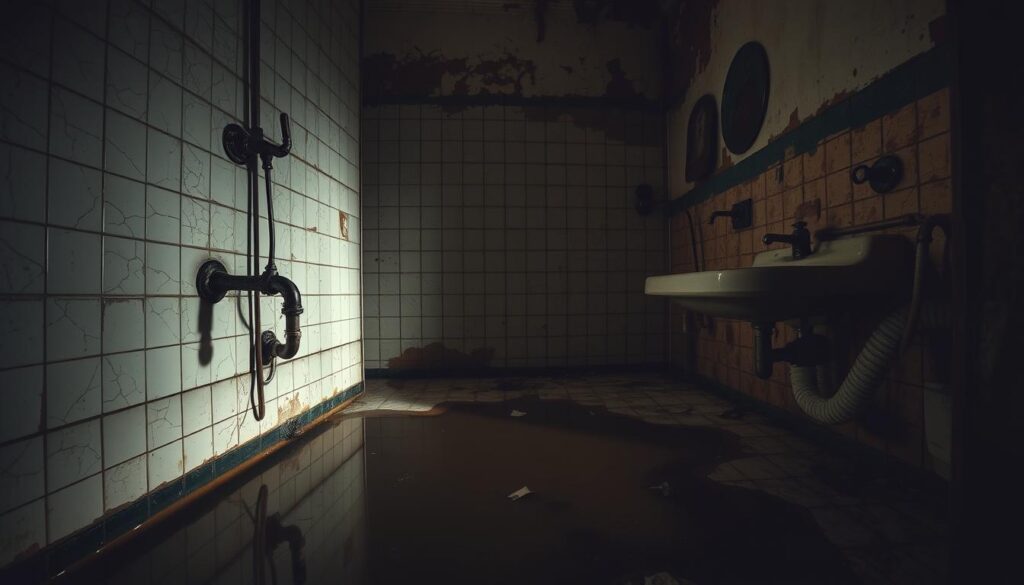
Old plumbing systems can cause big problems. Spotting these issues early can save you a lot of money. It also prevents serious damage.
Corrosion and Water Quality Concerns
Pipe corrosion can make your water unsafe. Pipes made from lead or galvanized steel can leak harmful substances. This can lead to:
- Metallic-tasting water
- Discoloration of water
- Potential health risks from metal exposure
Structural Damage
Leaks in old plumbing can damage your home’s foundation. Water can cause:
- Wood rot in structural supports
- Mold growth
- Compromised building integrity
- Expensive renovation requirements
Health and Safety Concerns
Old plumbing systems also pose health risks. Bacterial growth, pipe material degradation, and water contamination can be dangerous. They need quick professional help.
Regular inspections and proactive maintenance are your best defense against the hidden dangers of aging plumbing infrastructure.
Modern Plumbing Solutions and Alternatives
When looking at plumbing to avoid in a home, knowing about modern pipe solutions is key. Plumbing has changed a lot, giving homeowners better and more efficient options than old materials.
Choosing between Pex and copper pipes is a big decision for your home’s plumbing. Each has its own benefits for your water system:
- PEX (Cross-linked Polyethylene):
- Flexible installation
- Freeze-resistant
- Lower cost
- Easy to manipulate
- Copper Pipes:
- Durable
- Natural antimicrobial properties
- Long-lasting performance
- Resistant to corrosion
Your choice depends on your home’s needs, budget, and local rules. A professional plumber can guide you through these choices.
| Pipe Material | Lifespan | Cost | Installation Difficulty |
|---|---|---|---|
| PEX | 40-50 years | Lower | Easy |
| Copper | 50-70 years | Higher | Moderate |
Choosing the right plumbing material can save you a lot of money and avoid repair problems later.
Professional Inspection and Assessment Guidelines
Keeping your home’s plumbing safe is key. Knowing when to call a pro can avoid big repair costs and health risks from bad pipe materials.
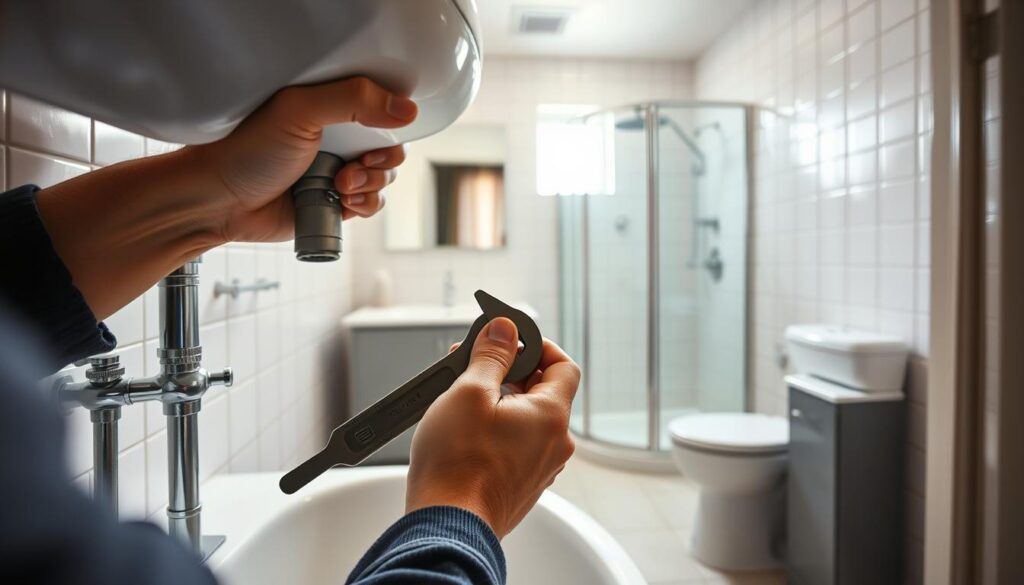
Spotting plumbing problems early can stop big damage. A skilled plumber uses special tools and knows-how to find hidden issues. These might be hard to see without their help.
When to Call an Expert
- Before buying a new home
- If your house is over 25 years old
- After dealing with constant drainage issues
- When you see water that’s not clear or strange smells
- If you think the pipes might be wearing down
Cost Considerations
Getting a plumbing check might seem pricey, but it’s worth it. These inspections cost between $200 and $500. This is a small price compared to what fixing hidden problems can cost.
“An ounce of prevention is worth a pound of cure” – this is true for your home’s plumbing too.
Professional checks include detailed looks at:
- Pipe condition
- Water pressure
- Possible leaks
- How well the drainage system works
- The whole system’s health
Getting a pro to inspect your plumbing gives you peace of mind. They can spot risks, suggest improvements, and help plan for upkeep.
Preventive Measures and Maintenance Tips
Keeping your home’s plumbing system in good shape needs regular care. Knowing the signs of plumbing trouble can help avoid expensive fixes and water damage. Regular checks help spot problems before they get worse.
Make a detailed maintenance plan that includes:
- Weekly leak checks under sinks and around appliances
- Monthly drain cleaning with baking soda and vinegar
- Checking water pressure to avoid pipe damage
- Cleaning faucet aerators for better water flow
Understanding warning signs is vital for your plumbing’s health. Look out for these important signs:
- Unusual water color
- Low water pressure that won’t go away
- Moisture or water stains where they shouldn’t be
- Strange noises from your pipes
Don’t skip professional inspections. Get a thorough plumbing check every two years for new systems and once a year for older ones. Preventive maintenance tips suggest detailed inspections to catch issues early.
“An ounce of prevention is worth a pound of cure” – this is true for home plumbing systems.
By following these tips, you can avoid plumbing emergencies and make your water system last longer.
Steps for Upgrading Your Plumbing System
Upgrading your home’s plumbing is a big step. It can make your water better, stop damage, and raise your home’s value. It’s important to plan well and make smart choices.
- Do a full plumbing check of your home
- Look at the state of your current pipes
- Figure out your budget and what you want to replace
- Look into new types of pipes
Selecting the Right Materials
When choosing between PEX and copper pipes, think about a few things. PEX is flexible and cheaper to install. Copper lasts longer and is more durable.
| Pipe Material | Cost | Durability | Installation Complexity |
|---|---|---|---|
| PEX | Low | 15-25 years | Easy |
| Copper | High | 50+ years | Complex |
Implementation Strategy
Plan your upgrade carefully. This includes getting expert advice, getting the right permits, and replacing pipes step by step. Good planning helps avoid problems and makes the upgrade go smoothly.
- Get a pro to assess your plumbing
- Pick the right pipes for your needs
- Plan out the replacement step by step
- Check if you need any special permits
- Do a final check to make sure everything works
Professional plumbers can guide you through the upgrade. They ensure it’s done right, protecting your home.
Conclusion
Knowing what plumbing is bad for your house can save you a lot of time and money. Your home’s plumbing is key to its value, safety, and how well it lasts. Spotting risks and bad materials helps you make smart choices for your water system.
When you’re buying a home, it’s important to know which plumbing to avoid. Getting a professional to inspect your home is the best way to find problems early. They can spot old pipes, check for structural issues, and suggest upgrades to protect your investment.
Keeping up with plumbing maintenance is key to avoiding big problems. Regular checks, knowing about material limits, and staying ahead of issues keep your water system safe and efficient. By understanding plumbing, you can make choices that keep your home safe and your family healthy.
Investing in good plumbing materials and expert advice is cheaper than fixing big water damage or health issues. By using the tips from this guide, you can handle your home’s plumbing needs well. This way, you can have a reliable and modern water system.