
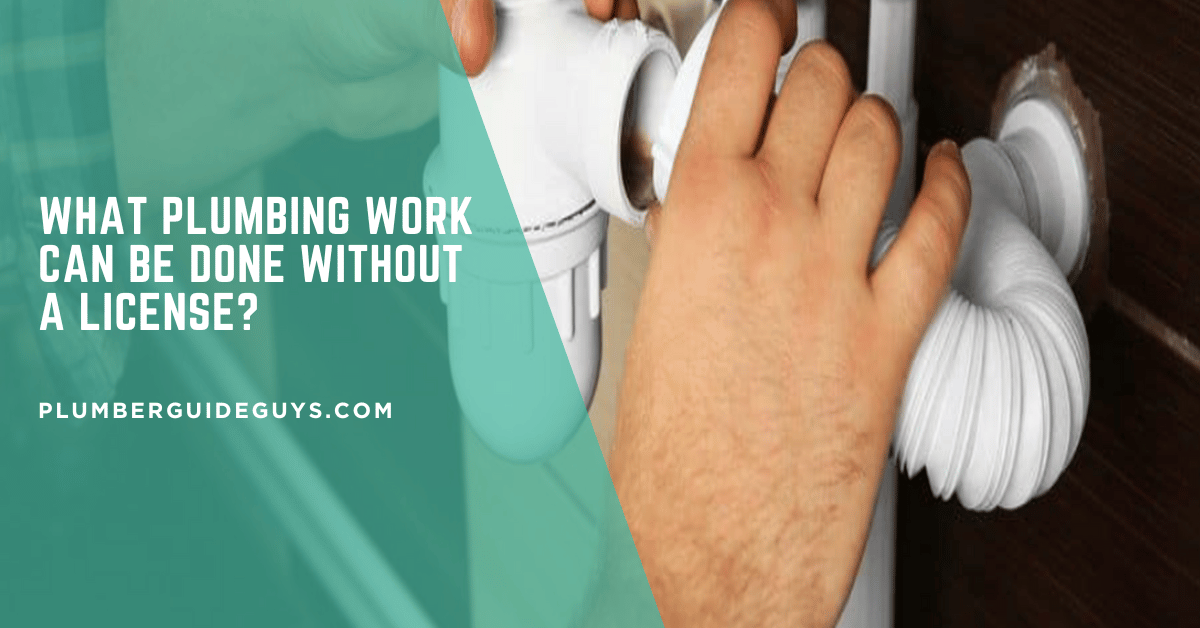
What Plumbing Work Can Be Done Without a License? Ever thought about doing plumbing work yourself? Knowing what you can do without a pro can save cash and teach you new skills.
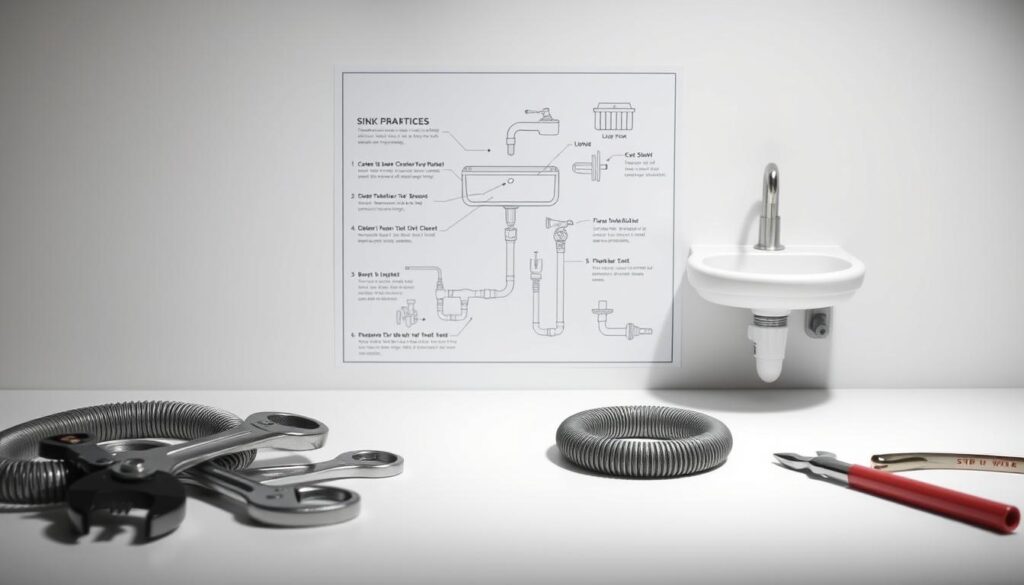
Figuring out what plumbing tasks you can do yourself needs careful thought. It depends on local laws and how skilled you are. Each state has its own rules about what homeowners can do on their own.
In California, for instance, you can do plumbing work worth under $500 by yourself. This rule lets homeowners do simple fixes and upkeep. It also keeps them from facing legal trouble.
Doing plumbing projects yourself can be fulfilling. But, it’s also a big responsibility. Knowing your limits and the local rules is key to safe and legal home repairs.
Key Takeaways
- Understand local regulations before starting any plumbing work
- Recognize the financial thresholds for unlicensed repairs
- Assess your personal skill level before attempting repairs
- Always prioritize safety in home maintenance
- Know when to call a professional plumber
Table of Contents
Understanding Legal Requirements for DIY Plumbing
Plumbing laws can be tricky to understand. If you’re doing plumbing work without a license, you need to know the rules in your area.
Plumbing laws change a lot from place to place. What’s okay in one area might not be in another. Always check the local rules before starting any plumbing job.
State-Specific Regulations and Restrictions
Every state has its own plumbing rules. Some important things to think about include:
- What work can you do without a license?
- What repairs can you do on your own?
- What happens if you do work without permission?
Cost Thresholds for Non-Licensed Work
Most places have a price limit for plumbing work you can do yourself. These limits are usually between $500 and $2,000, depending on where you live.
Permit Requirements vs. License Requirements
“Not all plumbing work requires a license, but most significant changes demand a permit.” – Local Building Code Expert
It’s important to know the difference between permits and licenses. You might be able to do some plumbing work without a permit. But bigger projects often need a permit and a professional to oversee them.
Key differences are:
- Small repairs usually don’t need permits.
- Bigger changes need a professional.
- Changes to the structure of a building must follow strict rules.
Always talk to your local building department before starting any plumbing work. This way, you’ll know you’re following the law and won’t face fines or other problems.
Minor Plumbing Tasks Allowed Without Certification
Homeowners can handle many simple plumbing tasks without needing a professional certification. Knowing which minor plumbing fixes are safe and legal can save you time and money. It also helps keep your home’s plumbing system in good shape.
In most places, you can do basic plumbing repairs without a license. These tasks usually involve simple maintenance and small fixes. They don’t need a lot of technical knowledge.
- Replacing showerheads and faucet aerators
- Unclogging drains using plungers or manual snake tools
- Replacing toilet flush valves and flappers
- Installing new sink strainers
- Fixing minor leaks in visible pipes
Before you start any plumbing project, check the local laws. Some areas have specific rules about what DIY plumbing work is allowed. Always put your safety first and make sure you follow local codes.
“Know your limits and always prioritize safety when attempting minor plumbing fixes.” – Professional Plumbing Association
Even though these tasks might seem easy, it’s important to have the right tools and some basic knowledge of your home’s plumbing. If a repair looks too hard or you’re not sure you can do it, it’s best to call a licensed plumber.
Safety Considerations for Non-Licensed Plumbing Work
Starting on diy plumbing projects needs careful planning and knowing the risks. Without the right knowledge, these tasks can be dangerous. Always put your safety and your home’s plumbing first.
Plumbing might look simple, but there are hidden dangers. It’s important for homeowners to understand these risks before starting DIY projects.
Common Risk Factors
- Water damage from bad pipe connections
- Potential electrical dangers near water
- Risk of contamination in drinking water
- Structural damage from hidden leaks
Essential Safety Equipment
Protecting yourself while working on plumbing requires the right tools:
- Safety goggles to shield eyes from debris
- Waterproof gloves to avoid chemical exposure
- Non-slip work boots
- Protective clothing that covers your skin
When to Call a Professional
Some plumbing tasks are better left to licensed pros. Know your limits to avoid expensive mistakes:
- Major pipe replacements
- Sewer line repairs
- Complex water heater installations
- Work needing special permits
Remember: Your safety is worth more than saving a few dollars on a potentially dangerous repair.
Knowing when to call a pro can save you from big financial and safety risks in plumbing work.
What Plumbing Work Can Be Done Without a License
Knowing what plumbing tasks you can do without a license can save you money. It lets you handle simple maintenance tasks safely. Most of these tasks don’t need a lot of technical skill or special knowledge.
Many plumbing repairs can be done without a license. Here are some tasks you can do yourself:
- Replacing shower heads
- Unclogging drains
- Changing faucet washers
- Repairing minor toilet components
- Replacing sink strainers
When looking at what plumbing work can be done without a license, remember the cost limits. Most places let you do repairs under $500 total.
“Know your limits and prioritize safety when attempting DIY plumbing repairs.”
There are important rules for non-licensed plumbing work. You should not try:
- Gas line modifications
- Main sewer line repairs
- Significant pipe replacements
- Installations affecting health and safety
Remember, while minor repairs are manageable, professional expertise becomes essential for complex plumbing challenges.
Basic Plumbing Maintenance for Homeowners
Keeping your home’s plumbing system in good shape is easy. You don’t need to be a pro. Just knowing a few things and taking care of your plumbing can save you money and keep it working well for years.
Start by understanding your home’s plumbing system. Then, do regular checks. Doing simple plumbing tasks yourself can save money and avoid big problems later.
Routine Inspections: Your First Line of Defense
Regular checks are key to finding problems early. Here’s what to look for each month:
- Check pipes for corrosion or leaks
- Look for water damage or moisture under sinks
- Test water pressure in different places
- Watch for strange smells near drains
Preventative Measures to Protect Your Plumbing
Simple steps can help a lot. Small actions today can prevent expensive repairs tomorrow.
- Use drain strainers to stop clogs
- Don’t pour grease down drains
- Clean showerheads and faucet aerators often
- Insulate pipes in cold spots to avoid freezing
Seasonal Maintenance Tasks
Each season brings its own plumbing challenges. Adjusting your maintenance can help you stay ahead.
- Winter: Keep pipes from freezing
- Spring: Look for winter damage
- Summer: Check outdoor plumbing
- Fall: Get ready for cold weather
While DIY projects are helpful, know your limits. For complex issues, it’s best to call a pro. They ensure your plumbing is fixed right and safely.
Emergency Repairs vs. Licensed Work
When a plumbing emergency hits, knowing what repairs you can do legally is key. Most homeowners can act fast in these situations without needing a license.
Emergency plumbing issues often need quick fixes that don’t need a licensed plumber. Your main goal is to stop the damage and avoid more problems.
- Shutting off main water supply
- Temporary leak containment
- Removing standing water
- Preventing immediate structural damage
Legal plumbing without a license usually means short-term fixes. Remember, these are not permanent repairs. You’ll need a pro to check on the issue after you’ve fixed the immediate problem.
“Quick action can prevent catastrophic water damage, but always plan for professional follow-up.” – Professional Plumbing Association
For emergency plumbing, know where your water shut-off valve is. Have basic tools ready. Also, know when you need a pro. Some places let homeowners do temporary fixes, but for lasting solutions, you need a licensed plumber.
Always check local laws on non-licensed plumbing repairs. Each area has its own rules about what homeowners can do in emergencies.
Understanding Insurance Coverage for DIY Plumbing
DIY plumbing work can lead to unexpected insurance issues. Tackling plumbing without a permit might risk your home insurance. Insurance companies check DIY repairs to see if they’re covered.
Liability Considerations
Your insurance policy might have rules for DIY plumbing. Insurers often need professional proof for big repairs. Unauthorized plumbing can:
- Void parts of your insurance
- Lower claim payouts
- Make you more financially at risk
Coverage Limitations
Insurance companies use public records and permits to check claims. Critical plumbing repairs need professional certification. DIY work might:
- Partially deny your claim
- Need expensive professional checks
- Make future premiums higher
Always check your insurance policy and get professional advice before big plumbing jobs. Keeping your home safe means thinking about insurance risks.
Tools and Equipment for Non-Licensed Plumbing Tasks
Working on diy plumbing projects needs the right tools. Homeowners tackling simple tasks or minor repairs benefit from the right equipment. It saves time and money.
Every DIY plumber should have a basic toolkit. It includes:
- Adjustable pipe wrench
- Plunger
- Plumber’s tape (Teflon tape)
- Drain snake
- Hacksaw
- Bucket
- Channel lock pliers
For more complex tasks, consider specialized tools. These include:
- Basin wrench for hard-to-reach sink connections
- Pipe cutter for clean, precise cuts
- Torch for soldering copper pipes
- Plumber’s level to ensure proper pipe alignment
Always prioritize safety. Wear gloves, safety glasses, and have good lighting. While many tasks are DIY, complex repairs need professionals.
Pro Tip: Always research local regulations before starting any diy plumbing projects to ensure you’re compliant with local building codes.
Common Myths About Non-Licensed Plumbing Work
Plumbing myths can lead homeowners into dangerous legal and safety territories. It’s important to know what plumbing work can be done without a license. This helps avoid hazards and legal issues.
Legal Misconceptions Explained
Many homeowners think they can do any plumbing work without a license. This belief is dangerous. Legal plumbing without certification has strict rules:
- Not all home repairs are legally permissible
- Low-cost projects don’t automatically mean DIY is allowed
- State regulations vary significantly
Safety Myths Demystified
Some common safety myths about non-licensed plumbing work can risk your property and safety. Homeowners often don’t realize how complex plumbing systems are.
“DIY plumbing might save money short-term, but can cost thousands in possible damage.” – Professional Plumbing Association
Key safety myths include:
- Believing all minor repairs are simple and risk-free
- Assuming YouTube tutorials replace professional expertise
- Thinking modern fixtures make plumbing work easier
Always check local building codes and professional guidelines before trying any plumbing work without proper certification.
Financial Implications of DIY vs. Licensed Plumbing
Starting with DIY plumbing might look like a smart money move. But, the real picture is more detailed. Saving money upfront can turn into big costs later on.
Think about the risks of DIY plumbing. Many homeowners don’t realize how complex plumbing systems are. This can lead to costly fixes that are way more than what you saved.
| Repair Type | DIY Cost | Professional Cost | Potential Additional Damage |
|---|---|---|---|
| Pipe Repair | $50-$100 | $200-$500 | Up to $2,000 |
| Toilet Installation | $100-$200 | $300-$700 | Up to $5,000 |
| Leak Repair | $30-$80 | $150-$350 | Up to $3,500 |
Studies show homes with professional plumbing work can be worth up to 10% more. Your DIY efforts could lower your home’s value. Insurance companies also have issues with non-licensed work, making claims harder.
- Potential hidden costs of DIY plumbing
- Risk of structural damage
- Decreased home value
- Insurance claim challenges
Before you start on DIY plumbing, think about your skills and the job’s complexity. Also, consider the long-term costs. Sometimes, hiring a licensed pro is the smarter choice to save money and stress.
Working with Property Management and HOAs
Dealing with plumbing rules in a managed property can be tough. Property management and Homeowners Associations (HOAs) have strict rules. These rules are often more strict than local laws. It’s key to know these rules to avoid trouble or fines.
Any plumbing work in a managed area needs special steps. These steps help keep the property and its residents safe.
Communication Protocols
Before starting plumbing work, do these things:
- Check your HOA’s maintenance rules
- Write up a detailed project plan
- Get approval from the property management board
- Show proof of any licensed contractor work
Documentation Requirements
| Document Type | Purpose | Submission Deadline |
|---|---|---|
| Project Scope | Detailed description of planned work | 30 days prior to start |
| Contractor Credentials | Proof of licensing and insurance | 14 days prior to start |
| Repair Permits | Official municipal documentation | Before project commencement |
Some HOAs might ask for extra inspections after your plumbing work. Keeping good communication is key. This helps follow rules and avoids fines or legal problems.
Conclusion
Knowing what plumbing work you can do without a license is key for homeowners. Your knowledge of local laws and your skills will guide what DIY projects you can do. Always keep safety and legal rules in mind when fixing your home.
DIY plumbing needs research, the right tools, and knowing your limits. While you can handle simple fixes, complex problems need a pro. Knowing when to call a licensed plumber can prevent big mistakes and dangers.
Every plumbing job has its own challenges. By knowing local building codes and understanding your limits, you can tackle home maintenance with confidence. Learning the right techniques is as important as the repair itself.
Your main goal is to protect your home and keep it safe. Whether you fix things yourself or hire a pro, being informed and careful is best. This approach will help you in the long run.