

Affiliate Disclosure
Plumber Guide Guys is a participant in the Amazon Services LLC Associates Program, an affiliate advertising program designed to provide a means for sites to earn advertising fees by advertising and linking to Amazon.
What Plumbing Pipes Are Bad for Your Home? Did you know that the pipes behind your walls could harm your family’s health and your home’s value? Homes built before the mid-1990s might have dangerous plumbing materials. These can be risks you might not even know about.
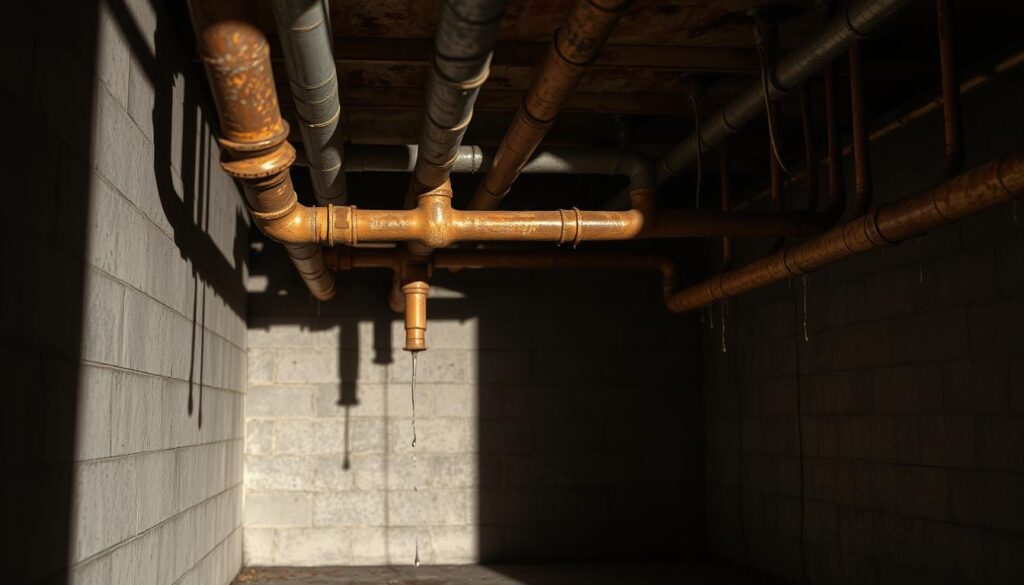
Knowing which plumbing pipes are bad is key for homeowners. Some older pipes can cause health problems, damage your home, and lead to high repair costs. This includes lead pipes and corroding metal systems.
Using the wrong plumbing pipes can lead to contaminated water, lower property value, and health issues. Knowing these risks is the first step to protect your home.
Key Takeaways
- Older homes may contain hazardous plumbing materials
- Lead pipes in plumbing pose serious health risks
- Some pipe materials can contaminate drinking water
- Regular pipe inspections are vital for home maintenance
- Pipe replacement can improve home safety and value
Table of Contents
Understanding the Dangers of Outdated Plumbing Materials
Your home’s plumbing system is vital and can hide big problems. Old pipes can be a big risk that many overlook. They can harm your home’s value and your family’s health.
Common Age-Related Plumbing Issues
As pipes get older, corrosion becomes a big worry. Galvanized steel pipes face several major issues:
- Mineral buildup that slows down water flow
- Higher chance of leaks and pipe breaks
- Lower water pressure in your home
- Possible contamination of drinking water
Health and Safety Concerns
Old plumbing can be very dangerous. Corroded pipes can leak harmful metals and sediments into your water. This can put your family at risk of serious health problems. Galvanized steel pipes can leak lead and zinc, causing long-term health issues.
Impact on Home Value
Old plumbing can drop your home’s value a lot. Buyers often want plumbing checks. If they find a lot of corrosion, it can lead to big price talks or even stop a sale.
Keeping your plumbing up to date and replacing old pipes is key. It protects your home and your family’s health.
Lead Pipes: A Serious Health Hazard in Older Homes
Lead pipes can harm your home’s water quality and your family’s health. Homes built before the 1980s are at high risk. It’s important to know the dangers in your plumbing.
Signs of Lead Pipe Contamination
Finding lead pipes can be hard, but there are signs. Lead pipes are dull gray and can be scratched with a key. Water quality testing is the best way to find lead.
- Dull gray coloration of pipes
- Soft metal that scratches easily
- Older homes built before 1980
- Unusual metallic taste in water
Effects on Children’s Health
Lead pipes are very dangerous for kids. The CDC warns that no safe blood lead level exists for children. Exposure can lead to serious problems like:
- Learning disabilities
- Behavioral problems
- Reduced cognitive function
- Potential brain and nervous system damage
Testing for Lead in Water Supply
Replacing old pipes is key if you suspect lead. Professional water testing can tell you if your water is safe.
| Lead Level | Risk Category | Recommended Action |
|---|---|---|
| 0-5 ppb | Low Risk | Monitor periodically |
| 5-15 ppb | Moderate Risk | Consider pipe replacement |
| 15+ ppb | High Risk | Immediate pipe replacement |
Keeping your family safe means taking action. Regular testing and replacing pipes can prevent long-term health risks from lead.
What Plumbing Pipes Are Bad: A Comprehensive Guide
Knowing which plumbing pipes are bad is key to keeping your home safe and healthy. Different materials can lead to water contamination, damage, and high repair costs.
It’s important to check your home’s pipes for types that can harm your water quality and home. Some materials are more likely to fail and pose health risks.
- Polybutylene pipes: These synthetic plastic pipes were used from 1978 to 1995 but often fail
- Galvanized steel pipes that corrode and limit water flow
- Lead pipes that are dangerous to health
- Cast iron pipes that can deteriorate from the inside
Polybutylene pipes are a big concern. They were seen as a cheap copper alternative but are now unreliable. They crack easily, causing water damage and costly fixes.
Your plumbing system is vital and needs your attention. Replacing bad pipes can prevent water damage, health issues, and save you money in the long run.
Polybutylene Pipes and Their Widespread Failure
If your home was built between 1975 and 1996, you might have a plumbing problem. Polybutylene pipes were used in about 10 million U.S. homes. They were cheaper than copper pipes but failed a lot.
Polybutylene pipes fail because they don’t handle chlorine well. This makes them brittle and weak. They can crack and leak, causing water damage.
Why Polybutylene Pipes Deteriorate
Polybutylene pipes fail because of chlorine in water. This reaction weakens them. Homeowners might not see problems until it’s too late.
- Pipes become fragile with age
- Chemical reactions weaken walls
- There’s a high risk of pipe rupture
Insurance Coverage Issues
Insurance companies know about polybutylene pipe risks. They might:
- Not cover homes with these pipes
- Charge more for insurance
- Require pipe replacement before insuring
Replacement Options
If you think you have polybutylene pipes, get them checked. Copper, PEX, or CPVC pipes are better. Replacing them is expensive but stops water damage.
Replacing pipes early is better than fixing water damage later.
Galvanized Steel Pipes: The Hidden Corrosion Problem
Galvanized steel pipes were a common choice for homes built before the 1960s. They seemed strong at first but face serious corrosion issues. This can harm your home’s water quality and structure.
The main problem is the zinc coating on these pipes. It wears off, exposing the iron to rust and mineral buildup. Homeowners face several issues with these pipes:
- Reduced water pressure
- Rusty or discolored water
- Potential lead contamination
- Increased risk of pipe leaks
Spotting these pipes needs a close look. Look for brownish water, visible rust, and lower water flow. Homes built before 1960 are likely to have these pipes.
“The silent threat of galvanized pipe corrosion can lurk undetected for years, gradually compromising your home’s water system.” – Plumbing Experts Association
Getting a professional to check your pipes is wise. Plumbers often suggest replacing them to avoid future problems.
| Pipe Age | Corrosion Risk | Recommended Action |
|---|---|---|
| 0-20 years | Low | Monitor |
| 20-40 years | Moderate | Inspect regularly |
| 40+ years | High | Replace immediately |
Keeping your home safe means watching for corrosion. Regular checks and quick replacements can prevent expensive damage and health risks from bad pipes.
The Risks of Deteriorating Cast Iron Pipes
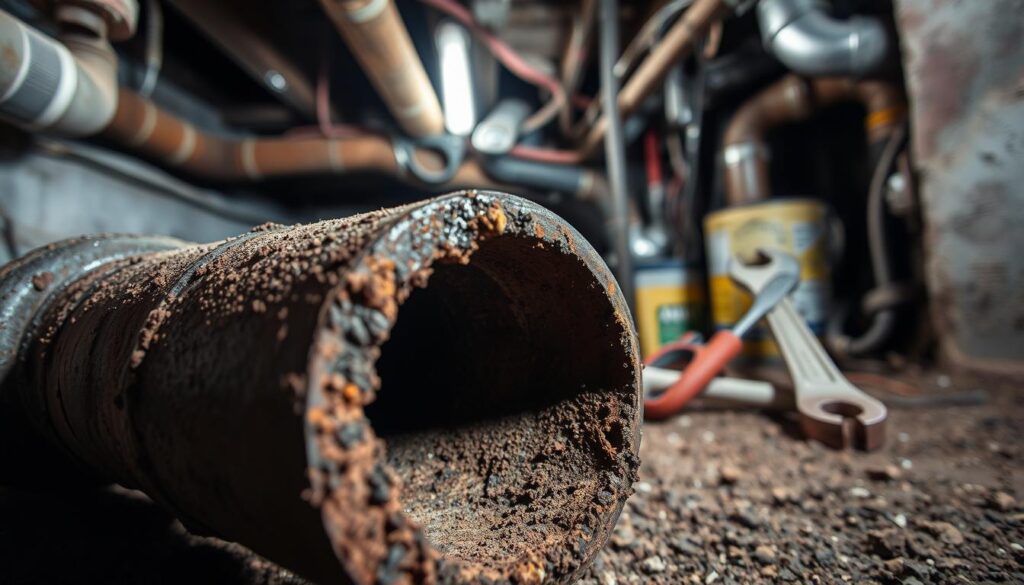
Cast iron pipes were once common in homes but don’t last forever. As they age, they face serious problems that can harm your plumbing. It’s key for homeowners to know the risks to avoid water damage and costly fixes.
Common Failure Points in Cast Iron Pipes
Deteriorating cast iron pipes often have issues in certain spots:
- Underground pipe connections
- Joints and seams
- Areas exposed to constant moisture
- Sections near water heaters or drainage systems
Detection Methods for Pipe Damage
Finding problems early can save you money. Experts suggest several ways to spot when to replace old pipes:
- Video camera pipe inspections
- Pressure testing
- Visual exterior pipe examinations
- Listening for unusual sounds in drainage systems
Replacement Considerations
When deciding to fix or replace cast iron pipes, think about these points:
- Age of the piping system
- Extent of corrosion and damage
- Potential long-term repair costs
- Home’s overall plumbing infrastructure
“Proactive pipe maintenance can prevent catastrophic plumbing failures and save thousands in possible water damage repairs.” – Professional Plumbing Association
By being watchful and knowing the signs of deteriorating cast iron pipes, you can safeguard your home’s plumbing. This way, you can avoid unexpected emergencies.
PVC vs CPVC: Understanding Their Limitations
When looking at what plumbing pipes are bad for your home, it’s key to know the difference between PVC and CPVC pipes. These plastic pipes might look alike, but they have unique traits that affect your plumbing system’s work.
PVC (Polyvinyl Chloride) pipes are often used in homes, but they have some downsides. They can be a problem if not installed right or if they get too hot. If the temperature goes over 140 degrees Fahrenheit, PVC pipes can warp or even crack. This makes them less trustworthy for some jobs.
“Not all plastic pipes are created equal” – Plumbing Industry Experts
CPVC (Chlorinated Polyvinyl Chloride) pipes have some benefits in the pvc vs cpvc pipes debate:
- They can handle higher temperatures
- They resist chemicals better
- They last longer in hot water systems
When picking pipes for your home, think about these important points:
- What temperature does your plumbing need?
- Are there chemicals you need to worry about?
- Where will you be installing the pipes?
Experts say to carefully check your home’s needs before choosing between PVC and CPVC pipes. This ensures your pipes work well for a long time.
Signs Your Home Has Problematic Plumbing Pipes
Keeping your home safe from plumbing disasters starts with knowing the signs of pipe damage. Corrosion in plumbing pipes can quietly harm your property. It’s key to spot it early to avoid expensive fixes and water damage.
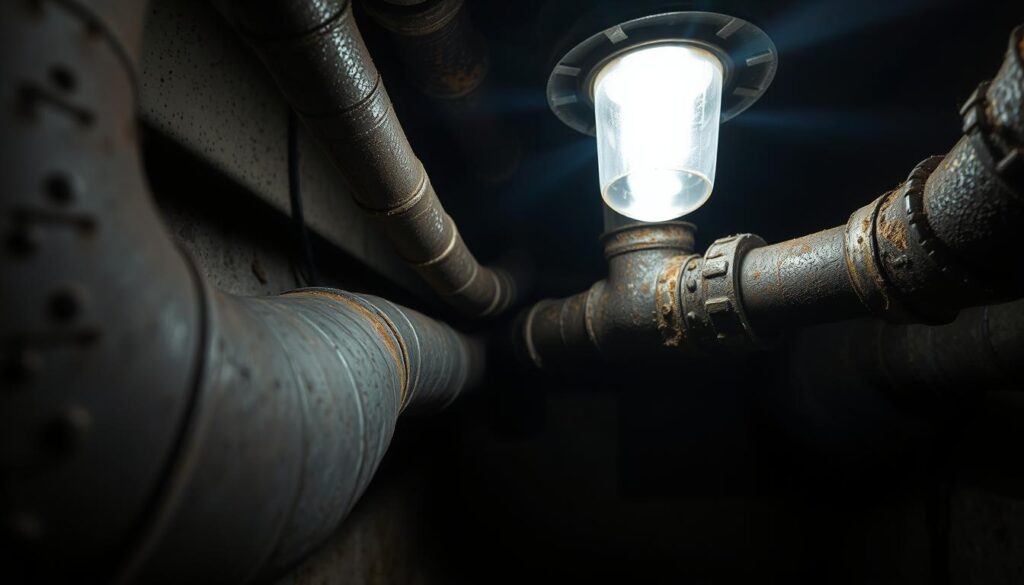
It’s important to know when to replace old pipes. Homeowners should regularly check their pipes for any issues. This way, they can catch problems before they get worse.
Visual Inspection Guidelines
When inspecting your home, look out for these signs of pipe trouble:
- Discoloration or rust around pipe joints
- Visible mineral buildup or scaling
- Water stains on walls or ceilings
- Unexplained moisture or dampness
Warning Signs of Pipe Failure
Here are some signs that your pipes might be failing:
- Rusty or discolored water
- Reduced water pressure
- Frequent leaks or pipe breaks
- Strange metallic taste in drinking water
- Unusual sounds in water pipes
When to Call a Professional
Some problems need a pro’s help. Call a licensed plumber if you see:
- Persistent water leaks
- Significant corrosion on exposed pipes
- Multiple signs of pipe deterioration
- Homes over 50 years old with original plumbing
Regular checks by professionals can help you catch pipe problems early. This way, you can replace old pipes on time. It keeps your home safe and your family healthy.
Modern Alternatives: Safe Plumbing Solutions
Homeowners have many modern pipe options for plumbing upgrades. These alternatives offer better performance and last longer. Knowing the difference between pvc and cpvc pipes helps decide when to replace old pipes.
- Copper Pipes: Known for lasting long and being reliable
- PEX (Cross-Linked Polyethylene) Pipes: Flexible and affordable
Copper pipes are a top choice for plumbing. They resist corrosion, keep water quality high, and can last up to 50 years. PEX pipes have their own benefits, like:
- Easier to install
- Lower costs
- Good against freezing
- Flexible in tight spots
When comparing pvc vs cpvc pipes, PEX often wins in homes. CPVC is good for certain temperatures but can’t match PEX’s flexibility. Knowing when to replace old pipes is key for your home’s plumbing health.
Experts say check your pipes every 20-30 years to keep them working well and avoid water damage.
Stainless steel pipes are another modern option. They resist corrosion well and last long. Your choice depends on your home’s needs, budget, and local rules.
Conclusion
Knowing what plumbing pipes are bad is key to a safe and working home. Your plumbing is a big part of your home’s health and value. Old or bad pipes can cause water damage, health issues, and high repair costs.
Deciding when to replace old pipes is important for homeowners. Getting a professional to check your pipes can spot problems early. Fixing issues with pipes like lead, galvanized steel, and polybutylene can save money and keep your family safe.
Today’s plumbing tech offers safer, better options. Copper, PEX, and modern PVC pipes are strong and reliable. Choosing quality pipes not only keeps your home safe but also boosts its value and ensures clean water.
Your plumbing needs regular care and checks. Get experts to assess your pipes, learn about risks, and be ready to update when needed. This way, you’ll keep your home safe and healthy for many years.