

Affiliate Disclosure
Plumber Guide Guys is a participant in the Amazon Services LLC Associates Program, an affiliate advertising program designed to provide a means for sites to earn advertising fees by advertising and linking to Amazon.
What Is Stoppage in Plumbing? Ever wondered why your pipes stop draining suddenly? It can turn a simple task into a big problem. Knowing about plumbing stoppages can help avoid expensive fixes and save you from headaches.
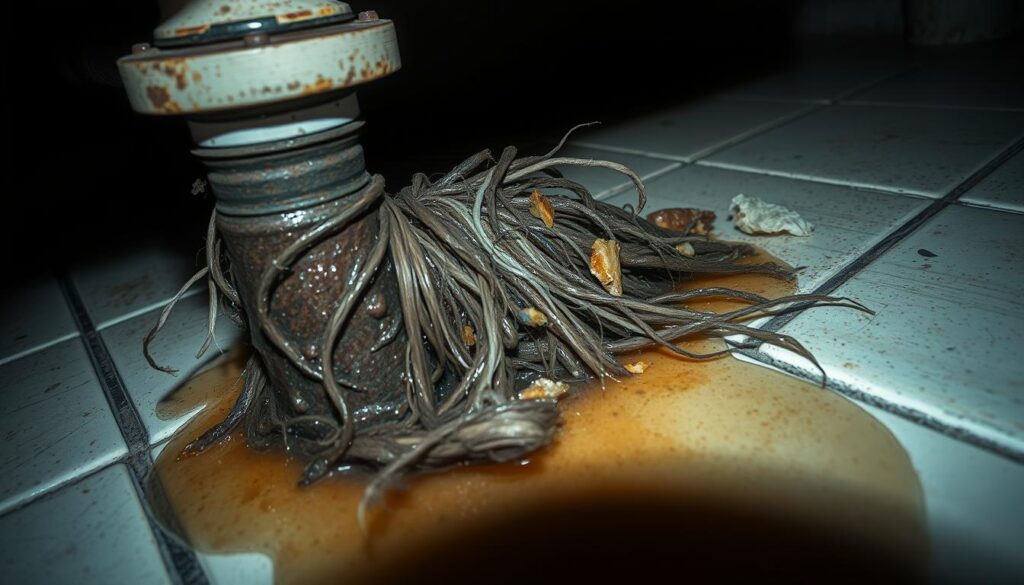
A plumbing blockage happens when something blocks water flow in your pipes. These blockages can be small, like hair clogs, or big, like tree roots getting into your pipes.
Every homeowner faces plumbing blockage issues. Whether it’s a clog in the kitchen sink or a problem with the bathroom drain, these problems can get worse fast if not fixed.
Key Takeaways
- Plumbing stoppages can occur in various parts of your home
- Blockages range from simple debris to complex structural problems
- Early detection prevents expensive repairs
- Different areas of your home require specific maintenance strategies
- Professional intervention might be necessary for severe blockages
Table of Contents
Understanding What Is Stoppage in Plumbing
Plumbing stoppages can really mess up your home’s water system. They cause big problems that are both frustrating and expensive. A sewer line stoppage is a big deal that affects more than just a simple clog.
When you see signs of plumbing blockages, it’s time to act. These stoppages can happen in many places, like:
- Kitchen sink drains
- Bathroom shower and tub lines
- Toilet waste pipes
- Main sewer lines
Knowing about different stoppages helps you stay ahead. Not all blockages are created equal. Some are just a minor hassle, while others can cause serious damage.
| Stoppage Type | Potential Causes | Recommended Action |
|---|---|---|
| Minor Clog | Hair, soap residue, food particles | Basic drain cleaning solutions |
| Moderate Blockage | Grease buildup, foreign objects | Professional drain snake service |
| Severe Stoppage | Tree root invasion, pipe damage | Comprehensive sewer line repair |
Spotting sewer line stoppage signs early can save you a lot. Look out for slow drains, gurgling sounds, or water backing up. By catching these signs, you can fix problems before they get worse.
Signs of Plumbing Blockages
Spotting plumbing blockages early can save you a lot of money and prevent big damage. Your home’s plumbing system sends out warning signs when there’s a problem. By noticing these signs, you can fix a clogged drain and avoid big toilet backup fixes.
Early Warning Indicators
Your plumbing system gives you hints before a big blockage happens. Look out for these early signs:
- Slow drainage in sinks, showers, or bathtubs
- Gurgling sounds from pipes or drains
- Unusual odors coming from drain openings
- Water backing up in unexpected locations
Advanced Warning Signs
If you ignore the early signs, more serious problems will show up. These signs mean you need to act fast to clear a clogged drain:
- Multiple fixtures backing up at once
- Water overflowing from toilets or floor drains
- Visible sewage or standing water in basement areas
- Persistent bubbling in toilet bowls
Pro Tip: Check your sewer clean-out for visible signs of blockage. A professional plumber can help interpret these warning signals and prevent extensive damage to your plumbing system.
Common Materials Causing Blockages
Your home’s plumbing system is at risk from everyday items that can block pipes. Knowing what causes these blockages is key to keeping your pipes clear.
Many household items can harm your pipes. Waste from kitchens and bathrooms is a big problem. Stopping pipe clogs begins with knowing which items are the worst offenders.
- Hair and Soap Scum: These mix to form hard, sticky clumps that catch other stuff
- Food Particles: These are a big issue in kitchen sinks
- Grease and Cooking Oils: They harden in pipes, making tough blockages
- Non-Flushable Hygiene Products: They quickly fill up drainage systems
Bathroom and kitchen drains are most at risk. Items like coffee grounds, potato peels, and eggshells can build up and cause big problems.
To keep your plumbing safe, watch what you put down your drains. Use drain catchers, throw away grease right, and only flush toilet paper. Your pipes will appreciate the extra attention!
Impact of Tree Roots on Plumbing Systems
Tree roots can harm your home’s plumbing. They can cause sewer line stoppages that homeowners often miss until it’s too late. Knowing how roots affect your pipes can help avoid expensive fixes.
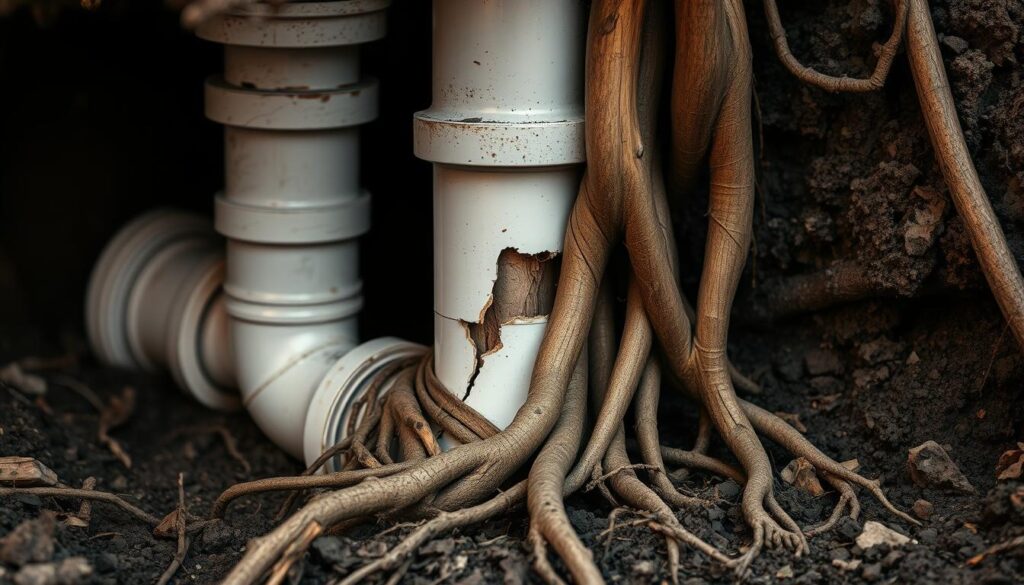
Roots look for water, making your sewer lines a target. They find cracks or loose spots to get in. As they grow, they block your drainage system.
The Root Infiltration Process
The root infiltration process is simple:
- Roots find moisture near pipe joints
- They enter through tiny openings
- They grow and block the pipes
- Debris builds up around the roots
Your plumbing system gets weaker as roots grow. One small crack can turn into a big blockage in months. A pro can spot these problems early.
Roots can put a lot of pressure on pipes, causing serious damage.
It’s important to notice sewer line stoppage signs early. Look for slow drains, gurgling sounds, or wet spots in your yard. These signs mean roots might be getting in before they cause big damage.
Kitchen Drain Stoppage Prevention
To avoid kitchen pipe clogs, adopt smart habits and proactive maintenance. Your kitchen sink deals with many challenges that can cause blockages. Knowing how to protect your plumbing can save you time, money, and headaches.
Effective drain cleaning starts with knowing what not to put down your sink. Some substances can cause big plumbing problems:
- Grease and cooking oils
- Coffee grounds
- Eggshells
- Pasta and rice
- Fibrous vegetable scraps
These items can quickly build up and cause tough blockages. Proper disposal is key to clear drains. Use a sink strainer to catch food before it goes down the drain. Clean this strainer often to stop debris buildup and clogs.
Your garbage disposal also needs care. Always run cold water while using it and don’t overload it. Chop big food items into smaller pieces to avoid clogs.
Pro Tip: Pour boiling water down your drain weekly to help dissolve minor buildup and keep pipes clear.
By following these tips, you can greatly lower the chance of kitchen drain stoppages. This keeps your plumbing system healthy.
Bathroom Plumbing Maintenance
To keep your bathroom plumbing working well, you need to stay ahead of problems. Hair and soap can quickly cause big clogs if not stopped early.
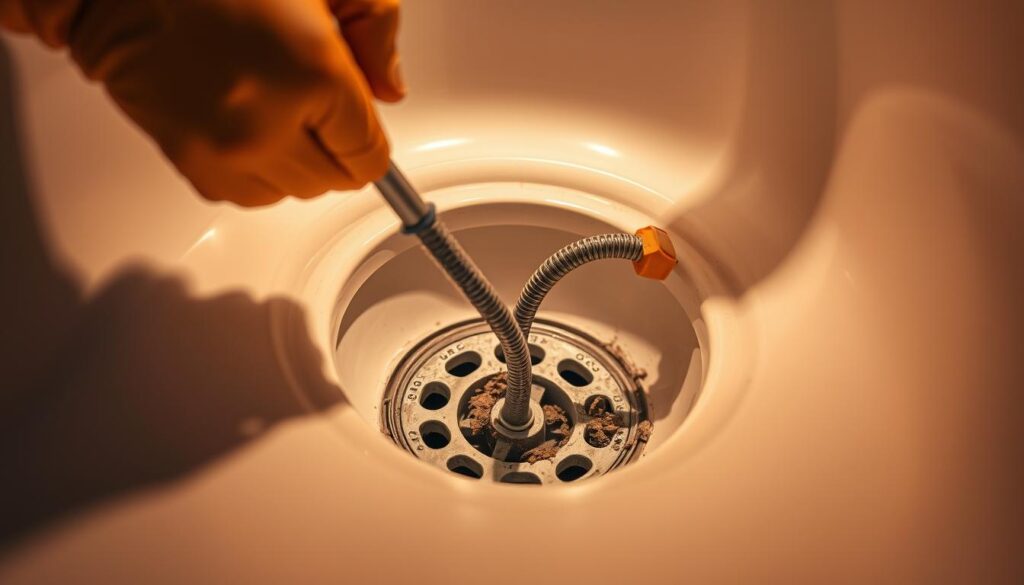
Stopping pipe clogs in your bathroom takes regular effort and smart steps. Knowing how to fix a clogged drain starts with keeping your plumbing safe.
Essential Prevention Strategies
- Install hair catchers in shower and tub drains
- Clean drain stoppers weekly
- Use enzymatic drain cleaners monthly
- Avoid disposing of non-biodegradable items in bathroom sinks
Regular upkeep can greatly lower the chance of clogs in your bathroom. Acting fast is important to stop small problems from becoming big ones.
| Maintenance Action | Frequency | Benefits |
|---|---|---|
| Hair Catcher Cleaning | Weekly | Prevents hair buildup |
| Drain Stopper Inspection | Bi-weekly | Removes possible blockage sources |
| Enzymatic Cleaner Treatment | Monthly | Breaks down organic materials |
By following these steps, you can keep your bathroom plumbing safe and avoid sudden clogs. Regular care is your strongest defense against plumbing problems.
Professional Plumbing Solutions
When your home’s plumbing system faces tough blockages, you need professional help. Stubborn clogs and complex pipe issues need more than just DIY fixes.
Professional plumbers use advanced methods to solve tough drainage problems. Hydro jetting benefits are a key part of this. It uses high-pressure water to clear out:
- Grease buildup
- Mineral deposits
- Stubborn organic materials
- Tree root intrusions
They also use camera inspections to find hidden pipe problems. This way, they can spot issues without causing damage or wasting time.
“Advanced diagnostic tools help us solve plumbing problems quickly and efficiently.” – Master Plumbers Association
Professional plumbers offer complete solutions for your home’s plumbing. They can handle recurring clogs and other issues to prevent expensive damage later on.
Key Professional Services
- Advanced hydro jetting techniques
- Comprehensive pipe inspections
- Specialized blockage removal
- Preventative maintenance recommendations
Choosing professional plumbing services keeps your home’s drainage system working well. It helps avoid big problems down the line.
DIY Solutions for Minor Stoppages
Dealing with minor drain clogs can be frustrating. But, many problems can be solved without a plumber. Learning simple techniques to clear a clogged drain can save you time and money.
When facing a stubborn drain blockage, you have several effective solutions. Start with the least invasive methods and gradually move to more complex techniques.
Plunger Techniques for Effective Unclogging
- Ensure a tight seal around the drain opening
- Use firm, consistent plunging motions
- Repeat 10-15 times for best results
- Check water flow after each attempt
For kitchen and bathroom drains, a mix of baking soda and vinegar works well. This natural solution breaks down organic matter without harsh chemicals.
Homemade Drain Cleaning Mixtures
| Ingredients | Method | Effectiveness |
|---|---|---|
| 1/2 cup baking soda | Pour into drain | Good for light clogs |
| 1 cup white vinegar | Follow baking soda | Breaks down organic matter |
| Hot water | Flush after 15 minutes | Clears remaining debris |
Chemical drain cleaners can be effective but should be used sparingly. They can damage pipes if overused. If DIY methods fail, it’s time to call a professional plumber.
Safety Precautions
- Wear protective gloves
- Avoid mixing different chemical cleaners
- Ventilate the area when using any cleaning solution
- Never force a tool down the drain
Prevention is always better than cure. Regular maintenance and careful waste disposal can help avoid most minor drain stoppages.
When to Call a Professional Plumber
Knowing when to call a professional plumber can prevent expensive repairs and damage. Some signs show that DIY fixes won’t solve the problem.
Here are times when you should call a professional plumber:
- Multiple drains are clogged at once
- Water keeps backing up in sinks or toilets
- You hear strange gurgling sounds from drains
- Foul sewage smells are around your home
- Drains are slow across many fixtures
Professional plumbers use special tools that go beyond what you can do at home. Motorized drain snakes and video inspection tools help them find and fix deep problems fast.
Trying to fix big plumbing issues yourself can cause more harm. Professional plumbers offer solutions that fix the real problem. This stops bigger problems later on.
Getting help early can save you a lot of money on repairs.
Your home’s plumbing is complex and needs expert knowledge. If DIY doesn’t work, count on certified pros to fix your plumbing problems.
Long-term Prevention Strategies
Keeping your home’s plumbing system in good shape is key. It’s all about preventing pipe clogs and keeping drains flowing smoothly. By taking proactive steps, you can avoid costly plumbing problems.
Drain cleaning solutions are vital for your plumbing’s health. A regular maintenance routine keeps you one step ahead of blockages and system failures.
Essential Maintenance Checklist
- Perform monthly drain inspections
- Use enzymatic drain cleaners quarterly
- Install protective drain strainers in key areas
- Conduct annual professional plumbing evaluations
Your maintenance plan should aim to prevent pipe clogs. Simple habits can greatly extend your plumbing system’s life.
“An ounce of prevention is worth a pound of cure” – this is true for home plumbing maintenance.
Key Prevention Techniques
- Hot water flushing: Run hot water through drains weekly
- Avoid disposing of grease and large food particles
- Use drain cleaning solutions designed for preventive care
- Monitor water pressure and address fluctuations
By using these drain cleaning solutions and maintenance practices, you can protect your plumbing. This will prevent unexpected stoppages and costly repairs.
Conclusion
Knowing what stoppage in plumbing means is key to a healthy home. Your plumbing needs regular care to avoid blockages. These can mess up your day and cost a lot to fix.
Blockages come from many things, like waste buildup or roots getting into pipes. Regular checks and knowing the signs early can help a lot. This way, you can stop big problems before they start.
Experts say keeping your plumbing in check is important. This means regular checks, throwing away waste right, and fixing small problems fast. You can handle small issues yourself or call a pro for bigger ones.
Preventing problems is cheaper than fixing them later. Learn about your plumbing, use it wisely, and get help when needed. This keeps your plumbing system running smoothly.