
Affiliate Disclosure
Plumber Guide Guys is a participant in the Amazon Services LLC Associates Program, an affiliate advertising program designed to provide a means for sites to earn advertising fees by advertising and linking to Amazon.
What is Spigot in Plumbing? Ever wondered about the mysterious water connection outside your home? It lets you attach a garden hose or water your lawn. You might have heard of a spigot, but what does it mean in plumbing?
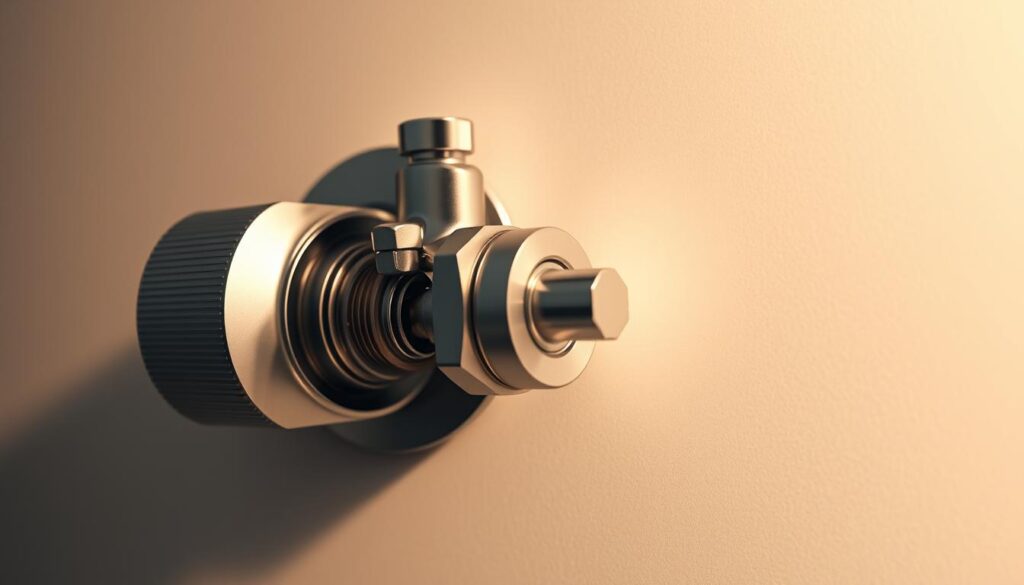
A spigot is a key outdoor water fixture that gives you controlled water access. It’s different from indoor faucets because it lets you connect garden hoses, irrigation systems, or outdoor cleaning gear. The term spigot fitting can mean slightly different things depending on the plumbing use, but it usually refers to a water outlet that’s either unthreaded or threaded.
Looking into what a spigot is in plumbing, you’ll find these handy connections on exterior walls, in gardens, and around homes. Some spigots need adapters for hose connections, while others have direct threading.
Key Takeaways
- Spigots are external water connection points
- Can be threaded or unthreaded
- Used for garden hoses and outdoor water access
- Essential for irrigation and exterior water needs
- Vary in design and connection types
Table of Contents
Understanding Basic Plumbing Terminology: What is Spigot in Plumbing?
Plumbing systems need precise connections for smooth water flow. Knowing the terms helps you manage your home’s water system better. A spigot connection is key for secure and reliable pipe joints.
In plumbing, a spigot is the male end of a pipe or fitting. It fits into another fitting. This connection is vital for watertight seals in piping systems. Spigot and socket connections differ in design and function.
Types of Plumbing Connections
There are many plumbing connections, each with its own purpose:
- Spigot Connections: Male-ended fittings that slide into another component
- Socket Connections: Female-ended fittings that receive the spigot end
- Threaded Connections: Fittings that screw together
- Compression Connections: Sealed using a compression ring
Male vs Female Fittings
Spigot connections involve male and female fittings. The male fitting (spigot) has an outside diameter matching the pipe. The female fitting (socket) has an inside diameter for the male end, making a tight joint.
Common Applications in Residential Plumbing
Spigot connections are used in many home plumbing areas, such as:
- Water supply lines
- Drainage systems
- Outdoor water fixtures
- Irrigation pipelines
Knowing these plumbing basics helps with minor fixes and talking to plumbers.
The Difference Between Spigots and Hose Bibs
Exploring what is spigot in plumbing can be confusing. Many people mix up “spigot” and “hose bib.” But they’re not the same.
A spigot is a general term for outdoor water connections. These fixtures serve many purposes, not just for garden hoses. They come in various styles, making them useful for many homes and businesses.
- Spigots: More versatile water connection points
- Hose Bibs: Specific type of outdoor faucet
Hose bibs are designed for garden hoses. They have a threaded end for easy hose attachment. You’ll find them on home exteriors, used for outdoor water tasks.
| Feature | Spigot | Hose Bib |
|---|---|---|
| Primary Use | Multiple water connections | Garden hose attachment |
| Location | Various outdoor areas | Typically on exterior walls |
| Design Complexity | More varied designs | Standard threaded connection |
Knowing the differences helps you pick the right water access point. While they seem similar, each has its own features. This makes them fit different needs.
Spigot End Fittings: Components and Measurements
Knowing about spigot end pipe fittings is key for plumbing success. These connectors are essential for strong and safe pipe links in many plumbing setups.
Spigot end fittings are made for precise and strong pipe connections. They fit one pipe end into another’s socket, making a tight seal.
Standard Sizing Guidelines
Pipe sizes can be tricky, like with PVC. Makers use a system of sizes that’s not always exact. Here are some important size tips:
- Outer diameter is a bit bigger than the size says
- Nominal sizes are close but not exact
- Getting the exact size is key for a good fit
Material Specifications
Spigot end pipe fittings are made from different materials, each with its own traits:
| Material | Durability | Cost | Best Use |
|---|---|---|---|
| PVC | High | Low | Indoor plumbing |
| Copper | Very High | Medium | Water supply lines |
| Galvanized Steel | Medium | Low | Outdoor applications |
Compatibility Requirements
Choosing the right spigot end fitting is all about your plumbing system. It’s about matching the pipe material, size, and use.
- Make sure the pipe materials match
- Check the size fits right
- Think about the environment it’s in
- Look at professional advice
Success in plumbing comes from knowing these key parts and what they need.
Understanding Spigot Connections in PVC Piping
Spigot connections are key in PVC piping systems. They are important for plumbing projects. Knowing about spigot connections can save time and avoid problems.
In PVC piping, a spigot connection is the plain end of a pipe or fitting. It fits inside another pipe’s socket. This connection is made through a special welding process. It makes the connection strong and leak-free.
- Spigot ends are designed to slide smoothly into socket openings
- Solvent welding creates a permanent, strong connection
- Ideal for both residential and commercial plumbing applications
The solvent welding process involves several key steps:
- Cleaning the pipe surfaces thoroughly
- Applying primer to prepare the connection
- Using specialized solvent cement to create a permanent bond
| Connection Type | Strength | Ease of Installation |
|---|---|---|
| Spigot Socket Connection | High | Medium |
| Threaded Connection | Low | High |
| Compression Fitting | Medium | High |
Professional plumbers like spigot connections in PVC pipes. They offer a seamless and reliable method of joining pipes. This tight seal prevents leaks and ensures long-lasting performance in various plumbing installations.
Outdoor Water Spigot Installation Guide
Installing an outdoor water spigot can be tough but rewarding. While pros are best for tricky jobs, knowing the basics helps you decide on your outdoor water spigot installation.
Essential Tools and Materials
Before starting, get these key supplies:
- Adjustable wrench
- Pipe tape
- PEX or copper piping
- Frost-free spigot
- Drill with masonry bit
- Silicone caulk
Step-by-Step Installation Process
Here’s how to use a spigot valve:
- Find the interior shut-off valve for the outdoor water line
- Drill a precise hole through the exterior wall
- Install the mounting flange and seal with silicone
- Connect the pipe using the right fittings
- Test the connection for leaks
Safety Considerations
Caution is key during outdoor water spigot installation. Always wear protective gear. Work carefully around existing plumbing. Make sure to insulate properly to avoid freezing. If you’re unsure or face complex pipes, get a licensed plumber.
“Proper installation prevents future water damage and ensures reliable outdoor water access.”
Maintenance and Care of Plumbing Spigots
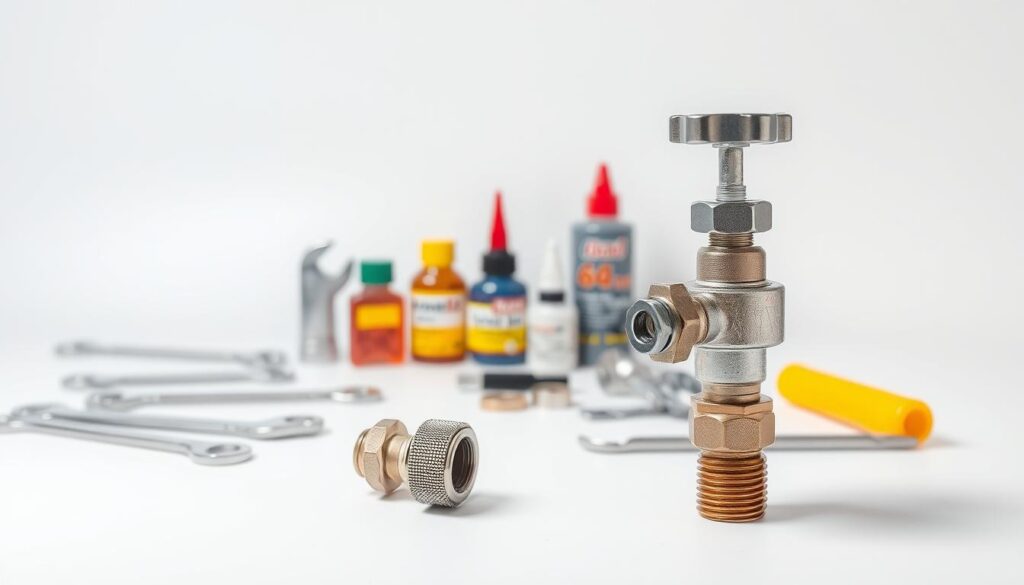
Keeping your plumbing spigot in good shape is key to avoiding expensive fixes. Spigots and hose bibs can last a decade or more with regular care.
Here are some important tips for using a spigot valve right:
- Check the spigot often for wear or damage
- Clean the valve and area around it to stop debris buildup
- Use lubricant on moving parts for smooth action
- Look for leaks or drips that might show bigger problems
Preventive care is the first step in plumbing spigot repair. Seasonal maintenance is very important to keep your outdoor water connections safe. In winter, take steps to avoid freeze damage by:
- Removing garden hoses
- Using frost-free spigot covers
- Draining water from outdoor pipes
- Insulating any exposed pipes
Knowing how to maintain your spigot valve can save you a lot of time and money. By following these easy care tips, you’ll make your plumbing last longer and avoid sudden repairs.
Common Spigot Problems and Troubleshooting
Plumbing spigots can face many issues that need quick action. Knowing what a spigot is and how to fix common problems can save you money and time. This avoids expensive repairs.
Homeowners often face specific problems with outdoor water connections. It’s important to spot damage early to avoid bigger plumbing spigot repair needs.
Identifying Leaks and Drips
Leaks around your spigot can point to several issues:
- Worn washers or seals
- Damaged valve stems
- Loose connection points
- Corrosion in metal components
Preventing Freeze Damage
Winter can be tough on outdoor spigots. Here are ways to protect your plumbing:
- Install frost-free spigot models
- Use insulated covers during cold months
- Disconnect garden hoses before freezing weather
- Drain water from exterior pipes
Essential Repair Techniques
Here are practical steps for fixing spigot issues:
- Turn off water supply before starting repairs
- Replace damaged washers and O-rings
- Apply pipe thread tape on connections
- Check for smooth valve operation
Pro tip: If you’re not sure about complex plumbing spigot repair, get a professional plumber. This can prevent water damage.
Choosing the Right Spigot for Your Plumbing Needs
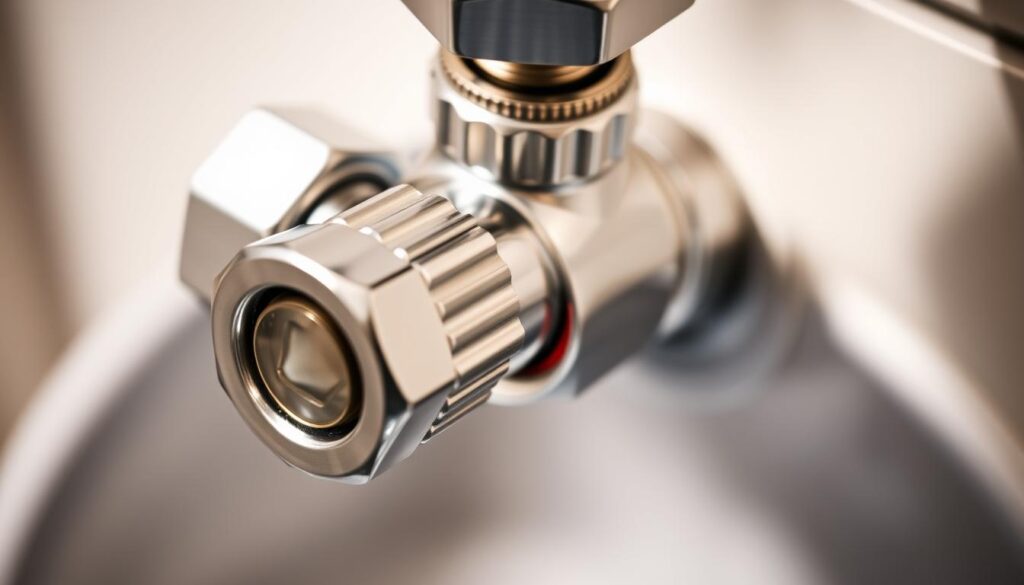
Choosing the right spigot is important. You need to think about what you need for your plumbing. This will help you pick the best spigot for your home or outdoor area.
When looking at spigot options, consider these key points:
- Material durability
- Climate resistance
- Intended usage
- Compatibility with existing plumbing systems
Brass is the top choice for spigot fittings. It’s durable and can handle different temperatures well. Brass is often seen as the best material for spigot fittings.
Here are some material options for your spigot:
- Brass: Best for long-term performance
- Stainless Steel: Corrosion-resistant
- Copper: Good for specific applications
- Plastic: Budget-friendly alternative
Your local climate is also important. In cold areas, you need spigots that won’t freeze. In humid places, look for ones that resist corrosion.
Pro tip: Always match your spigot to your specific environmental and functional requirements.
Before you decide, talk to a professional plumber. They can give you advice based on your plumbing setup.
Professional Installation vs DIY: What You Need to Know
Choosing between hiring a pro or doing it yourself for an outdoor water spigot can be tough. Your home’s plumbing system needs careful thought when making changes or replacements.
Professional plumbers are key for complex outdoor water spigot installations. They ensure correct connections, avoid water damage, and make sure your spigot valve works well for years.
- Professional installation meets code standards
- Experts know how to handle complex plumbing
- They lower the risk of water damage later on
DIY might save money upfront, but it’s risky. Using a spigot valve wrong can cause leaks, damage, and costly fixes.
| DIY Installation | Professional Installation |
|---|---|
| Lower upfront costs | Comprehensive warranty |
| Personal learning experience | Guaranteed quality workmanship |
| Potential for mistakes | Precise technical expertise |
For tricky jobs with underground pipes or complex plumbing, get a pro. They can spot problems early, saving you money and avoiding big water damage.
When in doubt, consult a licensed plumbing professional to ensure safe and effective outdoor water spigot installation.
Conclusion
Learning about spigot in plumbing can change how you handle home upkeep and water system setups. Spigot end pipe fittings are key in linking plumbing parts. They make sure water moves well and efficiently in your home.
Knowing about spigot types, how to install them, and upkeep tips helps you make smart choices for your home’s water system. Whether you’re doing it yourself or hiring a pro, knowing about spigot connections can save you time and money. It also helps avoid water problems.
By choosing the right spigots, installing them correctly, and keeping them in good shape, you’ll make your plumbing last longer and work better. Remember, every part is important. Spending time to learn about these connections will help protect your home’s water system.
With knowledge about spigot functions, what materials work best, and how to fix them, you’re ready to face plumbing issues head-on. Your effort to understand spigot mechanics will help keep your water system reliable and efficient.