

Affiliate Disclosure
Plumber Guide Guys is a participant in the Amazon Services LLC Associates Program, an affiliate advertising program designed to provide a means for sites to earn advertising fees by advertising and linking to Amazon.
What is Plumbing Backflow? Ever thought about what might be in your water pipes when pressure changes? Knowing about plumbing backflow could mean the difference between safe water and a health risk for your family.
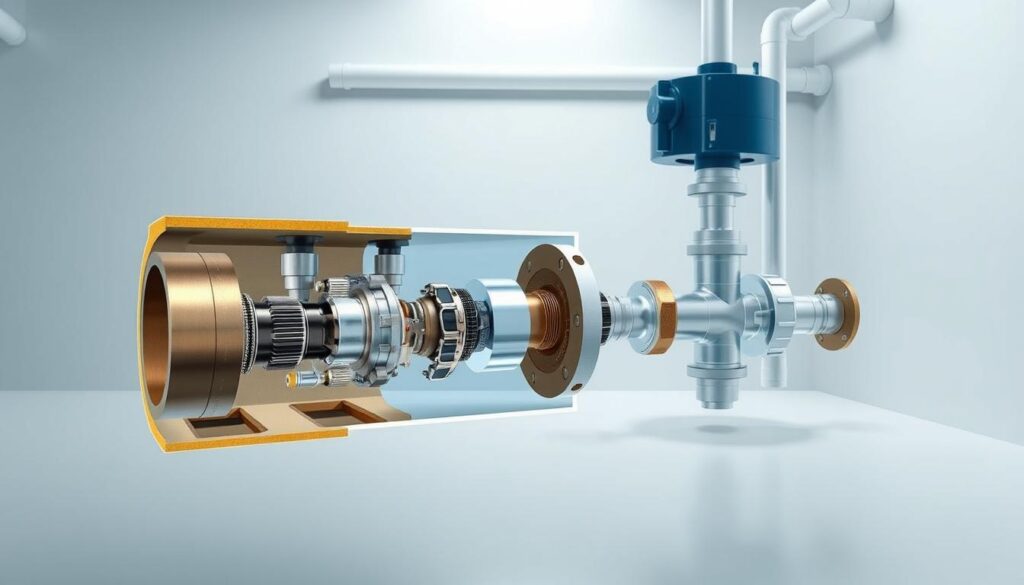
Water backflow hazards are a big risk in homes and businesses. When water pressure drops or goes the wrong way, dirty water can get back into your clean water. This can make your drinking water unsafe.
It’s important to know about backflow to keep your water safe. A guide from Working Pressure Magazine can teach you how to avoid water contamination risks.
Key Takeaways
- Backflow can introduce harmful contaminants into drinking water
- Pressure changes cause unexpected water flow reversals
- Regular plumbing maintenance prevents backflow incidents
- Professional inspection helps detect possible backflow risks
- Understanding water system dynamics protects household health
Table of Contents
Understanding What is Plumbing Backflow
Plumbing backflow is a big problem for your home’s water safety. It happens when water flows the wrong way. This can lead to health risks and plumbing issues you should know about.
So, what is plumbing backflow? It’s when contaminated water can get into your clean water supply. This happens because of unexpected changes in water pressure.
Definition and Basic Principles
Backflow occurs in two main ways:
- Back-siphonage: This happens when a vacuum forms in your pipes.
- Backpressure: It occurs when the pressure downstream is higher than the pressure upstream.
How Backflow Occurs in Plumbing Systems
There are several reasons why backflow happens:
- Sudden water main breaks
- Fire hydrant usage
- Significant pressure drops in municipal water systems
Impact on Water Quality and Safety
Backflow can bring harmful contaminants into your drinking water. This includes chemicals, bacteria, and other dangerous substances. It’s important to understand these risks and take steps to prevent them.
Preventing backflow isn’t just about maintaining pipes—it’s about safeguarding your family’s health.
Types of Plumbing Backflow Events
It’s important to know about different plumbing backflow events to keep your water safe. Backflow hazards can harm your plumbing and health.
Plumbers find two main types of backflow events that can harm your water system:
- Backpressure Backflow: Happens when the pressure in downstream pipes is higher than upstream.
- Backsiphonage Backflow: Occurs when there’s negative pressure in the water system.
Backpressure backflow is caused by mechanical pumps or thermal expansion. It makes the pressure in downstream pipes higher. This can push contaminated water back into your system.
Backsiphonage backflow is a different issue. It happens when water pressure drops suddenly. This creates a vacuum that can pull contaminated water into clean water lines.
| Backflow Type | Typical Causes | Potential Risks |
|---|---|---|
| Backpressure Backflow | Mechanical pumps, thermal expansion | Cross-contamination from pressurized systems |
| Backsiphonage Backflow | Sudden pressure drops, water main breaks | Contamination from external sources |
To protect your water system, you need to understand plumbing backflow prevention devices. They play a key role in keeping your water clean. Professional plumbers can help you find and fix water backflow hazards before they get worse.
Common Causes of Plumbing Backflow
It’s important to know why plumbing backflow happens. Backflow can make your water unsafe and risk your health. It’s key to keep your water system safe.
Controlling cross connections is vital. It helps stop contamination. Let’s look at the main reasons for plumbing backflow.
Pressure Changes in Water Systems
Changes in water pressure can cause backflow. These changes might happen because of:
- Water main breaks
- Firefighting activities
- Rapid water demand shifts
- Maintenance work on municipal water lines
Cross-Connection Vulnerabilities
Cross-connections are weak spots in your plumbing. They are where non-potable water might mix with clean water. Common cross-connection situations include:
- Irrigation systems connected to drinking water lines
- Garden hose submerged in chemical containers
- Boiler systems linked directly to water mains
- Swimming pool fill lines without proper backflow preventers
System Failures and Malfunctions
System failures can also lead to backflow. These failures include:
- Damaged or worn-out check valves
- Cracked water pipes
- Improperly maintained plumbing equipment
- Incorrect installation of water system components
Knowing these causes helps you protect your water. It stops contamination and keeps your water safe.
Backflow Prevention Methods and Devices
Keeping your water safe from contamination is key. You need to know about plumbing backflow prevention devices. These tools protect your home’s water from health risks due to reversed water flow.
Choosing the right device for your plumbing is important. Each method tackles different water system challenges.
- Vacuum Breakers: Prevent water from flowing backward into clean water supplies
- Double Check Valve Assemblies: Provide two-stage protection against contamination
- Reduced Pressure Principle Assemblies: Offer maximum protection in high-risk environments
Experts say to pick devices based on risk levels and contamination sources. You need to look at your property’s water system details.
| Device Type | Protection Level | Typical Application |
|---|---|---|
| Air Gap | High | Kitchen Sinks |
| Pressure Vacuum Breaker | Moderate | Irrigation Systems |
| Reduced Pressure Zone | Maximum | Industrial Settings |
Protecting water quality starts with understanding and implementing proper backflow prevention strategies.
Installing backflow preventers needs a pro. Certified plumbers can find the best method for your place.
Legal Requirements and Regulations
Understanding plumbing backflow prevention needs a deep dive into legal rules. Those in the water safety field must keep up with cross connection control laws. This is to protect public health and keep systems safe.
Plumbing cross connection control has many rules at different levels. Knowing these rules helps keep water systems clean from harmful risks.
Local Plumbing Codes
Local areas have their own plumbing rules based on their water safety needs. These rules often include:
- Backflow prevention devices must be installed
- Inspections and tests are needed regularly
- Plumbers must get certified
State and Federal Guidelines
State and federal groups give detailed rules for plumbing backflow prevention. Important groups include:
- Environmental Protection Agency (EPA)
- Occupational Safety and Health Administration (OSHA)
- State water quality departments
Compliance Standards
Professional groups set key standards for plumbing cross connection control. The American Society of Sanitary Engineering (ASSE) and American Water Works Association (AWWA) create strict rules to follow.
Keeping up with legal rules is not just a suggestion—it’s a must for public health safety.
Not following these rules can lead to big problems. You could face fines, lawsuits, and even lose your license. Your dedication to these standards helps keep water safe for everyone.
Installation and Maintenance of Backflow Preventers
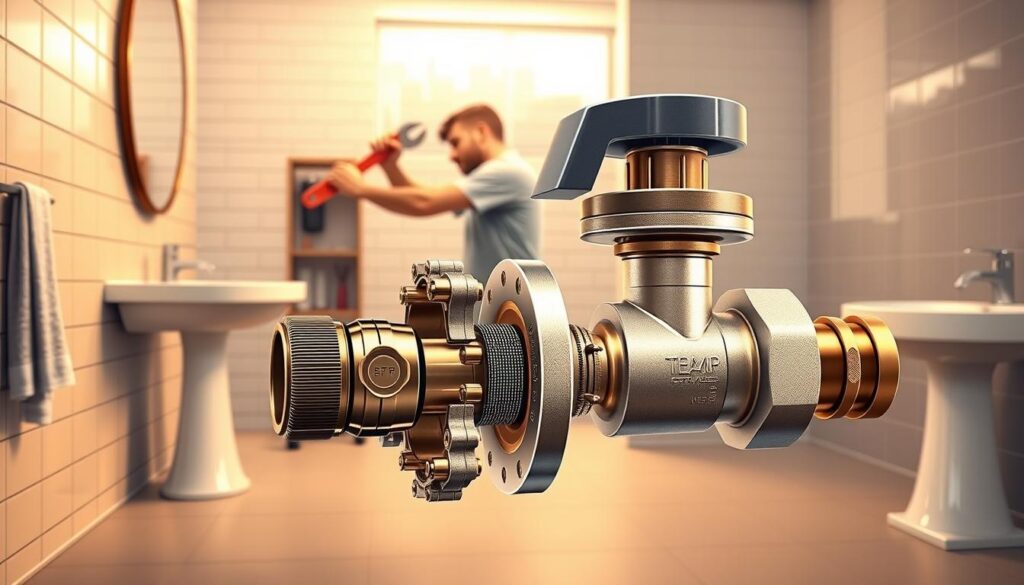
Installing backflow preventers right is key to keeping your water safe. Experts use special methods to make sure these devices work well and follow safety rules.
When putting in backflow preventers, a few important things need to be done:
- Correct positioning within the plumbing system
- Adequate clearance for testing and maintenance
- Protection from environmental damage
- Compliance with local building codes
Installing backflow preventers needs the skills of certified pros. They know all about keeping water systems safe. They check your system to find the best way to protect it.
Keeping plumbing backflow prevention devices in good shape means regular checks and tests. Here’s what’s recommended:
- Annual professional inspections
- Comprehensive pressure testing
- Documenting system performance
- Replacing worn components promptly
Regular system checks are key, more so after big plumbing changes or changes in how the building is used. Getting experts to install and maintain your system keeps your water safe and healthy for a long time.
Protecting your water supply is not just about installation—it’s about ongoing commitment to safety and quality.
Health and Safety Implications
Plumbing backflow is a big risk to your home’s water safety. Knowing about plumbing backflow helps keep your family safe from harmful water.
Water backflow can bring harmful stuff into your water. This can lead to serious health problems that need quick action.
Potential Contamination Risks
Backflow can let harmful substances into your water:
- Chemical pollutants from industrial sources
- Bacterial agents like E. coli and Salmonella
- Toxic agricultural chemicals
- Sewage waste materials
Public Health Concerns
Uncontrolled water backflow can cause big problems. It can make your water dirty, leading to:
- Gastrointestinal illnesses
- Neurological complications
- Potential long-term health damages
- Widespread community health outbreaks
Emergency Response Protocols
Act fast if you think you have a water backflow problem. Your emergency steps should be:
- Shutting off primary water supply
- Contacting local health department
- Avoiding water consumption
- Scheduling professional water testing
Protecting your water supply isn’t just about prevention—it’s about safeguarding your family’s health.
Troubleshooting Backflow Issues
Plumbing backflow testing is key to keeping your home’s water safe. It stops contamination. Spotting backflow signs early can avoid expensive fixes and health dangers.
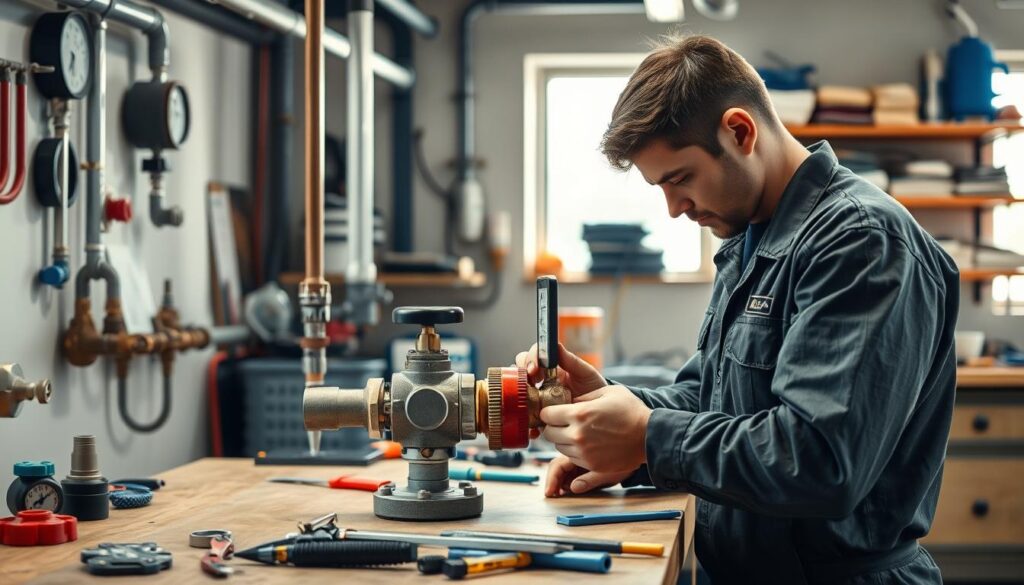
Spotting backflow causes needs careful water system checks. Watch for these signs of trouble:
- Unusual water discoloration
- Strange odors from tap water
- Unexpected changes in water pressure
- Unusual noises in pipes
If you think there’s a backflow issue, here’s what to do:
- Check water quality and appearance
- Inspect visible plumbing connections
- Listen for irregular sounds in pipes
- Monitor water pressure fluctuations
Experts use special tools for thorough backflow tests. They find hidden problems that you can’t see.
| Issue | Potential Cause | Recommended Action |
|---|---|---|
| Discolored Water | Cross-connection contamination | Immediate professional inspection |
| Low Water Pressure | Backflow preventer malfunction | System pressure test |
| Unusual Pipe Sounds | Potential pressure irregularities | Comprehensive system evaluation |
Remember: When in doubt, always consult a certified plumbing professional to ensure your water system’s safety and integrity.
Conclusion
Knowing about plumbing backflow prevention is key to keeping your home’s water safe. The world of water systems is complex and needs careful watching. Your efforts can greatly help keep your drinking water safe.
Setting up effective backflow prevention is more than just putting in devices. You need to look at each water connection’s special needs. You also have to pick the right protection based on the risk. Getting help from experts can guide you through the rules in your area.
Keeping your system in check and getting regular checks are vital for water safety. Knowing about cross-connection risks and how backflow happens helps protect your home. It’s better to prevent problems than to fix them after they occur.
Being aware of backflow risks shows you care about your home. Whether you get help from pros or do it yourself, acting now can prevent big problems later. Always be watchful, ask for help when you need it, and keep your water safe.