

Affiliate Disclosure
Plumber Guide Guys is a participant in the Amazon Services LLC Associates Program, an affiliate advertising program designed to provide a means for sites to earn advertising fees by advertising and linking to Amazon.
What is MNPT in Plumbing? Ever wondered why plumbing connections are secure and leak-free? Male National Pipe Thread (MNPT) is key. It’s what plumbers and DIY fans count on daily.
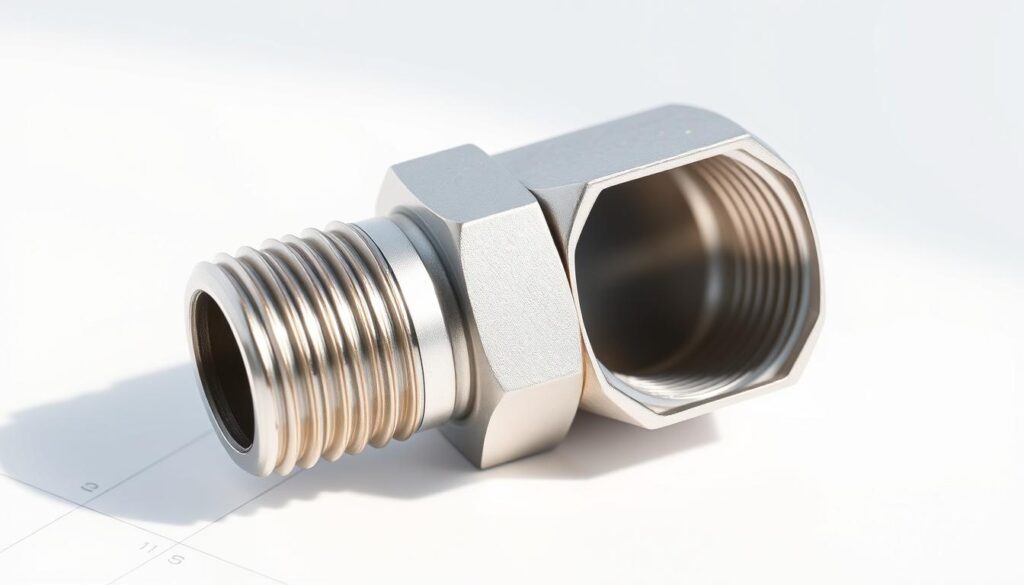
So, what is MNPT in plumbing? It’s a standard thread for pipe fittings. It makes connections tight and reliable in homes, businesses, and factories.
Knowing about MNPT is more than just knowing a term. It’s about making plumbing systems safe and efficient. These threads are vital for linking pipes, valves, and other parts with precision.
Key Takeaways
- MNPT stands for Male National Pipe Thread
- Used in critical pipe connection applications
- Ensures secure and leak-resistant connections
- Applicable across multiple plumbing environments
- Essential for both professional and DIY plumbing projects
Table of Contents
What is MNPT in Plumbing?
Plumbing thread types are key for making pipes and fittings connect securely. Male National Pipe Thread (MNPT) is a standard design for reliable connections in plumbing systems.
MNPT fittings are special connections for pipes. They have unique features important in many places. Knowing about these fittings helps in plumbing projects.
Basic Definition and Purpose
MNPT fittings have external threads for connecting with female-threaded parts. Their main goal is to:
- Make a tight seal between pipe connections
- Stop leaks in fluid systems
- Offer a standard way to join pipes
Key Components of MNPT Fittings
The main parts of MNPT fittings are:
- Tapered Thread Design: For a secure connection
- Precision-cut external threads
- Material (usually brass, stainless steel, or carbon steel)
Standard Measurements and Specifications
MNPT fittings vary in size and specs for different plumbing needs. Sizes range from 1/8 inch to 2 inches. They have specific thread counts and angles for the best seal and connection.
Choosing the right MNPT fitting depends on knowing its exact measurements and use.
Understanding Male National Pipe Thread Standards
Working with plumbing systems means knowing about national pipe thread measurements. Male National Pipe Thread (MNPT) standards are key for making sure connections are right and leaks don’t happen. They ensure your piping installations are compatible and reliable.
What makes MNPT threads special is their design. They have a 60-degree angle with unique flattened peaks and valleys. This design creates a tight seal for plumbing connections.
- Thread Angle: 60 degrees
- Surface Characteristics: Flattened thread peaks
- Sealing Mechanism: Tapered design
Plumbing thread standards tell us how many threads per inch for each pipe size. This makes sure parts from different makers fit together well. Experts use these exact measurements to make plumbing connections that don’t leak and work well.
Precision is the hallmark of MNPT standards, with each thread carefully designed to meet rigorous industry requirements. This standardization stops compatibility problems and keeps performance steady in homes, businesses, and factories.
The thread design is not just about connecting pipes – it’s about creating reliable, long-lasting infrastructure.
Knowing these details helps you choose the right piping parts. It keeps your plumbing systems strong and safe.
MNPT vs. Other Plumbing Thread Types
Exploring plumbing threads can be tricky. It’s key to know the differences between MNPT, FNPT, and BPT. This helps you pick the right connections for your project.
MNPT vs. FNPT: Understanding the Basics
Knowing how to identify pipe threads is vital in plumbing. MNPT and FNPT are like puzzle pieces that fit together:
- MNPT has external threads that stick out
- FNPT has internal threads for the male side
- Together, they make a tight, leak-free seal
Comparing Thread Types: MNPT and BPT
While MNPT is common in the U.S., BPT is different. The main differences are:
- Thread angle and design
- How they seal
- Where they’re used around the world
Practical Applications
Each thread type has its own use in plumbing. Your choice depends on the job, like home, business, or industrial plumbing. Choosing the right thread ensures your system works well and lasts long.
It’s not just about making a connection. It’s about building a plumbing system that lasts.
Essential Features of MNPT Fittings
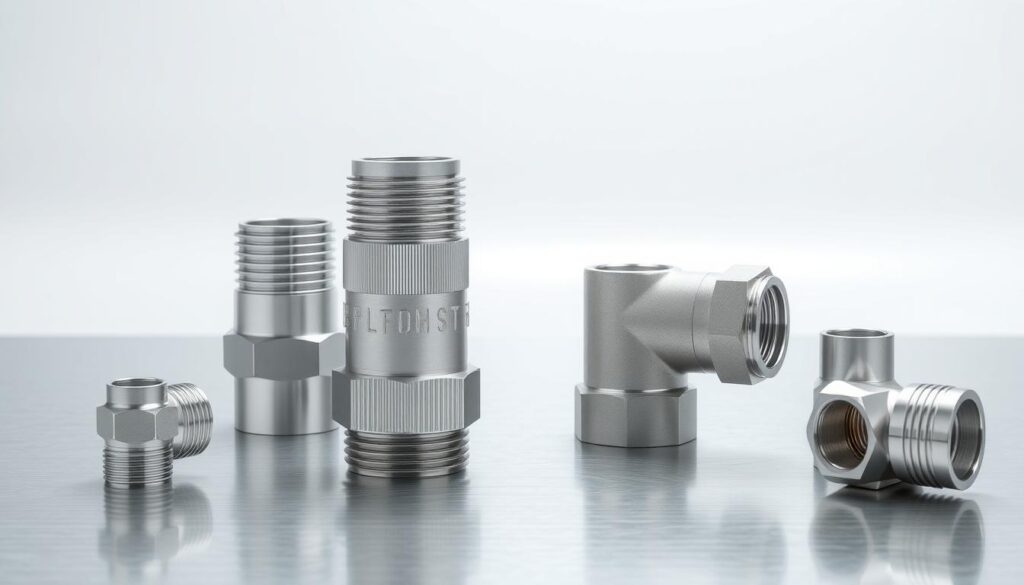
When looking at pipe fitting connections, MNPT (Male National Pipe Thread) fittings are key in plumbing systems. They have special designs that make them vital for strong and safe connections.
The main strength of MNPT fittings is their unique tapered pipe threads. This design creates a tight seal as you connect the fitting. It ensures the connection is leak-free. The taper also increases the contact between threads, making the connection stronger.
- Precision-engineered thread profile
- Robust sealing mechanism
- Enhanced pressure resistance
- Versatile material compatibility
Materials are also important for MNPT fitting performance. These fittings are usually made from:
- Stainless steel for corrosion resistance
- Brass for excellent thermal conductivity
- Carbon steel for high-pressure applications
“The precision of tapered pipe threads determines the reliability of your entire plumbing system.” – Professional Plumbing Engineer
Knowing how to install these fittings is key for their best performance. Proper installation ensures a tight seal, reducing leaks in your plumbing.
Choosing the right MNPT fittings depends on your needs. Consider the pressure, temperature, and environment they’ll be in.
Thread Design and Tapered Structure
Understanding national pipe thread measurements is key for good plumbing connections. Tapered pipe threads help make joints secure and leak-free in many piping systems.
MNPT fittings are vital in many industrial and home settings. Their design ensures a tight seal and reliable performance in various piping setups.
Taper Angle Specifications
National pipe threads have a special taper that’s vital for their use. The standard taper is ¾ inch per foot. This creates a gradual and precise angle for the best sealing.
- Taper angle: 1° 47′
- Taper rate: ¾ inch per foot
- Designed for maximum sealing efficiency
Thread Count and Measurements
The thread count changes with the pipe size and use. Accurate national pipe thread measurements are key for fitting right across different systems.
| Pipe Size | Threads per Inch | Typical Application |
|---|---|---|
| 1/8″ | 27 | Small instrument connections |
| 1/4″ | 18 | Hydraulic systems |
| 1/2″ | 14 | Residential plumbing |
| 3/4″ | 14 | Commercial piping |
Sealing Mechanisms
Tapered pipe threads use several sealing methods to stop leaks. The thread design itself makes a metal-to-metal seal when tightened right. Extra sealants add more protection.
- Thread tape application
- Liquid thread sealants
- Mechanical compression
Choosing the right sealing method depends on the application, pressure needs, and the environment of your piping system.
Installation Best Practices for MNPT Fittings
Installing pipe fittings needs precision and attention to detail. When using NPT fittings, follow a systematic approach. This ensures a secure and leak-free connection.
Start by preparing well for MNPT fitting installation. Before you begin, make sure you have the right tools and materials:
- Thread sealant or tape
- Clean cloth or rag
- Appropriate wrench
- Pipe cleaning brush
Here are the key steps for installation:
- Clean the pipe threads well with a wire brush
- Check the threads for damage or imperfections
- Apply thread sealant evenly
- Align threads carefully to avoid cross-threading
It’s important to avoid common mistakes with MNPT fittings. Don’t over-tighten connections, as it can damage the threads and break the seal. Use the right torque for different pipe materials.
| Pipe Material | Recommended Torque | Installation Tip |
|---|---|---|
| Brass | 30-40 ft-lbs | Use gentle, consistent pressure |
| Stainless Steel | 40-50 ft-lbs | Check thread alignment carefully |
| PVC | 15-25 ft-lbs | Avoid excessive force |
By sticking to these best practices, you’ll make reliable pipe fitting connections. These connections will keep your plumbing system safe and leak-free.
Common Applications and Uses in Plumbing Systems
MNPT fittings are key in many plumbing systems. They offer flexible solutions for various settings. Their design is vital for making strong pipe connections in different areas.
Knowing how plumbing threads are used helps both pros and DIYers pick the right connections. This is important for meeting specific needs.
Residential Plumbing Solutions
In homes, MNPT fittings are essential in several areas:
- Water supply line connections
- Fixture installations
- Connecting water heater components
- Irrigation system setups
Commercial Plumbing Applications
Commercial places need strong pipe connections. MNPT fittings are great for:
- Large-scale water distribution systems
- HVAC equipment connections
- Waste management infrastructure
- Pressure regulation systems
Industrial Implementation
Industrial settings need special plumbing threads for harsh conditions. MNPT fittings are vital in:
- Chemical processing plants
- High-pressure fluid handling systems
- Manufacturing equipment connections
- Petrochemical industry applications
Understanding these uses shows how versatile and important MNPT fittings are in plumbing today.
Maintenance and Troubleshooting MNPT Connections
Keeping NPT fittings in good shape is key to a reliable plumbing system. Knowing how to identify pipe threads helps avoid leaks and connection failures. Regular checks on your MNPT connections can spot problems early.
When you maintain NPT fittings, focus on a few important things:
- Look for signs of wear or corrosion
- Check for leaks around the connection
- Check if the threads are intact and aligned
- Make sure the seal is working right
Here are some steps to troubleshoot MNPT connections:
- Look for signs of cross-threading or damaged threads
- Make sure it’s tightened right, but not too tight
- Check if the sealing tape or pipe dope is applied correctly
- Look for any signs of stress or damage
If you find any issues, here’s what to do:
Always use the right tools and methods when working with NPT fittings. This prevents damage and ensures a tight connection.
Common problems include thread damage, bad sealing, and wear over time. Knowing these issues helps you keep your plumbing system in top shape and avoid expensive fixes later.
Safety Considerations and Industry Standards
Keeping plumbing threads safe means following strict rules and standards. Plumbers need to know the key safety steps for working with Male National Pipe Thread (MNPT) fittings.
The American National Standards Institute (ANSI) and ASME B1.20.1 set clear guidelines for MNPT fitting safety. These rules cover important areas like:
- Material quality and compatibility
- Thread precision and dimensional accuracy
- Pressure rating specifications
- Corrosion resistance
When using MNPT connections, wearing the right safety gear is a must. You should always have:
- Safety glasses with side shields
- Protective gloves
- Steel-toed boots
- Thread sealant-resistant clothing
It’s also key to know how to apply thread sealant right. Using it wrong can lead to leaks and harm the connection’s safety and performance.
| Safety Aspect | Recommended Practice |
|---|---|
| Thread Inspection | Check for damage, corrosion, or deformation before installation |
| Torque Specifications | Follow manufacturer’s recommended tightening guidelines |
| Material Compatibility | Verify material resistance to specific environmental conditions |
By sticking to these safety rules and practices, you can make sure plumbing connections are reliable and safe. This is true for homes, businesses, and industrial sites.
Conclusion
Knowing what MNPT is in plumbing is key for both pros and DIY fans. Male national pipe thread connections are essential for safe, leak-free pipes in homes, businesses, and factories. By learning about male national pipe thread tech, you can make plumbing setups reliable and efficient.
Success in plumbing projects comes from picking the right fittings and knowing their details. The right thread design, exact measurements, and careful setup are vital to avoid leaks and keep systems working well. Whether it’s big industrial jobs or small home fixes, knowing MNPT specs boosts your skills.
Keeping up with plumbing knowledge and standards is vital. Knowing about thread types, sealing methods, and best practices helps you tackle many plumbing tasks. The field of male national pipe threads keeps getting better, with new ways to connect pipes and improve performance in different settings.
Quality is more important than quick fixes. Spend time learning about MNPT, use the right tools, and always focus on safety and precision. Your dedication to learning and using these skills will make you stand out as a skilled plumber.