

Affiliate Disclosure
Plumber Guide Guys is a participant in the Amazon Services LLC Associates Program, an affiliate advertising program designed to provide a means for sites to earn advertising fees by advertising and linking to Amazon.
What is MIP in Plumbing? Ever wondered how your home’s plumbing works? What keeps water flowing smoothly through your walls? It’s all about MIP in plumbing, a key term in pipe fitting.
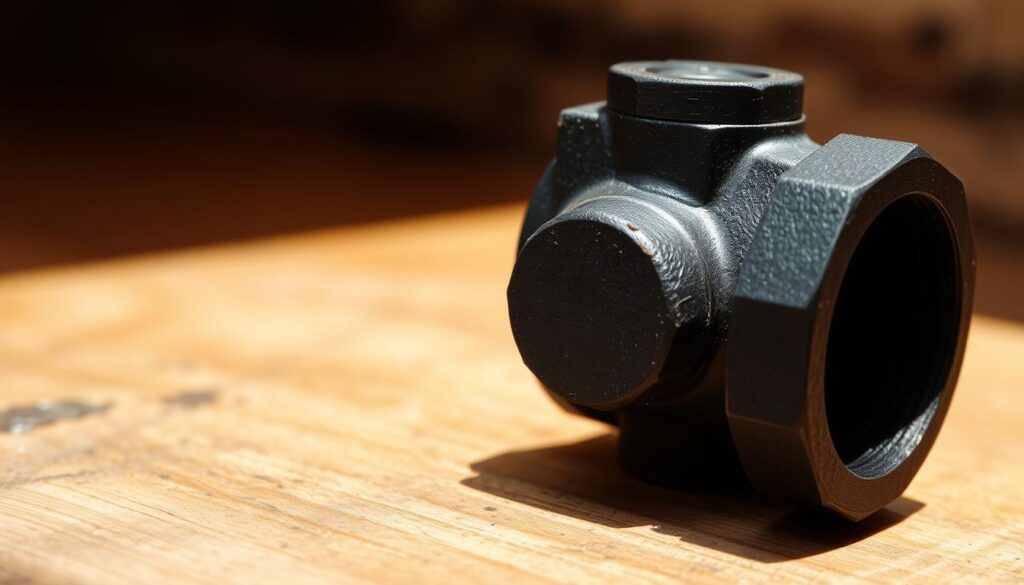
MIP stands for Male Iron Pipe. It’s a basic way to connect pipes in plumbing systems. These fittings are vital for making sure pipes don’t leak. Knowing about MIP can save you time, money, and prevent water damage.
Every plumbing system needs precise connections. MIP fittings are key to keeping water and gas lines safe. Learning about these parts helps you fix your home, understand complex systems, and make smart choices about your property.
Key Takeaways
- MIP stands for Male Iron Pipe, a critical plumbing connection method
- These fittings are essential for creating secure pipe connections
- Understanding MIP helps with home repairs and maintenance
- MIP fittings are used in both residential and commercial plumbing
- Proper installation requires specific tools and knowledge
Table of Contents
Understanding MIP and Basic Plumbing Terminology
Plumbing can seem complex with all the technical terms and parts. Knowing about pipe fitting and thread types is key for pros and DIY fans. It helps with home repair projects.
Plumbing needs precise connections and standard parts for water to flow well and safely. Plumbing has its own language. It helps pros and homeowners talk about pipe jobs and fixes.
Key Terms in Pipe Fitting Terminology
- MIP (Male Iron Pipe): A pipe connection with external threads
- FIP (Female Iron Pipe): A pipe connection with internal threads
- NPT (National Pipe Thread): The standard threading used in North American plumbing
- Fitting: A component used to connect pipes or change their direction
Common Plumbing Thread Types
There are different thread types for plumbing. Knowing them helps make sure connections are right and leaks are avoided.
- Tapered Threads: Used in most North American plumbing systems
- Straight Threads: Typically sealed with additional materials
- Gas Threads: Designed for specific gas line connections
Basic Plumbing Components
Your plumbing system has key parts that work together. Knowing these parts helps spot issues and talk better with pros.
- Pipes: Transport water through the system
- Valves: Control water flow and pressure
- Fittings: Connect pipes and change water direction
- Connectors: Join different pipe materials and sizes
What is MIP in Plumbing: A Comprehensive Overview
Exploring MIP in plumbing, you’ll find male iron pipe fittings are key. They have external threading for easy connections with female fittings. This makes them vital in many plumbing tasks.
Male iron pipe fittings are made in different materials and shapes. Each has its own role in homes and businesses. The main features of MIP fittings are:
- Durable construction using steel, brass, or PVC
- Straight thread design for secure connections
- Ability to handle different fluids and gases
- Compatibility with various sealing mechanisms
The threading on male iron pipe fittings is tapered. This creates a tight seal when installed right. These fittings are essential in water lines, gas connections, and industrial systems.
Knowing how MIP fittings work helps you pick the right ones for your plumbing needs. They’re strong and versatile, making them a top choice for experts and DIYers.
The Difference Between MIP and FIP Connections
Plumbing connections can be tricky, with MIP and FIP being key terms. These parts are vital for a plumbing system that works well.
There are mainly two types of threads in plumbing: male and female. Knowing the difference is key for good plumbing work.
Male vs Female Threading
MIP and FIP connections have different thread designs:
- Male Iron Pipe (MIP): External threads that stick out
- Female Iron Pipe (FIP): Internal threads that fit male connections
Connection Methods and Best Practices
Connecting MIP and FIP right needs focus on a few things:
- Make sure the threads match
- Use the right thread sealant
- Don’t over-tighten
- Check for correct alignment
Common Applications
MIP and FIP connections are used in many plumbing jobs, like:
- Water supply lines
- Gas piping systems
- Irrigation setups
- Plumbing in homes and businesses
Understanding MIP and FIP connections helps you build strong, leak-free plumbing systems.
Types of Threaded Pipe Connections in Plumbing
Knowing about threaded pipe connections is key for any plumbing job. Each type has its own role in homes and businesses. The right choice can make your plumbing system work better and last longer.
Plumbing connections have changed a lot over time. Today, we have many ways to connect pipes, making plumbing more flexible and efficient:
- Compression fittings
- Push-in fittings
- Threaded pipe connections
- Soldered connections
Compression fittings are getting more popular. They seal pipes by squeezing a ring. They’re easy to use and work with many types of pipes.
| Connection Type | Ease of Installation | Typical Applications |
|---|---|---|
| Compression Fittings | Easy | Water lines, gas lines |
| Push-in Fittings | Very Easy | Residential plumbing |
| Threaded Connections | Moderate | Industrial and residential |
Push-in fittings are another new option. They let you connect pipes fast, without soldering or threading. They’re great for small spaces and ensure a tight seal.
When picking threaded connections, think about what the pipe is made of, how much pressure it needs, and where it will be installed. Each type has its own benefits for different plumbing needs.
Understanding NPT (National Pipe Thread) Standards
Exploring plumbing thread types can be tricky. But knowing National Pipe Thread (NPT) standards is key for pros and DIY fans. NPT ensures plumbing connections are safe and work well together.
The NPT standard is vital for choosing the right plumbing connections. It helps both pros and homeowners pick the best for their projects. Let’s look at the main points of these important threading standards.
Decoding NPT Thread Terminology
NPT threads have two main types:
- Male Pipe Thread (MPT): External threads on pipe ends
- Female Pipe Thread (FPT): Internal threads for male threads
Comparing NPT to Other Thread Types
There are many thread types in plumbing, but NPT is the top choice in the US. Knowing the differences helps pick the right parts.
| Thread Type | Primary Use | Compatibility |
|---|---|---|
| NPT | Domestic Plumbing | Highest in US Markets |
| BSPT | International Applications | Limited US Use |
| METRIC | European Plumbing | Rare in US Installations |
Industry Standards and Regulations
The American National Standards Institute (ANSI) sets rules for NPT standards. These rules make sure plumbing connections are safe and reliable.
Choosing the right thread is more than just fitting parts. It’s about keeping the system safe and leak-free.
How to Properly Use Male Iron Pipe Fittings
Working with male iron pipe (MIP) fittings needs precision and detail. When installing these fittings, follow specific steps for a secure and leak-free connection. Knowing how to use MIP fittings right can save you time and avoid plumbing problems.
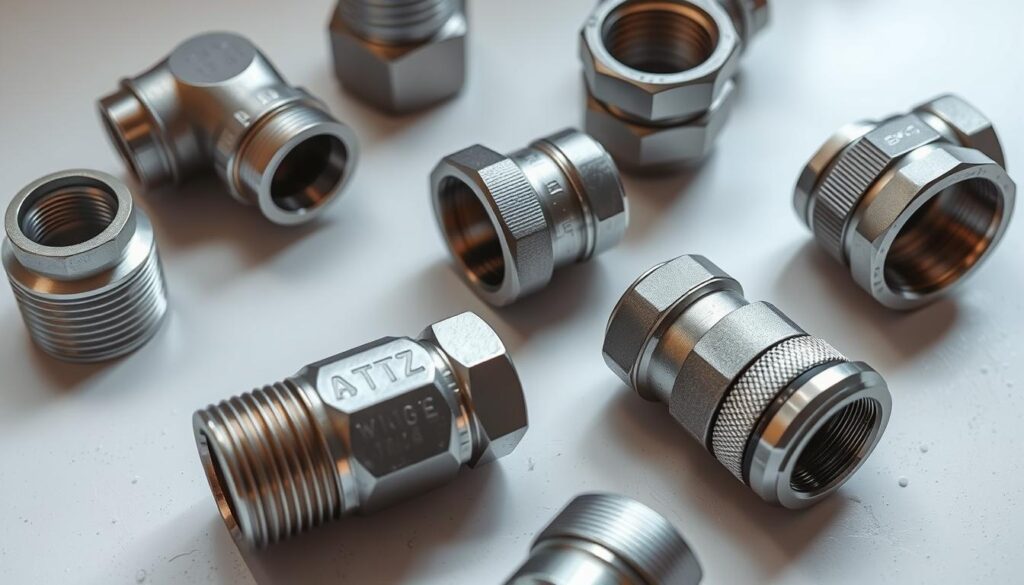
- Pipe wrench
- Teflon tape
- Thread sealant
- Clean cloth
For a successful MIP fitting installation, prepare well. Clean the pipe threads thoroughly to remove dirt, debris, or old sealant. This ensures a tight and secure connection.
Here’s a step-by-step guide to using MIP fittings:
- Inspect the pipe and fitting threads for damage
- Clean threads with a wire brush or clean cloth
- Apply Teflon tape clockwise around the male threads
- Wrap the tape 2-3 times, ensuring complete coverage
- Carefully thread the fitting into the connection
- Tighten using a pipe wrench, but avoid over-tightening
“Precision is key when working with male iron pipe fittings. Take your time and follow each step carefully.” – Professional Plumber
Common mistakes to avoid when using MIP fittings include:
- Skipping thread preparation
- Using incorrect tape or sealant
- Over-tightening connections
- Neglecting to check for proper alignment
By following these guidelines, you’ll make reliable connections with male iron pipe fittings in various plumbing applications.
Common Applications for MIP Fittings in Residential Plumbing
MIP plumbing connectors are key in home plumbing systems. They connect different parts of your home. Knowing how to use male pipe adapters helps keep your plumbing in top shape.
Home plumbing needs versatile mip connectors for reliable connections. These parts link various plumbing systems. They make sure water flows smoothly.
Kitchen Plumbing Applications
In kitchens, male pipe adapters are vital. They connect fixtures and appliances. Their main jobs include:
- Connecting kitchen faucets to water supply lines
- Installing under-sink water filtration systems
- Connecting dishwasher water intake valves
- Establishing connections for garbage disposal units
Bathroom Plumbing Solutions
Bathroom plumbing uses male pipe adapters a lot. They’re used for:
- Connecting showerhead fixtures
- Installing bathroom sink faucets
- Connecting toilet water supply lines
- Mounting bathroom water heaters
Outdoor Plumbing Connections
Outdoor plumbing also needs reliable mip connectors. They’re used for:
- Installing exterior water faucets
- Connecting irrigation system components
- Setting up outdoor shower fixtures
- Mounting water filtration systems
“Proper selection and installation of male pipe adapters are key to maintaining efficient and leak-free plumbing systems.” – Professional Plumbing Association
Choosing the right male pipe adapter is important. It ensures a good fit, prevents leaks, and keeps your plumbing system working well.
Troubleshooting MIP Connection Issues
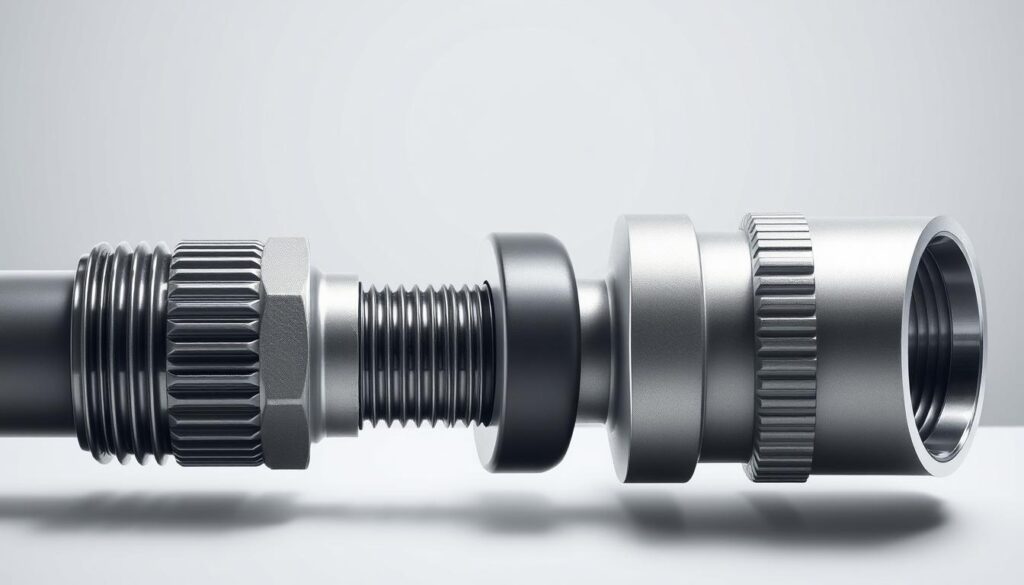
Working with threaded pipe connections can sometimes be tricky. Knowing how to use MIP fittings right can help avoid expensive plumbing fixes and system failures.
Leaks are a common problem with MIP connections. They often happen because of a few main reasons:
- Improper thread sealing
- Incorrect threading technique
- Damaged pipe threads
- Inadequate pipe preparation
To stop leaks with MIP fittings, follow these important steps:
- Clean threads well before connecting
- Use the right pipe thread sealant
- Make sure threads are aligned right
- Don’t over-tighten the connections
Cross-threading is another big issue. It happens when threads aren’t aligned right during installation. This can damage the fitting and weaken the connection.
Experts say to use thread tape or pipe dope for a tight seal. These products make threads slippery and stop leaks. They help keep your plumbing system working well.
Remember: Proper installation is key to preventing future plumbing complications.
Essential Tools for Working with MIP Fittings
Working with male iron pipe fittings is easier with the right tools. The right tools help you make a secure and leak-free connection. This is key when you’re learning how to use MIP fittings.
Required Equipment for Precision
Both professional plumbers and DIY fans need specific tools for MIP fittings. Your toolkit should have:
- Pipe wrench or adjustable wrench for secure gripping
- Thread seal tape (Teflon tape) for preventing leaks
- Pipe dope or thread sealant
- Wire brush for cleaning threads
- Measuring tape or calipers
- Lubricating oil
Safety First: Protecting Yourself
When working with male iron pipe fittings, safety is a must. Always wear safety glasses, work gloves, and sturdy clothes. This helps prevent injuries.
Pro Tip: Clean and inspect your threads before installation to ensure a perfect seal and prevent future leaks.
Getting precise measurements and choosing the right tools is vital for MIP fittings. Preparing your workspace and gathering the right tools leads to professional-quality results in your plumbing projects.
Best Practices for Installing MIP Fittings
Proper installation of mip plumbing connectors is key for reliable connections. Knowing how to use mip fittings right can save you time and money. It also prevents water damage in your plumbing system.
Begin by setting up your workspace and getting the right tools. Precision is important when installing these plumbing parts.
- Inspect threads carefully for any damage or debris
- Clean threading on both male and female connections
- Use appropriate thread sealant or tape
- Align fittings carefully before threading
Avoid common mistakes that can harm your mip plumbing connectors. Over-tightening can damage threads, while under-tightening may cause leaks.
| Installation Step | Key Considerations |
|---|---|
| Thread Preparation | Clean and inspect threads thoroughly |
| Sealant Application | Apply 2-3 wraps of PTFE tape or appropriate sealant |
| Fitting Connection | Hand-tighten first, then use wrench with controlled force |
Pro tip: Always use the correct size wrench and apply steady, consistent pressure when connecting mip fittings.
Remember, installing mip plumbing connectors needs patience and detail. Take your time to make sure each connection is secure and leak-free.
Conclusion
Knowing what MIP in plumbing means is key for homeowners and DIY fans. Male iron pipe fittings are essential for strong connections in homes and businesses. Learning about thread types and how to install them helps you do plumbing work right.
Understanding MIP fittings helps you choose the right pipes for your projects. This is true for kitchens, bathrooms, or outdoor plumbing. Using these fittings correctly can save you money and make your plumbing last longer. Always be precise when working with pipes.
While this guide is helpful, some plumbing jobs need a pro. If you’re unsure, get a licensed plumber to help. Learning about male iron pipe fittings makes you more confident in plumbing tasks.
Keep learning and pay attention to details for good plumbing work. With the knowledge from this article, you’ll be ready to tackle MIP fitting jobs with confidence.