

Affiliate Disclosure
Plumber Guide Guys is a participant in the Amazon Services LLC Associates Program, an affiliate advertising program designed to provide a means for sites to earn advertising fees by advertising and linking to Amazon.
What Is IPS In Plumbing? Ever wondered why plumbers talk about pipe sizes like they’re sharing a secret? Iron Pipe Size (IPS) is key to modern plumbing. It connects everything from home water lines to big industrial pipes.
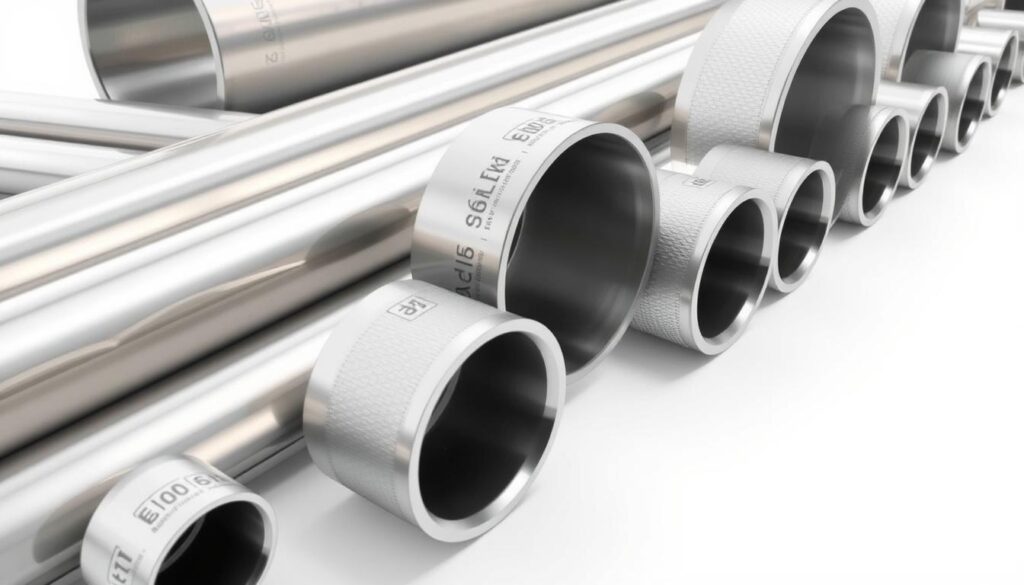
Learning about IPS in plumbing can change how you handle pipe jobs. IPS is a standard measurement in the U.S. for plumbing pipes. It makes sure all pipes fit together right in building and fixing projects.
This guide will make iron pipe size easy to understand. It’s for both pros and DIY folks. You’ll learn about IPS’s history and why it’s important today in plumbing.
Key Takeaways
- IPS stands for Iron Pipe Size, a critical standard in plumbing measurements
- Standardized sizing ensures consistent pipe connections and installations
- Understanding IPS helps prevent costly mistakes in plumbing projects
- IPS applies to multiple pipe materials, not just iron
- Professional plumbers rely on IPS standards for precise work
Table of Contents
Understanding IPS Basics in Modern Plumbing
Plumbing pipe measurements are key for precise and reliable installations. The Iron Pipe Size (IPS) standard is a basic framework in plumbing. It’s important for both professionals and DIY fans to know about it.
IPS started with iron pipe standards and has grown to include steel, PVC, and copper. This standard makes sure all plumbing systems have the same sizes and fit together well.
Definition and Historical Context
IPS fittings came from the early days of pipe making. They were created to have uniform sizes for different materials and uses.
- Started in late 19th century industrial manufacturing
- First for iron pipe sizes
- Now includes many materials
Role in Modern Plumbing Systems
Today, IPS standards are vital for smooth connections and exact measurements in plumbing. They help experts pick the right pipes and fittings for homes and businesses.
Key Components of IPS Standards
To understand IPS, you need to know about nominal pipe size, outer diameter, and wall thickness. These details help pick the right pipe for any plumbing job.
- Nominal pipe size specification
- Outer diameter measurements
- Wall thickness classifications
- Material compatibility guidelines
Learning IPS standards helps you tackle complex plumbing projects with confidence and accuracy.
What Is IPS In Plumbing: Core Concepts Explained
Many homeowners and DIY fans find it hard to grasp what IPS in plumbing means. IPS stands for Iron Pipe Size. It’s a key standard in plumbing that’s more than just numbers.
Looking into plumbing standards, you’ll see IPS isn’t about exact sizes. A 2-inch IPS pipe, for example, isn’t really 2 inches. It’s actually 2.375 inches in outside diameter. Knowing this is key for correct plumbing work.
- IPS represents the nominal pipe size, not the exact measurement
- Actual pipe diameter differs from labeled size
- Understanding IPS helps prevent measurement errors
The IPS system helps pick the right pipes for jobs. It’s a standard way to choose pipes. This ensures they fit well with other plumbing parts and avoids mistakes.
Precision in plumbing begins with understanding measurement standards like IPS.
Pro plumbers use these standards for right fits, water flow, and system safety. Knowing about IPS helps you make better choices in your plumbing projects.
Common IPS Pipe Materials and Applications
Choosing the right pipes for your plumbing project is key. Knowing the different materials in iron pipe size (IPS) systems is important. Each material has its own strengths for various uses and settings.
IPS fittings come in many materials, each with its own benefits. Your choice depends on the pressure needed, chemical resistance, and where you’ll install it.
Metal IPS Pipes: Steel, Iron, and Copper
Metal pipes are a top pick for plumbing pipe measurements. Here are the main metal options:
- Carbon Steel: Strong and durable
- Red Brass: Great for fighting corrosion
- Stainless Steel: Best for harsh chemicals and high heat
Plastic IPS Pipes: PVC and ABS
Plastic pipes are loved for being light and affordable:
- PVC: Resists chemicals well
- ABS: Has great impact strength
Material Selection Criteria
| Material | Pressure Rating | Temperature Range | Best Applications |
|---|---|---|---|
| Carbon Steel | High | -20°F to 350°F | Industrial systems |
| PVC | Medium | 32°F to 140°F | Residential plumbing |
| Stainless Steel | Very High | -100°F to 500°F | Chemical processing |
Choose based on performance, budget, and the environment. This ensures your pipe system works well.
IPS vs NPS: Understanding the Differences
When you work with plumbing pipe standards, you’ll see two main systems: IPS (Iron Pipe Size) and NPS (Nominal Pipe Size). These terms might seem the same, but they’re not. They have different features that can affect your project.
It’s important to know the differences between IPS and NPS. This helps you pick the right steel pipe size for your needs. Here are some main differences:
- IPS is about iron pipe sizing, starting with cast iron and steel pipes
- NPS is a newer, standard sizing used in many fields
- IPS sizes usually match the pipe’s real dimensions
- NPS sizes might not exactly match the pipe’s size
Choosing between IPS and NPS depends on several things:
- What your project needs
- The industry standards
- If the materials fit together
- The specific performance you need
Experts in plumbing and engineering must look closely at these standards. They need to make sure they pick the right pipe. This ensures the pipe works well and lasts long.
Precision in pipe sizing can make the difference between a successful installation and a system failure.
Standard IPS Pipe Sizes and Measurements
Knowing how to measure plumbing pipes is key for any project. IPS (Iron Pipe Size) makes it easier to understand pipe sizes. Both pros and DIY folks need to get this.
When you’re dealing with plumbing, you’ll hear about two important terms: nominal size and actual dimensions. These are vital for picking the right pipe for your job.
Nominal Size vs Actual Dimensions
In plumbing, the nominal size isn’t always the same as the actual diameter. IPS pipe sizes can be quite different from what they’re named. For instance, a 1-inch pipe might not be what you think it is.
- Nominal sizes range from 1/8″ to 24″
- Actual dimensions can differ from nominal measurements
- Precise measurements are essential for proper fitting
Wall Thickness Classifications
Pipe wall thickness is sorted into different schedules. Schedule 40 and Schedule 80 are the most common. These schedules show how strong and how much pressure the pipe can handle:
- Schedule 40: Standard wall thickness for most residential applications
- Schedule 80: Thicker walls for higher pressure systems
- Wall thickness impacts pipe performance and durability
Size Selection Guidelines
Choosing the right pipe size depends on a few things:
- Intended application
- Water pressure requirements
- Expected flow rate
- Environmental conditions
Pro tip: Always check local plumbing codes and expert advice when picking pipe sizes. This ensures your project works well and is safe.
IPS Threading Systems and Connections
Understanding IPS threading systems is key for good plumbing work. IPS fittings need special threading for secure and leak-free connections. This is important for many piping jobs.
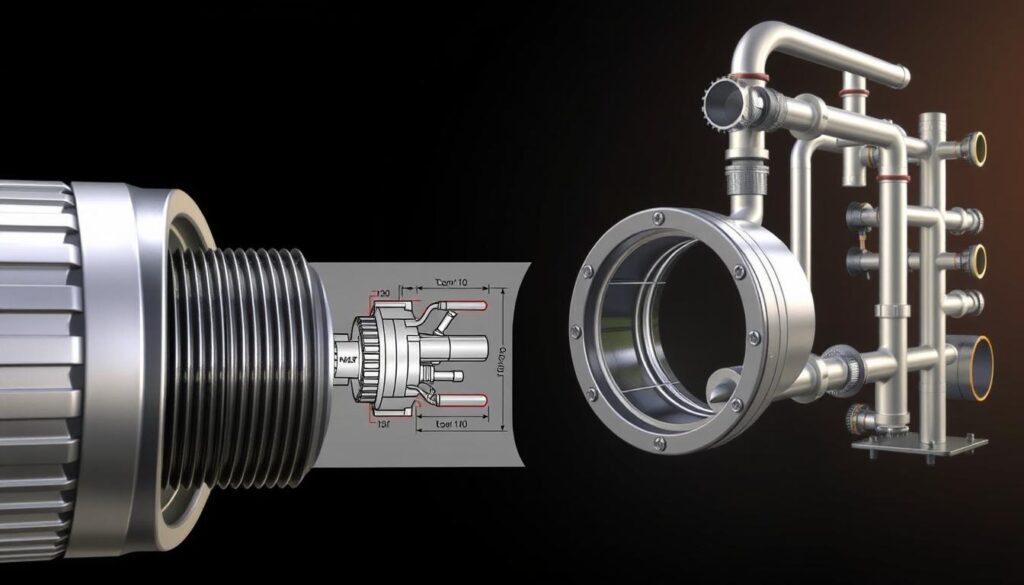
The National Pipe Thread (NPT) is the main threading system in IPS plumbing. It makes connections reliable across different pipe materials and sizes. This standard helps a lot.
- Tapered threads provide a tight seal
- Compatible with multiple pipe materials
- Ensures consistent connection quality
Choosing the right IPS threading system is important. Pipe material, pressure needs, and the environment all matter. They help pick the best connection method.
| Threading Type | Primary Use | Material Compatibility |
|---|---|---|
| NPT (National Pipe Thread) | Standard Plumbing Connections | Steel, Copper, Plastic |
| NPTF (National Pipe Thread Fuel) | Fuel and Gas Lines | Metal Pipes |
| BSPT (British Standard Pipe Taper) | International Plumbing Applications | Various Metals |
Experts say to prepare threads well and use the right sealants. This makes your IPS threading system work better. It helps avoid leaks and keeps pipes connected for a long time.
Pressure Ratings and Performance Standards
Knowing about pressure ratings is key when using iron pipe size (IPS) in plumbing. The standards you follow affect how pipes perform under different conditions. It’s vital to pick the right specs for your project.
Pressure ratings are important for your plumbing system’s performance and safety. Several factors influence these ratings, like the pipe material, its thickness, and how it’s used.
Working Pressure Guidelines
When picking pipes for your project, keep these guidelines in mind:
- Find out the highest pressure the pipe needs to handle
- Look at the manufacturer’s specific pressure ratings
- Think about the pipe material’s natural pressure limit
- Consider how system changes might affect it
Temperature Considerations
Temperature is a big deal in plumbing standards. Extreme temperatures can really change how pipes perform and their pressure ratings. Different materials react differently to temperature changes:
- PVC pipes can’t handle very low temperatures
- Metal pipes, like steel, can handle higher temperatures
- Changes in temperature can affect the pipe’s strength
Safety Factors
Safety is always first in plumbing. Always add a safety margin when figuring out pressure needs. Plumbers usually suggest adding 50% to the expected maximum pressure to keep the system reliable.
Managing pressure right prevents system failures and keeps it working well for a long time.
Installation Guidelines for IPS Plumbing
Installing IPS plumbing systems needs careful attention and specific techniques. Knowing what IPS in plumbing means helps you make better choices during installation.
Here are key guidelines for installing IPS fittings:
- Inspect all materials before starting
- Use the right tools for cutting and measuring
- Clean pipe surfaces well before connecting
- Apply the right sealing techniques for each material
Different materials need different installation methods. Metal pipes need special tools and techniques, unlike plastic pipes. Metal IPS pipes require specific cutting and threading. Plastic pipes, like PVC, need careful cutting and joining to avoid leaks.
Important things to consider for IPS plumbing installation include:
- Make sure pipes are aligned right
- Provide enough pipe support
- Keep pipes away from extreme temperatures
- Use the correct fastening methods
Professional tip: Always check pipe measurements and compatibility before installing.
Success comes from knowing each material’s needs and following the manufacturer’s guidelines. Proper installation stops leaks, cuts down on maintenance costs, and makes your plumbing last longer.
Maintenance and Troubleshooting IPS Systems
Keeping your IPS plumbing system in good shape is key to avoiding expensive fixes. Regular checks on your plumbing can save you a lot of time and money.
Looking after IPS fittings means being proactive. Knowing common problems and how to prevent them will keep your plumbing running smoothly.
Common Issues and Solutions
Understanding plumbing terms is important for spotting issues. Common problems in IPS systems include:
- Leaks at connection points – often caused by loose fittings or worn seals
- Corrosion – mainly in metal pipes
- Mineral buildup – cuts down water flow and efficiency
- Pipe wall degradation – harms the system’s overall strength
Preventive Maintenance Tips
To make your IPS plumbing last longer, follow these steps:
- Get annual professional checks
- Watch for moisture or corrosion signs
- Keep an eye on water pressure
- Flush and clean pipes now and then
When to Replace IPS Components
It’s important to know when to swap out plumbing parts. Look out for these signs:
- Leaks that keep coming back and can’t be fixed
- Big corrosion or material damage
- Water pressure drops
- Visible damage to IPS fittings
By being alert and fixing problems early, you can keep your IPS plumbing system strong and efficient. It will serve your home well for many years.
IPS Compliance and Certification Requirements
Knowing about plumbing pipe standards is key for safety and quality in plumbing systems. IPS (Iron Pipe Size) standards are important. Many organizations help regulate and certify these critical parts.
Important groups for IPS in plumbing include:
- ASTM International
- American National Standards Institute (ANSI)
- American Society of Mechanical Engineers (ASME)
These groups set tough rules for IPS pipe and fitting makers. They make sure each piece meets high quality, performance, and safety standards.
Following these standards involves several important steps:
- Checking the material used
- Testing for size accuracy
- Checking how well it handles pressure and temperature
- Keeping records of how it’s made
For both pros and homeowners, knowing about IPS in plumbing is vital. Certified pipes are reliable, lower installation risks, and last longer.
When picking plumbing materials, always check for certifications from known standards groups. This ensures you get top-notch, compliant IPS parts.
Modern Innovations in IPS Standards
The world of plumbing pipe standards is changing fast. New tech in IPS pipe diameter and steel pipe dimensions is changing plumbing systems. This is making plumbing work better and more efficient.
New ideas are changing plumbing pipe standards in many ways:
- Advanced composite materials improving durability
- Nanotechnology-enhanced pipe coatings
- Smart sensor integration for real-time monitoring
- Eco-friendly manufacturing processes
Now, makers are working on stronger and better plumbing. Corrosion-resistant materials and precise engineering are key. They help make new pipe technologies.
| Innovation Category | Key Improvements | Impact on Performance |
|---|---|---|
| Material Science | Hybrid polymer composites | 50% increased lifespan |
| Manufacturing | Precision laser cutting | Enhanced dimensional accuracy |
| Connectivity | IoT-enabled monitoring | Predictive maintenance capabilities |
These new ideas are not just cool tech. They solve big problems in plumbing. You’ll see better steel pipe dimensions and IPS pipe diameter standards. They focus on doing well, being green, and working efficiently.
Conclusion
Knowing what IPS in plumbing means is key for both pros and homeowners. Plumbing pipe standards are vital for safe and efficient water and gas systems. They ensure everything works well in homes and businesses.
Learning about IPS standards shows how important choosing the right pipes is. You need to know about materials, sizes, and how to connect them. This knowledge helps you make smart choices and solve problems.
But your learning doesn’t stop here. Keep up with new tech and rules in plumbing. This way, you can offer better, more lasting solutions that save money and meet top standards.
Start using what you’ve learned in your work. Dive deep into IPS standards. This will make you a trusted and skilled plumber.