
Affiliate Disclosure
Plumber Guide Guys is a participant in the Amazon Services LLC Associates Program, an affiliate advertising program designed to provide a means for sites to earn advertising fees by advertising and linking to Amazon.
What Is Galvanized Plumbing? Ever thought about what keeps your home’s water pipes strong and corrosion-free? Galvanized plumbing is a key player in your home’s plumbing system.
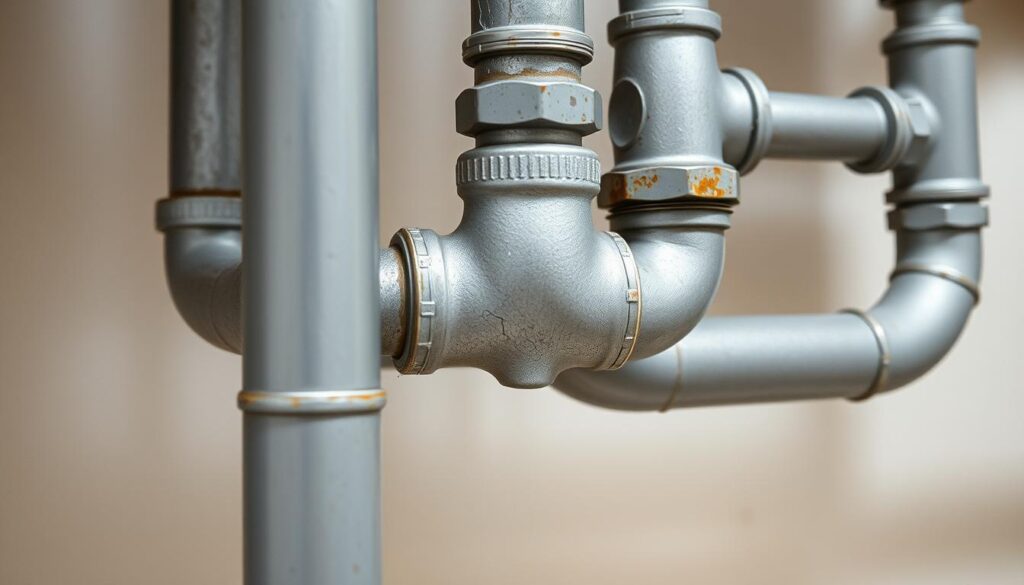
Galvanized water pipes are a vital part of modern plumbing. They are made of steel coated with zinc to fight rust. This helps your home’s water pipes last longer.
When people ask, “What is galvanized plumbing?” they’re looking at a long-standing solution. The zinc coating protects the steel from damage, keeping your water flowing well.
Key Takeaways
- Galvanized pipes use zinc coating to prevent corrosion
- Historically significant in residential water infrastructure
- Provides durability and extended pipe lifespan
- Offers cost-effective plumbing solution
- Commonly used in older home construction
What Is Galvanized Plumbing
Galvanized plumbing is a key innovation in home water systems, mainly for buildings before the 1960s. These zinc coated pipes made water distribution more durable than before.
Knowing how galvanized steel plumbing works shows its importance and today’s challenges. It coats steel pipes with zinc to protect against corrosion and damage.
Understanding the Galvanization Process
The galvanization process turns regular steel pipes into strong plumbing. It dips steel pipes in hot zinc, creating a strong bond that fights rust and wear.
- Zinc coating creates a sacrificial protective layer
- Prevents direct steel exposure to water and oxygen
- Extends pipe system lifespan
Historical Use in Home Construction
Zinc coated pipes were common in homes from the mid-20th century. They were strong, durable, and cheaper than other materials.
| Decade | Plumbing Usage | Popularity |
|---|---|---|
| 1940-1950 | Initial widespread adoption | High |
| 1950-1960 | Peak usage period | Very High |
| 1960-1970 | Gradual replacement begins | Declining |
The Role of Zinc Coating
The zinc layer in galvanized steel plumbing is a key defense. Sacrificial corrosion means zinc wears out first, protecting the steel. This made plumbing systems last longer.
Knowing the pros and cons of galvanized steel plumbing helps homeowners choose wisely. While these pipes were groundbreaking, today’s options are even better.
The Evolution of Galvanized Pipe Systems
Galvanized water pipes have changed a lot over the years. They first came out in the mid-1800s. These pipes were a big step up from old iron pipes, thanks to zinc coating.
This coating made the pipes last longer and fight off rust better.
The history of galvanized pipes is marked by important milestones:
- 1850s: First industrial-scale production of galvanized pipes
- 1900-1950: Peak usage in residential and commercial construction
- 1960-1990: Gradual decline with introduction of alternative materials
- 2000s: Limited application in specialized industrial settings
Over time, making the zinc coating better helped the pipes last even longer. The zinc layer protects the steel inside from water, which cuts down on rust.
| Era | Pipe Characteristics | Average Lifespan |
|---|---|---|
| Early Years (1850-1900) | Thick, manually applied zinc coating | 20-30 years |
| Mid-Century (1950-1980) | Improved hot-dip galvanization | 40-50 years |
| Modern Era (1990-2020) | Advanced electro-galvanization | 30-40 years |
Even with all the improvements, galvanized pipes are not as popular today. New materials like PEX and copper are better. They need less upkeep and last longer.
Key Benefits of Galvanized Plumbing
Galvanized steel plumbing is strong and reliable for homes. Knowing its pros and cons helps you choose the best for your pipes.
Galvanized steel plumbing has many benefits. It’s popular in homes and businesses for good reasons.
Superior Durability and Strength
Galvanized steel pipes are very strong and last a long time. The zinc coating protects them from rust. This makes them last 40 to 100 years with care.
- Resistant to physical damage
- Withstands high water pressure
- Minimal maintenance requirements
Cost-Effectiveness
Cost is a big plus for galvanized steel pipes. They are an affordable choice for water systems.
| Cost Metric | Galvanized Steel Pipes |
|---|---|
| Initial Installation Cost | $2 – $5 per linear foot |
| Average Lifespan | 40 – 100 years |
| Maintenance Frequency | Low |
Environmental Sustainability
Galvanized steel plumbing is also good for the planet. It’s 100% recyclable, which helps reduce waste and supports green building.
- Recyclable material
- Reduced environmental impact
- Energy-efficient production process
Choosing galvanized steel plumbing means you’re picking a durable, affordable, and eco-friendly option for your water system.
Common Problems with Galvanized Pipes
Galvanized pipe corrosion is a big problem for homeowners with old plumbing. These pipes were once seen as durable but can cause serious issues. They can harm your water quality and the structure of your home.
The main issues with galvanized plumbing are:
- Gradual interior pipe deterioration
- Reduced water pressure
- Potential water contamination
- Risk of unexpected pipe failure
As galvanized pipes get older, the zinc coating wears off. This exposes the steel to water and oxygen, leading to corrosion. This corrosion makes the inside of the pipes rough. It traps sediment and mineral deposits. Replacing these pipes is key when you see these problems.
There are also health risks. Older galvanized pipes may contain lead in their zinc coating. This can get into your drinking water. If your water looks brownish or rusty, it’s a sign of serious pipe damage and possible contamination.
“Proactive inspection and timely replacement can prevent significant plumbing disasters and protect your family’s health.”
Homeowners should look out for warning signs like:
- Frequent leaks
- Discolored water
- Decreased water pressure
- Visible rust or corrosion
Getting a professional plumbing check can tell you if you need to replace your pipes. This ensures your water is safe and flows well.
Identifying Galvanized Plumbing in Your Home
Finding galvanized plumbing in your home needs careful checking and knowing certain signs. Homeowners should learn to spot these old pipe systems to avoid water quality and structural problems.
Spotting galvanized plumbing involves several important steps. These steps help figure out the type of pipes in your home. Homes built before the 1960s are more likely to have these pipes.
Visual Inspection Techniques
Spotting galvanized pipes means looking for certain signs:
- Distinctive gray metallic color with rough texture
- Magnetic attraction when tested with a small magnet
- Visible rust or corrosion around pipe connections
- Threaded pipe joints with accumulated mineral deposits
Age-Based Assessment
The age of your home is key in identifying galvanized plumbing. Pipes from 1930 to 1960 are likely galvanized. Checking building records or getting a professional’s opinion can confirm this.
Professional Testing Options
If you’re not sure after a visual check, there are professional ways to find out:
- Video pipe inspection using specialized cameras
- Water quality testing for metal contamination
- Professional plumbing assessment
- Chemical composition analysis
Getting accurate galvanized plumbing identification needs a mix of visual checks, historical research, and expert opinions. This ensures your home’s water system is safe and reliable.
Lifespan and Maintenance Requirements
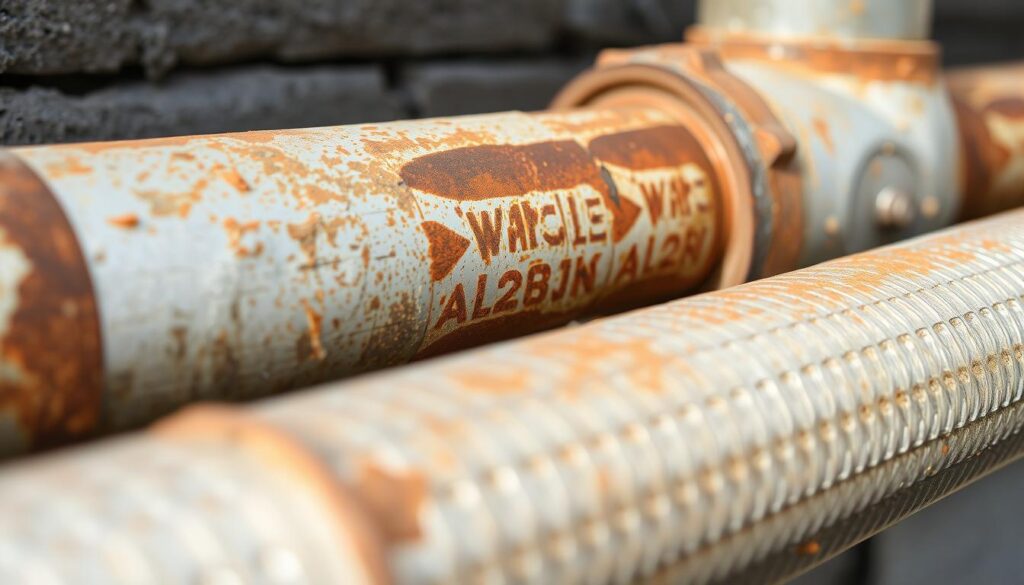
Knowing how long galvanized pipes last is key for homeowners and property managers. These pipes can last from 40 to 100 years. This depends on several important factors that affect their durability and how well they work.
The life of galvanized pipes depends on many things:
- Water quality and mineral content
- How well they are installed
- What they are exposed to
- How well they are maintained
There are important steps to take to make your pipes last longer:
- Get a professional to check them every year
- Keep an eye on water pressure and flow
- Fix any corrosion problems early
- Use zinc coating to protect them
| Maintenance Factor | Impact on Lifespan | Recommended Action |
|---|---|---|
| Water Quality | High mineral content reduces lifespan | Install water softeners |
| Corrosion Prevention | Extends pipe durability | Regular protective coating |
| Professional Inspection | Early problem detection | Annual thorough check |
Being proactive with maintenance is the best way to extend the life of your galvanized pipes and avoid expensive replacements.
Galvanized vs Copper Plumbing Systems
Choosing the right plumbing materials for your home is important. Understanding the differences between galvanized and copper pipes helps you make a smart choice. Each material has its own benefits that affect your home’s water system, durability, and cost.
Cost Comparison
Homeowners looking to save money often compare the costs of galvanized and copper pipes. Galvanized pipes are cheaper upfront, which is a big plus. But copper pipes, though pricier, last longer and perform better.
- Galvanized pipes: More affordable initial installation
- Copper pipes: Higher upfront cost but longer lifespan
- Maintenance expenses differ significantly between materials
Performance Differences
Choosing the right pipe material is key for performance. Copper pipes resist corrosion well and handle high temperatures better than galvanized pipes. Water quality stays cleaner with copper piping because it’s less likely to build up minerals or rust.
Installation Considerations
Installing pipes is a job for professionals. Copper pipes need special soldering, while galvanized pipes require specific threading and sealing. Both need expert handling.
- Copper pipes demand precise heat application
- Galvanized pipes need careful thread sealing
- Professional expertise recommended for both
Selecting the right plumbing system impacts your home’s water infrastructure for decades.
Signs Your Galvanized Pipes Need Replacement
Knowing when to replace galvanized plumbing can prevent water damage and health risks. Your home’s plumbing system gives clear signs it’s time for a full pipe replacement.
Watch for these important signs that your galvanized pipes need urgent care:
- Rust-colored water coming from your faucets
- Constant water pressure issues all over your house
- Visible pipe corrosion or big flaking on exposed parts
- Recurring clogs in the same plumbing spots
Water discoloration is a big warning sign for replacing galvanized pipes. If your tap water looks brown or reddish, it means your pipes are badly damaged. This happens because of years of mineral buildup and rust weakening the pipes.
Low water pressure is another key symptom. It might mean your pipes have serious blockages inside, cutting down water flow. A professional inspection can tell if you need to replace your pipes.
Don’t ignore water leaks or dampness near pipe connections. These signs usually mean your pipes are corroded badly and might fail soon.
Modern Alternatives to Galvanized Plumbing
Homeowners looking to replace old galvanized pipes have many new options. These options offer better performance and last longer. Plumbing has changed a lot, giving us new ways to fix old systems.
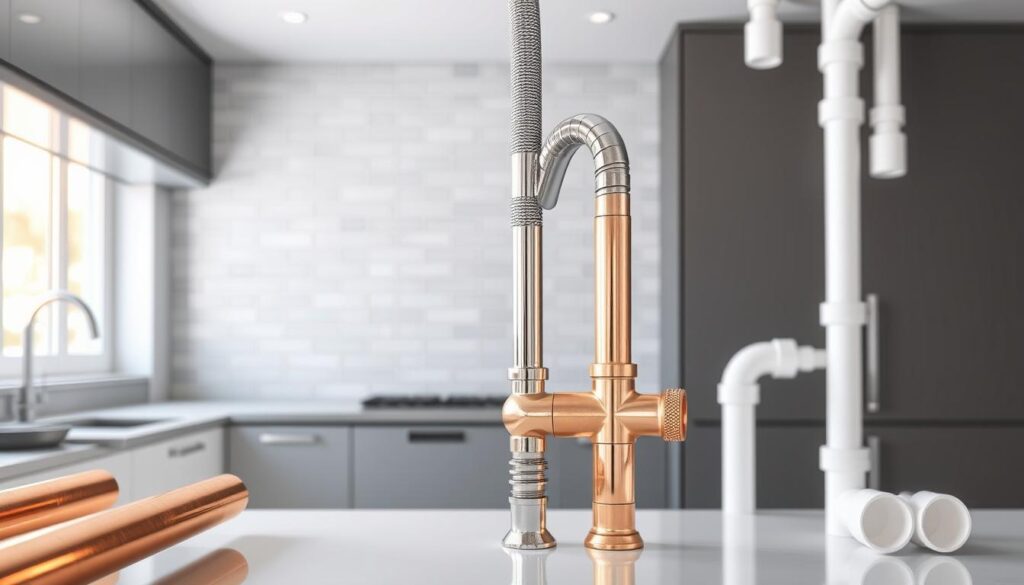
PEX Piping: A Flexible Solution
PEX (cross-linked polyethylene) pipes have changed residential plumbing. They have big advantages over galvanized and copper pipes:
- They are very flexible, making installation easy
- They resist freezing and corrosion well
- They cost less than traditional materials
- They are safe from water contamination
PVC and CPVC: Affordable Alternatives
Vinyl-based pipes are good choices for those not wanting galvanized. They are resistant to chemicals and are affordable for many plumbing needs.
Copper Pipes: Traditional Reliability
Copper is a top pick for many homeowners. It fights off bacteria and lasts a long time, making it a great choice.
“The right pipe material can significantly impact your home’s water quality and infrastructure longevity.” – Professional Plumbing Association
Each option has its own benefits. You can choose the best one for your home’s plumbing needs.
Health and Safety Considerations
Your home’s galvanized water pipes might be silently harming your family’s health. Older plumbing systems can hide serious risks that many homeowners ignore. The zinc coating on these pipes, meant to protect, can actually become a source of contamination over time.
Lead exposure is the biggest worry with aging galvanized plumbing. Galvanized water pipes installed before 1960 often have dangerous lead. This lead can leak into your drinking water.
- Children are very sensitive to lead contamination
- Potential health impacts include developmental delays
- Cognitive function can be permanently affected
- Reproductive health risks for adults
Regular water testing is key for homes with older plumbing systems. Professional inspections can spot contamination risks early. This helps prevent serious health problems.
“No level of lead exposure is considered safe for human consumption” – Environmental Protection Agency
Keeping your family safe means being proactive about your home’s plumbing. Knowing the health risks of galvanized water pipes helps you make smart choices. This includes deciding when to replace pipes and how to ensure safe water.
Professional Installation and Replacement Tips
Replacing galvanized plumbing needs special skills and knowledge. When you decide to update your home’s pipes, knowing the important steps can save you time and money. It also helps avoid problems.
Experts say a detailed plan is key when swapping out old pipes. Getting ready and doing it right is important for a smooth switch to new materials.
- Conduct a thorough home plumbing inspection
- Select appropriate replacement materials
- Use specialized fitting techniques
- Prevent possible galvanic corrosion
Replacing old pipes involves many important steps. You should hire a licensed plumber who knows how to handle old systems. They have the skills to avoid damage and install correctly.
Choosing the right way to connect new pipes is critical. Plumbers need to pick fittings that stop corrosion between different metals. Each type of pipe, like copper, PEX, or PVC, needs its own way to connect to keep the system working well.
Professional expertise makes your home’s plumbing system modern and efficient.
Choosing professional help for replacing galvanized pipes is a smart move. It keeps your water safe and prevents damage later. Skilled workers can handle tricky installations, even in old homes with special layouts.
Conclusion
Galvanized plumbing is a big part of home history. It’s important to know about it to keep your water and home safe. Learning about these pipes helps protect your property.
Keeping up with maintenance and getting regular checks is key for older pipes. These pipes have been around for a long time. But, new options like PEX and copper are better and safer.
Today, we have better plumbing that lasts longer and works better. If your home has old pipes, talk to a plumber. They can tell you what to do next.
Knowing about your plumbing helps you make smart choices for your home. By understanding galvanized pipes, you can keep your water system safe and reliable for years.