

Affiliate Disclosure
Plumber Guide Guys is a participant in the Amazon Services LLC Associates Program, an affiliate advertising program designed to provide a means for sites to earn advertising fees by advertising and linking to Amazon.
What Is FNPT In Plumbing? Ever wondered why plumbing connections are secure and don’t leak? Learning about FNPT in plumbing could be your key to success in home projects or professional work.
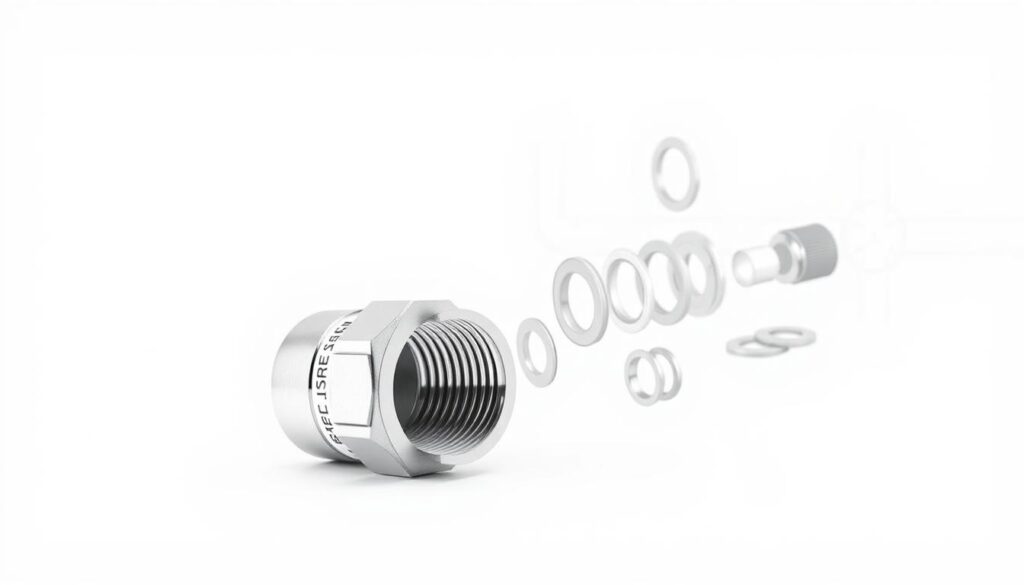
Female National Pipe Thread (FNPT) is key in piping systems for tight, reliable connections. Whether you’re a pro plumber or a DIY fan, knowing about FNPT can boost your confidence in plumbing tasks.
This guide will cover the basics of FNPT. We’ll look at its design, uses, and why it’s important for strong plumbing connections in homes, businesses, and factories.
Key Takeaways
- FNPT is a standardized threading design for pipe connections
- Critical for creating leak-proof plumbing systems
- Used in multiple industries beyond traditional plumbing
- Requires precise measurement and installation techniques
- Compatible with various pipe materials and sizes
Table of Contents
Understanding Basic Pipe Threading Terminology
Plumbing thread types are key for making strong and dependable pipe connections. Knowing the basic terms helps you choose the right piping for your needs.
Pipe threading is a detailed process for making precise pipe and fitting connections. The National Pipe Thread (NPT) is the top threading system in North America.
National Pipe Thread Standards
NPT standards outline the key features of pipe threads. They ensure connections are compatible and leak-free. These standards cover:
- Thread angle
- Thread pitch
- Taper requirements
- Dimensional specifications
Different Types of Pipe Threads
There are two main types of plumbing threads:
- Tapered Threads: Get narrower as they go, making a tight seal
- Straight Threads: Keep the same size, often used with seals like gaskets
Thread Direction and Orientation
Knowing thread direction is vital when comparing fnpt vs npt. Most threads turn right (clockwise) to tighten and left (counterclockwise) to loosen.
Threads can be internal (female) or external (male). FNPT stands for female national pipe thread connections.
What Is FNPT In Plumbing
Exploring plumbing, knowing what FNPT means is vital. FNPT stands for female national pipe thread. It’s the internal threading on fittings, valves, and more. These threads ensure secure, leak-free connections in many systems.
FNPT’s unique design is key in plumbing. It has internal threading that fits male pipe threads, making a tight seal. The threads also taper slightly for a strong, reliable connection.
- Internal threading on pipe components
- Designed to receive male pipe threads
- Creates a leak-proof seal when connected
- Used across various plumbing applications
Plumbing pros count on FNPT connections for their accuracy and dependability. The female national pipe thread offers a standard way to join pipes and fittings. It ensures they work well together in different systems. Knowing about FNPT is essential for making good pipe connections, whether it’s for homes, industries, or businesses.
FNPT threads are the unsung heroes of leak-free plumbing connections, providing a critical interface between different pipe components.
Key Characteristics of FNPT Connections
It’s important to know how FNPT fittings work for both pros and DIY fans. These fittings are key to making plumbing systems safe and dependable.
Internal Threading Design
FNPT connections have a special internal threading. This design makes sure the connection is tight and leak-free. It helps:
- Smoothly connect with male-threaded parts
- Provide consistent and reliable connections
- Seal well in many plumbing tasks
Tapered Thread Profile
The tapered thread is a big part of FNPT fittings. This design helps:
- Compress threads gradually
- Improve sealing
- Lower the chance of leaks
Standard Dimensions and Measurements
FNPT pipe size charts show different standard sizes. Here’s a quick look at common sizes:
| Pipe Size | Thread Type | Common Applications |
|---|---|---|
| 1/8 inch | NPT | Small instrumentation lines |
| 1/4 inch | NPT | Compressed air systems |
| 1/2 inch | NPT | Residential plumbing |
| 3/4 inch | NPT | Commercial water lines |
| 1 inch | NPT | Industrial applications |
Choosing the right FNPT fitting is important. Make sure to check your plumbing needs well. Always talk to a pro or use a detailed fnpt pipe size chart for the best choice and installation.
FNPT vs MNPT: Understanding the Differences
When you work with plumbing, knowing the difference between FNPT and MNPT is key. FNPT (Female National Pipe Thread) and MNPT (Male National Pipe Thread) are vital for secure pipe connections. They work together to make sure your pipes are connected right.
- Thread Orientation: FNPT has internal threads, and MNPT has external threads
- Connection Design: FNPT takes the male thread, making a tight seal
- Compatibility: These threads must match exactly for a proper fit
In plumbing, knowing what FNPT is in plumbing is very important. FNPT connections help pipes and fittings fit together perfectly. The internal threads of FNPT hold onto the external MNPT threads.
When you compare fnpt vs npt, FNPT connections are very important in many places:
- Residential water systems
- Industrial piping
- Commercial building infrastructure
Matching FNPT and MNPT correctly stops leaks and makes sure your plumbing works well.
Common Applications of FNPT Fittings
FNPT fittings are key in many plumbing systems. They are used in various sectors. These fittings ensure reliable and efficient fluid management in different places.
Plumbing experts use FNPT adapters for their flexibility and precision. These fittings are vital in many areas.
Residential Plumbing Solutions
In homes, FNPT fittings are important for reliable connections. They are used in:
- Water heater installations
- Sink and faucet connections
- Shower and bathroom fixture attachments
- Irrigation system interfaces
Industrial Applications
In industrial settings, FNPT adapters are needed for high-pressure and tough conditions. They are used in:
- Chemical processing equipment
- Manufacturing hydraulic systems
- Pneumatic control mechanisms
- Pressure vessel connections
Commercial Building Systems
Commercial buildings need FNPT fittings for important connections. They are used in:
| System Type | FNPT Fitting Application |
|---|---|
| HVAC | Refrigerant line connections |
| Fire Suppression | Sprinkler system interfaces |
| Water Distribution | Pipe network junctions |
FNPT fittings are versatile. They create secure, leak-resistant connections in many environments.
Installation Guidelines for FNPT Connections
Installing FNPT fittings needs precision and attention to detail. Knowing how to spot and install FNPT connections is key for a reliable plumbing system. These connections require special techniques for a tight and leak-free seal.
- Clean the pipe threads well to remove dirt or debris
- Check the FNPT connection for damage or flaws
- Apply the right thread sealant or pipe tape
- Align the fitting carefully before threading
- Hand-tighten first to avoid cross-threading
To spot FNPT connections, look for these signs:
- Internal threading on the fitting
- Tapered thread profile
- Female-type connection design
Important tips for a good install include not over-tightening. This can harm the threads. Also, use the right torque for your plumbing job. Experts say to use a calibrated torque wrench for precise tightening without damaging the fitting.
Proper preparation and careful installation are key to creating a reliable FNPT connection in any plumbing system.
Sizing and Compatibility Standards
When working with FNPT connections in plumbing, knowing the sizing and compatibility standards is key. Your success depends on picking the right pipe sizes and materials that fit industry specs.
Understanding plumbing thread types is important. You need to pay attention to specific dimensions and materials. The right connection is vital for good performance and avoiding leaks or system failures.
Standard Size Charts for FNPT Connections
FNPT pipe size charts are essential for choosing the right fittings. Here are the common sizes you’ll find:
- 1/8 inch NPT
- 1/4 inch NPT
- 3/8 inch NPT
- 1/2 inch NPT
- 3/4 inch NPT
- 1 inch NPT
International Standards Compliance
Each region has its own pipe threading standards. In the U.S., the American National Standards Institute (ANSI) sets the rules for FNPT connections. This ensures quality and compatibility in various applications.
| Thread Standard | Region | Key Characteristics |
|---|---|---|
| NPT (National Pipe Thread) | United States | Tapered threads, 60-degree angle |
| BSPT (British Standard Pipe Thread) | United Kingdom | Parallel threads, different sealing method |
| ISO (International Organization for Standardization) | Global | Standardized threading specifications |
Material Compatibility Considerations
Choosing the right material for FNPT fittings is critical for lasting performance. Different materials react differently with liquids and environments. Common materials include:
- Brass
- Stainless steel
- Galvanized steel
- Copper
- Plastic (PVC)
Each material has its own benefits based on your plumbing needs. Talking to a professional can help you make the best choice for your project.
Common Issues and Troubleshooting
Installing fnpt fittings can sometimes lead to problems. It’s important to know how to spot these issues to keep your pipes working well. This helps avoid leaks and keeps your system reliable.
Some common problems with FNPT connections include:
- Leakage at connection points
- Improper thread sealing
- Cross-threading during installation
- Incorrect thread type matching
To stop leaks, focus on a few important things. Making sure threads are prepared right and sealed is key.
Here are some tips for fixing common issues with FNPT connections:
- Check threads for damage or wear
- Use the right thread sealant
- Make sure threads match
- Ensure proper alignment
- Avoid over-tightening
Experts say to use thread tape or liquid sealant made for NPT connections. Be gentle when installing to avoid damaging threads. This can cause leaks and connection failures later on.
Remember: Careful installation and regular inspection are key to maintaining robust FNPT connections.
Conclusion
Understanding FNPT in plumbing is key to making strong pipe connections. Female national pipe thread (FNPT) fittings are vital for reliable plumbing systems. They work well in homes, businesses, and factories.
Knowing about FNPT threading helps you pick and install fittings better. It’s useful for fixing homes, setting up industrial sites, or working on big building systems. The right thread design and size are important for leak-free connections.
Both pros and DIY fans need to know about FNPT. These fittings work well in many places, like water lines and hydraulic systems. This guide helps you do plumbing work better and with more confidence.
Good plumbing needs precision and the right parts. Learning about FNPT helps make plumbing systems that last. It ensures your work meets high standards of quality and reliability.