
Affiliate Disclosure
Plumber Guide Guys is a participant in the Amazon Services LLC Associates Program, an affiliate advertising program designed to provide a means for sites to earn advertising fees by advertising and linking to Amazon.
What is FIP in Plumbing Fittings? Ever wondered why some plumbing works great while others leak? The answer might be in Female Iron Pipe (FIP) fittings. They are key in modern plumbing.
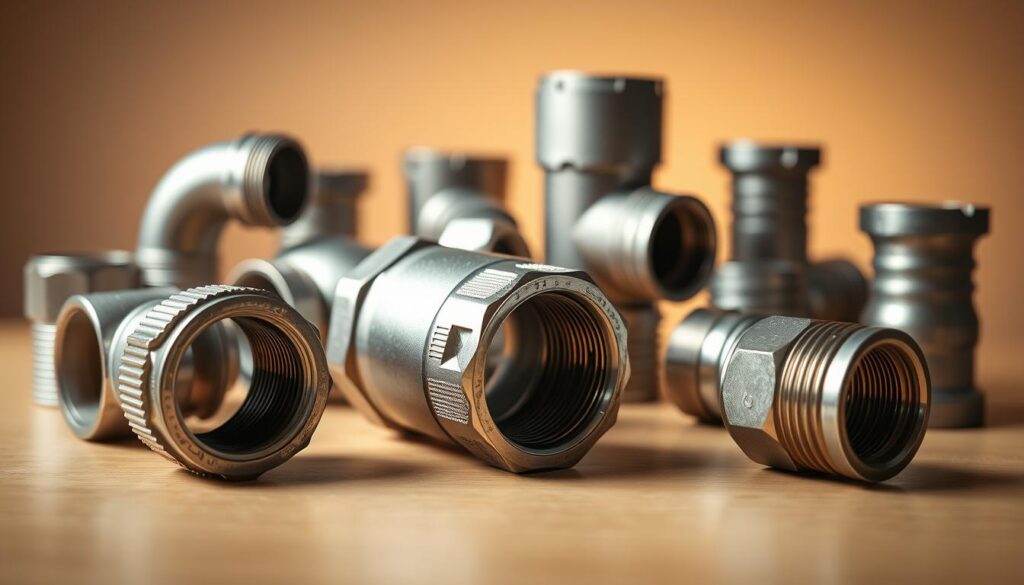
FIP stands for Female Iron Pipe. It’s a special threaded connection used a lot in homes and businesses. These fittings have internal threads to make tight, leak-free connections with male-threaded pipes.
Knowing about FIP fittings can help a lot when you’re doing plumbing work. They are made to seal well, so water flows right where you want it.
Key Takeaways
- FIP stands for Female Iron Pipe with internal threads
- Provides secure connections in plumbing systems
- Used in various residential and commercial applications
- Critical for preventing leaks and maintaining water pressure
- Available in multiple materials and sizes
- Essential for DIY and professional plumbing work
Table of Contents
Understanding FIP in Plumbing Systems
FIP (Female Iron Pipe) connections are key in modern plumbing. They link water supply, gas pipelines, and industrial uses. Knowing how they work helps in planning plumbing projects.
Basic Components of FIP Fittings
FIP fittings have special internal threads. This makes them different from other connections. The main parts are:
- Internal threaded design for precise connections
- Tapered threads matching pipe thread standards
- Compatibility with male-threaded pipe connections
- Robust sealing mechanisms
Common Applications in Plumbing
Plumbing pros use FIP connections in many areas. FIP is better than MIP in:
- Residential water distribution systems
- Commercial building infrastructure
- Industrial pipeline networks
- Gas transmission lines
Material Types and Construction
Materials affect FIP fitting performance. Common ones are:
- Brass: Excellent corrosion resistance
- Copper: High durability for water systems
- Galvanized Steel: Strong for industrial applications
Selecting the right material depends on your specific plumbing requirements and environmental conditions.
The Meaning Behind FIP Thread Types
Knowing about pipe fittings is key in plumbing. FIP (Female Iron Pipe) threads are a special type of connection. They are important in many plumbing jobs. These threads are made to hold fittings securely in place.
NPT threads are common in plumbing, and FIP threads match these standards. When picking pipe fittings, it’s important to check the thread type. This ensures they fit right together.
- FIP threads are always internal (female) pipe connections
- They create a tight seal with male-threaded fittings
- Typically used in water, gas, and other fluid transfer systems
The main features of FIP threads are:
- Consistent internal thread pattern
- Designed for seamless connection with MIP (Male Iron Pipe) fittings
- Available in various sizes to match different plumbing requirements
Both pros and DIY folks need to know about these threads. They help pick the right parts for plumbing jobs. The right choice stops leaks, keeps things strong, and makes your system work better.
What is FIP in Plumbing Fittings: A Complete Guide
Female Iron Pipe (FIP) fittings are key in plumbing systems. They ensure connections are secure and reliable. Knowing about these fittings helps you choose the right ones for your projects.
Internal Thread Design Features
FIP fittings have a special internal threading. These threads are made to create a tight seal and smooth connection with male fittings. The threads follow standards for compatibility in various plumbing uses.
- Precision-cut internal threads
- Tapered or straight thread configurations
- Standardized thread pitch and depth
Size Standards and Measurements
Choosing the right size for FIP fittings is important. Sizes are based on the pipe’s nominal size. This size determines the thread dimensions and how well the fittings connect.
| Nominal Pipe Size | Thread Size (inches) | Common Applications |
|---|---|---|
| 1/2″ | NPT 1/2″ | Residential water lines |
| 3/4″ | NPT 3/4″ | Irrigation systems |
| 1″ | NPT 1″ | Commercial plumbing |
Connection Mechanisms
The connection of female iron pipe fittings depends on precise threading and sealing. You might use thread tape or pipe dope for a leak-free connection, depending on the application.
- Threaded connections require proper alignment
- Sealing materials prevent leaks
- Torque specifications are key for a secure fit
Comparing FIP vs MIP Connections
Understanding the differences between FIP and MIP connections is key for good installations. Female Iron Pipe (FIP) and Male Iron Pipe (MIP) are important in cast iron pipe fittings. They help make plumbing systems safe and reliable.
The main difference is in their thread design:
- FIP (Female Iron Pipe): Has internal threads for receiving external threads
- MIP (Male Iron Pipe): Has external threads for connecting to FIP fittings
Choosing the right connection is vital for your plumbing project’s success. Cast iron pipe fittings use these connections to make sure water doesn’t leak. The threads fit together tightly, keeping the system leak-free and strong.
Each type of connection has its own role in plumbing:
- FIP connections are best for inlet and outlet connections
- MIP connections are great for linking pipes and fixtures
When picking between FIP and MIP, think about what your plumbing needs are. These connections work well together to create a dependable and efficient piping system. It will meet your project’s specific needs.
Essential Features of Female Iron Pipe Threads
Female iron pipe (FIP) fittings are key in plumbing systems. They have special threads for secure and leak-free connections. Knowing the specific features of female iron pipe is vital for plumbing success.
When dealing with pipe thread standards, you’ll find unique design elements in FIP fittings. These threads are made for reliable sealing and strong connections in plumbing.
Thread Pattern Specifications
Female iron pipe threads have two main types:
- Tapered threads for tight, pressure-resistant connections
- Straight threads for specific mechanical needs
Sealing Requirements
Sealing is key to prevent leaks in female iron pipe fittings. You’ll need to use special materials for a watertight connection:
- Teflon tape for general use
- Pipe dope for better sealing
- Thread sealant compounds for industrial needs
Installation Considerations
Installing FIP fittings needs careful attention. Precision is key for these connections. Make sure you have the right tools and know how to tighten properly for a secure, leak-free joint.
Mastering these essential features of female iron pipe threads will prepare you for many plumbing challenges. You’ll work with confidence and expertise.
FIP to NPT Compatibility Guide
Knowing about npt thread connections is key when working with different pipe systems. FIP (Female Iron Pipe) and NPT (National Pipe Thread) are common in plumbing. But, their compatibility needs careful thought.
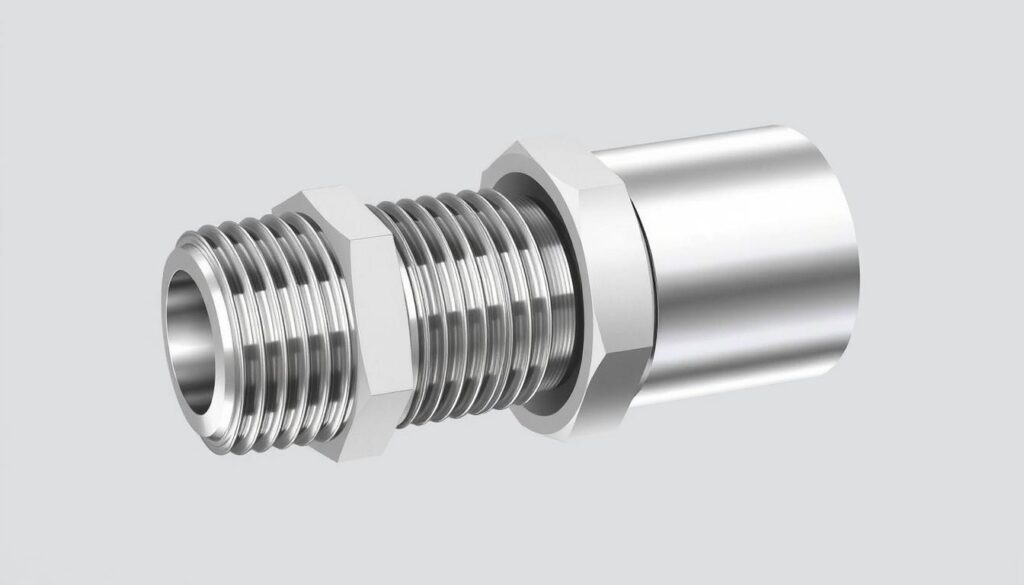
Connecting FIP and NPT fittings requires attention to several factors. This ensures a secure and leak-free connection. The npt thread connections have specific traits that affect their working together.
- Check thread pitch carefully
- Verify thread taper measurements
- Inspect sealing surfaces
- Use appropriate thread sealant
The match between FIP and NPT threads depends on precise measurements and design. Not all threads are created equal. Mismatched connections can cause leaks or system failures.
| Thread Type | Typical Application | Compatibility Level |
|---|---|---|
| FIP | Internal pipe connections | High |
| NPT | Standard pipe threads | High |
| FIP to NPT Adapter | Connecting different systems | Medium |
Understanding the differences between FIP and NPT threads is vital. You need to measure thread angles, check for consistent taper, and ensure proper sealing. This creates reliable connections.
Professional plumbers recommend always double-checking thread specifications before making any connections.
Your success in connecting FIP and NPT fittings depends on careful measurement and the right tools. Knowing pipe fittings terminology is also essential.
Best Practices for Installing FIP Fittings
Installing female iron pipe fittings needs precision and attention to detail. Knowing pipe fittings terminology is key for making reliable plumbing connections. This helps prevent leaks and ensures long-lasting performance.
Essential Tool Requirements
Before starting, make sure you have these important tools:
- Adjustable pipe wrench
- Thread sealant or pipe tape
- Clean cloth or rag
- Protective gloves
- Safety glasses
Step-by-Step Installation Process
- Clean the pipe threads well with a clean cloth
- Check the threads for damage or imperfections
- Apply thread sealant sparingly around male pipe threads
- Hand-tighten the female iron pipe fitting first
- Use a pipe wrench for the final tightening
Avoiding Common Installation Mistakes
Professional plumbers advise avoiding these common mistakes with female iron pipe fittings:
- Never over-tighten connections
- Prevent cross-threading by aligning threads carefully
- Use the right sealant for your pipe material
- Check for proper thread compatibility
- Inspect the connection for leaks after installation
By following these tips, you’ll make secure, leak-free plumbing connections that last.
Selecting the Right FIP Adapters and Connectors
Choosing the right fip threaded adapters is key for reliable plumbing connections. The right choice can greatly affect your plumbing system’s performance and life span.
When picking brass plumbing fittings, keep these points in mind:
- Pipe material compatibility
- Pressure rating requirements
- Environmental conditions
- Specific application needs
Brass fittings are a favorite among plumbers for their durability and resistance to corrosion. Quality is more important than price when picking fip threaded adapters. Look for fittings that meet industry standards and are known for their reliability.
Your choice should involve a detailed look at:
- Thread size and type
- Material composition
- Pressure handling capabilities
- Connection mechanism
Professional plumbers suggest buying high-grade brass fittings from trusted makers. These ensure connections are leak-free and last long in homes and businesses.
Precision in selection prevents plumbing failures.
Always check your project’s needs before buying fip threaded adapters. This ensures they work well and are safe.
Maintenance and Troubleshooting FIP Connections
Keeping FIP (Female Iron Pipe) connections in good shape is key for a long-lasting plumbing system. Knowing about FIP fittings helps protect your cast iron pipes from damage and costly fixes.
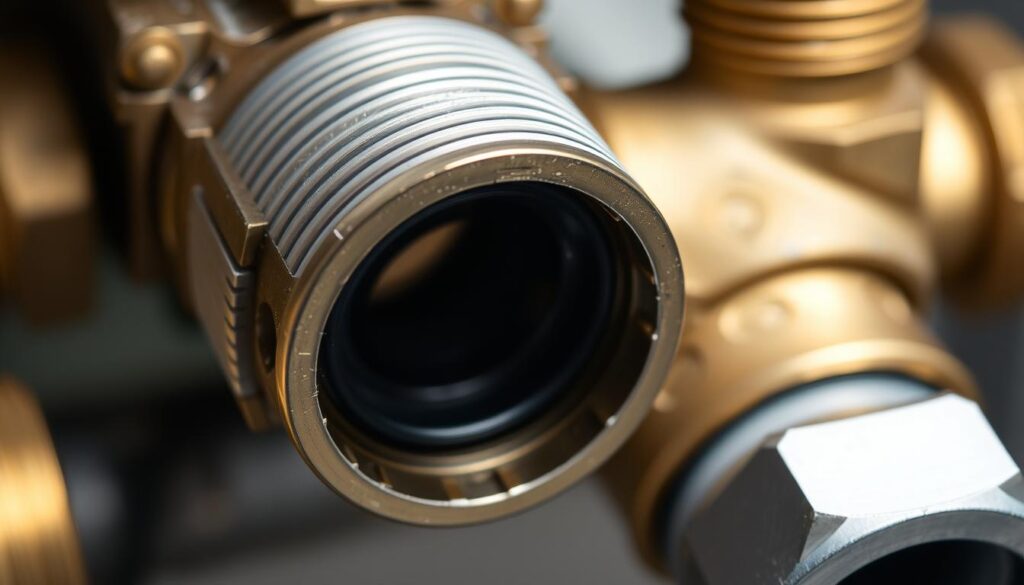
Regular upkeep stops leaks and makes your plumbing last longer. A smart plan can spot problems early, saving you from big headaches.
Leak Prevention Strategies
- Inspect connections monthly for signs of corrosion
- Check for small moisture spots around pipe joints
- Use high-quality thread sealant for cast iron fittings
- Ensure proper thread engagement when connecting fittings
Routine Maintenance Schedule
Make a regular maintenance plan to keep your FIP connections working well:
- Quarterly Inspection: Look over all exposed pipe connections
- Biannual Tightening: Gently retighten connections to prevent leaks
- Annual Detailed Check: Do a thorough check of pipe system integrity
When you’re fixing FIP connections, watch out for these signs:
- Rust or discoloration around pipe joints
- Unexplained moisture or water stains
- Unusual sounds when water flows through pipes
Pro Tip: Always use the right tools and parts for FIP connections to keep your system reliable.
Safety Considerations When Working with FIP Fittings
Working with pipe thread standards needs careful safety attention. Knowing pipe fittings terms is key to avoiding hazards in plumbing work. Always put your safety first when using FIP (Female Iron Pipe) fittings.
Both professional plumbers and DIY fans must take steps to stay safe. Wearing the right protective gear is a must when working with plumbing parts.
- Wear safety glasses to protect eyes from debris
- Use protective gloves to avoid skin contact with materials
- Wear steel-toed boots in industrial or construction settings
- Make sure there’s good air flow when working with pipe connections
Potential dangers with FIP fittings include:
| Risk Category | Potential Hazards | Prevention Strategies |
|---|---|---|
| Mechanical Risks | Sharp edges, threading cuts | Use proper handling techniques |
| Chemical Exposure | Pipe sealants, threading compounds | Wear chemical-resistant gloves |
| Pressure-Related | Potential pipe bursts | Check pressure ratings carefully |
“Safety is not an accident. It’s a deliberate strategy in professional plumbing work.” – Professional Plumbing Safety Guide
Always check your tools and fittings before starting any project. Good preparation can greatly lower accident risks and help ensure a good plumbing connection.
Common Applications and Industry Standards
FIP fittings are key in plumbing for homes and businesses. They help make piping systems reliable and meet high standards.
Plumbers use fip to copper fitting adaptors for many important jobs. These adaptors are found in:
- Water supply systems
- Heating infrastructure
- Gas line connections
- Industrial processing pipelines
Brass plumbing fittings with FIP threads are very durable and resistant to corrosion. They are great for places needing strong and lasting pipe connections.
“Quality FIP fittings ensure safe and efficient fluid transportation across multiple engineering applications.” – Plumbing Engineering Quarterly
Groups like ASME and ASTM set strict rules for making FIP fittings. These rules cover:
- Precise thread specifications
- Material quality requirements
- Performance testing protocols
- Safety compliance measures
When picking brass plumbing fittings, check they meet current standards. This ensures they work well and safely in your projects.
Professional tip: Always match your FIP fittings to the specific application requirements for maximum efficiency.
Conclusion
Understanding FIP in plumbing fittings is key for both pros and DIY fans. You’ve dived into the world of Female Iron Pipe (FIP) connections. Now, you know how vital they are for safe and efficient plumbing systems.
Pipe fittings terms might seem tough, but knowing FIP connections well helps a lot. You’ll learn about thread types, materials, and how to install them right. This knowledge stops leaks and keeps your systems working well.
Good maintenance and careful setup are essential for plumbing success. The skills you’ve picked up in FIP fittings will help you in the future. Always pay attention to details and follow industry standards for better plumbing systems.
As new tech and materials come out, keeping up with pipe fittings terms is important. Keep learning, practicing, and improving your skills. This way, you’ll become a skilled plumber ready for any challenge.