
Affiliate Disclosure
Plumber Guide Guys is a participant in the Amazon Services LLC Associates Program, an affiliate advertising program designed to provide a means for sites to earn advertising fees by advertising and linking to Amazon.
What is DWV Plumbing? Ever thought about what keeps your plumbing system working well? And what stops bad sewer smells from getting into your home? It’s all thanks to the drain waste vent (DWV) plumbing system. This key part of your home’s setup is often overlooked but very important.
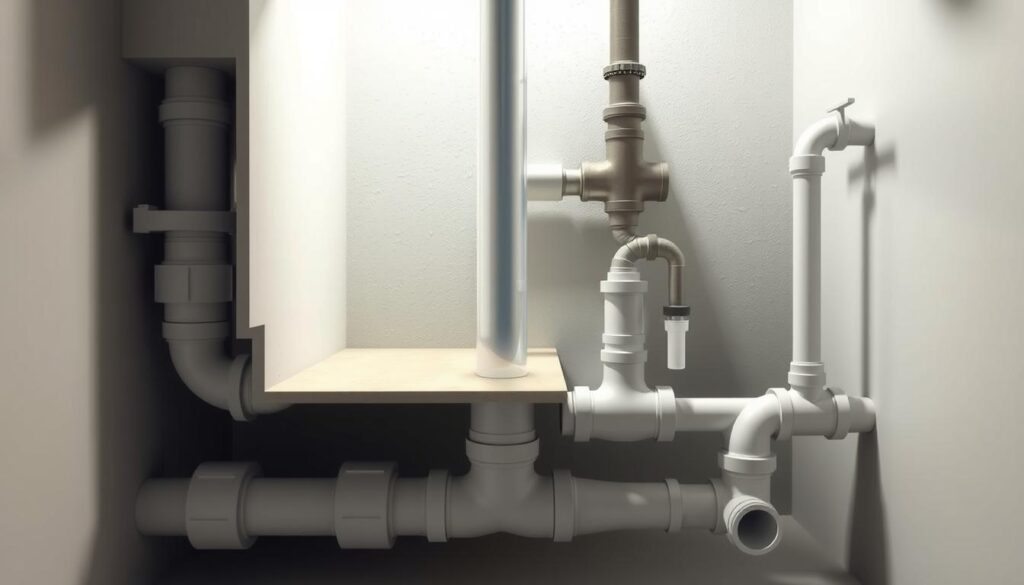
The DWV plumbing system is a hidden network that handles wastewater and ensures good air flow in your home. It works quietly behind walls and under floors. This keeps your home safe from health risks and makes sure your plumbing works right.
Learning about DWV plumbing helps you see the complex engineering that keeps your home clean and safe. It’s involved in everything from kitchen sinks to bathroom drains. The drain waste vent system is key in managing water flow and avoiding plumbing problems.
Key Takeaways
- DWV stands for Drain-Waste-Vent, a fundamental plumbing system
- Manages wastewater removal and prevents sewer gas buildup
- Essential for maintaining home sanitation and health
- Operates through a network of pipes and vents
- Critical for proper water drainage and air circulation
Table of Contents
Understanding the Basics of DWV Systems
Plumbing drainage systems are key to keeping our homes clean and safe. They handle wastewater and prevent water damage and health risks. DWV pipe materials are essential for these systems to work well.
DWV systems are complex networks that remove waste and ensure air flow. They are built on important principles to work right.
Key Components of DWV Plumbing
Your home’s drainage system has three main parts:
- Drain pipes: Carry wastewater away
- Waste pipes: Move sewage from toilets and other fixtures
- Vent pipes: Control air pressure in the system
How DWV Systems Function
Effective drainage systems need careful design and the right materials. The pipes work together to manage water flow and avoid blockages.
| Component | Primary Function | Material Considerations |
|---|---|---|
| Drain Pipes | Remove wastewater | PVC, Cast Iron, Copper |
| Waste Pipes | Transport sewage | ABS, PVC, Stainless Steel |
| Vent Pipes | Regulate air pressure | PVC, Cast Iron |
The Role of Gravity in DWV Systems
Gravity is the main force behind DWV systems. Proper pipe slope and design help wastewater flow well. This keeps the system working right and prevents backups.
Knowing about your home’s drainage system helps keep it healthy and functional.
What is DWV Plumbing and Why is it Important?
DWV plumbing is key to keeping your home clean and safe. It’s different from pressure plumbing systems because it uses gravity and air flow, not just water pressure.
A good dwv installation guide is very important. DWV systems do a few main things:
- They remove waste and wastewater well.
- They keep sewer gases out of your home.
- They help keep air pressure right in the pipes.
- They help keep your home healthy and clean.
When you compare DWV to pressure plumbing, you see big differences. Pressure systems push water, but DWV uses gravity and design to move waste.
| DWV System Feature | Function |
|---|---|
| Drain Pipes | Carry waste water away from home |
| Vent Pipes | Regulate air pressure and remove gases |
| Traps | Block sewer gases from entering living spaces |
Good DWV system design keeps your home clean, fresh, and strong. Regular upkeep stops expensive fixes and health dangers from bad waste handling.
Evolution of Modern Drain Systems
Residential dwv systems have changed a lot over time. They’ve moved from simple drainage to complex plumbing networks. This shows how technology and understanding of waste management have grown.
Drainage systems have been a big step forward in building and engineering. At first, people had trouble with waste removal. But now, we have ways to handle water and waste that are much better.
Historical Development
Old drainage ideas were simple compared to today’s systems. Important moments include:
- Mesopotamian clay pipe networks
- Roman aqueduct and sewage innovations
- Medieval European water management techniques
Contemporary DWV Innovations
Modern plumbing has seen big changes, thanks to pvc dwv pipes. These pipes are light, don’t rust, and have changed how we do drainage.
- Lightweight PVC material replacement
- Advanced joining techniques
- Enhanced durability and performance
Modern Design Principles
Today’s drainage systems aim for efficiency, green solutions, and top performance. Designers work on:
- Reducing harm to the environment
- Improving waste management
- Adding smart ventilation
The growth of drain systems shows we’re always getting better at managing waste at home. This makes our homes cleaner and more efficient.
Components of the Drain System
Knowing the parts of plumbing drainage systems is key to a good DWV system in your home. Each part is important for removing wastewater well and avoiding plumbing problems.
- P-Traps: They stop sewer gases from getting into your home
- Drain pipes in different sizes for handling various water amounts
- Cleanout plugs for easy maintenance and clearing blockages
- Pipe connections and fittings for smooth water flow
P-traps are very important in your drainage system. They are U-shaped and create a water seal. This seal keeps sewer gases out of your home. Modern systems use materials like PVC, cast iron, and copper, each with its own benefits.
Your home’s drainage system needs careful design to work well. The right size, material, and installation are essential. They help avoid clogs, leaks, and damage to your home.
Effective drainage is about more than just moving water—it’s about protecting your home’s health and structural integrity.
Understanding Waste Management in DWV
Waste management in DWV plumbing is key to your home’s drainage system. Your DWV installation guide must focus on how waste pipes handle both liquid and solid waste well.
Good waste management needs a deep understanding of your drainage system. The right dwv sizing standards are vital to avoid plumbing problems.
Types of Waste Pipes
Different waste pipes have different roles in your home’s plumbing:
- PVC pipes for general waste removal
- Cast iron pipes for commercial and heavy-duty uses
- ABS pipes for underground drainage
Proper Sizing and Installation
Choosing the wrong pipe size can cause big drainage issues. Your dwv installation guide should stress:
- Choosing the right pipe size for the waste volume
- Ensuring the right slope for gravity-assisted drainage
- Using the right materials for different environments
“A well-designed waste management system is the backbone of effective home plumbing.” – Professional Plumbing Association
Common Waste System Issues
Be aware of these common waste system problems:
- Clogs from wrong waste disposal
- Pipe degradation from harsh chemicals
- Incorrect pipe alignment that blocks drainage
Knowing these waste management basics helps keep your DWV system working well at home.
The Critical Role of Venting in DWV Systems
Your home’s plumbing relies heavily on the drain waste vent system. Venting is key to keeping your plumbing healthy and efficient. It ensures smooth drainage and keeps your home safe from hazards.
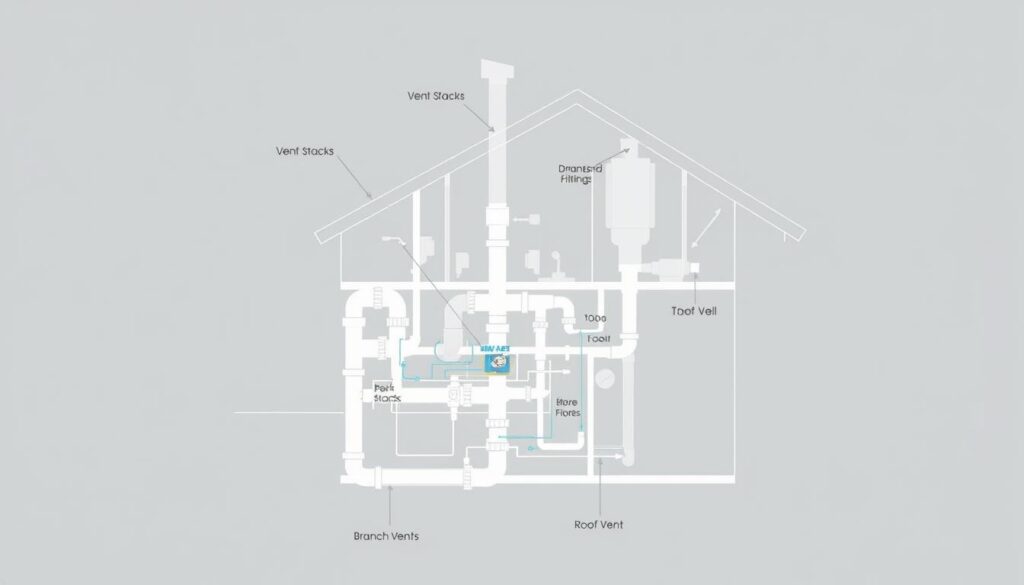
Venting in residential DWV systems does more than just let air flow. It’s essential for many reasons that might surprise you.
- Prevents negative air pressure that could disrupt water flow
- Protects trap seals from being siphoned out
- Allows safe release of sewer gases
- Maintains proper drainage efficiency
Residential plumbing uses stack vents and branch vents. Each type has a unique role in managing air pressure and ensuring your system works right.
| Vent Type | Primary Function | Location |
|---|---|---|
| Stack Vent | Primary air pressure regulation | Extends through roof |
| Branch Vent | Local pressure equalization | Connected to main stack |
| Air Admittance Valve | Localized pressure management | Inside wall cavities |
Without proper venting, your plumbing system can face big problems. Issues like slow drains, gurgling sounds, and sewer gas leaks can occur. Regular checks of your DWV systems help avoid these problems and keep your plumbing running smoothly.
DWV Materials and Installation Guidelines
When planning your drain, waste, and vent (DWV) system, picking the right materials is key. Following the right installation steps is also important. Your plumbing system’s success depends on knowing the right pvc dwv pipes and how to install them.
Approved Pipe Materials
Modern DWV systems use different pipe materials. Each has its own benefits:
- PVC: Lightweight, corrosion-resistant, and cost-effective
- ABS: Durable and good for cold places
- Cast Iron: Great for sound dampening
- Copper: A traditional, reliable choice
Installation Best Practices
A good dwv installation guide focuses on key details. Make sure the slope is right, use the right fittings, and support the pipes well. Pipes should slope at least 1/4 inch per foot for good waste drainage.
Code Requirements
Local building codes set rules for pvc dwv pipes. These rules help keep public health safe by ensuring waste is managed right. Always check with local building authorities and a pro plumber to make sure you follow the latest rules.
Common DWV Problems and Troubleshooting
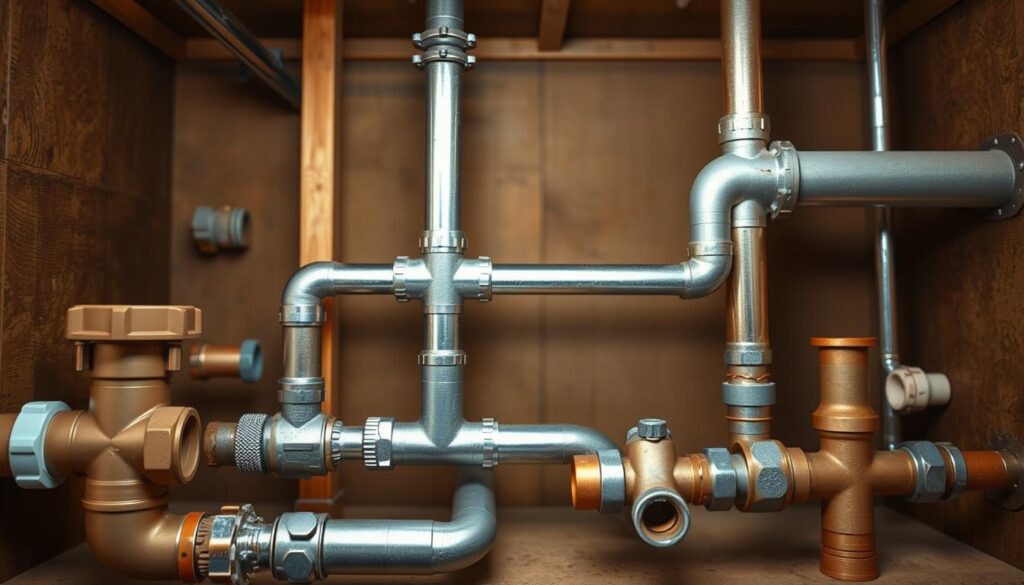
Dealing with plumbing drainage systems can be tough for homeowners. Knowing the difference between dwv and pressure plumbing helps you fix common issues early. This way, you avoid bigger problems later.
Drainage systems face many challenges that need quick action:
- Persistent pipe clogs
- Unexpected water leaks
- Unpleasant sewer odors
- Slow drainage performance
It’s important to find the source of these problems to keep your plumbing working well. Most issues come from:
- Improper initial installation
- Lack of regular maintenance
- Natural pipe deterioration
- Accumulated debris and mineral buildup
| Problem | Potential Cause | Recommended Action |
|---|---|---|
| Pipe Blockage | Debris accumulation | Professional drain cleaning |
| Pipe Leakage | Seal deterioration | Pipe joint inspection and repair |
| Foul Odors | Blocked venting | Vent system check |
Pro tip: When DIY solutions fail, always consult a professional plumber to prevent extensive damage to your drainage system.
Regular maintenance is the key to preventing costly plumbing repairs and ensuring long-term system reliability.
Maintenance and Care of DWV Systems
Keeping your residential dwv systems in good shape is key. It helps them last longer and saves you from big repair bills. Your drain, waste, and vent (DWV) plumbing needs regular care to work well.
There are important steps to follow for your dwv installation guide. These steps help protect your home’s plumbing.
Regular Inspection Essentials
- Check for visible pipe leaks or water damage monthly
- Inspect drain connections for signs of corrosion
- Listen for unusual gurgling sounds in pipes
- Look for water stains near plumbing fixtures
Preventive Maintenance Steps
- Clean drain stoppers and strainers regularly
- Avoid pouring grease or harsh chemicals down drains
- Run hot water through kitchen and bathroom drains weekly
- Use enzymatic drain cleaners to prevent buildup
For residential dwv systems, getting a professional check every 1-2 years is smart. Proactive maintenance is always more cost-effective than emergency repairs.
Regular care extends the life of your plumbing system and prevents unexpected breakdowns.
By sticking to these maintenance tips, you can keep your home’s DWV system in top shape. This protects your property and avoids costly plumbing emergencies.
Essential Code Requirements and Standards
Understanding DWV plumbing is complex. It requires knowing local and national codes. These rules are key for your home’s drainage system safety and efficiency.
DWV codes protect your property and health. They set the minimum standards for:
- Pipe material specifications
- Drainage system layout
- Venting protocols
- Sizing standards for waste pipes
When sizing DWV pipes, experts follow strict measurements. These rules help avoid plumbing failures. They guide the right pipe sizes based on:
- Fixture units
- Building occupancy
- Total waste volume
- Horizontal and vertical pipe configurations
Your local building department enforces these rules. Compliance is not optional – it’s a legal must. It keeps your home’s infrastructure safe and ensures waste is managed right.
Following DWV code requirements can save you from expensive fixes and health risks.
Professional plumbers are your go-to for these complex rules. They keep up with code changes. They help you understand and follow drainage system standards.
Conclusion
DWV plumbing is key in modern homes, handling waste and keeping things clean. Knowing about DWV plumbing helps your home stay healthy and work well. The drain waste vent system quietly removes wastewater, keeping you safe from health risks.
Setting up and keeping DWV systems right needs careful work. Plumbers use special methods and follow strict rules to make sure drainage works well. Homeowners can see the importance of these systems in keeping their homes clean and running smoothly.
It’s important to check your plumbing often and fix problems early. Issues like clogs, leaks, or bad venting can be found and fixed by pros. Learning about your plumbing system helps avoid big repair costs and keeps it working well for a long time.
As new tech comes along, DWV plumbing gets better, using better materials and designs. By keeping up with new info and working with skilled plumbers, you can keep your plumbing system strong. This protects your home’s structure and the environment.