

Affiliate Disclosure
Plumber Guide Guys is a participant in the Amazon Services LLC Associates Program, an affiliate advertising program designed to provide a means for sites to earn advertising fees by advertising and linking to Amazon.
What Is CTS in Plumbing? Ever thought about how plumbers get pipe measurements just right? This keeps your water systems working well. Copper Tube Size (CTS) is key to reliable plumbing in homes and businesses across the U.S.
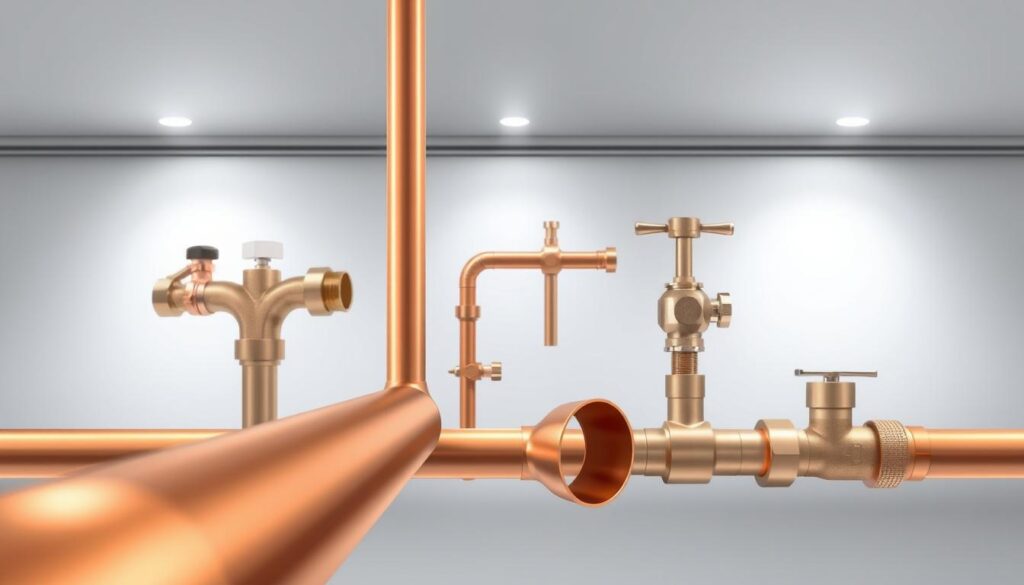
CTS in plumbing is a standard measurement system. It’s vital for designing and installing water networks. When you deal with copper tube size, you’re using a precise standard. This ensures pipes work well in homes and businesses.
Knowing what CTS in plumbing means can help you make better choices for your water systems. Whether you’re a homeowner, contractor, or engineer, understanding copper tube size is important. It lets you pick the right materials for your project.
Key Takeaways
- CTS provides a standardized measurement system for plumbing pipes
- Copper tube size ensures consistent water distribution
- CTS is vital for both residential and commercial plumbing projects
- Understanding CTS helps choose the right piping materials
- Precise measurements prevent system failures
Table of Contents
Understanding CTS (Copper Tube Size) in Plumbing Systems
Copper Tube Size (CTS) is key in plumbing. It helps both pros and homeowners know about pipe sizes and how they fit together. This system makes sure pipe sizes are the same in all plumbing jobs.
CTS plumbing focuses on the outside diameter (OD) of copper tubing. This makes sure all pipes, no matter the material, are the same size.
Basic Definition and Industry Standards
The CTS system uses exact outside diameter (OD) measurements for pipes. It has a few main points:
- Standardized outside diameter measurements
- Consistent sizing across copper and plastic pipes
- Simplified identification of pipe dimensions
Historical Development of CTS
Plumbing experts created the CTS system for uniform pipe sizes. Over time, these standards have greatly improved:
- Pipe manufacturing precision
- Installation consistency
- Material compatibility
Role in Modern Plumbing
CTS is vital in today’s plumbing. It offers a solid base for choosing and installing pipes. It ensures:
| Plumbing Aspect | CTS Contribution |
|---|---|
| Sizing Accuracy | Precise external diameter measurements |
| Material Compatibility | Standardized dimensions across pipe types |
| Installation Efficiency | Simplified pipe selection process |
Knowing about CTS pipe diameter standards is a must for anyone in plumbing.
Types of CTS Plumbing Materials
CTS plumbing systems offer different materials for water supply lines. You can choose from metal and plastic, each with its own benefits for your plumbing.
Copper is a top pick for plumbing. It’s durable and reliable, used in homes and businesses for years. Copper tubes handle heat well and last a long time.
- Copper CTS Materials
- Type K: Thickest wall, ideal for underground applications
- Type L: Medium wall thickness, most common in residential plumbing
- Type M: Thinnest wall, used for low-pressure systems
Plastic options like CPVC are also popular. They offer benefits for water lines, even in tough environments.
- Plastic CTS Materials
- CPVC: Chlorinated polyvinyl chloride, resistant to corrosion
- PEX: Cross-linked polyethylene, flexible and easy to install
- Polypropylene: Highly chemical-resistant material
Choosing the right material depends on your project, local rules, and the environment. Knowing what each material offers helps you pick the best for your plumbing.
CTS Dimensional Standards and Specifications
Knowing cts pipe dimensions is key for good residential plumbing. Copper tube size (CTS) pipes have exact measurements. These ensure they fit right and work well in your plumbing system.
When picking pipes for your home plumbing, look at a few important sizes:
- Outside diameter (OD) measurements
- Inside diameter (ID) specifications
- Wall thickness variations
Outside Diameter (OD) Measurements
CTS pipes have standard outside diameters. Common sizes for home plumbing are:
- ½ inch
- ¾ inch
- 1 inch
- 1¼ inches
- 1½ inches
Inside Diameter (ID) Specifications
The inside diameter affects water flow and pressure. Residential plumbing specifications need careful ID measurements for best performance.
Wall Thickness Variations
CTS pipes have different wall thicknesses: Type K (heaviest), Type L (medium), Type M (thinnest), and DWV (drain, waste, vent). Each type is for specific plumbing needs with unique cts pipe dimensions.
Selecting the right pipe depends on your specific residential plumbing requirements and local building codes.
What is CTS in Plumbing: Essential Knowledge
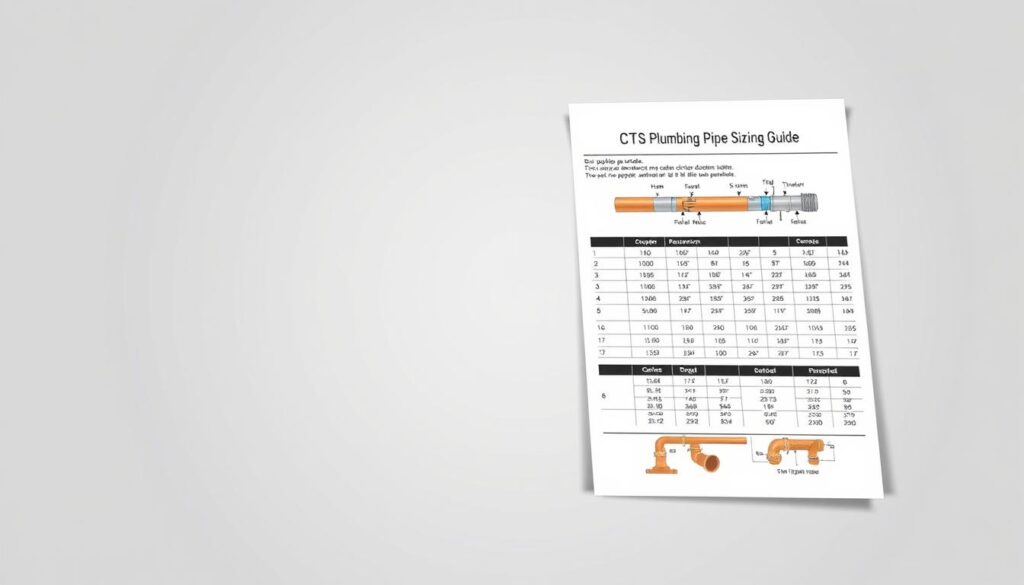
Knowing what CTS in plumbing means is key for those working with water systems. CTS stands for Copper Tube Size. It’s a standard for measuring both plastic and metal pipes. This standard makes sure all pipes fit together right, no matter the material.
CTS is all about precise measurements. Plumbers use these to pick the right pipes for their jobs. This way, plastic pipes also fit into the CTS system, making it easy to talk about pipe sizes.
- Standardizes pipe dimensions across materials
- Ensures compatibility between different pipe types
- Provides consistent sizing for water distribution systems
CTS has some important features:
| Characteristic | Description |
|---|---|
| Measurement Standard | Outside Diameter (OD) based sizing |
| Material Flexibility | Works with copper, PEX, and CPVC pipes |
| Common Sizes | ½”, ¾”, 1″, 1¼”, 1½”, 2″ |
Both pros and DIY folks gain from knowing CTS. It makes choosing pipes easier and ensures they fit right. Whether you’re tackling home or business plumbing, understanding CTS helps you make better choices about pipe sizes and how to install them.
CTS Applications in Residential and Commercial Settings
Copper Tube Size (CTS) is key in modern plumbing. It ensures efficient water flow in homes and businesses. Knowing how to size water lines and meet plumbing standards is vital for good performance.
CTS systems fit many water needs. Your plumbing needs the right size and material for water quality and efficiency.
Hot Water Distribution Systems
CTS copper tubes are great for hot water. They conduct heat well and last long. Important things to think about include:
- Choosing the right pipe size
- Insulation needs
- Temperature and pressure limits
- Keeping pipes from corroding
Cold Water Supply Lines
Cold water lines need careful planning for steady pressure and quality. When setting up plumbing, experts look at:
- Material that works well together
- Water line size
- Local building codes
- Environmental factors
Skilled plumbers use CTS to build strong, efficient water systems. These systems meet many residential and commercial needs.
CPVC vs Copper in CTS Applications

Choosing the right material for your plumbing system is key. CPVC and copper tube size (CTS) have their own benefits. They suit different needs in homes and businesses.
Copper has been a top choice for plumbing for years. It’s strong, reliable, and fights off bacteria naturally. Experts say copper is best for carrying water.
CPVC is a newer option with its own perks:
- It’s cheaper to buy
- It doesn’t corrode easily
- It’s easier to install
- It’s lighter
Let’s look at how CPVC and copper compare:
| Characteristic | CPVC | Copper |
|---|---|---|
| Initial Cost | Lower (20-30% cheaper) | Higher |
| Durability | Good, with some cracking risk | Excellent, lasts a long time |
| Temperature Resistance | Up to 180°F | Up to 1981°F |
| Corrosion Resistance | High | Varies with water chemistry |
What you need for your plumbing will decide the best choice. Think about your local water, budget, and how easy it is to install. This will help you pick between CPVC and copper for your project.
Installation Guidelines for CTS Plumbing
Installing CTS plumbing needs precision and attention to detail. Professional plumbers know that right installation makes your system last longer and work better. You need to know the key techniques and use the right tools for measuring CTS plumbing.
Essential Tools for CTS Plumbing Installation
Before starting your CTS plumbing project, get these important tools:
- Pipe cutter for precise pipe diameter standards
- Deburring tool
- Cleaning brush
- Flux and flux brush
- Propane torch
- Lead-free solder
- Measuring tape
Step-by-Step Installation Process
- Measure and mark your CTS pipes accurately
- Cut pipes using a dedicated pipe cutter
- Remove burrs with deburring tool
- Clean pipe ends thoroughly
- Apply flux to pipe and fitting surfaces
- Heat joint with torch until solder melts
- Allow joint to cool naturally
For successful CTS plumbing installation, you must understand pipe diameter standards and keep precision. Always wear protective gear and follow local building codes during your project.
Common CTS Sizing and Compatibility
Understanding CTS pipe dimensions can be challenging. It’s important for both pros and DIY fans. Knowing how to size water supply lines is key for a good plumbing system. The right pipe size ensures water flows well and the system works right.
When looking at CTS pipe sizes, keep these points in mind:
- Pipe diameter specifications
- Material compatibility
- Water pressure requirements
- System-specific needs
Choosing the right water supply line size is more than just matching pipe diameters. You must think about your plumbing project’s needs. This includes water pressure, flow rate, and pipe length.
“Proper sizing is the foundation of an effective plumbing system.” – Professional Plumbing Association
When connecting different materials, compatibility is key. Consider these:
- Matching copper tube size (CTS) standards
- Using the right transition fittings
- Checking material-specific needs
- Verifying local building codes
Experts say to measure and plan your water supply line size carefully before you start. Wrong CTS pipe sizes can cause low water pressure, poor system performance, and damage over time.
Safety Considerations and Building Codes
Understanding safety standards and building codes is key when dealing with residential plumbing. Your CTS plumbing system must meet strict rules to work well and keep everyone safe.
When you work with pipe sizes, remember the safety rules that protect your home and family. Building codes are more than just rules. They help keep plumbing systems at a high standard.
Code Compliance Requirements
To install CTS plumbing right, you must follow local and national building codes closely. Important areas include:
- Pressure rating specifications
- Material certification protocols
- Dimensional accuracy of pipe components
- Proper joining and connection methods
Safety Standards and Certifications
Professional plumbers must make sure all CTS materials pass safety tests. This means checking:
- ASTM international standards
- NSF/ANSI water safety ratings
- Local municipal plumbing regulations
- Manufacturer-specific performance guidelines
Remember: Cutting corners on safety can lead to catastrophic system failures and health risks.
Maintenance and Troubleshooting of CTS Systems
Keeping your CTS plumbing system in good shape is key. Knowing what CTS plumbing is helps you avoid problems and make your water system last longer.
It’s important to regularly check and maintain your CTS plumbing. This keeps your pipes working well.
- Inspect pipes annually for signs of corrosion
- Check for water pressure fluctuations
- Monitor pipe connections for possible leaks
- Clean pipe interiors to stop mineral buildup
There are ways to find and fix problems early. Watch out for these signs:
| Warning Sign | Potential Issue | Recommended Action |
|---|---|---|
| Discolored water | Pipe corrosion | Professional inspection |
| Reduced water pressure | Mineral blockage | Pipe cleaning or replacement |
| Unusual noises | Pipe movement or stress | Pipe support adjustment |
When DIY fixes don’t work, it’s time to call a pro. Plumbers can find and fix complex problems in your CTS system.
Preventative maintenance is always more cost-effective than emergency repairs.
Looking after your CTS plumbing system saves money and keeps your water flowing smoothly.
Conclusion
Knowing about copper tube size (CTS) is key for plumbing success. It’s important whether you’re using old copper pipes or new plastic ones. The right size ensures your plumbing works well and lasts long.
CTS knowledge is vital for both home and business plumbing. It helps everyone choose the right materials and tools. This makes water systems better and safer.
Think about the size of your pipes for your next plumbing job. The right sizes can avoid problems. Plumbers use these standards to create reliable water systems.
Learning about CTS helps you make better choices for your plumbing. This guide gives you the knowledge to pick the right pipes and install them correctly. You’ll be more confident in your plumbing skills.