
Affiliate Disclosure
Plumber Guide Guys is a participant in the Amazon Services LLC Associates Program, an affiliate advertising program designed to provide a means for sites to earn advertising fees by advertising and linking to Amazon.
What is Commercial Plumbing? Ever wondered what keeps big places like hospitals, schools, and offices running? It’s all thanks to commercial plumbing services. This complex system is vital but often unseen.
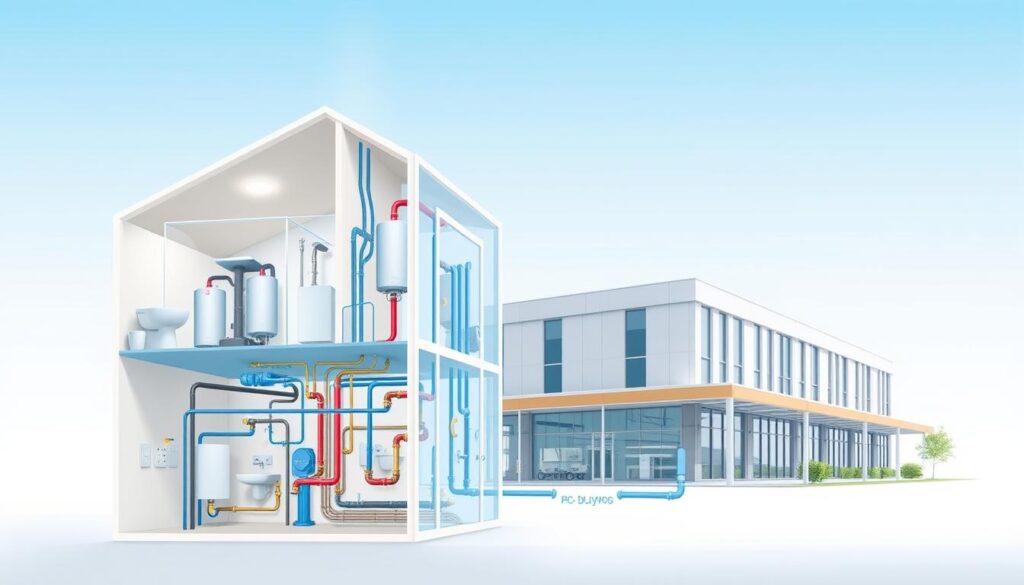
Commercial plumbing is much more complex than home plumbing. It has detailed networks of pipes and special equipment. These systems handle a lot of water and waste for big buildings.
Experts in commercial plumbing keep your building’s water and drainage working right. They handle the unique needs of big buildings. Whether it’s a high-rise office or a huge hospital, they make sure water is managed safely and efficiently.
Key Takeaways
- Commercial plumbing handles large-scale water distribution for complex buildings
- These systems support multiple simultaneous uses unlike residential plumbing
- Professional expertise is key for designing and maintaining commercial systems
- Commercial plumbing services cover hospitals, schools, offices, and other large establishments
- Specialized equipment and complex pipe networks define commercial plumbing
Table of Contents
Understanding Commercial Plumbing Basics
Commercial plumbing systems are much more complex than home plumbing. They are vital in places like offices and factories. Knowing how they work helps us see the detailed systems that keep businesses running.
Core Functions and Services
Professional commercial plumbing systems offer key services. These services keep big buildings running well. They include:
- Water distribution management
- Waste removal and drainage
- Specialized fixture installations
- Pressure regulation systems
Common Commercial Applications
Commercial plumbing meets the needs of various industries. It shows how versatile these systems are:
| Industry | Specific Plumbing Requirements |
|---|---|
| Healthcare | Sterile water systems, medical gas lines |
| Restaurants | Grease trap installations, high-volume drainage |
| Manufacturing | Industrial-grade pipe networks, chemical-resistant materials |
Professional Requirements
Commercial plumbers need specialized knowledge. They must know about building rules, complex designs, and managing systems. Their job is to keep plumbing systems working well.
They get advanced training and certifications. They also know a lot about safety and codes. They use special tools and tech to make sure plumbing works right.
What is Commercial Plumbing: A Comprehensive Overview
Commercial plumbing is a special field that goes beyond home plumbing. It deals with complex systems in big buildings and industrial places.
Commercial plumbers face unique challenges that home plumbers don’t. They work in many places like:
- Office complexes
- Shopping centers
- Industrial facilities
- Healthcare institutions
- Educational campuses
They manage big pipe networks, lots of fixtures, and advanced water systems. This work needs special knowledge and skills.
Commercial plumbing has big differences:
- Large-scale infrastructure
- Complex water distribution systems
- High-volume fixture requirements
- Strict regulatory compliance
Commercial plumbers must follow strict rules and codes. They make sure buildings work well, safely, and efficiently.
Key Components of Commercial Plumbing Systems
Commercial plumbing systems are complex networks of pipes, fixtures, and equipment. They are designed to handle the water needs of large buildings. These commercial plumbing systems are more than just water delivery. They are essential for businesses, hospitals, schools, and other large facilities.
Understanding commercial plumbing systems requires looking at their design and function. These systems must handle more water and complex needs than home plumbing.
Industrial-Grade Fixtures and Equipment
Professional-grade fixtures are the heart of commercial plumbing. They are made to last through heavy use. Important fixtures include:
- High-capacity toilets and urinals
- Industrial-strength sinks
- Specialized water fountains
- Pressure-regulated faucets
Complex Pipe Networks
Commercial buildings need advanced pipe systems. These systems manage water across floors and zones. Redundancy is key – it ensures the system keeps working even if a part fails.
Water Pressure Management Systems
Managing water pressure is vital in commercial plumbing. Booster pumps and valves keep water flow steady. They prevent low water flow and pipe damage.
Commercial vs Residential Plumbing: Scale and Scope
Looking into commercial and residential plumbing shows big differences. Commercial plumbing is much more complex and designed for large spaces. It faces unique challenges that residential plumbing doesn’t.
The main differences are:
- Water Volume and Demand: Commercial places need strong systems to handle lots of water at once. This is because many people use water at the same time.
- System Complexity: Commercial plumbing has complex pipe setups. These support big buildings.
- Material Specifications: Commercial plumbing uses tough materials. These can handle high pressure and lots of use.
Commercial plumbing systems have to work really well. For example, a hotel’s plumbing must handle hundreds of users at once. This requires careful planning. Home plumbing, on the other hand, deals with fewer users and more predictable needs.
Professional plumbers know commercial plumbing is not just bigger residential plumbing. It’s a special field.
Understanding these differences shows how complex commercial plumbing is. Each system is carefully made to provide reliable water to different places.
Types of Commercial Plumbing Services
Commercial plumbing services are key for keeping businesses running smoothly. They help keep the plumbing systems in good shape. This is important for all kinds of businesses and institutions.
These services cover many areas that need special skills and tools. They are more complex than what homes need. This is because businesses have bigger and more complex systems.
Installation Services
Installing plumbing for businesses is a big job. It involves designing systems that fit the business needs. Some tasks include:
- Toilet and kitchen fixture placement
- Drinking fountain installation
- Complex sprinkler system setup
- Water and sewer line construction
- Industrial boiler system implementation
Maintenance and Repairs
Keeping plumbing systems in check is vital. Technicians do detailed checks to find and fix problems. They look for:
- Active leak detection
- Corrosion identification
- Water pressure measurements
- Valve and drain inspections
- Backflow prevention testing
Emergency Response Solutions
When plumbing emergencies happen, quick action is needed. Professional teams are ready 24/7. They work fast to avoid big problems and keep things running.
| Service Type | Response Time | Typical Issues Addressed |
|---|---|---|
| Emergency Plumbing | Within 1-2 hours | Major pipe bursts, severe leaks |
| Urgent Repairs | 4-6 hours | Water pressure problems, fixture failures |
| Scheduled Maintenance | Preventative | System health checks, prevent issues |
Getting professional plumbing services is smart for businesses. It keeps systems working well, avoids surprises, and keeps things running smoothly.
Building Codes and Regulations in Commercial Plumbing
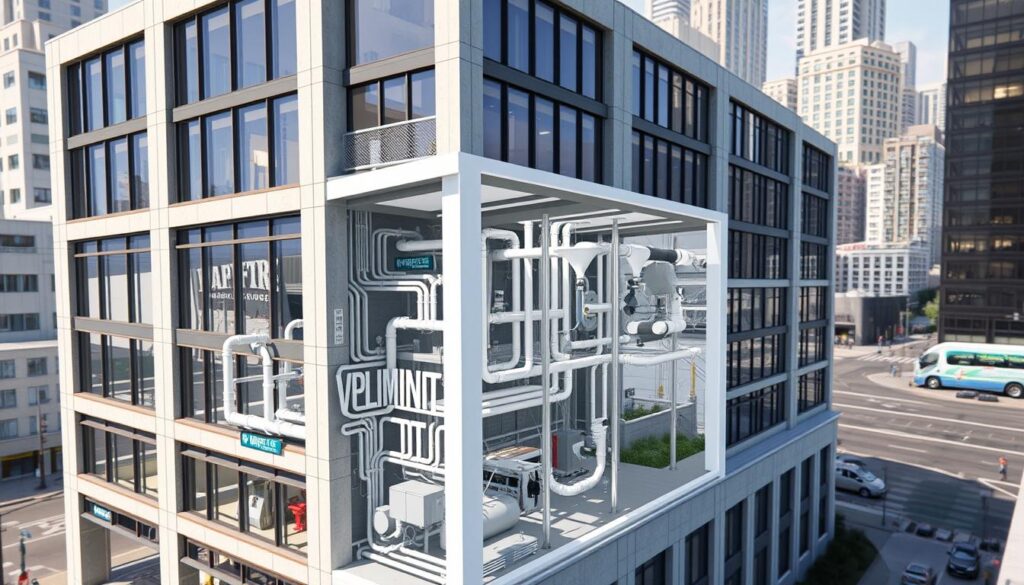
Understanding building code requirements for commercial plumbing is key. It ensures safety, efficiency, and follows the law. These rules protect public health and set important standards for plumbing in commercial areas.
Building code rules for commercial plumbing cover many areas. Plumbers need to know and follow these:
- Local municipal regulations
- State-specific plumbing standards
- Federal health and safety guidelines
- Americans with Disabilities Act (ADA) compliance
Important areas in commercial plumbing rules include:
- Water Efficiency Standards: Low-flow fixtures and saving water
- Health and Sanitation Codes: Stopping contamination and ensuring clean water
- Fire Prevention Requirements: Systems that reduce fire risks
Professional plumbers must keep up with changing rules. They need regular training and certification. This ensures plumbing meets the latest safety and performance standards.
Compliance is not optional—it’s a critical responsibility that protects public health and ensures system reliability.
Knowing these detailed rules helps create, install, and keep commercial plumbing systems safe, efficient, and legal.
Commercial Plumbing System Design and Layout
Creating commercial plumbing systems needs careful planning and special skills. These systems are much more complex than home setups. They require unique solutions for water flow, drainage, and managing the whole system.
Commercial plumbing systems must deal with a lot of water and use it all day, every day. Architects and plumbing experts work together. They aim to make systems that work well and meet high standards.
Multi-Story Considerations
Building plumbing systems in tall buildings is tricky. Water pressure and gravity are key to keeping water flowing well from bottom to top.
- Pressure regulation systems
- Vertical pipe alignment
- Balanced water distribution
Water Distribution Systems
Commercial plumbing systems need special water networks for high-demand places. Pipes made of copper and galvanized steel are strong and reliable.
| Material | Durability | Usage |
|---|---|---|
| Copper | High | Long-term installations |
| Galvanized Steel | Very High | Heavy-duty applications |
| PEX | Moderate | Flexible installations |
Drainage and Waste Management
Good drainage is key in commercial plumbing. Special designs help avoid clogs, manage waste well, and follow health rules.
Your commercial building’s plumbing needs expert design. It should meet future needs, work well, and avoid maintenance problems.
Maintenance Requirements and Schedules
Keeping your commercial plumbing in top shape is key to a smooth operation. Unlike homes, commercial plumbing needs more care and often more often. This helps avoid costly problems.
Effective maintenance includes several important steps:
- Regular system inspections
- Proactive leak detection
- Pressure system evaluations
- Drain cleaning and optimization
Make sure to schedule quarterly professional assessments. These thorough checks spot issues early, saving you money. Experts use tools like video cameras to check pipes.
Important tasks for commercial plumbing include:
- Checking water pressure levels
- Inspecting pipe integrity
- Cleaning drainage systems
- Evaluating water heater performance
Commercial plumbing needs special tools and skills. Technicians must know about industrial fixtures and complex pipes. Regular maintenance stops big problems and makes your plumbing last longer.
“Preventative maintenance is always more cost-effective than emergency repairs” – Professional Plumbing Association
Commercial Plumbing Safety Standards
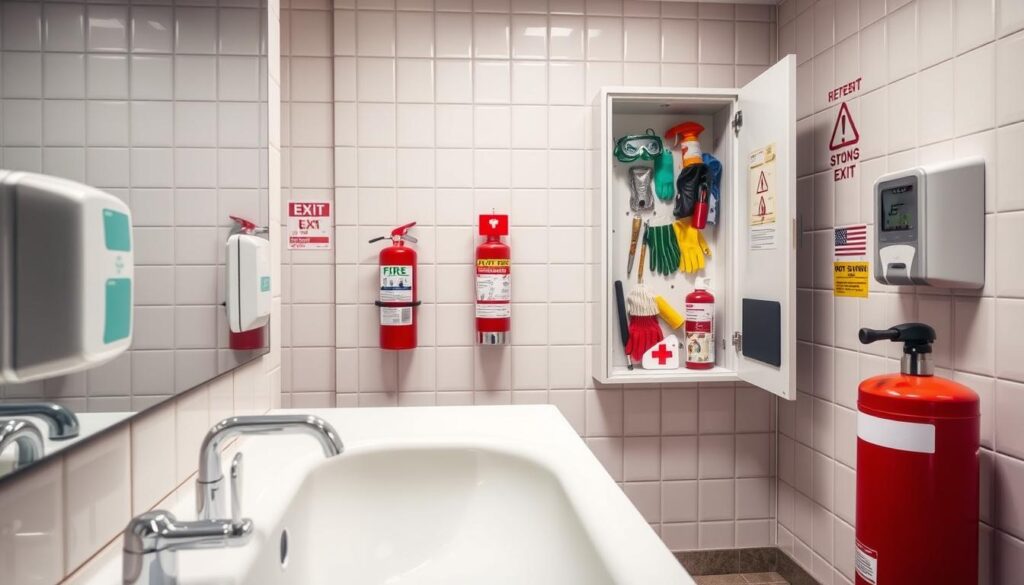
Safety is key in commercial plumbing. Your building’s water systems need strict safety rules to keep people healthy and follow the law. Knowing the building code for commercial plumbing is vital for safe and efficient water systems.
Health and Safety Protocols
Commercial plumbing safety covers many important areas. Experts must follow strict rules to avoid health dangers:
- Regular water quality tests
- Checks on advanced filtration systems
- Steps to stop cross-contamination
- Keeping detailed records of maintenance
Risk Management Strategies
Good risk management in commercial plumbing means taking steps to reduce dangers. Building codes for commercial plumbing need careful attention.
| Risk Area | Mitigation Strategy | Frequency |
|---|---|---|
| Water Contamination | Advanced Filtration Systems | Quarterly |
| Pipe Integrity | Comprehensive Inspections | Bi-Annual |
| Backflow Prevention | Certified Backflow Testing | Annual |
Places like hospitals and food service areas need extra strict safety rules. This is to protect public health and meet strict standards.
Strong safety rules are more than just following the law. They’re about keeping people safe and ensuring top-notch water systems in commercial places.
Technology in Modern Commercial Plumbing
Technology has changed commercial plumbing systems a lot. It now uses new digital tools that make things more efficient and accurate. These tools help in managing water and designing plumbing systems better.
Some big tech changes in commercial plumbing are:
- Smart water management platforms
- IoT-enabled diagnostic tools
- Advanced digital monitoring systems
- Precision leak detection technologies
These digital tools help plumbers find problems quickly and fix them right. Wireless sensors can check water pressure, find leaks, and watch system health in real-time. They help cut down water waste and lower upkeep costs.
New tech is also changing commercial plumbing. It includes:
- Automated diagnostic equipment
- Cloud-based reporting systems
- AI-powered predictive maintenance tools
Plumbers need to keep learning new tech to stay ahead. Getting better at digital tools is key for great plumbing services.
Technology isn’t just changing plumbing—it’s redefining how we manage water resources in commercial environments.
Cost Considerations and Budget Planning
Planning your budget for commercial plumbing needs careful thought. Contractors know these projects cost more than home work. Your budget must cover many factors that increase costs.
Key cost considerations include:
- Material expenses for industrial-grade components
- Specialized labor requirements
- Regulatory compliance and inspection fees
- Long-term maintenance planning
Material costs can change a lot. For example, commercial plumbing installations need stronger piping. This piping can handle more pressure and use than home systems.
Your budget should plan for both upfront costs and future upkeep. Investing in quality systems can save on repair costs later. Contractors suggest setting aside money for regular checks and maintenance to avoid sudden problems.
| Cost Component | Estimated Range |
|---|---|
| Initial Installation | $5,000 – $50,000 |
| Annual Maintenance | 10-15% of installation cost |
| Emergency Repair Contingency | 5-8% of total budget |
Knowing these financial aspects helps you plan a detailed budget. This ensures your commercial plumbing works well and keeps costs in check.
Conclusion
Commercial plumbing is key for businesses in the United States. It’s not just about pipes. It’s a complex system for safe water and waste management in big buildings.
Knowing about commercial plumbing services is vital for a safe workplace. Professional plumbers tackle big challenges in places like hospitals and offices. They make sure everything works right.
Choosing the right plumbers is important for your business. They fix problems and give advice on how to improve your plumbing system. This helps your business run better.
As businesses grow, so does the need for good plumbing. It keeps buildings safe and running well. Getting quality plumbing services is a smart investment for your business.