

Affiliate Disclosure
Plumber Guide Guys is a participant in the Amazon Services LLC Associates Program, an affiliate advertising program designed to provide a means for sites to earn advertising fees by advertising and linking to Amazon.
What Is Bottle Trap in Plumbing? Ever wondered how your sink keeps sewer smells out of your home? The answer is a small but powerful plumbing part called a bottle trap. Learning about bottle traps reveals a key solution for keeping water flowing right.
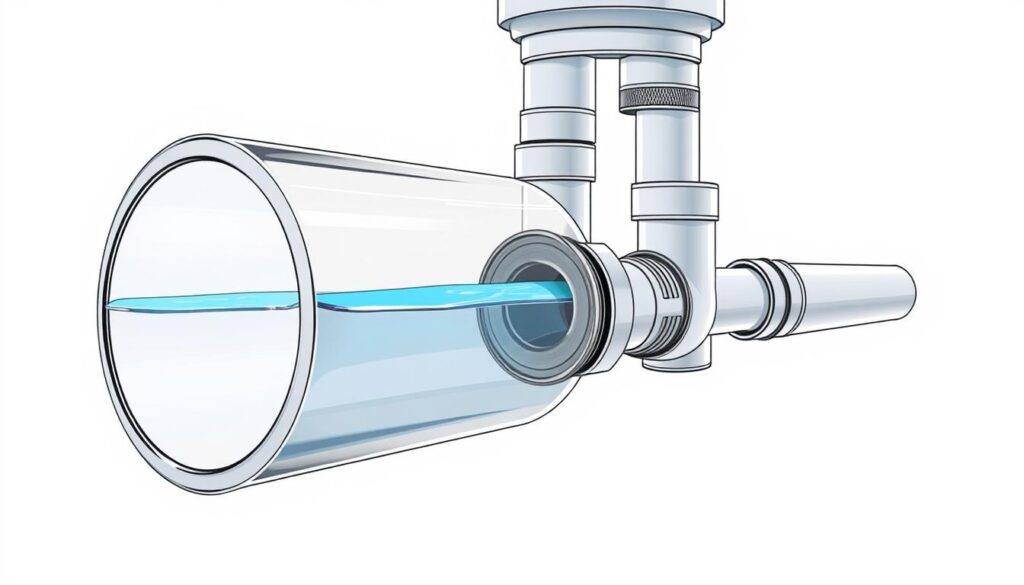
A bottle trap does more than it looks like. It creates a water seal that keeps bad gases out while letting wastewater move freely. Unlike old traps, bottle traps have special benefits for today’s homes and businesses.
Knowing about bottle traps helps you choose the best for your plumbing. They prevent health risks and ensure water flows well. These small devices are key to a clean and safe place to live.
Key Takeaways
- Bottle traps create an essential water seal in plumbing systems
- They effectively block sewer gases from entering living spaces
- Compact design makes them ideal for tight spaces
- Easier to clean and maintain compared to traditional traps
- Suitable for various residential and commercial applications
Table of Contents
Introduction to Plumbing Traps and Their Importance
Plumbing traps are key in your home’s drainage system. They keep your space safe from bad sewer gases. These devices help keep your home healthy and smelling good.
Knowing how bottle traps work is important for homeowners. They create a water seal. This seal stops sewer gases from getting in while letting water flow.
Understanding Water Seals in Plumbing
Water seals are vital for traps to work. When you look at p-trap vs bottle trap, you see they both use a simple idea:
- A curved pipe holds water
- This water blocks sewer gases
- The seal stays up because of gravity and pipe shape
Role of Traps in Preventing Sewer Gas
Sewer gases are more than a bother. They have harmful bacteria and toxic stuff that can hurt your health. Plumbing traps keep these gases out of your home.
Common Types of Plumbing Traps
| Trap Type | Primary Use | Key Characteristics |
|---|---|---|
| P-Trap | Sink and Shower Drains | Most common residential trap design |
| Bottle Trap | Compact Spaces | Vertical design, ideal for tight areas |
| S-Trap | Older Plumbing Systems | Less common, being phased out by modern designs |
Each trap has its own job, with bottle traps popular in modern homes. They’re great for small spaces because of their compact size.
What Is Bottle Trap in Plumbing
A bottle trap in plumbing is a special drainage solution. It keeps sewer gases out of your home and keeps water sealed. Its shape, like a bottle, makes it a great choice for tight spaces.
Exploring bottle traps, you’ll find they have a few key traits:
- Compact vertical design
- Removable bottom for easy cleaning
- Effective water seal mechanism
- Ideal for tight spaces
Bottle traps are great for basins because of their design. They fit well in small spaces, perfect for today’s bathrooms and kitchens.
Here are some key features of bottle traps:
| Feature | Benefit |
|---|---|
| Roddable Design | Easy blockage removal |
| Compact Shape | Space-efficient installation |
| Removable Base | Simple maintenance |
Experts say bottle traps are versatile and practical. They’re great for any plumbing job, from bathroom renovations to new basin installations. Knowing about bottle traps can help you choose the best plumbing solutions.
Key Components and Design Features of Bottle Traps
Knowing how bottle traps work is key for homeowners and plumbing fans. These devices are made to drain well and keep sewer smells out of your home.
Bottle traps have a special design that makes them different from regular plumbing traps. Let’s look at their main parts that make them useful.
Main Body Structure
The main part of a bottle trap looks like a bottle. This shape helps create a good water seal. It allows for:
- Compact space-saving installation
- Efficient water retention
- Improved drainage performance
Removable Base Components
The removable base of a bottle trap is a big plus. It makes cleaning and upkeep easy without needing to take it apart.
| Component | Function | Maintenance Benefit |
|---|---|---|
| Removable Base | Allows direct access to trap interior | Simple cleaning process |
| Trap Seal | Prevents sewer gas entry | Consistent performance |
| Connection Points | Connects to drainage system | Flexible installation |
Connection Points and Seals
Looking at how bottle traps work means checking their connection parts. The trap has special connection points that ensure:
- Tight, leak-proof seals
- Compatibility with various pipe sizes
- Smooth water flow
“The design of bottle traps represents a significant advancement in modern plumbing technology.” – Plumbing Innovation Monthly
These parts work together to offer a top-notch, easy-to-use drainage solution. It needs little upkeep but performs well.
Advantages of Using Bottle Traps
Bottle traps are a smart choice for your plumbing system. They offer many benefits over traditional traps. Learning about the advantages of bottle traps helps you choose the best for your home.
Bottle traps do more than just manage waste. They work well in tight spaces, making them great for modern homes.
- Space-Efficient Design: They take up little space, perfect for small areas
- Easy Maintenance: The removable base makes cleaning simple
- Aesthetic Appeal: They look sleek and modern, fitting well with today’s designs
- Improved Drainage: They block clogs better than old traps
Bottle traps bring many benefits to your plumbing. They manage waste better, reduce odors, and improve how your system works.
| Feature | Bottle Trap Benefit |
|---|---|
| Compact Size | Ideal for small spaces and modern bathrooms |
| Cleaning Accessibility | Removable base for easy maintenance |
| Odor Prevention | Effective water seal stops sewer gases |
Professional plumbers often suggest bottle traps for their benefits. They are versatile and perform well. When picking a plumbing solution, think about these advantages for your home or business.
Bottle Trap vs P-Trap: Understanding the Differences
Choosing the right plumbing fixtures for your bathroom is important. Knowing the differences between bottle traps and P-traps helps you decide. Both types keep sewer gases out and manage water flow well.
Design Comparison
The main difference is in design. P-traps have a curved shape like the letter P. This shape creates a water seal. On the other hand, bottle traps are more compact and cylindrical, doing the same job.
- P-trap: Traditional curved design with wider water retention area
- Bottle trap: Compact vertical design with streamlined profile
- Water seal mechanism remains consistent in both trap types
Installation Requirements
Installing a bottle trap is different from a P-trap. Bottle traps fit well in small spaces, perfect for modern bathrooms. They are easier to install in tight areas where P-traps might not fit.
Maintenance Considerations
Maintenance is key when choosing a trap. Bottle traps have a removable base, making cleaning easy. P-traps are harder to clean, needing more effort to maintain.
- Bottle traps: Easy-to-remove base for quick cleaning
- P-traps: More complex cleaning process
- Both require periodic inspection to ensure proper functioning
Choosing the right trap depends on your bathroom’s layout and design. Talking to a professional plumber can help you make the best choice for your needs.
Installation Guide for Bottle Traps
Installing a bottle trap for your sink or basin needs careful steps. This guide will help you through the key steps. You’ll learn how to install a sink bottle trap like a pro.
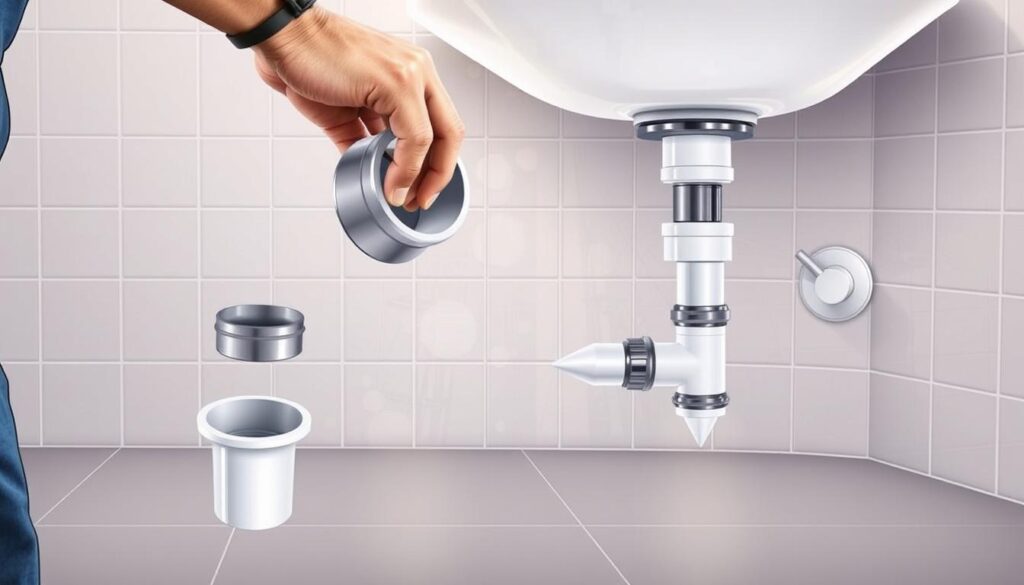
- Adjustable wrench
- Plumber’s tape
- Pipe cutter or hacksaw
- Measuring tape
- Protective gloves
Here’s what you need to do for your bottle trap installation:
- Clean the sink area well
- Measure the drainage pipe accurately
- Cut pipes to the right length
- Use plumber’s tape on connections
- Securely attach the bottle trap
“Proper alignment is key to preventing leaks and ensuring optimal drainage performance.”
When installing your sink bottle trap, focus on these important details:
- Make sure connections are tight but not too tight
- Check for correct vertical alignment
- Ensure water-tight seals at all joints
Professional tip: Always test your installation by running water. Check for leaks around connections. A well-installed bottle trap ensures efficient drainage and keeps sewer gases out.
Maintenance and Cleaning Best Practices
Keeping your plumbing system in good shape is key. Knowing how bottle traps work helps avoid drainage problems. It also makes your plumbing last longer.
Regular upkeep stops buildup and keeps your bottle trap working well. Here are some tips to keep your drainage system in great shape:
Regular Cleaning Schedule
- Clean your bottle trap every 3-4 months
- Remove and rinse the trap’s removable base
- Use a mild cleaning solution to remove debris
- Check for any signs of corrosion or wear
Troubleshooting Common Issues
| Issue | Potential Cause | Solution |
|---|---|---|
| Slow Drainage | Debris Accumulation | Clean trap thoroughly |
| Unpleasant Odors | Trapped Bacteria | Flush with vinegar solution |
| Water Leakage | Worn Seals | Replace trap seals |
When to Replace Parts
Watch for these signs that it’s time to replace parts:
- Visible corrosion or rust
- Persistent leaks after cleaning
- Damaged seal components
- Age of trap exceeding 5-7 years
Experts say check your bottle trap every year. Early detection can prevent expensive repairs and plumbing emergencies.
Common Applications and Usage Scenarios
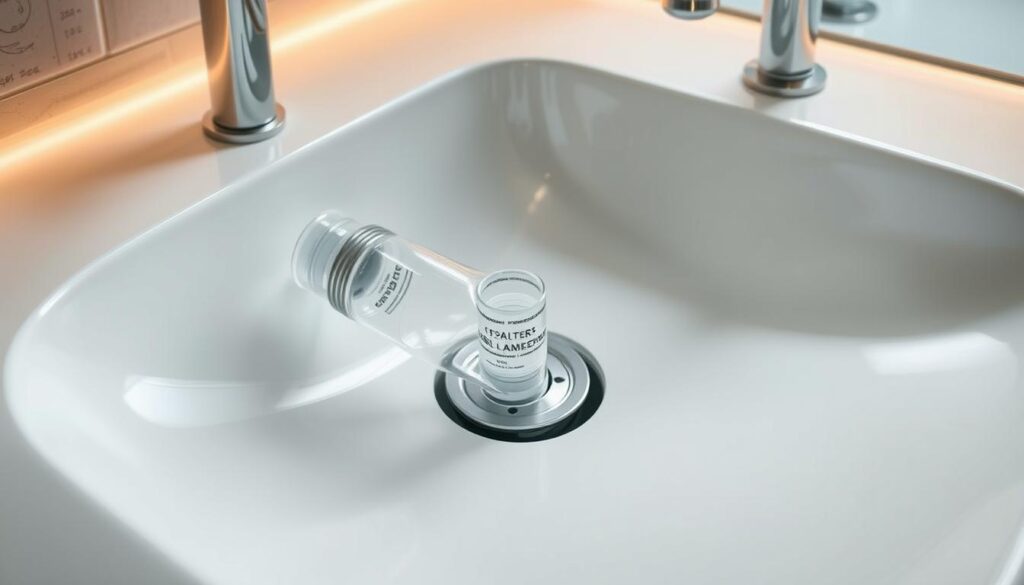
Bottle traps are now a key part of modern plumbing. They fit well in many places where old traps don’t. Knowing how they work helps pick the best one for your needs.
Sink bottle traps bring many benefits in different places:
- Compact bathrooms with limited space
- Modern minimalist design environments
- Areas requiring frequent cleaning and maintenance
- Installations with aesthetic design priorities
At home, bottle traps are great for:
- Bathroom vanity sinks
- Powder room fixtures
- Utility room sinks
- Small apartment kitchenettes
Businesses also find bottle traps useful, like in:
- Restaurant handicap-accessible restrooms
- Office building washrooms
- Healthcare facility utility sinks
- Educational institution facilities
| Application Type | Space Requirements | Maintenance Level |
|---|---|---|
| Residential Bathrooms | Compact | Low |
| Commercial Restrooms | Flexible | Moderate |
| Utility Areas | Adaptable | High |
Think about your space and style when choosing a bottle trap. Their flexibility makes them a smart pick for many plumbing needs.
Conclusion
Bottle traps are key in modern plumbing, helping both homeowners and professionals. They keep sewer gases out and ensure water seals work well. This makes them essential in plumbing systems.
These devices do more than just drain water. They save space in tight areas like bathrooms and kitchens. They’re also easier to clean than old traps, making them great for homes and businesses.
Knowing about bottle traps is important when upgrading or installing plumbing. Proper setup, regular care, and checks keep your plumbing working well. This keeps your space clean and safe for years.
Using bottle traps in your plumbing can make your space better and save on upkeep. Learning about these tools helps you manage water better in your home or office. It’s a smart way to improve your plumbing system.