

Affiliate Disclosure
Plumber Guide Guys is a participant in the Amazon Services LLC Associates Program, an affiliate advertising program designed to provide a means for sites to earn advertising fees by advertising and linking to Amazon.
What is an RPZ in Plumbing? Ever thought about how your drinking water stays safe? A reduced pressure zone valve (RPZ) is key in your plumbing. It stops dangerous backflow and keeps your water clean.
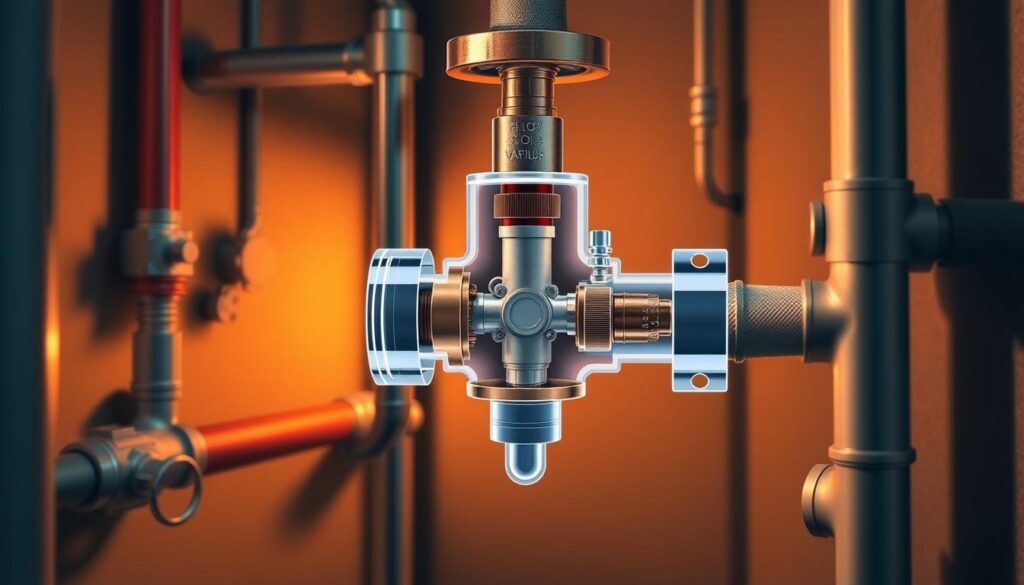
An RPZ is a special device that keeps your water safe from contamination. It works when water pressure changes. It stops harmful water from getting back into your clean water supply.
Keeping water safe is very important everywhere. The RPZ valve works hard to block any harmful contaminants. This keeps your water system safe and protects everyone’s health.
Key Takeaways
- RPZ devices prevent water contamination in plumbing systems
- Protects against backflow of potentially dangerous water
- Essential for maintaining water quality and safety
- Used in both residential and commercial plumbing
- Complies with local water safety regulations
Table of Contents
What is an RPZ in Plumbing: Basic Definition and Purpose
A Reduced Pressure Zone (RPZ) backflow prevention device is key to keeping your water safe. It stops harmful water from flowing back into your clean water system.
RPZ devices are advanced tools to prevent water contamination. They protect your drinking water from harmful cross-connections and health risks. Unlike others, RPZ valves offer the best protection against water contamination.
Key Components of RPZ Devices
The RPZ backflow prevention device has several important parts:
- Two independent check valves
- A pressure-monitored chamber between the valves
- A differential pressure relief valve
- Mechanical sensing components
Unique Characteristics of RPZ Devices
RPZ valves stand out because of their advanced design. They can handle both back pressure and back-siphonage. This makes them the most reliable choice for critical water systems.
Primary Functions and Benefits
The main jobs of an RPZ device are:
- Stopping contaminated water from getting into clean water supplies
- Watching pressure differences in real-time
- Releasing potentially contaminated water automatically
- Offering multiple layers of protection
Using an RPZ backflow prevention device keeps your water system safe. It ensures the highest water safety standards for your home or business.
The Critical Role of Reduced Pressure Zone Devices in Water Safety
Keeping our water safe is a big deal for public health. Reduced Pressure Zone (RPZ) devices are key in stopping harmful backflow. They block dangerous stuff from getting into your drinking water.
RPZ devices are made for places where backflow could be really bad. They have layers of protection to keep your water safe. Even if one layer fails, others can keep your water clean.
- Prevent chemical backflow from industrial sources
- Block possible cross-connections in complex water systems
- Protect against agricultural and commercial contamination risks
Health experts know how important it is to keep water clean. RPZ devices are now a must in many places. They are a smart way to keep water safe from unexpected dangers.
Your water safety depends on proactive protection mechanisms like RPZ devices that stop contamination before it reaches your tap.
Experts say RPZ devices need regular checks and upkeep. Using these advanced tools can greatly lower health risks in homes, businesses, and factories.
Understanding How RPZ Valves Work
RPZ valves are key in keeping water systems safe from contamination. They use a special mechanism to protect water in many plumbing setups.
The inner workings of RPZ valves are both complex and clever. To grasp how they function, it’s vital to look at their design and how they operate.
The Three-Chamber Design
RPZ valves stand out with their three-chamber design. This setup includes:
- An inlet chamber
- A middle pressure-monitored zone
- An outlet chamber
Pressure Differential Mechanism
The pressure differential is essential for RPZ valves’ effectiveness. The middle chamber has lower pressure than the other two, acting as a safety barrier against contamination.
Relief Valve Operation
The relief valve is at the core of RPZ valve operation. It automatically releases water when it spots pressure issues, stopping backflow:
- Monitors pressure all the time
- Quickly reacts to pressure shifts
- Releases water to keep the system safe
Understanding RPZ valves shows their critical role in keeping water safe and stopping contamination in plumbing.
Common Applications and Installation Requirements
Reduced Pressure Zone (RPZ) valves are key in keeping water systems safe. They stop water contamination in places where it’s most likely to happen.
RPZ valves are used in many places, like:
- Irrigation systems with chemical backflow risks
- Fire suppression systems
- Big commercial and industrial boilers
- Municipal water connections with complex plumbing
When installing RPZ valves, you must follow certain rules. These include:
- Checking vertical clearance is right
- Having good drainage
- Putting the valve where it’s easy to reach
- Following local building codes
Different places have their own rules for RPZ valves. Your local building department can give you the exact rules for your area. Professional plumbers know these rules well and can make sure your system is safe.
Installing RPZ valves correctly is not just a good idea—it’s essential for keeping your water safe from contamination.
Both homes and businesses with shared water systems need RPZ valves. They act as a shield against backflow and cross-contamination.
RPZ Installation Locations and Considerations
Choosing the right spot for your RPZ valve is key for it to work well and meet local plumbing rules. The cost to install an RPZ valve can change a lot based on where you put it and the environment.
When setting up an RPZ valve, you must think about a few important things. These affect how well it works and how easy it is to keep it running smoothly.
Indoor vs Outdoor Installation Options
Deciding if to install your RPZ valve inside or outside depends on a few big factors:
- Indoor setups keep the valve safe from harsh weather
- Outdoor setups need extra protection against the weather
- Keeping a steady temperature is vital for the RPZ valve’s best performance
Drainage Requirements
Good drainage is a must for RPZ valve setups. The cost to install an RPZ valve goes up if you need special drainage systems. You must make sure:
- The system can drain water continuously
- There’s no chance for water to build up
- It follows local plumbing rules
Accessibility for Testing
Experts say it’s best to install RPZ valves where they’re easy to get to for regular checks and upkeep. How easy it is to get to your RPZ system affects its long-term reliability.
Putting it in the right spot makes inspections easier and keeps your water supply running smoothly.
The final cost to install an RPZ valve depends on things like the valve’s size, how hard it is to get to, and any changes needed to your plumbing.
Maintenance and Testing Protocols for RPZ Devices
Keeping your water system safe and efficient is key. Regular checks help stop contamination and make sure your backflow devices work right.
Certified testers are vital for RPZ upkeep. They do yearly checks to make sure your RPZ valve is working well. They look at several important parts:
- Valve pressure differential
- Relief valve functionality
- Seal and gasket condition
- Overall device integrity
They also check the RPZ device’s three-chamber design. They use special tools to test:
| Inspection Area | Key Checks | Frequency |
|---|---|---|
| Pressure Zones | Verify pressure differentials | Annually |
| Relief Mechanism | Test valve opening and closing | Annually |
| Component Wear | Inspect for damage or deterioration | Every inspection |
Tip: Many places need proof of these checks, so keep good records of all RPZ upkeep and tests.
Regular upkeep can save you money and keep your water system safe. Most water authorities say you should get a professional check-up every year to keep your RPZ in top shape.
Comparing RPZ vs Double Check Valves
When it comes to keeping your water safe from contamination, knowing the difference between RPZ and double check valves is key. These devices aim to protect your plumbing system but vary in their effectiveness.
Protection Level Differences
RPZ valves offer better protection than double check valves, thanks to their design and safety features. This is important in places where contamination risks are high.
- RPZ valves have a three-chamber design with extra safety features
- Double check valves have a simpler two-valve setup
- RPZ devices are more reliable at preventing contamination
Cost Considerations
Looking at the costs of RPZ and double check valves shows some big differences. These differences affect both the upfront cost and ongoing expenses.
| Valve Type | Initial Cost | Maintenance Cost |
|---|---|---|
| RPZ Valve | $300-$600 | Higher |
| Double Check Valve | $150-$350 | Lower |
Application Scenarios
Choosing between an RPZ and double check valve depends on your plumbing needs and the risk of contamination.
- High-risk areas need RPZ valves
- Low-risk homes might use double check valves
- Businesses and industries often require RPZ valves
Knowing these differences helps you pick the right backflow prevention device for your situation.
Legal Requirements and Plumbing Codes for RPZ Installation
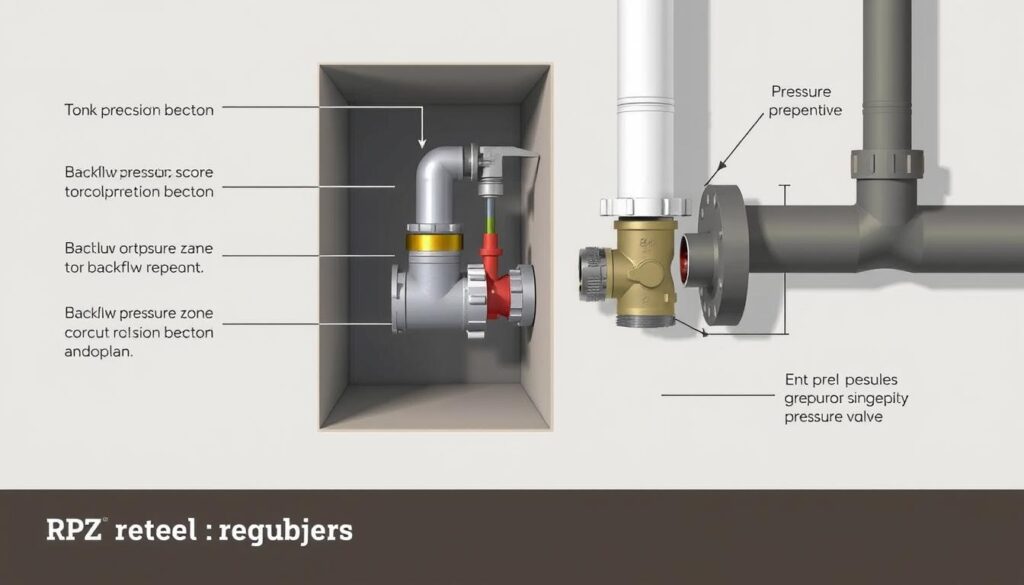
Knowing the plumbing code for RPZ (Reduced Pressure Zone) devices is key for water safety and following the law. The rules for installing and keeping RPZ backflow prevention systems vary by place in the United States.
Local plumbing codes often require RPZ valve setups in important places. But, the rules can change a lot from one area to another. So, it’s important to check with local authorities before starting.
- Residential water systems with possible cross-connection risks
- Commercial and industrial water supply lines
- Fire protection systems
- Irrigation networks
The main reason for these RPZ plumbing code rules is to keep public water safe from contamination. Cities are getting stricter to stop backflow incidents that could harm water quality.
| Jurisdiction Type | RPZ Installation Requirement | Typical Enforcement |
|---|---|---|
| Municipal Water Systems | Mandatory for High-Risk Connections | Annual Inspection Required |
| Commercial Properties | Comprehensive Backflow Prevention | Certification Needed |
| Agricultural Facilities | Critical for Irrigation Systems | Periodic Testing Mandatory |
Not following these plumbing code rules can lead to big fines. Property owners might face penalties, water service cuts, or legal trouble for not following RPZ installation rules.
To avoid these problems, work with certified plumbers who know the local rules. They can guide you through the RPZ installation rules and make sure your water systems are safe.
Troubleshooting Common RPZ Problems
Understanding RPZ valve issues is key to keeping water safe and systems running well. Spotting problems early can stop bigger plumbing issues.
RPZ maintenance and testing are vital for their proper work. Look out for these warning signs that your RPZ valve might need help:
- Continuous water discharge from the relief valve
- Unusual water pressure fluctuations
- Visible water leaks around valve connections
- Inconsistent valve performance during routine checks
During RPZ maintenance and testing, watch for these symptoms of possible malfunction:
- Relief Valve Issues: If your relief valve is always dumping water or spitting out water, you need to act fast.
- Pressure Differential Problems: Check if the pressure levels between valve chambers are not consistent.
- Mechanical Wear: Look for signs of corrosion or mechanical damage.
“Regular inspection and proactive maintenance can prevent costly water system failures.” – Professional Plumbing Association
While you can do some basic troubleshooting, complex RPZ valve issues need a pro. Always get a certified plumber if you’re not sure about the problem or don’t have the right skills for repairs.
Benefits and Limitations of RPZ Systems
Reduced Pressure Zone (RPZ) valves are key backflow prevention devices for keeping water safe. They offer strong protection for your water, but there are things to know.
The main benefits of RPZ systems are:
- They provide the highest level of backflow protection.
- They can handle both back pressure and back-siphonage.
- They ensure a safe water supply.
- They work well in complex plumbing setups.
But, RPZ systems also have some downsides. They might cost more than standard backflow preventers. You’ll need to pay for professional installation and regular maintenance to keep them working well.
| Benefit | Potential Limitation |
|---|---|
| Superior water contamination prevention | Higher initial equipment cost |
| Comprehensive backflow protection | Requires annual professional testing |
| Handles complex water system challenges | More complex installation process |
When looking at RPZ systems, think about your water safety needs. For places like industrial sites, hospitals, or irrigation systems, the benefits of RPZ valves are clear. They are worth the extra cost and effort.
Conclusion
Knowing what an RPZ in plumbing is key to keeping your water safe. Reduced pressure zone valves are a vital part of plumbing systems. They make sure your drinking water is clean and safe.
With tighter water safety rules, RPZ valves are more important than ever. Homeowners and plumbers need to understand the risks of backflow. Using the right RPZ devices can stop harmful cross-connections and keep people healthy.
It’s important to check your local water safety rules. Talking to certified plumbers can help you find the best backflow prevention for your place. Being informed and proactive about water safety is essential for a clean water supply.
Regular upkeep, professional checks, and following local plumbing rules are vital for preventing backflow. By focusing on RPZ systems, you show you care about water safety and community health.
FAQ
What is an RPZ valve in plumbing?
Why are RPZ valves important for water safety?
Where are RPZ valves typically required?
How does an RPZ valve work?
How often do RPZ valves need to be tested?
What is the difference between an RPZ valve and a double-check valve?
How much does an RPZ valve installation cost?
What is an RPZ valve in plumbing?
Why are RPZ valves important for water safety?
Where are RPZ valves typically required?
How does an RPZ valve work?
How often do RPZ valves need to be tested?
What is the difference between an RPZ valve and a double-check valve?
How much does an RPZ valve installation cost?
FAQ
What is an RPZ valve in plumbing?
An RPZ valve is a special device that keeps water safe. It stops contaminated water from getting into clean water systems. This is important for keeping our drinking water pure.
Why are RPZ valves important for water safety?
RPZ valves are key to stopping water contamination. They keep harmful substances out of our drinking water. This is vital for our health and safety.
Where are RPZ valves typically required?
You’ll find RPZ valves in places where water safety is critical. This includes irrigation systems, fire sprinklers, and medical facilities. They’re needed anywhere water might get contaminated.
How does an RPZ valve work?
RPZ valves have a three-chamber design. They use pressure differences to detect backflow. If they find backflow, they release water to keep our water clean.
How often do RPZ valves need to be tested?
RPZ valves must be tested once a year. A certified expert checks them to make sure they’re working right. This keeps our water safe from contamination.
What is the difference between an RPZ valve and a double-check valve?
RPZ valves offer better protection than double-check valves. RPZ valves are for high-risk areas. They handle complex backflow scenarios better and more safely.
How much does an RPZ valve installation cost?
The cost of installing an RPZ valve varies. It depends on the valve size, location, and installation complexity. Prices range from 0 to
FAQ
What is an RPZ valve in plumbing?
An RPZ valve is a special device that keeps water safe. It stops contaminated water from getting into clean water systems. This is important for keeping our drinking water pure.
Why are RPZ valves important for water safety?
RPZ valves are key to stopping water contamination. They keep harmful substances out of our drinking water. This is vital for our health and safety.
Where are RPZ valves typically required?
You’ll find RPZ valves in places where water safety is critical. This includes irrigation systems, fire sprinklers, and medical facilities. They’re needed anywhere water might get contaminated.
How does an RPZ valve work?
RPZ valves have a three-chamber design. They use pressure differences to detect backflow. If they find backflow, they release water to keep our water clean.
How often do RPZ valves need to be tested?
RPZ valves must be tested once a year. A certified expert checks them to make sure they’re working right. This keeps our water safe from contamination.
What is the difference between an RPZ valve and a double-check valve?
RPZ valves offer better protection than double-check valves. RPZ valves are for high-risk areas. They handle complex backflow scenarios better and more safely.
How much does an RPZ valve installation cost?
The cost of installing an RPZ valve varies. It depends on the valve size, location, and installation complexity. Prices range from $300 to $1,500. You also need to consider annual testing and maintenance costs.
Can I install an RPZ valve myself?
No, you need a licensed professional for RPZ valve installation. They ensure it’s installed correctly and meets local codes. This is for safety and proper function.
What are signs that an RPZ valve might be malfunctioning?
Look out for signs like constant water discharge, trouble maintaining pressure, leaks, or failure during tests. If you see these, call a certified expert right away.
Are RPZ valves required by law?
Yes, many places require RPZ valves for certain uses. Local plumbing codes dictate this. Always check with your local water authorities or a plumber to know the rules in your area.
,500. You also need to consider annual testing and maintenance costs.
Can I install an RPZ valve myself?
No, you need a licensed professional for RPZ valve installation. They ensure it’s installed correctly and meets local codes. This is for safety and proper function.
What are signs that an RPZ valve might be malfunctioning?
Look out for signs like constant water discharge, trouble maintaining pressure, leaks, or failure during tests. If you see these, call a certified expert right away.
Are RPZ valves required by law?
Yes, many places require RPZ valves for certain uses. Local plumbing codes dictate this. Always check with your local water authorities or a plumber to know the rules in your area.