
Affiliate Disclosure
Plumber Guide Guys is a participant in the Amazon Services LLC Associates Program, an affiliate advertising program designed to provide a means for sites to earn advertising fees by advertising and linking to Amazon.
What is ABS in Plumbing? Ever wondered what keeps your plumbing system running well? Acrylonitrile Butadiene Styrene (ABS) pipes might be the hero you’ve never heard of.
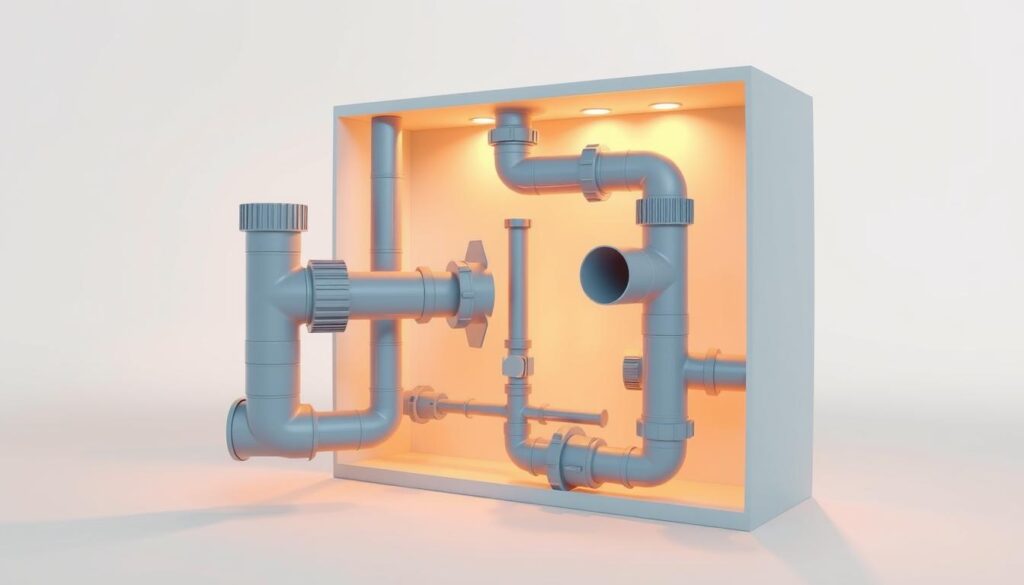
So, what is ABS in plumbing? It’s a special thermoplastic polymer made for water and drainage systems. These pipes have changed how we do plumbing in homes and businesses.
Plumbing needs materials that can handle tough conditions and last long. ABS pipes are a top choice for their strength and reliability. They offer a strong option for both homeowners and contractors.
Key Takeaways
- ABS pipes are advanced thermoplastic polymer solutions
- Designed for superior performance in plumbing systems
- Offers exceptional durability and impact resistance
- Widely used in residential and commercial applications
- Provides cost-effective plumbing infrastructure
Table of Contents
What is ABS in Plumbing
ABS (Acrylonitrile Butadiene Styrene) is a key material that has changed the plumbing world. It’s a synthetic polymer known for its top-notch performance. ABS is now a must-have in modern building and infrastructure.
ABS’s special mix makes it perfect for many plumbing jobs. Let’s look at its main features and how it came to be.
Chemical Composition Explained
ABS is made from a complex chemical process. It’s a terpolymer with three main parts:
- Acrylonitrile: Gives it chemical resistance
- Butadiene: Boosts impact strength
- Styrene: Makes it rigid and easy to work with
Key Material Properties
ABS is known for its amazing qualities:
- High impact resistance
- Great temperature range
- Top-notch chemical durability
- Lightweight
“ABS is a major leap in plumbing tech, bringing unmatched performance and dependability.” – Plumbing Engineering Magazine
Historical Development
ABS’s story in plumbing started in the mid-20th century. Scientists were looking for a material that could handle tough conditions and save costs. By the 1970s, ABS became a top choice over metal pipes.
Now, ABS is a cornerstone of modern infrastructure design.
Physical Characteristics of ABS Pipes
Exploring abs plumbing material, it’s key to know about acrylonitrile butadiene styrene pipes. These pipes are known for their unique look and strong build.
ABS pipes have a deep black color, making them stand out. Their uniform look shows high-quality making. The color also helps protect against UV damage.
- Standard pipe lengths range from 10 to 20 feet
- Diameter options include 1/2 inch to 4 inches
- Wall thickness varies based on specific application requirements
ABS pipes are very versatile. They are lightweight yet strong, handling a lot of stress. Their smooth inside helps water flow well, reducing blockages.
| Characteristic | Specification |
|---|---|
| Color | Matte Black |
| Temperature Tolerance | -40°F to 180°F |
| Impact Resistance | High |
Choosing the right abs plumbing material needs careful thought. Your project’s needs will guide you to the best pipe size and specs.
Common Applications and Uses
ABS plumbing fittings have changed the game in modern infrastructure. They are used in homes and big industrial places. These pipes are great for handling water and other liquids.
ABS is a top choice for plumbing because of its special qualities. Knowing how it’s used can help you pick the right pipes for your project.
Residential Plumbing Systems
In homes, ABS drainage systems are top-notch at handling water. They are loved for being:
- Very durable
- Resistant to chemical damage
- Light and easy to move
- Simple to set up
Commercial Building Applications
Big buildings need strong plumbing. ABS fittings are up to the task, providing:
- Fast water flow
- Strong and lasting
- Less need for upkeep
- A budget-friendly option
Industrial Uses
Industrial places need special pipes. ABS systems are a big help, with benefits like:
- Staying strong in high heat
- Working well with chemicals
- Keeping up under pressure
“ABS pipes are a game-changer in plumbing, bringing unmatched reliability to many uses.” – Plumbing Engineering Magazine
ABS plumbing systems are perfect for any project. Whether it’s a home fix-up, a big building, or an industrial site, ABS has you covered.
ABS vs PVC: Understanding the Differences
Exploring ABS in plumbing reveals key differences between ABS and PVC pipes. These materials seem similar at first but serve different needs. Each has unique qualities for various uses.
The debate between ABS and PVC focuses on several important factors. These factors greatly influence your choice of pipes:
- Chemical Composition
- Physical Properties
- Performance Characteristics
- Installation Requirements
Let’s dive into the main differences between these materials. We’ll compare them in detail:
| Characteristic | ABS Pipes | PVC Pipes |
|---|---|---|
| Material Color | Black | White or Gray |
| Temperature Resistance | Better for Cold Environments | More Versatile Temperature Range |
| Impact Strength | Higher Impact Resistance | Lower Impact Resistance |
| Joining Method | Solvent Cement | Solvent Cement or Heat Fusion |
Knowing these differences helps you pick the right material for your plumbing needs. ABS pipes are great for cold places and can handle impacts well. PVC is more flexible with temperature and joining methods.
Your decision between ABS and PVC depends on several things. These include local building codes, the environment, and your project’s needs.
Advantages of ABS Plumbing Systems
ABS plumbing material has many benefits for homes and businesses. It’s loved by both pros and homeowners for its special qualities. These make ABS pipes a top choice in the plumbing world.
Knowing the strengths of ABS pipes helps you choose the best for your plumbing needs.
Durability and Impact Resistance
ABS pipes are very durable and can handle tough environments. They are built to last and resist damage from:
- Physical impacts
- Mechanical stress
- Potential damage during installation
Temperature Performance
ABS plumbing material works well in a wide range of temperatures. It stays strong even in extreme conditions.
| Temperature Range | Performance Characteristics |
|---|---|
| -40°F to 180°F | Exceptional stability and flexibility |
| Cold environments | Minimal brittleness |
| Hot water systems | Consistent performance |
Cost-Effectiveness
ABS pipes save money on your plumbing projects:
- Lower initial installation costs
- Reduced maintenance expenses
- Longer operational lifespan
Choosing ABS plumbing systems means long-term savings and reliability for homes and businesses.
Limitations and Considerations
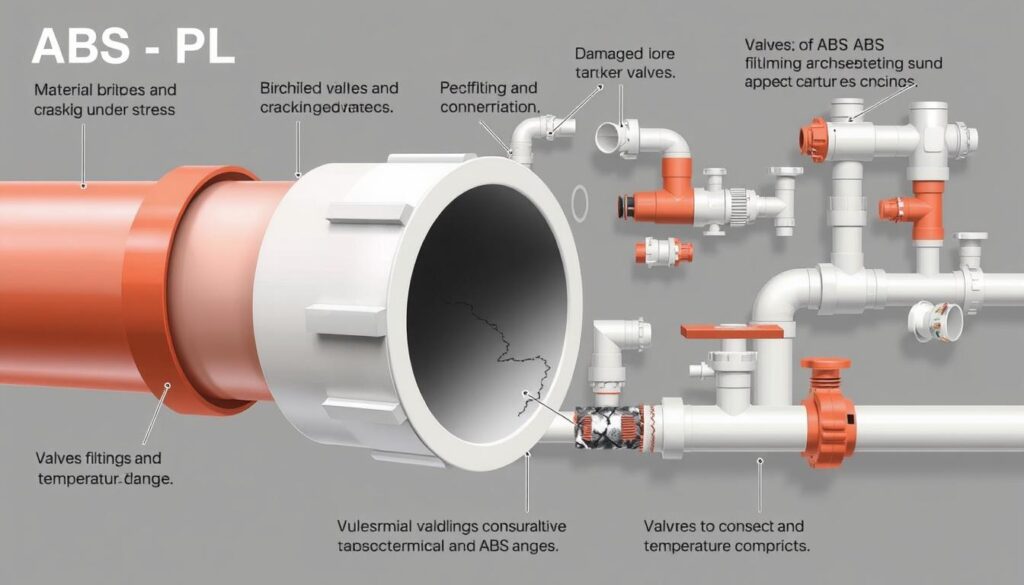
It’s important to know the limits of abs plumbing material before choosing it for your pipes. ABS pipes have many benefits but also face challenges that might affect their performance in some settings.
When looking into what is abs in plumbing, you’ll find several key points to consider. These can impact how well the material works over time:
- UV Light Sensitivity: ABS pipes degrade quickly when exposed to direct sunlight
- Temperature Restrictions: They don’t perform well in high-heat situations
- Chemical Vulnerability: They can break down with certain chemicals
Choosing abs plumbing material means you need to think about the environment it will be in. Sunlight can cause ABS pipes to break down, making them not good for outdoor use without protection.
| Limitation | Impact | Recommended Solution |
|---|---|---|
| UV Degradation | Material weakening | Use protective coating or underground installation |
| Temperature Constraints | Reduced structural integrity | Limit use to low-temperature environments |
| Chemical Sensitivity | Potential pipe failure | Avoid aggressive chemical exposures |
Professional plumbers suggest you carefully check your project needs before picking ABS pipes. Knowing these limits helps you pick the best material for your plumbing job.
Installation Guidelines and Best Practices
Installing ABS pipes needs precision and careful attention. You’ll need specific tools and techniques for a successful plumbing project. The right approach can greatly improve your plumbing system’s performance and life.
Before starting your abs plumbing fittings installation, get the essential tools. This will make the process smooth and efficient:
- Pipe cutters or hacksaw
- Measuring tape
- Marking pencil
- Cleaning solution
- Solvent cement
- Protective gloves
- Safety glasses
Preparation Steps
Proper preparation is key for successful abs pipe installation. Clean the pipe ends well, removing dirt or debris. Use a cleaning solution made for ABS pipes for a strong, leak-free connection.
Connection Technique
When joining abs plumbing fittings, follow these steps:
- Measure and mark pipes precisely
- Cut pipes squarely using a pipe cutter
- Clean and dry pipe ends completely
- Apply solvent cement evenly
- Connect pipes quickly and hold firmly
- Allow sufficient time for cement to cure
Safety Considerations
Always work in a well-ventilated area when using solvent cement. Wear protective equipment like gloves and safety glasses. Avoid skin contact with chemicals and ensure proper respiratory protection during the abs pipe installation process.
Pro Tip: Take your time and follow manufacturer guidelines carefully for the best results.
Maintenance and Care Requirements
Keeping your abs drainage system in good shape is key to avoiding expensive fixes. ABS plumbing needs special care to work well and last long.
Regular checks are vital for a healthy plumbing system. Do thorough inspections at least twice a year to catch problems early.
- Inspect pipes for visible cracks or damage
- Check connections and joints for possible leaks
- Look for signs of corrosion or discoloration
- Ensure proper drainage flow
Cleaning your abs drainage system needs to be done carefully. Don’t use harsh chemicals that could harm the ABS material. Instead, choose eco-friendly cleaners made for plastic pipes.
Here are some important tips for upkeep:
- Use soft brushes for cleaning
- Flush pipes with warm water regularly
- Prevent debris accumulation
- Address minor issues immediately
Professional inspection every few years can help identify problems that aren’t seen in routine checks.
Extreme temperatures can affect your abs drainage system. Keep pipes away from direct sunlight and freezing to avoid damage and extend their life.
Proactive maintenance is always more cost-effective than reactive repairs.
Building Codes and Compliance
Understanding abs plumbing code requirements can be tough. It’s not just about knowing the materials. It’s also about following legal and safety rules that change by area.
ABS pipes must follow strict rules to ensure they work well and safely. These rules help keep homes safe and plumbing systems working right.
National Plumbing Standards
The American Society for Testing and Materials (ASTM) sets important rules for ABS plumbing. Key national standards include:
- ASTM F628: Specification for ABS Schedule 40 Plastic Drain, Waste, and Vent Pipe
- ASTM D2661: Standard Specification for ABS Schedule 40 Plastic Drain, Waste, and Vent Pipe
- International Plumbing Code (IPC) requirements
Regional Code Variations
ABS plumbing rules can change a lot from one place to another. Some places have stricter rules, while others are more relaxed. Always check the local building codes before starting any plumbing work.
Certification Requirements
When picking ABS pipes and fittings, look for certain certifications:
- NSF/ANSI 14 certification for plastic piping system components
- UPC (Uniform Plumbing Code) approval
- Local municipal plumbing permit requirements
Following these standards makes sure your plumbing system is safe and works well. It protects your home and investment.
Environmental Impact and Sustainability
It’s important to know how acrylonitrile butadiene styrene pipes affect the environment. ABS plumbing material has both good and bad sides when it comes to the planet. It’s all about finding a balance.
Making ABS pipes uses resources from petroleum, which is a big concern. But, companies are working hard to make things better. They want to lower the harm these pipes can cause.
- Recyclability of ABS pipes is a big plus for the planet
- It takes about as much energy to make ABS as other materials
- There’s always new research to make production even greener
Recycling ABS pipes is a big help for the environment. You can take old pipes to recycling centers. There, they turn them into new things, keeping them out of landfills.
New ideas in the ABS world aim to:
- Use less fossil fuels
- Make making ABS pipes cleaner
- Find better, greener materials
ABS pipes are not perfect, but they’re getting better. Choosing the right plumbing can help make buildings and roads better for the planet.
Sustainable engineering is about making smart choices that care for the planet and work well.
Cost Analysis and Market Comparison
When looking at plumbing materials, it’s key to understand ABS pipe costs. ABS pipes are more affordable than traditional materials. Their cost-effectiveness makes them great for homes and businesses.
Let’s look at the main cost points for ABS vs PVC plumbing:
- Initial material costs
- Installation expenses
- Long-term maintenance needs
- Durability and how often they need to be replaced
ABS pipes are priced for their top-notch performance. They might cost a bit more upfront than PVC. But, their long-term benefits often make up for the extra cost.
| Cost Factor | ABS Pipes | PVC Pipes |
|---|---|---|
| Average Material Cost | $5-$8 per linear foot | $3-$6 per linear foot |
| Installation Complexity | Lower | Moderate |
| Expected Lifespan | 25-40 years | 20-30 years |
Market trends show ABS pipes are getting more popular. They’re priced well and perform great. Contractors love their cost-effectiveness and dependability, even in tough environments.
When planning your plumbing project, think about ABS pipes’ costs. They offer a good mix of affordability and durability. This makes them a smart choice for those watching their budget.
Conclusion
ABS in plumbing is a key part of modern building projects. It’s used in homes, businesses, and factories. ABS pipes are strong and work well in many places.
Choosing the right pipes is important for a plumbing system’s success. ABS pipes stand out because they’re tough, handle temperature changes well, and are affordable. They’re also easy to install, making them a favorite among experts and homeowners.
When picking plumbing solutions, think about local rules, the environment, and your project’s needs. ABS has many benefits, but each job needs careful planning. Talking to a licensed plumber can help you make the best choice for your project.
The future of ABS plumbing looks bright, with new tech making it even better. Keeping up with the latest in ABS can help you build plumbing systems that are efficient, long-lasting, and good for the planet.