
Affiliate Disclosure
Plumber Guide Guys is a participant in the Amazon Services LLC Associates Program, an affiliate advertising program designed to provide a means for sites to earn advertising fees by advertising and linking to Amazon.
What is a Wet Vent Plumbing System? Ever thought about how your home’s plumbing could be smarter? Wet vent plumbing might be the clever answer you’ve overlooked.
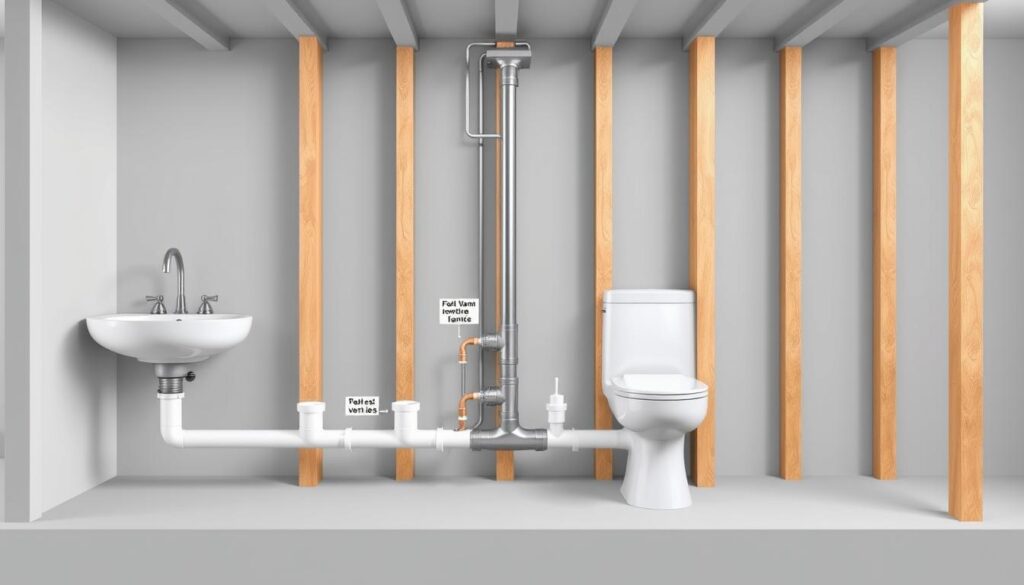
A wet vent plumbing system is a smart way to handle waste and air in homes. It’s different from old venting methods. This system lets waste pipes also act as vent pipes, making plumbing in bathrooms and kitchens simpler.
Starting in the 1920s, wet vent plumbing has grown from an idea to a standard in building codes. It shows how a wet vent works, making plumbing designs simpler and cheaper.
These systems are great for small spaces where old venting methods don’t fit. They offer a neat way to manage waste and air in your home’s plumbing.
Key Takeaways
- Wet vent plumbing combines waste and vent functions in a single pipe
- Originated in the 1920s with modern refinements
- Ideal for space-constrained residential environments
- Reduces overall plumbing installation complexity
- Recognized in contemporary building construction codes
Table of Contents
Understanding the Basics of Wet Vent Plumbing
Wet venting in residential plumbing is a smart way to handle water and air in your home. It lets many fixtures use one vent, making plumbing more efficient and neat.
Definition and Core Functions
A wet vent does two main things in your plumbing system:
- It drains waste water from fixtures.
- It also helps air move to avoid pressure problems.
- This ensures water flows well and without issues.
Historical Development of Wet Vent Plumbing
The idea of wet vent plumbing started in the 1920s. Builders wanted simpler and cheaper plumbing systems. They found that wet venting could make plumbing easier and less expensive.
Modern Applications in Residential Plumbing
Now, wet vent plumbing is used a lot in homes. It’s great for bathrooms and kitchens where space is limited. The plumbing code for wet venting helps ensure it’s installed safely and right.
Wet venting is a clever way to handle plumbing in today’s homes.
What is a Wet Vent Plumbing?
A wet vent plumbing system is a new way to handle wastewater and air in homes. It uses one pipe for two jobs: draining water and moving air. This makes plumbing in your home more efficient.
Looking into wet vent plumbing, you’ll see it saves space. It’s different from old plumbing setups because it combines two tasks into one. This is great for small bathrooms and kitchens where space is tight.
“Wet vents are the Swiss Army knife of plumbing systems – versatile, efficient, and remarkably smart.” – Professional Plumbing Association
Understanding wet vents means seeing their two roles. They let water flow down while also letting air move. This stops pressure problems and keeps water flowing right.
- Reduces overall pipe installation requirements
- Minimizes possible plumbing complexity
- Boosts system efficiency
Wet vent plumbing is good for homeowners who want simple, affordable plumbing. It combines two tasks into one, unlike old systems with many pipes.
| Feature | Wet Vent Advantage |
|---|---|
| Space Efficiency | Reduces number of pipes needed |
| Installation Cost | Lower compared to traditional systems |
| Maintenance | Simplified due to fewer connection points |
Plumbing design is always getting better, and wet vent systems are a key part of that. They work well in homes and businesses.
Key Components of a Wet Vent System
Knowing the key parts of a wet vent plumbing system is vital. It ensures your plumbing works right. You need to pick the right materials and meet specific needs.
Essential Parts and Materials
A wet vent system needs certain materials to work well. The main parts are:
- PVC or ABS pipes
- Pipe connectors and fittings
- Vent stack
- Drain pipes
- Cleanout plugs
Pipe Sizing Requirements
Choosing the right wet vent pipe size is key. Here are the standard sizes:
- 3-inch pipes for most homes
- 4-inch waste line pipes for big drainage needs
- Minimum 2-inch diameter for each fixture vent
The right pipe size helps with air flow and avoids drainage problems. Wet vent pipe sizes depend on local codes and your setup.
Connection Points and Fixtures
Wet vent systems connect many fixtures in smart ways. Common spots include:
- Toilets
- Sinks
- Showers
- Bathtubs
When setting up your wet vent, check local plumbing codes. This ensures you meet the area’s wet vent rules.
Wet Vent vs. Dry Vent: Understanding the Differences
Understanding the difference between wet venting and dry venting is key in plumbing. These methods handle air and wastewater flow in different ways. Knowing this can help you choose the best for your home.
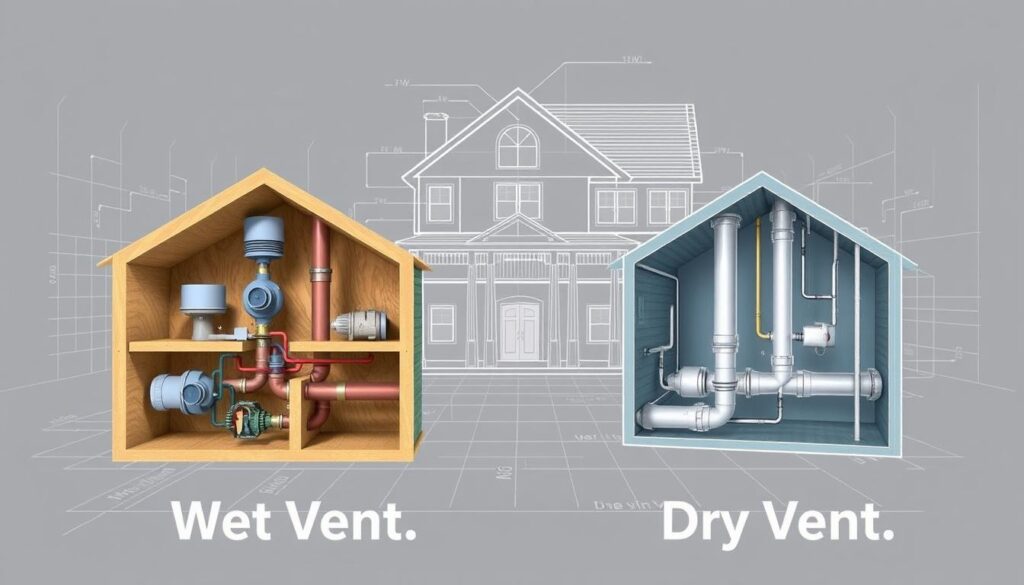
A wet vent system is more versatile than dry vents. Dry vents mainly deal with air and gas. But, a wet vent does both: it handles air and also drains wastewater.
- Dry Vent: Focuses solely on air and gas ventilation
- Wet Vent: Manages both air circulation and wastewater drainage
- Efficiency: Wet vents require fewer materials and reduce overall installation costs
The main difference between wet and dry vents is how they’re used. Wet vents are great for small spaces because they save room. This makes them perfect for homes with little area.
| Feature | Dry Vent | Wet Vent |
|---|---|---|
| Primary Function | Air and Gas Circulation | Air Circulation and Wastewater Drainage |
| Material Requirements | Higher | Lower |
| Installation Complexity | Less Complex | More Flexible |
Choosing between wet venting and dry venting depends on your needs. Think about your space, budget, and drainage needs. Talking to a professional plumber can help pick the right one for you.
Benefits of Installing a Wet Vent System
Wet venting in residential plumbing is a smart choice for efficient and cost-effective drainage. It’s a great option when upgrading your home’s plumbing. Knowing the benefits of wet venting helps you make a better decision.
Plumbing technology keeps getting better, and wet venting is a big step forward. It offers many advantages that can change your home’s plumbing setup.
Space Efficiency Advantages
Wet venting makes plumbing more compact. It combines drainage and venting, allowing you to:
- Use less pipe
- Have more flexible bathroom layouts
- Make the most of small spaces
Cost-Saving Benefits
Wet venting in residential plumbing can save you money. It’s more affordable to install and maintain. You’ll see:
- Lower material costs
- Less labor expenses
- An easier installation process
Improved Plumbing Performance
Wet venting boosts your home’s plumbing efficiency. It improves drainage by:
- Stopping air locks
- Ensuring smooth water flow
- Lowering blockage risks
Choosing a wet vent system can greatly improve your home’s plumbing. It offers long-term benefits and better performance.
Common Plumbing Code Requirements for Wet Vents
Knowing the wet vent plumbing code is key for safe and efficient plumbing in your home. Each area has its own rules for installing and keeping these systems up to date.
The main aim of these codes is to safeguard your home’s drainage and ventilation. While rules can vary, some standards are common across many places.
- Minimum pipe diameter specifications
- Maximum fixture unit limitations
- Proper slope and connection requirements
- Ventilation distance restrictions
When looking at wet vent plumbing rules, several important points come up:
- Pipe Sizing: Codes set a minimum pipe size based on the fixtures it serves
- Fixture Connections: There are specific rules for connecting fixtures to wet vents
- Vertical Alignment: The right vertical setup is key for good drainage and venting
Professional plumbers know these detailed wet vent plumbing code rules. They can guide you through local laws and make sure your plumbing system meets all standards.
Always check with local building authorities or a licensed plumber to confirm specific wet vent rules in your area.
Following these codes helps your plumbing work right and keeps you safe from health risks and expensive fixes later on.
Signs of Wet Vent Problems and Troubleshooting
Knowing how a wet vent works is key to keeping your plumbing in check. Spotting early signs can stop big problems before they cost a lot to fix.
Plumbing systems can face issues that affect how a wet vent works. Homeowners should look out for certain signs of ventilation problems:
- Slow drainage in sinks, showers, and bathtubs
- Unusual gurgling sounds from drains
- Bubbling in toilet bowls
- Persistent sewer-like odors
- Unusual water level fluctuations in fixtures
Identifying System Issues
When your wet vent system goes wrong, it can cause big plumbing headaches. Blockages in vent pipes stop air from flowing right, causing negative pressure. This pressure messes with water flow.
Professional Solutions and Repairs
While some small problems can be fixed by homeowners, big wet vent issues need a pro. A licensed plumber can:
- Do detailed checks to find the problem
- Clear any blockages in vent pipes
- Fix or replace broken parts
- Make sure air pressure is right in your plumbing
Spotting problems early and getting professional help is vital for your wet vent system to work well.
Installation Guidelines and Best Practices
Installing a wet vent plumbing system needs careful attention and strict following of local rules. It ensures your home’s drainage works well and is safe.
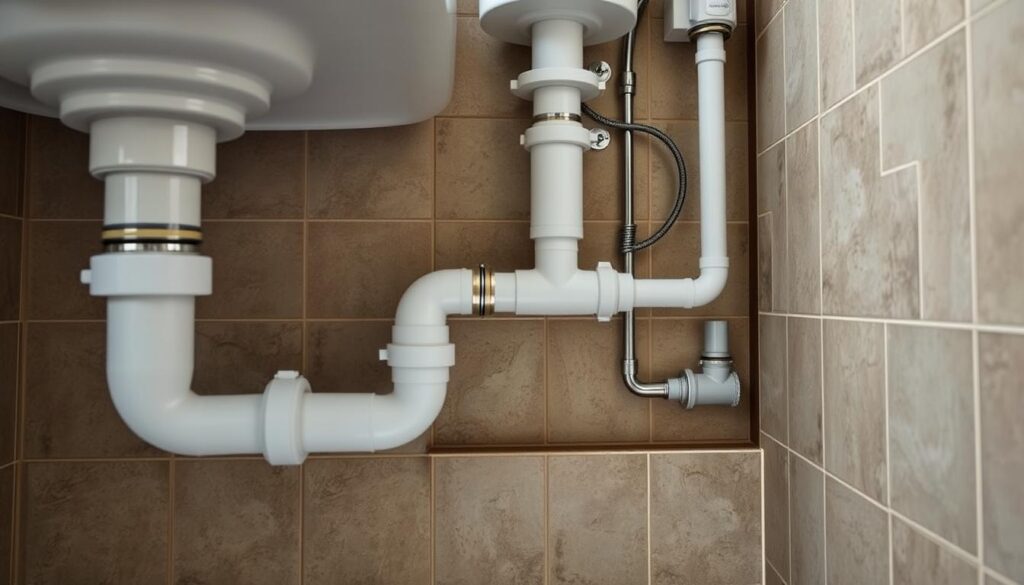
Before starting, gather all the tools and materials you need. The wet vent plumbing code has specific rules to follow.
- Inspect local building codes for specific wet vent plumbing requirements
- Obtain necessary permits before starting the installation
- Prepare all required tools and materials in advance
Important things to consider during installation include:
- Pipe Support: Install a pipe supporter for every 4 feet of horizontal pipe
- Angle Connections: Ensure drain connections are at more than 45 degrees
- Proper Pipe Sizing: Match pipe dimensions to fixture requirements
| Installation Step | Critical Requirements |
|---|---|
| Pipe Positioning | Maintain minimum 1/4 inch slope per foot |
| Fixture Connections | Follow manufacturer’s specific guidelines |
| Vent Sizing | Match to total drainage fixture units |
Professional tip: Always consult a licensed plumber if you’re uncertain about any installation steps. Following the wet vent plumbing code well will avoid future problems and expensive fixes.
Maintenance Tips for Wet Vent Systems
Keeping your wet vent system in good shape needs regular care. Proper maintenance stops expensive fixes and keeps your plumbing working well for a long time. Knowing how to take care of your wet vent pipe size and system is key for homeowners.
Regular maintenance includes several important steps to protect your plumbing:
- Inspect wet vent pipe size annually to ensure proper diameter
- Check for any visible signs of damage or blockages
- Clean vent pipes to remove possible debris
- Monitor water flow and drainage performance
Regular Inspection Procedures
Your wet vent system needs careful and systematic checks. Homeowners should do visual inspections every six months, looking for:
- Cracks or leaks in pipe connections
- Signs of corrosion
- Unusual odors near vent pipes
- Water stains or moisture around pipe areas
Prevention of Common Issues
Stopping problems starts with knowing your wet vent pipe size and keeping the system right. Professional plumbers say to keep vent pipes clear of debris and check pipe connections often. Trees near vent pipes can cause blockages, so trimming nearby plants is important.
Proactive maintenance is always less expensive than reactive repairs.
Think about getting professional inspections every two to three years. These thorough checks can spot issues before they get big.
Conclusion
Learning about wet vent plumbing systems can change how you design your home’s plumbing. These systems are efficient for handling wastewater and ventilation. They make plumbing simpler and use space better.
Wet venting is a smart way to solve drainage problems in homes. It uses fewer pipes but works well. It’s great for new homes and updates. But, it’s important to follow local building rules for it to work right.
When you’re thinking about plumbing upgrades, talk to professional plumbers. They know a lot about wet vent systems. They can help pick the best setup for your home and make sure it meets local rules.
Wet venting is a smart choice for today’s homes. Keeping up with plumbing tech can help your home’s plumbing and structure. It’s a good way to make your home better.