
Affiliate Disclosure
Plumber Guide Guys is a participant in the Amazon Services LLC Associates Program, an affiliate advertising program designed to provide a means for sites to earn advertising fees by advertising and linking to Amazon.
What is a Wet Vent for Plumbing? Ever wondered how your home’s plumbing works without causing problems? The answer might be a clever solution called a wet vent.
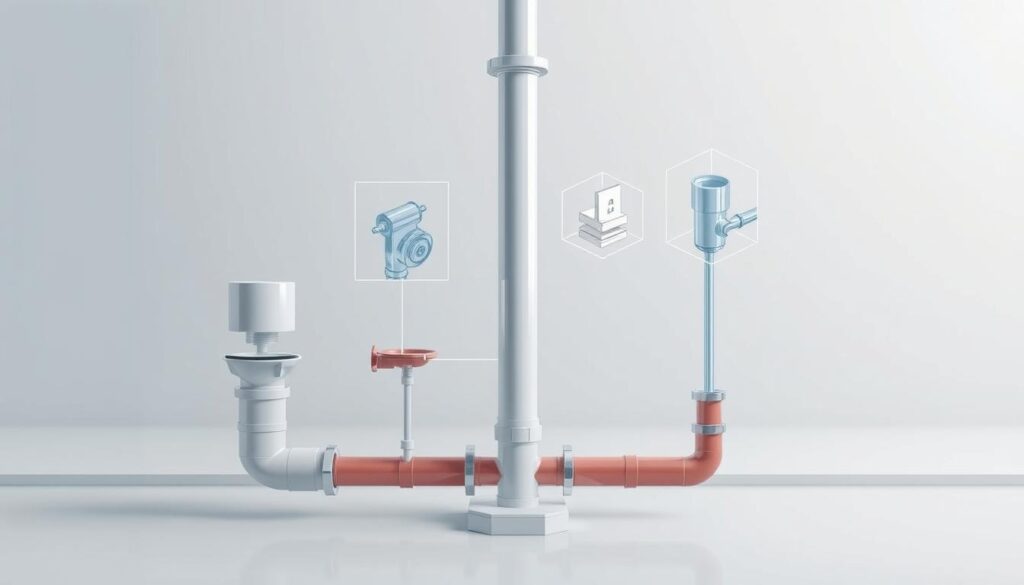
A wet vent is a special waste pipe that also acts as a vent. It’s different from usual venting methods. This system keeps drain pipe traps safe and saves space in your home’s plumbing.
Knowing about wet vents can save you a lot of trouble. They’re key to keeping your drains working right and stopping sewer gas from getting in.
Key Takeaways
- Wet vents serve dual purposes in plumbing systems
- They help protect drain pipe traps
- Maximize space efficiency in plumbing design
- Prevent possible sewer gas infiltration
- Offer a cost-effective venting solution
Table of Contents
Understanding the Basics of Plumbing Ventilation
Plumbing ventilation is key but often ignored in homes. It’s vital to grasp how vents keep your drainage system healthy and efficient.
Vents are essential for your plumbing. They manage air pressure and ensure water flows smoothly. Without them, pipes can face many issues that harm their function.
The Role of Vents in Your Plumbing System
Vents manage air pressure in your pipes. They let sewer gases out and fresh air in. This stops negative pressure that could mess with water flow and cause drainage problems.
- Equalize air pressure in pipes
- Remove sewer gases
- Prevent trap siphoning
- Ensure efficient water drainage
Why Proper Ventilation Matters
Bad ventilation can cause slow drains, gurgling, and bad smells. Knowing the difference between wet and dry vents helps homeowners choose the right plumbing setup.
Different Types of Plumbing Vents
There are many vent types for plumbing systems. Wet vents act as both drain and vent, while dry vents focus on air flow.
Understanding these basics shows how complex and critical your plumbing system is.
What is a Wet Vent for Plumbing?
A wet vent for plumbing is a special drainage system in your home. It’s different from regular venting because it lets many plumbing fixtures use one vent pipe. At the same time, it drains wastewater.
The main job of a wet vent is to keep drain pipe traps working right. It also makes sure there’s enough air in your plumbing system. This smart design helps avoid problems like:
- Slow drainage
- Sewer gas buildup
- Potential pipe blockages
“Wet venting is a game-changer in modern plumbing design, making it more efficient and better performing.” – Professional Plumbing Association
Looking at a wet vent plumbing diagram, you’ll see many fixtures connect to one pipe. This setup lets waste flow well while keeping air pressure right in the system.
| Wet Vent Characteristic | Description |
|---|---|
| Primary Purpose | Drain waste and provide ventilation |
| Typical Location | Bathrooms, kitchens |
| Space Efficiency | Reduces number of required pipes |
Knowing about wet vents helps you see how advanced modern plumbing systems are. They let many fixtures use one vent, saving space and money. This also makes plumbing work better overall.
The Key Components of a Wet Venting System
To design a good wet vent system, you need to know its main parts and technical details. The efficiency of your plumbing depends on how well it’s set up. The size of the wet vent is key to making sure your home’s plumbing works right.
A wet vent system does two things at once: it drains water and lets air move. This is different from old systems that had separate vents. Wet vents are more compact and efficient for homes.
Main Pipe Configuration
The main pipe in a wet vent system does two jobs. It handles wastewater and air flow, making plumbing design simpler. The benefits of wet vent systems include:
- Less complicated pipe setup
- More space-saving design
- Lower costs for materials
- Easier plumbing setup
Connection Points and Fittings
It’s important to connect the system right to keep it working well. Special fittings let different fixtures connect to the wet vent. This keeps the flow good and stops blockages.
Size Requirements for Wet Vents
Knowing the right size for wet vents is key for following codes and for the system to work right. Here are some general rules:
- A 2-inch pipe can handle one toilet
- No more than 4 fixture units per wet vent
- Choose the right diameter based on how many fixtures you have
- Follow local plumbing codes
Professional tip: Always check local building rules to make sure your wet vent system meets local needs.
How Wet Vents Differ from Dry Vents
It’s important to know the difference between wet vents and dry vents for good plumbing design. Both are key in your home’s plumbing, but they work in different ways.
Wet vents are special because they do two jobs at once. They handle wastewater and also provide ventilation. This makes them great for small homes where space is limited.
- Wet vents carry both water and air through the same pipe
- Dry vents only manage air pressure and gas release
- Wet vents are more space-efficient in plumbing configurations
The main difference between wet and dry vents is their job. Dry vents focus on preventing air pressure buildup. Wet vents do both waste drainage and ventilation in one pipe. This can make your plumbing setup simpler and easier to install.
Wet vents are like the superheroes of plumbing. They keep waste flowing well and prevent pressure problems that could mess up your drainage system.
Choosing between wet and dry vents depends on your specific plumbing needs and local building codes.
Benefits of Installing a Wet Vent System
Wet vent systems are great for homeowners and plumbers. They offer efficient and cost-effective solutions. Installing a wet vent brings many benefits, making it a popular choice in modern homes.
Looking into the benefits of wet vent systems shows several key advantages. These can greatly improve your plumbing setup:
- Reduced material requirements
- Simplified installation process
- Enhanced space efficiency
- Lower overall project costs
Space Efficiency Advantages
A wet vent system saves space by reducing pipe setups. It’s perfect for small bathrooms or tall buildings. You can design your plumbing without losing functionality.
Cost-Saving Benefits
Wet vent systems cut down on costs. They need less material and labor, saving you money.
| Expense Category | Traditional Venting | Wet Vent System |
|---|---|---|
| Pipe Materials | $250-$400 | $150-$250 |
| Labor Costs | $500-$800 | $300-$500 |
| Total Project Cost | $750-$1200 | $450-$750 |
Installation Time Reduction
Plumbers love wet vent systems for their streamlined installation process. They save up to 40% of installation time. This means faster projects and less labor costs.
Common Applications of Wet Venting
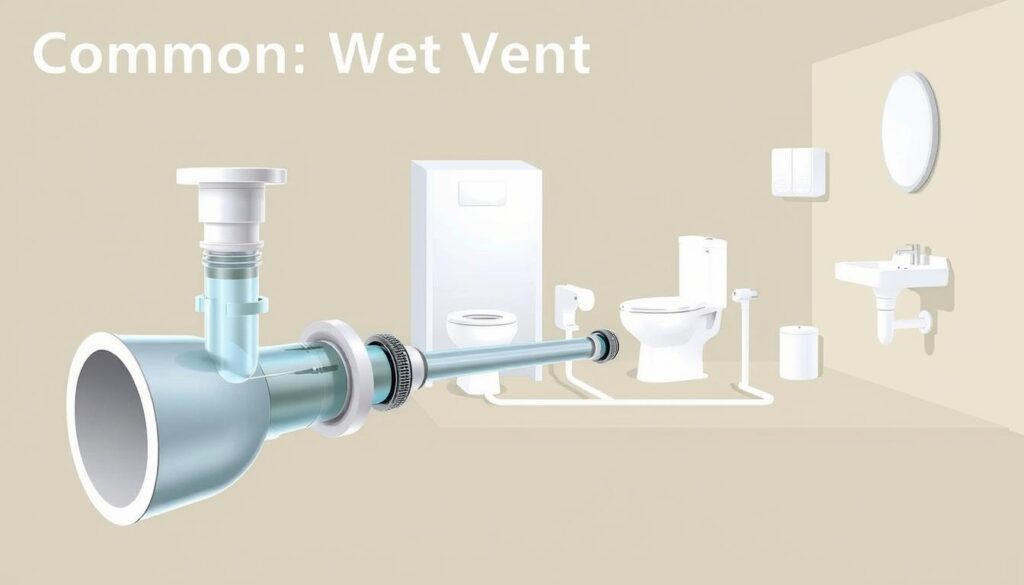
Wet venting makes plumbing systems simpler in homes and businesses. It helps homeowners design their bathrooms and kitchens better.
Bathroom design is where wet venting shines. It manages water flow from different fixtures well. This makes plumbing systems more efficient.
- Bathroom sink and toilet combinations
- Kitchen sink drainage systems
- Laundry room fixture connections
- Shared wall plumbing configurations
Wet venting is great for tight spaces. It cuts down on the need for extra vent pipes. This saves space and money on installation.
“Wet venting allows for more flexible and efficient plumbing design in compact spaces.” – Professional Plumbing Association
Here are some common uses for wet venting:
- Connecting bathroom sink drains to toilet vents
- Integrating kitchen sink drainage with nearby appliance vents
- Creating compact plumbing systems in small bathrooms
When setting up a wet vent system, think about how close fixtures are. Also, check local building codes. A pro plumber can design the best wet vent system for your space.
Wet Vent Code Requirements and Regulations
Understanding plumbing wet vent code requirements can be tough. It’s key for safe and legal plumbing setups.
Code rules for wet vents differ by area. It’s vital to check local rules carefully. Building departments set standards for wet vent systems.
Pipe Size Specifications
Wet vent size matters for system work. Fixtures need specific pipe sizes for good drainage and air flow. Important points include:
- Minimum pipe diameter based on fixture units
- Slope needs for horizontal pipes
- Vertical pipe sizing standards
“Always consult local building codes to determine precise wet vent size requirements for your specific project.” – Professional Plumbing Association
Distance Requirements
Plumbing codes set limits for wet vent connections. These rules help avoid drainage and air flow problems. They keep the right space between fixtures and vent pipes.
Local Building Codes
Your local building codes are the final say on wet vent setups. Plumbers suggest:
- Getting the right permits
- Scheduling inspections
- Working with certified pros
Remember, not following rules can lead to expensive fixes and safety risks.
Installation Guidelines for Wet Vents
Installing a wet vent needs careful planning and precise steps. Professional plumbers know how complex wet vent plumbing diagrams are. They understand that success comes from paying close attention to every detail.
Before starting, you’ll need to gather the right tools and materials. The right preparation makes installing a wet vent smoother and more efficient.
- Measure the proposed vent route carefully
- Select appropriate pipe materials
- Check local building code requirements
- Verify pipe diameter and slope specifications
Your wet vent plumbing diagram should include important details such as:
- Precise connection points
- Proper pipe angles
- Potential obstruction considerations
- Drainage fixture locations
Key considerations during installation include maintaining proper slope, ensuring tight connections, and avoiding air flow restrictions. Professional plumbers suggest a minimum slope of 1/4 inch per foot. This ensures optimal drainage and ventilation.
Proper installation is key to preventing plumbing system failures and ensuring long-term functionality.
While DIY enthusiasts might try installing a wet vent, it’s wise to consult a licensed professional. They can help you understand complex building codes and technical challenges of wet venting systems.
Troubleshooting Wet Vent Systems
Wet vent systems are key in plumbing, but they can face problems. Knowing how they work helps homeowners fix issues early. This way, small problems don’t turn into big headaches.
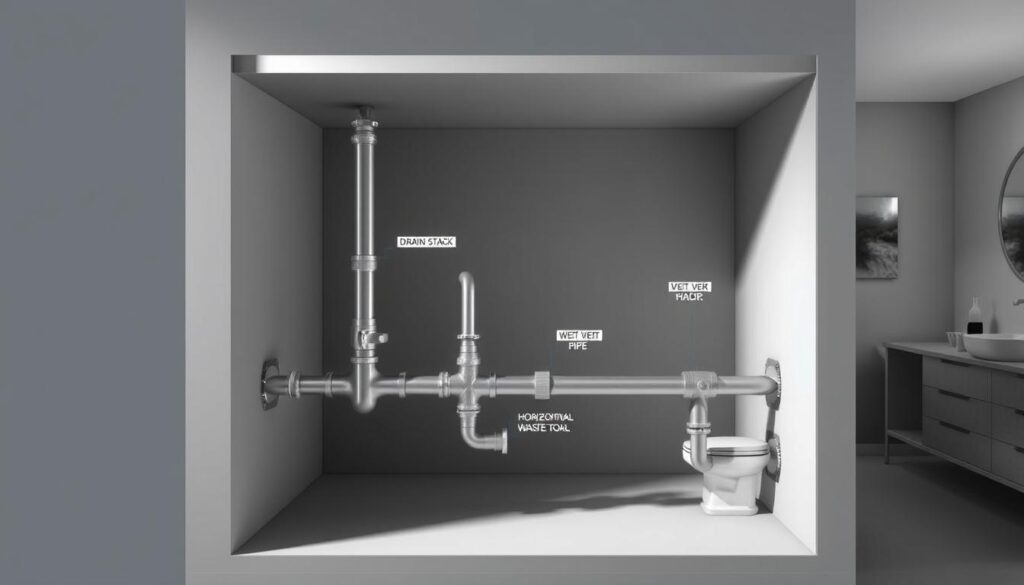
Common Plumbing Vent Problems
Wet vent systems often run into common issues. Spotting these early can stop bigger plumbing problems.
- Persistent Gurgling Sounds: Shows a blockage in the system
- Slow Drainage: Means there’s a block in the vent
- Unpleasant Odors: Could mean bad venting or trapped stuff
Diagnostic Solutions
Fixing wet vent systems needs a hands-on approach to upkeep and fixing.
| Problem | Potential Cause | Recommended Action |
|---|---|---|
| Gurgling Sounds | Partial Blockage | Drain Cleaning or Professional Inspection |
| Slow Drainage | Accumulated Debris | Hydro-Jetting or Snaking |
| Foul Odors | Improper Venting | Check Vent Pipe Connections |
Maintenance Tips
Regular care keeps your wet vent system running well. Simple upkeep can make your plumbing last longer.
- Get annual plumbing checks from pros
- Use enzymatic cleaners every month
- Look for blockages or damage
- Make sure water flows well in all fixtures
Learning these fixes helps keep your wet vent system in top shape. This way, you avoid expensive fixes.
Design Considerations for Bathroom Wet Vents
Creating a good bathroom wet vent system needs careful planning. The design affects how well your plumbing works and the space’s functionality.
When making a wet vent plumbing diagram, several important factors come up. The size of the pipes and where you place fixtures are key to the system’s success.
- Toilet drain size should be 3 inches
- Sink drain size typically measures 1.5 inches
- Shared sink drain and toilet vent area requires a 2-inch pipe
The layout of your bathroom greatly affects the wet vent design. Plumbers suggest placing fixtures wisely to improve ventilation and drainage. Proper pipe routing can prevent drainage issues and ensure smooth water flow.
Important design points for bathroom wet vents include:
- Evaluating total fixture unit load
- Determining appropriate pipe diameters
- Calculating minimum slope requirements
- Ensuring proper connection points
Knowing local building codes is key when making your wet vent plumbing diagram. Each area might have its own rules for bathroom ventilation systems.
A well-designed wet vent system balances functionality with aesthetic considerations.
By following these design rules, you can make a bathroom wet vent system that works well and looks good. It meets both practical needs and legal standards.
Professional Tips for Wet Vent Maintenance
Keeping your wet vent system in good shape is key to avoiding costly repairs. Knowing how wet vents work helps you keep your plumbing running well.
Regular checks are vital to spot problems early. Here are some expert tips for maintaining your wet vent system:
- Do a visual check of your vent pipes every quarter
- Look for corrosion or damage signs
- Listen for odd gurgling sounds near drains
- Watch for slow drains or water backups
Preventative maintenance makes the benefits of a wet vent system clear. Clean your vent system carefully with the right methods:
- Use enzyme-based drain cleaners
- Avoid harsh chemicals
- Flush with hot water now and then
- Get a pro to clean it every two years
Be careful about what you put down your drains. Avoid clogs by not putting:
- Grease and oil in the drain
- Large food pieces
- Non-biodegradable items
“An ounce of prevention is worth a pound of cure” – this is true for wet vent maintenance.
By following these tips, you’ll make your plumbing last longer and save on repairs.
Conclusion
Learning about wet vents in plumbing is key for today’s homes and businesses. Knowing about these systems can make your plumbing better and cheaper. Wet vents help save space and make installations easier.
Wet venting is smart for plumbing needs. It cuts down on the number of vent pipes needed. Experts say to check your needs and local rules before using a wet vent system. The National Institute of Standards and Technology shows how important it is to do it right.
Understanding wet vents can save you money in the long run. Whether you’re fixing up your home or working in plumbing, knowing about wet vents helps. But, always get expert advice to ensure it works well and follows local laws.