
Affiliate Disclosure
Plumber Guide Guys is a participant in the Amazon Services LLC Associates Program, an affiliate advertising program designed to provide a means for sites to earn advertising fees by advertising and linking to Amazon.
What Is a PRV in Plumbing? Ever felt like your home’s water pressure is all over the place? Sometimes it’s like a fire hose, and other times it’s barely a trickle. This might be because of a secret hero in your plumbing system called a PRV. But what does it do, exactly?
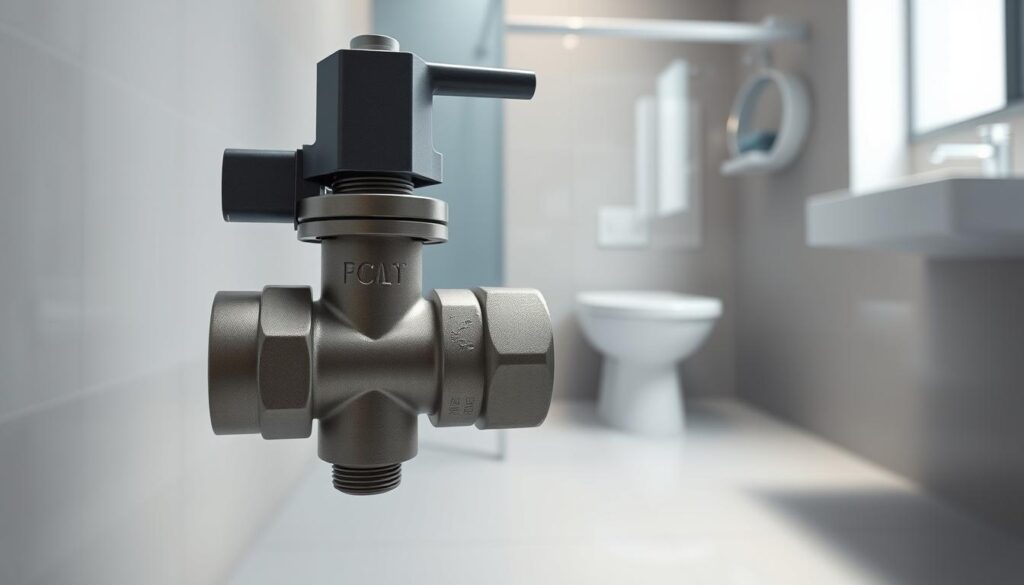
Water pressure can quietly damage your home’s plumbing. Without the right control, your pipes, appliances, and fixtures face constant danger. This is because of the unpredictable water pressure changes.
In this detailed guide, you’ll learn all about Pressure Reducing Valves (PRVs). We’ll cover the technical stuff, their key role in your home’s water system, and why they’re so important. You’ll see how this small device can greatly improve your home’s plumbing.
Key Takeaways
- PRVs protect your home’s plumbing from high-pressure damage
- Proper water pressure regulation prevents costly repairs
- Understanding PRV function can save you money on utility bills
- Not all water pressure issues are the same
- Professional installation ensures optimal PRV performance
Table of Contents
What is a PRV in Plumbing
Understanding pressure reducing valves (PRVs) is key for a healthy plumbing system. These devices manage water pressure and protect your pipes and appliances from damage.
Defining Pressure Reducing Valves
A PRV is a special valve that sits on your main water line. It watches the pressure and adjusts it to keep it steady. PRVs protect against high water pressure from the city.
- Converts high inlet pressure to lower outlet pressure
- Features adjustable mechanisms controlled by a dial or wheel
- Provides consistent pressure regulation
How PRVs Differ from Pressure Relief Valves
It’s important to know the difference between PRVs and pressure relief valves. PRVs work all the time to keep pressure low. On the other hand, pressure relief valves only kick in when pressure gets too high.
| Pressure Reducing Valves | Pressure Relief Valves |
|---|---|
| Continuous pressure management | Emergency pressure release |
| Incremental pressure adjustment | Sudden water release when pressure is critical |
Common Applications in Residential and Commercial Settings
PRVs are used in many places. You’ll find them in:
- Residential homes
- Commercial buildings
- Industrial facilities
- Workplace plumbing systems
These valves keep your appliances and big equipment working well. They help them last longer.
Understanding Pressure Reducing Valve Function
Pressure reducing valves (PRVs) are key in managing water pressure in your home. They adjust flow when pressure changes. This keeps the pressure steady, no matter what the city supply does.
The idea of set pressure is important. It’s the pressure level your PRV aims to keep, usually between 50-60 PSI for homes. Modern PRVs have built-in gauges. These let you see the current pressure easily, helping you know if everything is working right.
- Automatically adjusts water pressure
- Protects plumbing from high-pressure damage
- Provides consistent water flow
PRVs are smart because they change with your water system. They don’t just set a single pressure. Instead, they keep adjusting to keep the water pressure just right. This protects your pipes and appliances from harm.
PRVs are like intelligent guardians of your home’s water pressure, constantly working to ensure smooth and consistent water delivery.
Knowing how PRVs work shows the advanced tech behind keeping your water system running well. It’s all about keeping your home’s water flowing smoothly and efficiently.
How Pressure Reducing Valves Work in Your Plumbing System
Pressure Reducing Valves (PRVs) play a key role in keeping your water pressure just right. They protect your plumbing from damage and ensure water flows smoothly.
The Role of Inlet and Outlet Pressure
PRVs work in two main ways: Direct Acting and Pilot Operated. Direct Acting systems let water pressure directly control the valve. This means quick and accurate pressure adjustments.
- Direct Acting PRVs respond instantly to pressure changes
- Valve disc moves directly with system pressure
- Ideal for smaller residential applications
Automatic Adjustment Mechanisms
Pilot Operated PRVs use a special valve to control the main one. This method offers finer control over pressure, which is great for complex systems.
- Pilot valve monitors system pressure
- Main valve adjusts based on pilot valve signals
- Provides more precise pressure control
Static vs Dynamic PRV Operation
PRVs are split into static and dynamic types. Static PRVs stop pressure from rising when water is not moving. Dynamic PRVs work only when water is flowing, fitting certain systems better.
Choosing the right PRV depends on your specific plumbing needs and system characteristics.
Knowing how PRVs work helps you pick the best one for your home’s plumbing.
Signs You Need a PRV Valve in Your Home
Your home’s plumbing system sends out warning signs when water pressure gets out of hand. Spotting these signs early can save you a lot of money and avoid expensive fixes.
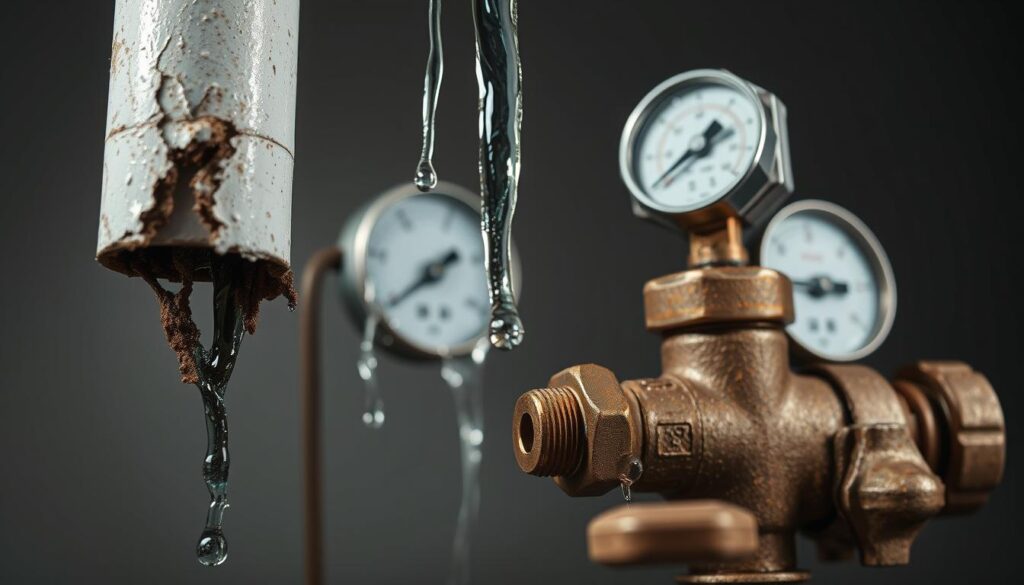
Look out for these important signs that you might need a Pressure Reducing Valve (PRV):
- Uncomfortable flow rates from indoor taps and showers with unexpectedly strong water pressure
- Loud hammering sounds from pipes or appliances when taps or valves close
- Excessive water consumption during normal household activities
- Frequent leaking or accelerated damage to seals, valves, pipes, and plumbing components
High water pressure can damage your home’s plumbing system. Symptoms like persistent pipe joint weeping, premature appliance valve failures, and unexpectedly short water heater lifespans are warning signs of pressure problems.
Experts say you should get a PRV if your water pressure is over 70 PSI. Water pressure can change a lot during the day, often going up during quiet times like early morning.
Catching these warning signs early can prevent catastrophic plumbing failures and save you significant repair expenses.
Places with complex water systems are more likely to have pressure issues. If you see several symptoms, it’s time to get a pro to check your water pressure and think about getting a PRV.
Benefits of Installing a Water Pressure Regulator
Water pressure regulators are key parts of your home’s plumbing. They offer many benefits beyond just managing water. Knowing these advantages can help keep your home safe and save you money over time.
Protecting Your Plumbing System from Damage
High water pressure is a big safety issue in your plumbing. It’s like high blood pressure in your body. It can cause serious problems like bursting pipes and damaged appliances.
- Prevents pipe erosion and corrosion
- Reduces risk of sudden plumbing failures
- Extends the lifespan of household plumbing fixtures
Reducing Water Consumption and Energy Costs
Managing your home’s water pressure helps save water. Keeping pressure between 50-60 PSI can cut water use by up to 30 percent. This saves you hundreds of dollars a year and protects your plumbing.
- Cuts water waste significantly
- Lowers monthly utility bills
- Supports environmentally friendly water usage
Eliminating Water Hammer and Plumbing Noise
Lower water pressure makes your water heaters and heating systems work better. This saves energy. About 30% of your household water is heated, making pressure control key for energy use.
- Reduces sudden pipe vibrations
- Minimizes disruptive plumbing sounds
- Improves overall system performance
Getting a water pressure regulator is a wise choice. It keeps your home safe, saves money, and helps use water better.
Plumbing PRV Installation Requirements and Process
Installing a Pressure Reducing Valve (PRV) needs careful planning and expertise. Place your PRV on the main water supply line. It should be after the main shutoff valve but before any branch lines.
Before you start, do a Visual Check to make sure the valve is ready. Look for any damage or defects that could affect its performance.
- Check Orientation of the PRV valve carefully
- Verify inlet and outlet connection directions
- Confirm flow direction matches manufacturer specifications
The Set Pressure adjustment is key during installation. Professional plumbers know how to set the valve right for your home’s water pressure.
Professional installation ensures proper integration and optimal performance of your PRV system.
Most PRVs are installed in homes without existing pressure regulation. The process is complex and affects the cost and system effectiveness.
| Installation Component | Purpose |
|---|---|
| Isolation Valves | Allow maintenance without complete water system shutdown |
| Expansion Tank | Manage thermal expansion in closed water systems |
While DIY installation might seem tempting, it’s best to hire a licensed professional. They know the local codes, can size the PRV right, and ensure a safe, efficient installation.
How to Adjust PRV Valve Settings for Optimal Performance
Learning to adjust your Pressure Reducing Valve (PRV) can save you money and protect your home’s plumbing. The right valve settings keep water pressure steady and prevent damage to pipes and appliances.
Testing Your Water Pressure Accurately
To manage your home’s water pressure well, you need a precise testing method. Get an inexpensive pressure gauge from your local hardware store (usually $10-20). It should fit:
- Outdoor hose bib
- Washing machine connection
- Water heater drain valve
Here are the key steps for testing:
- Make sure no water is running in your home
- Attach the gauge to a test point
- Open the valve fully
- Read the pressure on the gauge dial
Pro tip: Test at different times of day. Water pressure changes with neighborhood demand. Early morning has the highest pressure, while evening has the lowest.
Understanding Safe Residential Pressure Levels
Building codes say 80 PSI is the max allowed pressure. The best range for home plumbing is 50-60 PSI. This range offers:
- Comfortable shower pressure
- Efficient appliance use
- Less system stress
- Lower energy costs
A screw or bolt on top of the valve lets you make precise changes. Turn it clockwise to increase pressure or counter-clockwise to decrease. These changes adjust the tension on an internal spring that controls flow.
Be careful: Pressure under 40 PSI leads to weak flow, and over 70 PSI wears out the system. Make small adjustments, wait, and test again until you hit the 50-60 PSI mark.
PRV Valve Replacement and Maintenance Guidelines
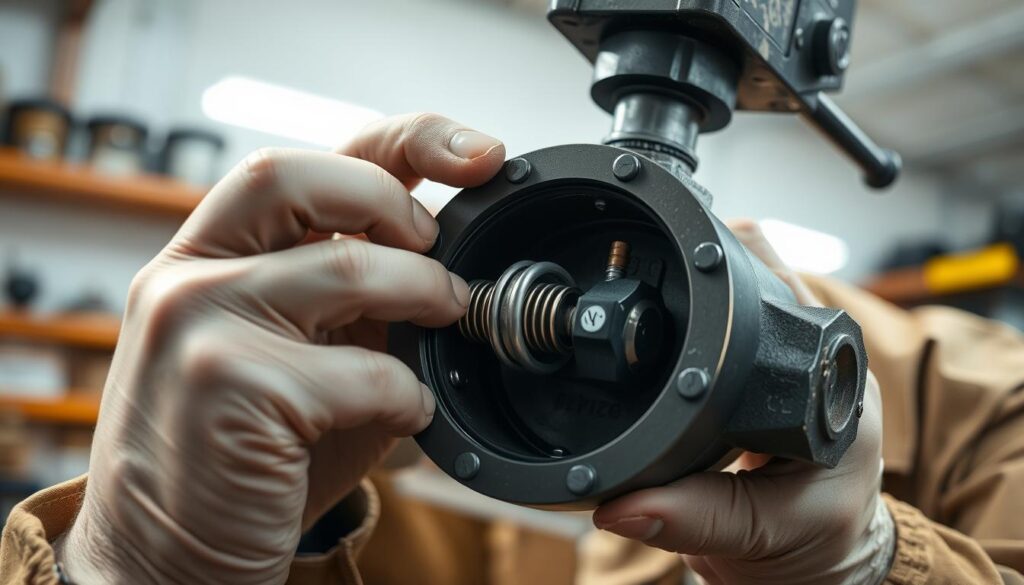
Keeping your pressure reducing valve (PRV) in good shape is key to your home’s plumbing health. Regular checks can spot problems early, saving you money later.
Important maintenance steps include:
- Looking for signs of leakage around the valve body
- Testing water pressure at least once per year
- Listening for unusual noises like whistling or humming
- Checking that the adjustment mechanism turns smoothly
Signs that your PRV might need a new one are:
- Inability to maintain set pressure
- Visible leaking from the valve body
- Pressure fluctuations
- Complete valve failure
PRV failures often come from:
- Internal diaphragm degradation
- Spring fatigue
- Debris accumulation
- Sediment buildup in hard water areas
How often to maintain your PRV:
| Maintenance Type | Frequency |
|---|---|
| Professional Inspection | Every 2-3 years |
| Proactive Replacement | Every 7-10 years |
Replacing a PRV costs about $700-900, much less than installing a new one. Regular care keeps your valve working and safeguards your plumbing investment.
Understanding PRV Valve Costs and Professional Installation
Getting a pressure reducing valve (PRV) is a big step for homeowners. It’s about protecting your plumbing. The cost of getting it installed by a pro can vary a lot. It’s important to know what you’re paying for.
Average Installation Costs Across the United States
For a new PRV installation, expect to spend between $1,200 and $1,800. Professional installation costs cover a few key things:
- PRV valve: $150-$400
- Isolation valves: $50-$100
- Expansion tank: $100-$200
- Professional labor and testing
Factors Impacting PRV Replacement Expenses
The cost can change based on several things. Replacing an old PRV is usually cheaper, costing $700 to $900. Important factors include:
| Cost Factor | Impact on Price |
|---|---|
| Valve Size | Larger homes need more expensive valves |
| Valve Brand | Premium brands like Watts or Apollo cost more |
| Installation Complexity | Hard-to-reach spots raise labor costs |
Professional installation is key. Trying to do it yourself can lead to big problems. It might seem expensive upfront, but a good PRV saves money on water bills and protects your plumbing.
Your PRV installation is an investment in your home’s long-term infrastructure protection.
Conclusion
Understanding pressure reducing valves is key to protecting your home’s plumbing. A PRV keeps your pipes and appliances safe and can cut down on water and energy bills by up to 30%. It also gets rid of annoying water hammer noise, making your home more comfortable.
Keeping your plumbing in good shape is all about being proactive and making smart choices. Even though installing a PRV costs $1,200-1,800, it’s a small price compared to the damage from high water pressure. These valves help your plumbing system last longer, saving you money in the long run.
It’s important to check your home’s water pressure regularly to avoid costly repairs. Look out for signs like low flow, hammering sounds, or frequent plumbing problems. If you’re unsure, call a licensed plumber who knows how to install PRVs correctly.
Managing your water pressure is more than just maintenance. It’s about protecting a big investment in your home. With the right knowledge about pressure reducing valves, you can make choices that keep your plumbing efficient, safe, and reliable for years.
FAQ
What does PRV stand for in plumbing?
How do I know if I need a PRV in my home?
Can I install a PRV valve myself?
How often should a PRV valve be replaced?
What is the typical cost of PRV installation?
What does PRV stand for in plumbing?
How do I know if I need a PRV in my home?
Can I install a PRV valve myself?
How often should a PRV valve be replaced?
What is the typical cost of PRV installation?
FAQ
What does PRV stand for in plumbing?
PRV stands for Pressure Reducing Valve. It’s a key part of plumbing systems. It helps lower and stabilize water pressure from the main water supply.
How do I know if I need a PRV in my home?
You might need a PRV if your water pressure is too high (over 80 PSI). Also, if you have frequent pipe leaks, hear banging pipes, or see wear on fixtures and appliances.
Can I install a PRV valve myself?
DIY experts might try, but it’s best to have a pro do it. A licensed plumber ensures the right size, correct installation, and follows local codes.
How often should a PRV valve be replaced?
Replace your PRV valve every 5-7 years. Or when you notice pressure changes, unusual noises, or less water flow.
What is the typical cost of PRV installation?
PRV installation costs vary. They range from 0 to
FAQ
What does PRV stand for in plumbing?
PRV stands for Pressure Reducing Valve. It’s a key part of plumbing systems. It helps lower and stabilize water pressure from the main water supply.
How do I know if I need a PRV in my home?
You might need a PRV if your water pressure is too high (over 80 PSI). Also, if you have frequent pipe leaks, hear banging pipes, or see wear on fixtures and appliances.
Can I install a PRV valve myself?
DIY experts might try, but it’s best to have a pro do it. A licensed plumber ensures the right size, correct installation, and follows local codes.
How often should a PRV valve be replaced?
Replace your PRV valve every 5-7 years. Or when you notice pressure changes, unusual noises, or less water flow.
What is the typical cost of PRV installation?
PRV installation costs vary. They range from $250 to $1,000. This depends on your location, plumbing system complexity, and if extra work is needed.
Can a PRV help reduce my water bill?
Yes, a PRV can lower your water bill. It prevents too much water flow and reduces pressure that can waste water and damage pipes.
What are signs my PRV might be failing?
Signs of a failing PRV include uneven water pressure, water hammer, higher water bills, leaks, and strange plumbing sounds.
How do I adjust my PRV valve?
To adjust your PRV valve, find the adjustment bolt or screw. Turn it clockwise to increase pressure or counterclockwise to decrease. Watch the pressure changes carefully.
What PSI is considered safe for residential plumbing?
Safe water pressure for homes is 40-60 PSI. Pressures over 80 PSI can harm pipes, fixtures, and appliances.
Do all homes require a PRV?
Not every home needs a PRV. They’re recommended for homes with high-pressure municipal water or consistently high water pressure.
,000. This depends on your location, plumbing system complexity, and if extra work is needed.
Can a PRV help reduce my water bill?
Yes, a PRV can lower your water bill. It prevents too much water flow and reduces pressure that can waste water and damage pipes.
What are signs my PRV might be failing?
Signs of a failing PRV include uneven water pressure, water hammer, higher water bills, leaks, and strange plumbing sounds.
How do I adjust my PRV valve?
To adjust your PRV valve, find the adjustment bolt or screw. Turn it clockwise to increase pressure or counterclockwise to decrease. Watch the pressure changes carefully.
What PSI is considered safe for residential plumbing?
Safe water pressure for homes is 40-60 PSI. Pressures over 80 PSI can harm pipes, fixtures, and appliances.
Do all homes require a PRV?
Not every home needs a PRV. They’re recommended for homes with high-pressure municipal water or consistently high water pressure.