

Affiliate Disclosure
Plumber Guide Guys is a participant in the Amazon Services LLC Associates Program, an affiliate advertising program designed to provide a means for sites to earn advertising fees by advertising and linking to Amazon.
What Is a Plumbing Stoppage? Ever wondered what’s going on under your home’s plumbing? A plumbing stoppage can turn into a big problem fast. Knowing about plumbing stoppages can save you a lot of money and prevent damage to your home.
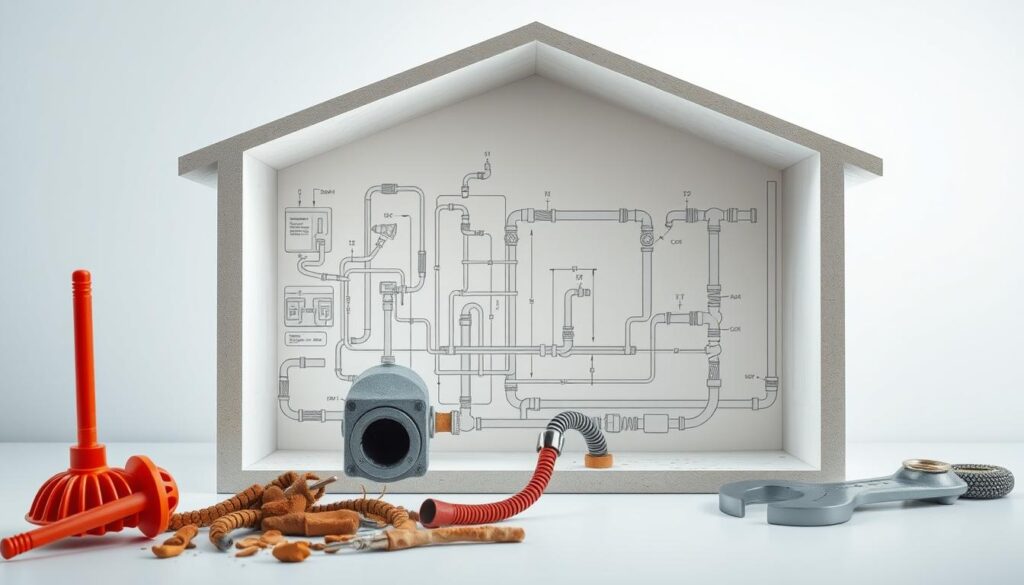
Your home’s plumbing is a complex system that can face many blockage risks. Issues like clogged kitchen sinks and bathroom drains can really mess up your day. Finding the right solutions for clogged drains is key to keeping your home safe and healthy.
Many homeowners don’t realize how serious plumbing problems can get. A small blockage can quickly lead to big problems like sewage backups and water damage. Experts say it’s important to take care of your plumbing early to avoid these big issues.
Key Takeaways
- Plumbing stoppages can cause significant home damage
- Early detection prevents expensive repairs
- Regular maintenance is key for healthy plumbing
- Different types of blockages need different solutions
- Professional help might be needed for tough clogs
Table of Contents
Understanding What Is a Plumbing Stoppage
Plumbing stoppages can quickly turn from a small problem to a big issue. Your home’s plumbing system is complex. It needs careful care to avoid blockages that can mess up your day.
Learning about drain blockage repair starts with knowing how your plumbing works. Water and waste flow through a system that can get blocked by many things.
Common Types of Plumbing Stoppages
Blockages can happen in many places in your home’s drainage system. The most common ones are:
- Kitchen sink clogs from food debris
- Bathroom drain blockages from hair and soap scum
- Toilet obstructions from things they shouldn’t have
- Main sewer line stoppages from tree roots
Impact on Home Plumbing Systems
“A small blockage today can become a catastrophic plumbing failure tomorrow.”
Ignoring stoppages can stress your plumbing system a lot. It can cause pressure buildup, pipe damage, and less water flow. These are serious problems that need fixing.
Early Warning Signs of Blockages
Spotting plumbing issues early can save you money. Look out for these signs:
- Slow-draining sinks or showers
- Unusual gurgling sounds in pipes
- Unpleasant sewage odors
- Water backing up in unexpected places
Proactive maintenance is always more cost-effective than emergency drain blockage repair.
Main Causes of Drain Blockages in Residential Plumbing
Knowing why plumbing clogs happen is key to keeping your home’s drainage system working well. Your daily actions can greatly affect your risk of sewer line stoppages. These issues can lead to expensive repairs.
Several main factors cause drain blockages in homes:
- Foreign Object Disposal: Flushing non-biodegradable items like baby wipes, feminine hygiene products, and cotton swabs
- Kitchen Waste: Accumulation of fats, oils, and grease (FOG) in drain pipes
- Organic Buildup: Hair, food particles, and soap residue collecting in pipes
- External Factors: Tree root intrusion and mineral deposits
These causes can really mess with your plumbing system. Tree roots can get into small pipe cracks and grow, causing big problems. Kitchen grease might seem okay to wash down the drain, but it hardens and blocks water flow.
To prevent clogs, start by being careful about what you flush. Use drain strainers and get regular checks from plumbers. This way, you can catch and fix problems before they get worse.
The Role of FOG (Fats, Oils, and Grease) in Pipe Clogs
Kitchen waste can cause big problems for your plumbing. Fats, oils, and grease (FOG) might seem harmless at first. But they can quickly turn into a nightmare for your pipes, leading to toilet backups and clogged sinks.
Hot grease starts as a liquid when you pour it down the sink. But as it cools, it turns solid and sticks to your pipes. This sticky coating narrows your pipes and traps other debris, making blockages hard to remove.
How FOG Impacts Your Home’s Plumbing
- Creates thick, sticky deposits in pipe walls
- Reduces pipe diameter, restricting water flow
- Attracts additional food particles and debris
- Increases risk of complete pipe blockage
Prevention Methods for FOG-Related Issues
To keep your plumbing safe from FOG damage, you need to act early. Never pour cooking oils or greasy substances directly down the drain. Here are some ways to avoid this:
- Collect grease in a disposable container
- Allow grease to cool and solidify before throwing in trash
- Use paper towels to wipe excess grease from pans
- Install sink strainers to catch food particles
Proper Disposal Guidelines
Proper disposal of FOG is key to keeping your plumbing healthy. By following these simple tips, you can avoid expensive repairs and keep your drainage system working well.
“An ounce of prevention is worth a pound of cure” – this is true for your home’s plumbing too.
Professional Drain Snaking and Clearing Solutions
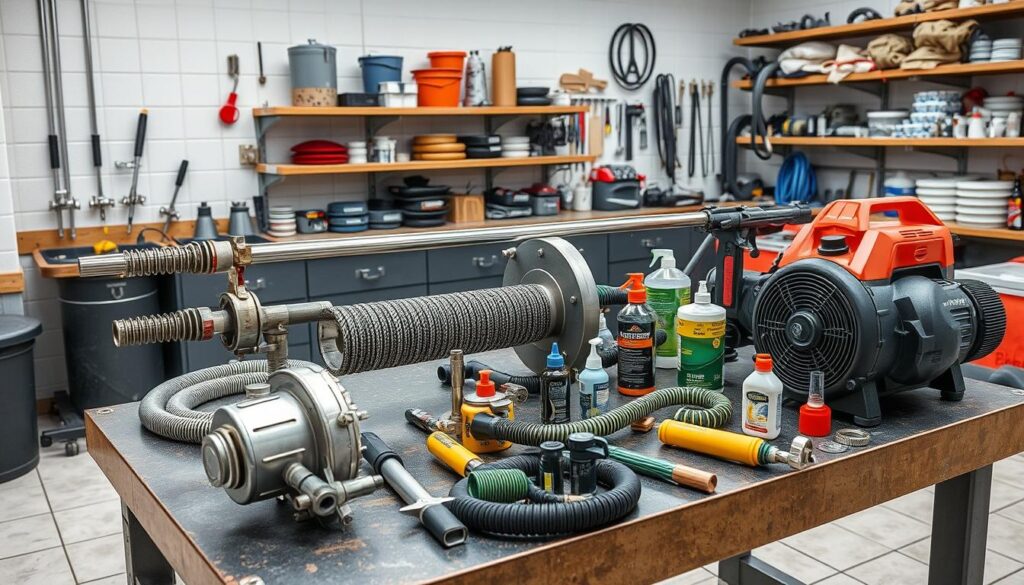
When your home’s drainage system gets clogged, professional drain cleaning is the best fix. Skilled plumbers use special tools to find and fix tough blockages that DIY methods can’t handle.
Drain snaking uses a flexible, motorized cable with a special head. It goes through pipes to break up and clear out hard clogs. Emergency plumbing services use advanced methods for thorough pipe cleaning.
- Drain snake technology allows precise removal of blockages
- Video camera inspections help identify hidden pipe issues
- Hydro-jetting provides deep cleaning for severely blocked pipes
Your home’s plumbing needs expert care, mainly for ongoing drainage issues. Professional drain cleaning does more than just plunging. It offers detailed solutions to keep your pipes safe from damage.
| Service Type | Purpose | Effectiveness |
|---|---|---|
| Drain Snaking | Remove localized clogs | High |
| Hydro-Jetting | Deep pipe cleaning | Very High |
| Camera Inspection | Identify hidden issues | Diagnostic |
Professional drain cleaning techniques fix current blockages and prevent future plumbing problems. By choosing expert services, you keep your home’s drainage system working well and avoid expensive fixes.
Health and Safety Risks of Unresolved Plumbing Stoppages
Ignoring a plumbing stoppage can turn a small problem into a big health risk. Sewer line stoppages that are not fixed can lead to many dangers. These dangers can harm your family’s health and damage your home.
A plumbing stoppage is more than a clogged drain. It opens the door to many health and safety problems. These problems need to be fixed right away.
Sewage-Related Health Hazards
Plumbing stoppages that are not fixed can be breeding grounds for harmful germs. Sewage backups can expose your home to:
- Harmful bacteria like E. coli
- Dangerous viruses
- Parasitic infections
- Potential gastrointestinal diseases
Indoor Air Quality Concerns
Sewer line stoppages can also harm your home’s air quality. Blocked pipes can release:
- Toxic sewer gas emissions
- Mold and mildew growth
- Unpleasant odors
- Potential respiratory irritants
Property Damage Risks
Ignoring plumbing stoppages can also cause serious damage to your property:
- Structural weakening
- Water damage to walls and floors
- Foundation compromises
- Expensive repair costs
Keeping your home safe starts with regular plumbing checks and quick action on any stoppage signs.
Emergency Plumbing Services for Severe Blockages
When a plumbing disaster hits, time is of the essence. Professional drain cleaning is key for severe blockages that risk your home’s safety and comfort. Emergency plumbing services are your go-to when plumbing nightmares pop up unexpectedly.
Spotting a true plumbing emergency early can prevent big damage. Look out for these warning signs that call for quick professional help:
- Sewage backing up into sinks or toilets
- Complete drainage system failure
- Burst pipes causing significant water damage
- Uncontrolled water leaks threatening electrical systems
Emergency plumbing services are all about fast action and thorough fixes. Trained techs come ready with top-notch tools to quickly figure out and fix tough plumbing problems. They know every second counts to avoid major home damage.
Quick action can mean the difference between a minor repair and a major renovation.
When picking an emergency plumbing service, look for these key features:
- 24/7 availability
- Rapid response times
- Comprehensive diagnostic capabilities
- Transparent pricing
Act fast during a plumbing emergency to reduce damage. Turn off the main water valve, move valuable items from affected areas, and call professional drain cleaning experts right away.
Preventive Maintenance Tips for Healthy Drains
Keeping your home’s plumbing system healthy requires proactive care. Understanding how to maintain your drains is key. This helps avoid costly problems before they start.
Regular maintenance can greatly reduce the need for emergency drain repairs. Homeowners can follow several important steps to keep their plumbing systems in top shape.
Creating a Regular Inspection Schedule
Having a consistent inspection routine is vital. It helps catch problems early. Here are some important maintenance checks to make:
- Monthly visual drain inspections
- Quarterly professional plumbing assessments
- Annual complete system check
Proper Usage Guidelines
Smart usage habits are the first step in preventing clogs. Your daily actions greatly affect your plumbing’s health.
| Fixture | Recommended Practices |
|---|---|
| Kitchen Sink | Use strainers, avoid pouring grease |
| Bathroom Drains | Install hair catchers, clean regularly |
| Toilet | Flush only toilet paper, avoid wipes |
Seasonal Maintenance Tasks
Different seasons need different plumbing care to prevent clogs:
- Winter: Insulate pipes to prevent freezing
- Spring: Check for winter damage
- Summer: Clear outdoor drain lines
- Fall: Prepare for increased rainfall
By following these preventive maintenance tips, you can reduce plumbing clog challenges. This protects your home’s drainage system from unexpected issues.
Modern Technology in Drain Cleaning and Maintenance
Professional drain cleaning has changed a lot with new technologies. These tools help plumbers find and fix blocked pipes without digging up the ground.
Today’s plumbers use advanced tools to solve tough drain problems:
- High-Definition Video Camera Inspections let them see inside pipes live
- Hydro-jetting technology uses strong water pressure to clean out tough blockages
- Trenchless pipe repair methods cause less damage to your property
Video camera inspections are a big deal in drain cleaning. These small cameras go into pipes to show what’s inside. They help find problems like:
- Mineral buildup
- Tree roots getting into pipes
- Damaged pipes
- Too much debris
Hydro-jetting uses water pressure to clean out old grime and blockages. It gets rid of grease, dirt, and minerals without harming the pipes.
Using modern drain cleaning tech means you can keep your plumbing in good shape for a long time.
By using these new tools, homeowners can avoid expensive fixes and keep their plumbing working well. They do it with hardly any disruption.
Cost Implications of Delayed Plumbing Maintenance
Ignoring a plumbing stoppage can turn a small problem into a big financial burden. What seems like a minor issue can quickly become a costly emergency plumbing service. This can empty your wallet.
“Prevention is always cheaper than cure” – this is true for home maintenance too.
Knowing what a plumbing stoppage is helps homeowners see the real cost of ignoring it. Here are the financial risks:
- Minor repairs might cost $100-$300
- Emergency plumbing services can range from $500-$3,000
- Extensive water damage repairs could exceed $5,000
Your home’s plumbing needs regular care. Delaying maintenance can lead to high repair costs. A small leak today could cause big damage tomorrow.
Proactive maintenance saves money by:
- Preventing catastrophic pipe failures
- Reducing emergency service calls
- Extending your plumbing system’s lifespan
Investing in regular inspections can protect your property and your finances.
Conclusion
Knowing how to prevent plumbing clogs is key to a healthy home. By taking care of your drains, you save time, money, and stress. Keeping your plumbing system clear is essential.
Regular maintenance is not just a good idea; it’s necessary to avoid expensive repairs. Watch your drainage systems closely and avoid harmful disposal. Early signs of problems should be addressed quickly. Professional help is important to keep your pipes working well.
Knowledge and consistent care are the best ways to avoid plumbing problems. Use the tips from this guide to prevent clogs. Making smart choices and caring for your plumbing will reduce surprises and make your system last longer.
Protect your home now by using these clogged drain solutions. Doing so will make your plumbing system more reliable and efficient. This will keep your property safe and your mind at ease.
FAQ
What exactly is a plumbing stoppage?
What are the most common signs of a developing plumbing stoppage?
How can I prevent plumbing stoppages in my home?
Are chemical drain cleaners effective for clearing stoppages?
When should I call a professional plumber for a stoppage?
How do fats, oils, and grease (FOG) contribute to plumbing stoppages?
What are the health risks associated with untreated plumbing stoppages?
How much can professional drain cleaning and stoppage repair cost?
What exactly is a plumbing stoppage?
What are the most common signs of a developing plumbing stoppage?
How can I prevent plumbing stoppages in my home?
Are chemical drain cleaners effective for clearing stoppages?
When should I call a professional plumber for a stoppage?
How do fats, oils, and grease (FOG) contribute to plumbing stoppages?
What are the health risks associated with untreated plumbing stoppages?
How much can professional drain cleaning and stoppage repair cost?
FAQ
What exactly is a plumbing stoppage?
A plumbing stoppage is when your home’s drainage system gets blocked. This stops water and waste from flowing well. It can happen in sinks, toilets, or shower drains. It’s usually because of debris, grease, or even tree roots.
What are the most common signs of a developing plumbing stoppage?
Signs include slow drains and gurgling sounds. You might also smell bad odors or see water backing up. If you notice these, act fast to avoid bigger problems.
How can I prevent plumbing stoppages in my home?
To prevent stoppages, don’t put grease or coffee grounds down drains. Use drain screens and do regular maintenance. Avoid flushing the wrong things and get professional checks often.
Are chemical drain cleaners effective for clearing stoppages?
Chemical cleaners might help for a bit, but they can harm your pipes. For better results, use hydro jetting or drain snaking. These methods are safer and more effective.
When should I call a professional plumber for a stoppage?
Call a pro if drains are slow, you have clogged fixtures, or sewage backs up. If DIY doesn’t work, or if you think there’s serious damage, get emergency help.
How do fats, oils, and grease (FOG) contribute to plumbing stoppages?
FOG can solidify in pipes, trapping debris and narrowing them. This can cause blockages in sinks and sewer lines. Cool and throw away FOG in trash, not down drains.
What are the health risks associated with untreated plumbing stoppages?
Untreated stoppages can lead to sewage backups, exposing you to harmful bacteria. They can also cause mold, bad smells, and damage your home’s structure.
How much can professional drain cleaning and stoppage repair cost?
Prices vary based on the blockage’s severity and location. Simple cleanings might cost 0-0. But sewer line repairs can be
FAQ
What exactly is a plumbing stoppage?
A plumbing stoppage is when your home’s drainage system gets blocked. This stops water and waste from flowing well. It can happen in sinks, toilets, or shower drains. It’s usually because of debris, grease, or even tree roots.
What are the most common signs of a developing plumbing stoppage?
Signs include slow drains and gurgling sounds. You might also smell bad odors or see water backing up. If you notice these, act fast to avoid bigger problems.
How can I prevent plumbing stoppages in my home?
To prevent stoppages, don’t put grease or coffee grounds down drains. Use drain screens and do regular maintenance. Avoid flushing the wrong things and get professional checks often.
Are chemical drain cleaners effective for clearing stoppages?
Chemical cleaners might help for a bit, but they can harm your pipes. For better results, use hydro jetting or drain snaking. These methods are safer and more effective.
When should I call a professional plumber for a stoppage?
Call a pro if drains are slow, you have clogged fixtures, or sewage backs up. If DIY doesn’t work, or if you think there’s serious damage, get emergency help.
How do fats, oils, and grease (FOG) contribute to plumbing stoppages?
FOG can solidify in pipes, trapping debris and narrowing them. This can cause blockages in sinks and sewer lines. Cool and throw away FOG in trash, not down drains.
What are the health risks associated with untreated plumbing stoppages?
Untreated stoppages can lead to sewage backups, exposing you to harmful bacteria. They can also cause mold, bad smells, and damage your home’s structure.
How much can professional drain cleaning and stoppage repair cost?
Prices vary based on the blockage’s severity and location. Simple cleanings might cost $100-$300. But sewer line repairs can be $1,000-$4,000. Regular checks are cheaper than emergency fixes.
Can tree roots really cause plumbing stoppages?
Yes, tree roots can get into pipes through cracks, looking for water. They can block pipes and even break them. Early detection and repair can prevent this.
What modern technologies are used to diagnose plumbing stoppages?
Today, we use high-definition video cameras to see inside pipes. We also use hydro jetting for cleaning and trenchless repair to fix pipes without digging up your yard.
,000-,000. Regular checks are cheaper than emergency fixes.
Can tree roots really cause plumbing stoppages?
Yes, tree roots can get into pipes through cracks, looking for water. They can block pipes and even break them. Early detection and repair can prevent this.
What modern technologies are used to diagnose plumbing stoppages?
Today, we use high-definition video cameras to see inside pipes. We also use hydro jetting for cleaning and trenchless repair to fix pipes without digging up your yard.