
Affiliate Disclosure
Plumber Guide Guys is a participant in the Amazon Services LLC Associates Program, an affiliate advertising program designed to provide a means for sites to earn advertising fees by advertising and linking to Amazon.
What Is a Plumbing Stack? Ever wondered why your home’s plumbing works well and keeps sewer smells out? It’s all thanks to the plumbing stack.
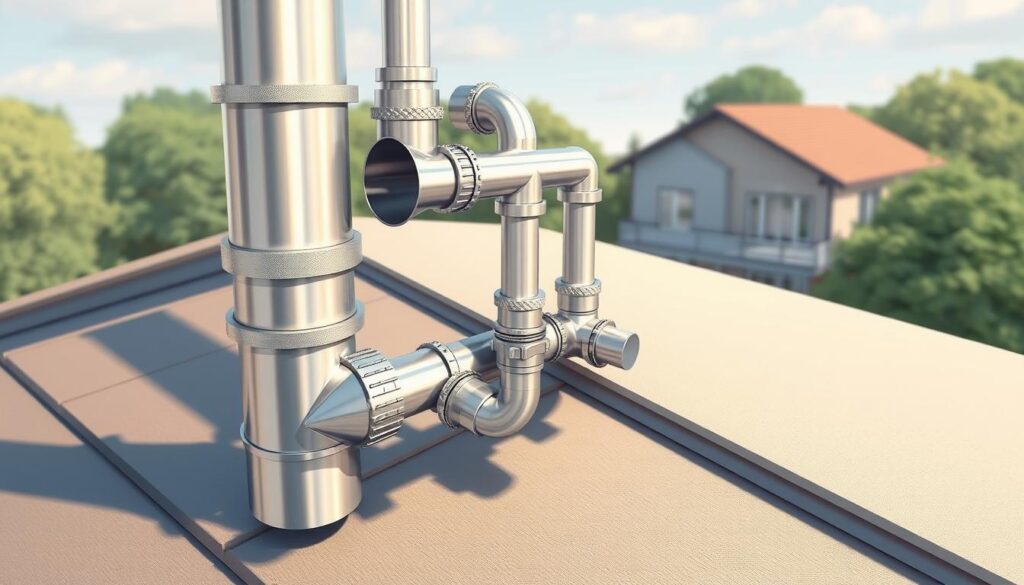
A plumbing stack is a key vertical pipe system in your home. It’s the main part of your drainage system. It moves waste water to the main drain line and also provides ventilation through the vent stack.
Knowing about the plumbing vent stack system can help avoid expensive repairs. It keeps your home’s plumbing healthy. It’s not just a pipe; it’s a complex system that ensures good drainage and keeps your air clean.
Key Takeaways
- Plumbing stacks are vital for efficient waste water removal
- Prevents sewer gases from entering your home
- Regulates air pressure in drainage systems
- Essential for maintaining proper drainage
- Protects your home’s overall plumbing infrastructure
Table of Contents
Understanding the Fundamentals of Plumbing Stacks
A house plumbing stack is key to your home’s drainage system. It’s a vertical network of pipes that manages wastewater. It also keeps air pressure right in your plumbing.
The drain waste vent pipe system is complex but vital for your home. Knowing its parts helps you see the engineering behind water removal.
The Role in Home Plumbing Systems
Your plumbing stack does a lot:
- It removes wastewater from many fixtures
- It controls air pressure in pipes
- It keeps sewer gases out of your home
- It makes sure water drains well with gravity
Basic Components and Structure
A typical house plumbing stack diagram shows important parts:
- Soil Stack: The main vertical pipe for waste
- Vent Stack: For air circulation
- Waste Stack: For water from sinks and showers
How Water and Air Flow Works
The system uses gravity and careful design. Water flows down, and vents help air move. This prevents pressure issues, ensuring waste drains well without problems.
Proper stack design makes your home’s plumbing work quietly and well.
What Is a Plumbing Stack and Its Essential Functions
A plumbing stack is key to your home’s drainage system. It’s a vertical pipe that takes wastewater from different levels of your building. Knowing its role helps homeowners see the complex system that keeps their plumbing working well.
The plumbing stack has several important jobs in your home’s water system:
- Transports wastewater from upper floors to the main sewer line
- Provides essential ventilation for the drainage system
- Prevents negative air pressure that could disrupt water flow
- Eliminates sewer gases from your home
Think of your plumbing stack as a vertical highway for waste. It connects different levels of your home, making sure water and waste move down efficiently. This design also lets air circulate, which is vital for good drainage and avoiding plumbing problems.
Every part of the vertical waste pipe has a role in handling your home’s wastewater. From the top floor bathroom to the basement, the plumbing stack keeps water flowing smoothly and safely away from your living areas.
A well-designed plumbing stack is the unsung hero of your home’s infrastructure, silently working to keep your living environment clean and functional.
Types of Plumbing Stack Systems
Plumbing stack systems are key for keeping your home’s drainage and ventilation right. Knowing the different types helps you choose the best for your plumbing.
Single-Stack vs. Two-Stack Systems
In homes, there are two main stack vent in plumbing setups:
- Single-stack systems: Used in smaller homes, they mix waste and vent into one pipe
- Two-stack systems: Better for big buildings, they split waste and vent pipes for better flow
Vertical and Horizontal Components
Plumbing stacks have vertical and horizontal parts. The vertical stack goes from basement to roof. Horizontal branches link fixtures to the main stack.
Material Options and Considerations
When picking between soil stack vs vent stack materials, you have two main choices:
| Material | Pros | Cons |
|---|---|---|
| PVC | Light, doesn’t rust | Not as good at quieting sounds |
| Cast Iron | Great at quieting sounds | Heavier, pricier |
Your choice depends on building size, sound preference, and budget. Most modern homes go with PVC for its cost and easy setup.
The Main Components of a Drain-Waste-Vent System
Your home’s plumbing system is a complex network of pipes. It manages water flow and keeps air pressure right. Knowing the main parts helps you see how your drainage works well.
The drain waste vent pipe system has three key parts:
- Soil Stack: Deals with black water from toilets and carries waste from your home
- Vent Stack: Goes through your roof, bringing fresh air into the system
- Waste Stack: Manages grey water from sinks, showers, and appliances
Each part is vital for your plumbing. The soil stack handles tough waste, while the vent stack keeps air flowing. The waste stack deals with lighter water, stopping drainage problems.
A well-designed drain waste vent pipe system protects your home from sewage backups and keeps plumbing working well.
It’s key to install and maintain your plumbing system right. This prevents water damage and ensures waste is removed efficiently. Regular checks can spot issues early, saving you from expensive fixes.
Understanding Soil Stacks vs. Vent Stacks
Your home’s plumbing system has two key parts: soil stacks and vent stacks. They look similar but serve different roles. Knowing about the plumbing vent stack system helps keep your home in good shape.
Soil stacks carry wastewater and solid waste to the main sewer line. Vent stacks, on the other hand, manage air pressure. This ensures your plumbing works right and avoids blockages.
Differences in Function and Design
Soil stacks are bigger to handle more waste. They are 3-4 inches wide and made of strong materials like PVC or cast iron. Vent stacks are smaller and focus on air flow.
- Soil stack: Carries liquid and solid waste
- Vent stack: Manages air pressure and ventilation
- Size range: 3-4 inches for soil stacks, smaller for vent stacks
Installation Requirements
Installing soil stacks vs. vent stacks needs to follow local building codes. Each stack must be placed right to work well in your plumbing system.
| Stack Type | Primary Function | Typical Material | Recommended Size |
|---|---|---|---|
| Soil Stack | Waste Removal | PVC/Cast Iron | 3-4 inches |
| Vent Stack | Air Pressure Regulation | PVC | 1.5-2 inches |
Common Configuration Patterns
Most homes have soil stacks and vent stacks working together. It’s important to align and connect them right for good drainage. Plumbers make sure these stacks are set up correctly to avoid problems.
Key Benefits of Proper Stack Ventilation
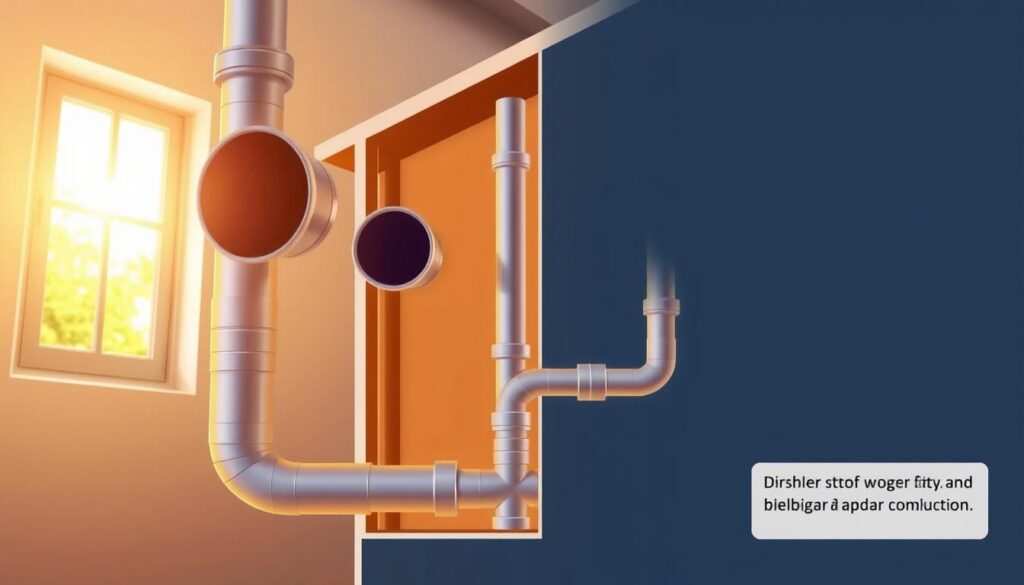
Your home’s plumbing vent stack system is key to a healthy drainage system. Knowing the benefits of proper stack ventilation helps you understand your home’s plumbing better.
A well-designed stack vent in plumbing does many important things. It keeps your drainage system safe:
- Prevents vacuum pocket formation
- Maintains consistent water flow
- Eliminates sewer gas buildup
- Protects pipe integrity
Proper ventilation ensures water flows smoothly through your pipes. This creates a spiral pattern on pipe walls. It helps avoid blockages and slow drainage issues.
“A well-ventilated plumbing system is the key to long-term drainage efficiency and home comfort.” – Professional Plumbing Association
The stack vent in plumbing is a vital air management system. It lets air circulate, preventing negative pressure. This keeps water flowing well and your drainage system working right.
Investing in a strong plumbing vent stack system saves you money and prevents emergencies. Regular checks and upkeep keep your drainage working well.
Common Plumbing Stack Problems and Solutions
Your home’s plumbing stack is key to its plumbing system. Knowing the signs of trouble and how to fix them can save your home from damage and costly repairs.
Identifying Warning Signs
Spotting plumbing stack problems early can stop big disasters. Look out for these signs:
- Persistent gurgling sounds from drain pipes
- Slow drainage across multiple fixtures
- Unpleasant sewer gas odors near drains
- Water backing up in lower-level fixtures
- Bubbling toilet bowls during fixture drainage
Troubleshooting Methods
Homeowners can do some checks when they notice plumbing stack issues:
- Check multiple fixtures for simultaneous drainage problems
- Listen for unusual sounds in drain pipes
- Inspect visible pipe connections for leaks
- Verify ventilation system functionality
Prevention Strategies
Keeping up with maintenance can help avoid plumbing stack problems:
| Prevention Technique | Frequency | Benefits |
|---|---|---|
| Regular professional inspections | Annual | Early problem detection |
| Clean drain lines | Every 18-24 months | Prevent blockages |
| Check pipe connections | Bi-annual | Minimize possible leaks |
Remember, while some minor issues can be fixed on your own, complex plumbing stack problems need a pro to fix them safely and right.
Installation Guidelines and Building Codes
Installing a plumbing stack needs careful attention to building codes and technical specs. Your vertical waste pipe is key to your home’s drainage system. It ensures water flows well and keeps your home safe from health risks.
When you plan to install a plumbing stack, you must consider a few important things:
- Precise vertical pipe positioning inside interior walls
- Proper connection to horizontal drainage pipes
- Minimum roof extension requirements
- Material compatibility and durability
Building codes give specific rules for plumbing stack systems. They set standards for pipe sizes and installation to ensure the system works well.
| Installation Requirement | Typical Specification |
|---|---|
| Minimum Vertical Pipe Diameter | 3-4 inches |
| Roof Extension Height | 6-12 inches above roofline |
| Distance from Foundation | 5-10 feet |
Different buildings need different approaches for vertical waste pipe installations. Multi-story buildings need more complex venting than single-family homes. Getting professional advice is key to follow codes and ensure the system works right.
Local areas might have extra rules beyond standard codes. Always check with your local building department before starting any plumbing stack project. This way, you can avoid fines or extra work.
Maintenance Tips for Plumbing Stack Systems
Keeping your home’s plumbing vent stack system in top shape is key. Regular care helps avoid expensive fixes and keeps water flowing smoothly. A well-maintained system is essential for your home’s plumbing health.
Several practices are vital for maintaining your plumbing stack system:
- Inspect roof vent pipe openings every six months
- Check for debris or blockages that might impede ventilation
- Listen for unusual sounds when fixtures drain
- Monitor drain speeds in different areas of your home
- Look for water marks or moisture around soil stack access points
Professional maintenance is key for your plumbing system’s longevity. Experts suggest yearly inspections to catch issues early.
| Maintenance Task | Frequency | Purpose |
|---|---|---|
| Roof Vent Inspection | Every 6 Months | Clear Blockages |
| Professional Plumbing Inspection | Annually | Comprehensive System Check |
| Drain Speed Monitoring | Quarterly | Detect Possible Clogs |
Following these maintenance tips can safeguard your home’s plumbing. It’s more cost-effective to prevent problems than to fix them later.
When to Replace Your Plumbing Stack
Keeping your plumbing stack in good shape is vital for your home’s drainage. Knowing when to replace your vertical waste pipe can stop expensive water damage and health risks.
Old plumbing systems can face serious problems that harm your home’s drainage. Knowing when to install a new plumbing stack is important to avoid big damage.
Age-Related Issues That Trigger Replacement
- Cast iron pipes usually last 50-75 years
- Corrosion grows over decades
- Material wear increases drainage issues
Critical Signs of System Failure
Your vertical waste pipe might need a new one if you see:
- Constant sewage smells
- Recurring clogs in drainage
- Visible pipe rust
- Water spots near pipe connections
- Strange gurgling sounds
Replacement Options for Modern Homes
| Material | Lifespan | Cost Efficiency |
|---|---|---|
| PVC Pipes | 50-100 years | High |
| Cast Iron | 50-75 years | Medium |
| Copper | 70-80 years | High |
“Proactive plumbing stack maintenance can save thousands in possible water damage repairs.” – Professional Plumbing Association
Getting a new plumbing stack installed needs careful thought and expert advice. Talking to a licensed plumber can guide you on the best replacement for your home.
Modern Innovations in Stack Plumbing
The world of plumbing vent stack systems has seen big changes. New technologies have made drain waste vent pipes work better and last longer.
Modern plumbing has brought in new technologies that boost your home’s drainage:
- PVC Piping Materials: These pipes are light, don’t rust, and replace old metal ones
- Air Admittance Valves (AAVs): These are new ways to vent that cut down on pipe holes
- Smart Leak Detection Systems: These systems watch your plumbing in real-time
Today’s drain waste vent pipes have cool features that make them better. Companies have made special pipes that help water flow smoothly and avoid clogs.
Some big improvements include:
- Stronger materials
- Better heat resistance
- Smart flow control
Your home’s plumbing can now use these advanced innovations. This means better, more reliable drainage systems that need less upkeep and last longer.
Conclusion
Knowing what a plumbing stack is is key to a healthy home. It’s vital for removing waste and keeping sewer gases out. You now understand its design and how it keeps your plumbing working right.
The plumbing stack does more than just handle waste. It keeps air pressure right, prevents health risks, and keeps your home’s drainage system strong. Regular checks and upkeep can save you from expensive fixes and damage.
Homeowners need to stay on top of their plumbing. Spotting early signs, knowing the system parts, and knowing when to call a pro are important. This knowledge helps you make smart choices and fix problems before they get worse.
Keeping your plumbing stack in good shape is a smart investment in your home. With the tips from this guide, you can have a safe, efficient, and reliable plumbing system for many years.