
Affiliate Disclosure
Plumber Guide Guys is a participant in the Amazon Services LLC Associates Program, an affiliate advertising program designed to provide a means for sites to earn advertising fees by advertising and linking to Amazon.
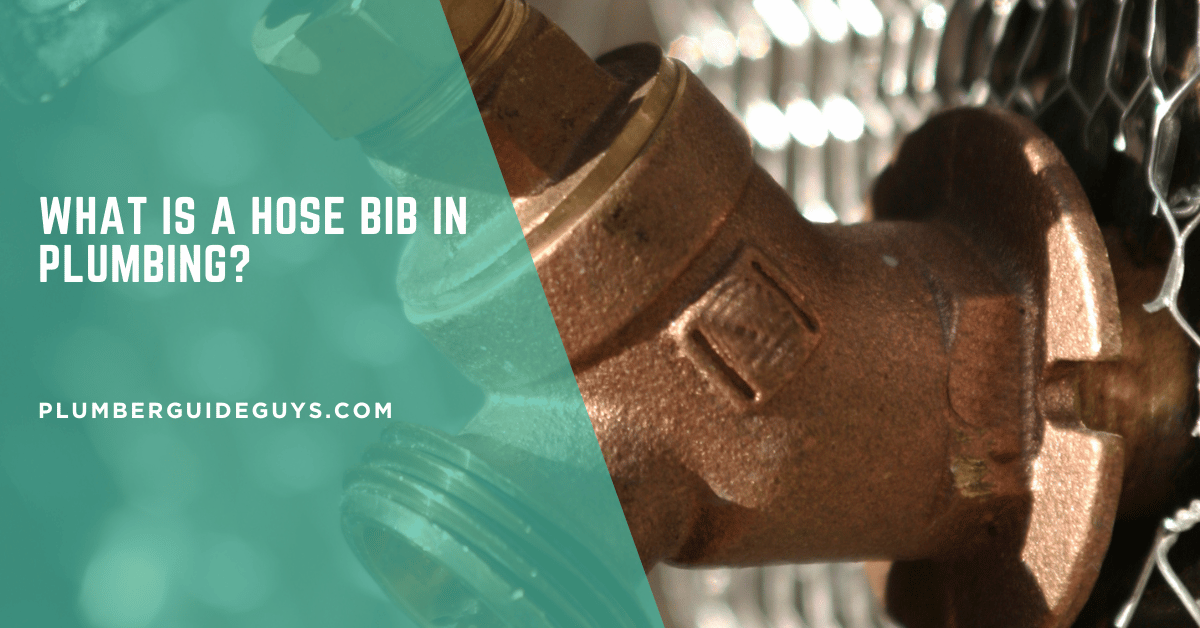
What is a Hose Bib in Plumbing? Ever wondered how people easily connect garden hoses to outdoor water sources? It’s all thanks to a key plumbing fixture called a hose bib. This important part of your home’s water system might seem simple. But it’s vital for managing water outside.
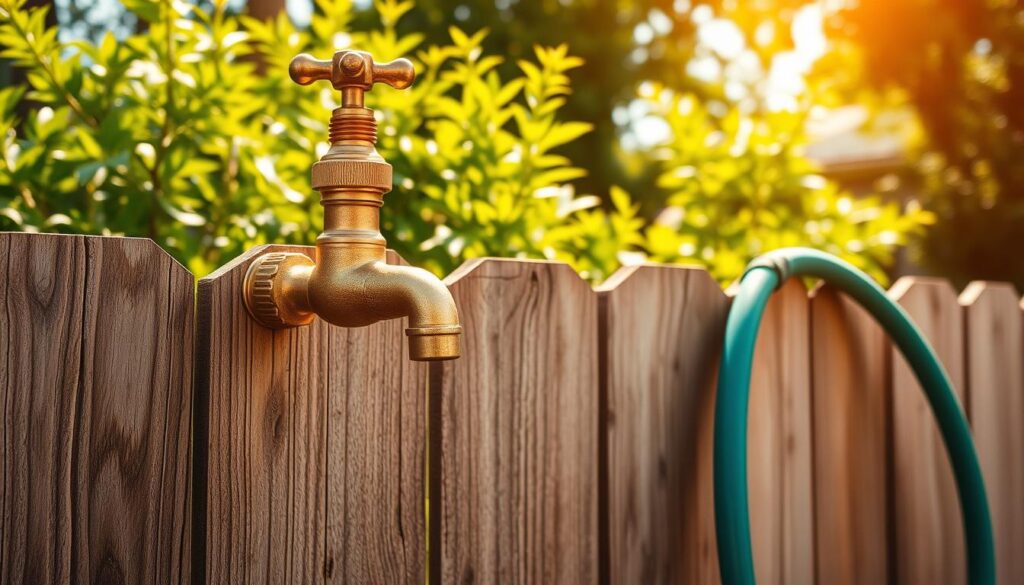
A hose bib is an outdoor faucet on your home’s wall, giving you direct access to the main water line. It’s different from indoor faucets because it lets you connect hoses and do other outdoor water tasks easily.
Need to water your garden, wash your car, or set up a sprinkler? The hose bib is where you go for outdoor water needs. Knowing how it works helps you use it well.
Key Takeaways
- Hose bibs are exterior water faucets connected to your home’s main water line
- They provide convenient outdoor water access for various tasks
- Located on exterior walls of homes and buildings
- Essential for gardening, cleaning, and outdoor water activities
- Comes in different types like standard and frost-free versions
Table of Contents
Understanding What is a Hose Bib in Plumbing
A hose bib is a key outdoor water faucet. It links your home’s plumbing to outside water sources. It’s vital for tasks like gardening, washing cars, or cleaning outside areas.
Knowing about a plumbing spigot is important for homeowners. It helps them use their garden hose connection well. These outdoor water outlets are more complex than they seem.
Basic Components and Structure
The main parts of a hose bib include:
- Exterior handle for water control
- Valve seat mechanism
- Threaded connection for garden hose attachment
- Protective housing or mounting plate
Function and Purpose
Your outdoor water faucet has many important roles. It offers a handy water access point outside your home. You can:
- Connect garden hoses
- Regulate water flow
- Prevent freeze damage with proper design
- Support various outdoor water-related tasks
Common Terminology
Professionals and homeowners use different names for this plumbing spigot, including:
- Sillcock
- Outdoor tap
- Exterior faucet
- Garden hose connection
Knowing these terms helps you talk better with plumbing experts. This is when discussing maintenance or installation of your outdoor water faucet.
The Difference Between Hose Bibs and Water Spigots
Homeowners often mix up hose bibs and water spigots. But they are not the same. Each has its own special features.
Hose bibs have a special thread for garden hoses. They are built to give a steady water supply for outdoor fun. Water spigots, on the other hand, might not have threads and can look and work differently.
- Hose Bibs:
- Always have threaded connections
- Designed for garden hose attachments
- Often include built-in shut-off valves
- Water Spigots:
- May or may not have threaded connections
- Can be more versatile in design
- Used for various water delivery purposes
Knowing the difference is key when fixing water spigots. The type of fixture affects how you fix it and what parts you need.
Not all outdoor water fixtures are created equal – knowing the difference can save you time and money on maintenance.
For those installing or replacing outdoor water fixtures, it’s vital to understand the differences. Each type has its own role and needs special care for the best performance.
Types of Hose Bibs for Your Home
Choosing the right outdoor water faucet is key to protecting your home from water damage. It also ensures reliable performance in all weather. Different hose bibs cater to various needs and challenges.
Frost-Free Hose Bibs
Frost-free hose bibs are perfect for cold climates. They have a special design that keeps water from freezing inside the pipe. This makes them great for areas where it gets very cold.
- Longer internal stem (typically 4-12 inches)
- Valve mechanism located inside the warm interior wall
- Superior protection against winter-related pipe damage
- Recommended for regions with temperatures below freezing
Standard Hose Bibs
Standard hose bibs are good for mild climates and those on a budget. They offer basic functionality and are easy to install and maintain.
- Shorter internal mechanisms
- Lower initial cost
- Suitable for temperate geographical areas
Loose-Key Security Bibs
Loose-key security hose bibs add an extra layer of protection. They can be locked when not in use, preventing unauthorized water use. This is great for rental properties or public spaces.
- Removable handle mechanism
- Enhanced security features
- Ideal for rental properties or public spaces
Choosing the right hose bib depends on your environment, budget, and security needs. Talking to a professional plumber can help you make the best choice for your home.
Essential Features and Components of a Hose Bib
Knowing the parts of a hose bib is key for homeowners. It’s not just a simple water outlet. It’s a complex plumbing device with important parts that work together.
The main parts of a hose bib are:
- Valve Seat: This is the key part that controls water flow
- Exterior Handle: Makes it easy to turn water on and off
- Operating Rod: Connects the handle to the valve inside
- Threaded Outlet: Allows you to connect garden hoses
Frost-free hose bibs have a special design. They have an extended stem that keeps the valve inside the building. This keeps water from freezing in the pipe during cold weather.
The threaded outlet is very important. It has standard threading for easy hose connection. Most homes use a 3/4 inch outlet size.
Pro Tip: Always check your hose bib’s parts every year. This ensures it works well and prevents water damage.
Installation Location and Requirements
Choosing the right spot for your plumbing spigot is key for its best performance and life span. A smart hose bib installation can stop water damage and make it easy to get to outdoor water.
When picking a spot for your hose bib, think about a few important things. These things affect how well it works and how long it lasts.
Exterior Wall Placement Strategies
The best spot for a hose bib needs careful thought. You should consider:
- How close it is to your garden
- If it’s protected from the sun
- If it’s easy to get to for upkeep
- If water can drain well
Your exterior wall spot should avoid very cold spots. Experts say to put the hose where it won’t freeze
Interior Connections Explained
The inside connection of a hose bib needs careful plumbing work. Make sure:
- The pipes are aligned right
- The shut-off valve is installed securely
- The pipes are well-insulated
Code Compliance Considerations
Local building codes are very important for hose bib installation. Each area has its own rules for backflow prevention, pipe types, and how to install. Always check local rules or talk to a licensed plumber to make sure your hose bib is up to code.
Proper installation is not just about functionality—it’s about protecting your home’s water system and ensuring long-term reliability.
Common Uses and Applications
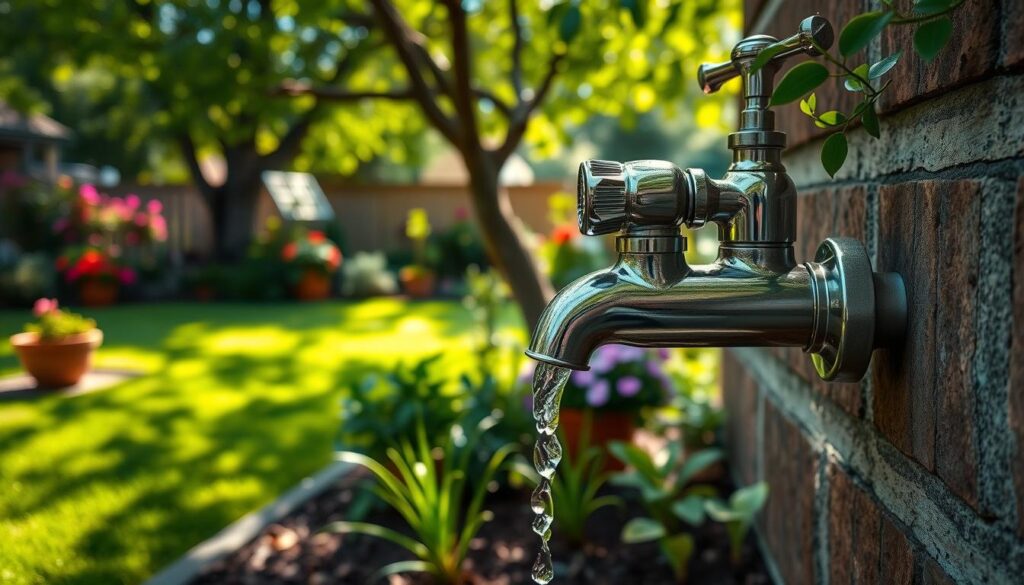
Your garden hose connection is a versatile tool. It serves many purposes around your home and property. Homeowners find many practical uses for their outdoor water faucet, beyond just watering.
Here are some primary uses for hose bibs:
- Garden Irrigation: Watering plants, flowers, and vegetable gardens
- Vehicle Maintenance: Washing cars, motorcycles, and bicycles
- Outdoor Cleaning: Washing patios, decks, and outdoor furniture
- Pet Care: Bathing dogs and cleaning pet areas
- Recreational Activities: Filling swimming pools and water play areas
Professional landscapers and homeowners love the flexibility of a well-positioned outdoor water faucet. You can easily connect sprinklers, pressure washers, and other water-dependent equipment. This makes outdoor tasks more convenient.
| Application | Equipment Needed | Typical Duration |
|---|---|---|
| Garden Watering | Garden Hose, Sprinkler | 15-30 minutes |
| Car Washing | Nozzle, Bucket | 30-45 minutes |
| Deck Cleaning | Pressure Washer | 1-2 hours |
By understanding the various applications of your hose bib, you can maximize its utility. This makes outdoor maintenance tasks much easier.
Maintenance and Care Tips
Keeping your water spigot in good shape is key to avoiding expensive repairs. Regular care helps prevent unexpected issues. It keeps your outdoor water system working well.
Seasonal Maintenance Schedule
Your hose bib needs regular checks all year. Here’s what to do:
- Spring: Look for winter damage and leaks
- Summer: Clean the spigot and check seals
- Fall: Get ready for winter
- Winter: Keep it from freezing
Leak Prevention Strategies
Catching leaks early saves time and money. Look out for these signs:
- Water drips around the spigot
- Moisture on walls
- Lower water pressure
Winterization Steps
Keeping your hose bib safe in cold weather is important. Follow these steps:
- Disconnect and drain garden hoses
- Turn off interior valves
- Use protective covers
- Drain water from pipes
“An ounce of prevention is worth a pound of cure” – Protecting your hose bib can prevent expensive repairs.
By following these tips, your water spigot will stay in great shape all year. This reduces the need for costly repairs and keeps your outdoor plumbing working well.
Troubleshooting Common Hose Bib Problems
Dealing with hose bib issues can be frustrating for homeowners. Knowing common problems and their fixes can save you time and money. Spotting damage early helps avoid bigger plumbing issues.
- Leaking around the handle
- Check for worn washers or damaged seals
- Tighten packing nuts carefully
- Replace internal components if necessary
- Reduced water pressure
- Inspect for mineral buildup
- Clean aerator and connections
- Verify pipe integrity
- Freezing or winter damage
- Look for cracks in pipes
- Check insulation around fixture
- Drain water before extreme cold
Some repairs you can do yourself. Simple fixes like replacing washers or applying pipe tape are easy. Critical signs that need a pro include leaks, low water pressure, or pipe damage.
Pro tip: Regular maintenance prevents most hose bib problems before they become expensive repairs.
When fixing issues, always turn off the water supply first. Work carefully. If unsure, get a professional plumber to keep your plumbing system in top shape.
When to Replace Your Hose Bib
Knowing when to replace your outdoor water faucet is key to avoiding water damage and expensive repairs. Your hose bib is essential for outdoor tasks, but it won’t last forever.
Look out for these signs that it’s time for a new hose bib:
- Persistent leaks around the valve or handle
- Visible corrosion or rust on the fixture
- Difficulty turning the handle or controlling water flow
- Water discoloration when the faucet is running
- Cracks in the metal or plastic components
Professional replacement is vital when DIY fixes don’t work. Trying to replace it yourself can lead to more problems.
“A timely hose bib replacement prevents water damage and ensures reliable outdoor water access.” – Professional Plumbing Association
Replacing the faucet involves disconnecting the old one, aligning the pipes, and installing a new hose bib. Frost-free models are a great choice for colder areas, making them a good upgrade.
Get a licensed plumber to check your needs and ensure a professional fix for your outdoor water system.
Conclusion
Hose bibs are key parts of home plumbing that make it easy to get water outside. Knowing about hose bibs helps you keep your outdoor water faucet working well.
Learning about different hose bib types, how to install them, and how to take care of them is important. This knowledge helps protect your home’s water system. It’s important to choose the right hose bib for your climate and needs.
Checking your outdoor faucet regularly and taking good care of it can make it last longer. By knowing how to fix common problems, you can avoid expensive repairs. This ensures you have water for gardening, cleaning, and more.
For big repairs or replacements, it’s best to call a professional plumber. With what you’ve learned, you can make smart choices about your home’s water setup. This keeps your hose bib system working well for many years.