

Affiliate Disclosure
Plumber Guide Guys is a participant in the Amazon Services LLC Associates Program, an affiliate advertising program designed to provide a means for sites to earn advertising fees by advertising and linking to Amazon.
What Is a DFU in Plumbing? Ever wondered how plumbers pick the right pipe size for your home’s drainage? It’s all about understanding what a DFU in plumbing is. A plumbing drainage fixture unit is more than a term—it’s the secret to smooth water flow in your home.
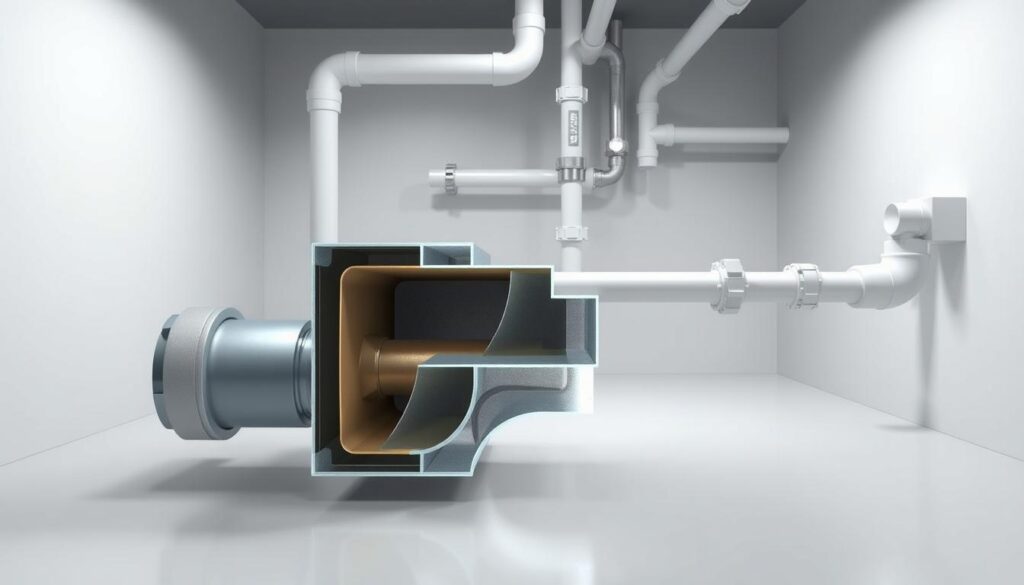
When we think of plumbing, we often picture pipes and fixtures. But plumbers use a special measurement called DFU to design systems that avoid clogs and water pressure issues. It’s like a blueprint showing how much stress each fixture puts on your home’s drainage network.
Knowing what a DFU in plumbing is can help you avoid expensive mistakes. It ensures your home’s plumbing works flawlessly. From kitchen sinks to bathroom showers, each fixture has a specific DFU value. This helps engineers and plumbers design the best drainage systems for your home.
Key Takeaways
- DFU measures the drainage load of plumbing fixtures
- Each fixture has a specific drainage impact
- Proper DFU calculation prevents plumbing issues
- DFUs help determine correct pipe sizing
- Professional plumbers use DFUs for system design
Table of Contents
Understanding what is a dfu in plumbing
Plumbing systems need exact measurements for good drainage and water flow. A Drainage Fixture Unit (DFU) is key for designing and checking plumbing. It helps professionals make sure plumbing works well.
Knowing about DFUs is vital for those in plumbing design, building, or upkeep. These units offer a standard way to figure out drainage needs for various fixtures and buildings.
Definition and Basic Concepts
A DFU is a number that shows how much water a fixture might use and how often. When figuring out dfus in drain systems, experts look at many things that affect water flow and how much it can drain.
- Measures possible water discharge volume
- Standardizes fixture evaluation
- Helps figure out pipe size needs
Why DFUs Matter in Plumbing Systems
The dfu plumbing code gives important rules for making good drainage networks. Knowing DFU values helps avoid problems like slow drains, clogged pipes, and water pressure issues.
Core Functions of Drainage Fixture Units
DFUs have several important roles in plumbing design:
- Estimate possible water volume
- Guide right pipe sizing
- Ensure system works well and reliably
- Keep up with local building codes
Using DFU rules right helps make strong, efficient plumbing systems. They meet both needs and rules.
The Fundamentals of Drainage Fixture Units Measurement
Knowing how to measure drain fixture units is key for making plumbing systems work well. A drainage fixture unit (DFU) shows how much water and waste a fixture can handle. Plumbers use this to figure out the right plumbing size for homes and businesses.
The main idea of DFU measurement is to measure water flow. One DFU is about one cubic foot of water flowing through a 1 1/4″ pipe in one minute. This rule helps experts design drainage systems that work great and hold enough water.
- Standard DFU measurement: 1 cubic foot per minute
- Pipe diameter: 1 1/4 inches
- Equivalent flow rate: 7.48 US gallons per minute
Calculating plumbing load needs careful thought. Experts look at different fixtures, their DFU values, and the whole system’s needs. This ensures good drainage and avoids clogs.
| Fixture Type | DFU Value | Average Flow Rate |
|---|---|---|
| Kitchen Sink | 2 DFU | 1.5 GPM |
| Bathroom Sink | 1 DFU | 0.75 GPM |
| Shower | 2 DFU | 2.0 GPM |
| Toilet | 3 DFU | 1.6 GPM |
Learning about drain fixture units helps you create plumbing systems that are efficient and meet building codes.
DFU Values for Common Plumbing Fixtures
Understanding drainage fixture units (DFUs) is key for efficient plumbing systems. Each fixture has its own drainage capacity unit. This affects how well the system works. Knowing these values helps in precise planning and installation.
Plumbing experts use DFU values to figure out drainage needs. These values show how much water and waste a fixture can handle.
Residential Fixture Values
Home plumbing fixtures have specific DFU ratings. These help engineers and plumbers design drainage systems for homes:
- Kitchen sink: 2 DFU
- Bathroom sink: 1 DFU
- Shower: 2 DFU
- Toilet: 3 DFU
- Washing machine: 2 DFU
Commercial Fixture Values
Commercial places need more drainage because they use more water and have complex plumbing:
- Public restroom toilet: 4 DFU
- Commercial kitchen sink: 3 DFU
- Urinal: 2 DFU
- Janitor sink: 3 DFU
Special Application DFUs
Some fixtures need special attention in system design because of their unique DFU values:
- Floor drains: 2 DFU
- Drinking fountains: 0.5 DFU
- Laboratory sinks: 3 DFU
- Industrial wash stations: 4 DFU
Choosing the right fixtures and knowing their drainage capacity is essential for a reliable plumbing system.
Plumbing Codes and DFU Standards
Understanding dfu plumbing code can be tricky. Each area has its own rules for plumbing waste system sizing. Knowing these differences is key for good plumbing design and setup.
There are three main plumbing codes in the U.S.:
- Uniform Plumbing Code (UPC)
- International Plumbing Code (IPC)
- National Standard Plumbing Code (NSPC)
Each code has its own way of handling drainage fixture units (DFUs). These differences can greatly impact pipe size, drainage, and system design.
| Plumbing Code | DFU Calculation Approach | Typical Variations |
|---|---|---|
| UPC | Strict fixture unit assignments | West Coast standard |
| IPC | Flexible sizing guidelines | Nationally recognized |
| NSPC | Conservative sizing recommendations | Northeast region preference |
Your local building department will have specific rules. Always check local codes before starting any plumbing project to follow rules and ensure the system works well.
“Proper understanding of plumbing codes prevents costly mistakes and ensures safety.” – Professional Plumbing Association
Experts suggest doing deep research and maybe talking to a licensed plumber. This helps deal with the complex dfu plumbing code rules well.
Calculating Total DFU Load in Plumbing Systems
Learning how to figure out drainage fixture units (DFUs) is key for making plumbing systems work well. You need to think about each fixture connected to your drainage network carefully.
To find out the dfus in drain systems, you must follow a set of steps. First, you identify and count the DFU values for each fixture in your plumbing setup.
Step-by-Step Calculation Process
To find your total DFU load, just follow these steps:
- List all fixtures in the drainage system
- Find the DFU value for each fixture using standard charts
- Add up the total DFU values from all fixtures
Common Calculation Mistakes to Avoid
Plumbers often make these mistakes when calculating plumbing load:
- Missing small fixtures with low DFU values
- Not planning for future growth
- Not following local building codes
Tools and Resources for DFU Calculations
Use tools like the Engineering Toolbox drainage fixture unit reference to make your calculations easier.
“Accurate DFU calculations are the foundation of effective plumbing design.” – Professional Plumbing Association
Experts suggest using special software or plumbing code guides for accurate DFU measurements.
| Fixture Type | DFU Value |
|---|---|
| Kitchen Sink | 2 DFU |
| Bathroom Sink | 1 DFU |
| Shower | 2 DFU |
Remember, precise DFU calculations protect your plumbing system’s long-term performance and efficiency.
Pipe Sizing Based on DFU Values
Understanding plumbing waste system sizing is key for effective drainage systems. Drainage capacity units (DFUs) are vital for picking the right pipe size and slope.

Designing drainage systems involves matching pipe sizes with drainage loads. This means calculating the total DFU value for a plumbing setup.
- Pipe diameter affects drainage capacity
- Slope is important for water flow and waste removal
- DFU values predict system performance
The link between pipe size and drainage capacity is complex. Bigger pipes can handle more, but need the right slope for waste removal.
| Pipe Diameter | Maximum DFU Capacity | Recommended Slope |
|---|---|---|
| 2 inches | 20-25 DFUs | 1/4 inch per foot |
| 3 inches | 40-50 DFUs | 1/8 inch per foot |
| 4 inches | 90-100 DFUs | 1/8 inch per foot |
Your plumbing system’s success relies on accurate calculations and understanding DFUs. Plumbers use charts and methods for the best pipe sizing.
Proper pipe sizing prevents drainage issues and ensures system reliability.
When planning your plumbing, getting a professional’s help is wise. They can guide you through technical needs and avoid problems.
DFU Impact on Venting Requirements
Understanding how plumbing drainage fixture units (DFU) and venting work together is key. Good venting makes sure your plumbing system runs well. It stops problems that could harm your home’s plumbing.
Venting is vital for your drainage system’s health. It controls air pressure, keeps water in trap seals, and lets wastewater flow well.
Vent Sizing Guidelines
When figuring out vent size, several things matter:
- Total number of drainage fixture units (DFUs) in the system
- Pipe diameter and material
- Distance between fixtures and main vent stack
- Building height and overall plumbing layout
Critical Venting Considerations
Plumbers follow specific dfu plumbing code guidelines for venting. Important things to think about include:
- Keeping vent pipe sizes right based on DFU load
- Stopping air pressure problems
- Ensuring air moves well in drainage pipes
- Keeping trap seals safe from siphoning
Pro tip: Always check local building codes and get a pro plumber for your plumbing ventilation system. This ensures it meets standards and works best.
Common DFU-Related Problems and Solutions
Knowing about dfu in plumbing can stop big drainage system failures. The drain fixture unit measurement is key to avoiding common plumbing problems. These issues can mess up your home’s work.
Mistakes in pipe sizing are a big problem in plumbing. Wrong drain fixture unit calculations can cause many big issues:
- Slow drainage performance
- Frequent pipe blockages
- Potential water pressure inconsistencies
- Risk of sewage backups
Experts suggest solving these problems with smart strategies. Here are some ways to tackle DFU-related issues:
- Conduct a thorough plumbing system check
- Check if pipe sizes match current fixture needs
- Recalculate drain fixture unit measurements for accuracy
- Use the right venting strategies
Your plumbing system’s success relies on exact drain fixture unit measurement. Pipes that are too small can block water flow. Pipes that are too big can waste energy. A pro plumber can find and fix complex DFU problems.
“Accurate DFU calculations are the foundation of a reliable plumbing system.” – Professional Plumbing Association
Professional Tips for DFU Implementation
Mastering plumbing load calculation needs precision and skill. Professional plumbers know that successful drainage fixture unit (DFU) implementation is more than just measuring. How you approach DFU calculations can greatly affect your project’s success.
When using fixture unit value charts, keep these key professional strategies in mind:
- Always check local building codes before starting any plumbing design
- Use specialized software for accurate plumbing load calculation
- Double-check your DFU measurements against multiple reference sources
- Consider possible future fixture additions during initial planning
Experienced plumbers suggest a systematic way to handle DFU implementation. Precision matters more than speed. Spend time learning each fixture’s unique drainage needs and how they affect the system.
“Accurate DFU calculations are the foundation of reliable plumbing systems.” – Professional Plumbing Association
Your success relies on careful attention to detail. Use digital tools, stay current with plumbing standards, and never cut corners when calculating plumbing loads.
Conclusion
Knowing what a dfu in plumbing is key for making plumbing systems work well. These units help measure and design drainage systems. They ensure water flows right and avoid system failures.
Learning about plumbing drainage fixture units can save you a lot of time and money. It helps you make smart choices in plumbing design and upgrades. This knowledge is useful for both home renovations and professional projects.
Both professional plumbers and DIY fans need to understand DFUs. They’re important for any plumbing project, big or small. This knowledge helps you design better water management systems that follow building codes and standards.
Using drainage fixture units right is more than just following rules. It’s about making plumbing systems that work well and last long. This ensures your property’s water system is reliable and efficient.