

Affiliate Disclosure
Plumber Guide Guys is a participant in the Amazon Services LLC Associates Program, an affiliate advertising program designed to provide a means for sites to earn advertising fees by advertising and linking to Amazon.
What Is A Cross Connection In Plumbing? Have you ever wondered about hidden dangers in your home’s water? A cross connection in plumbing could be quietly putting your water at risk.
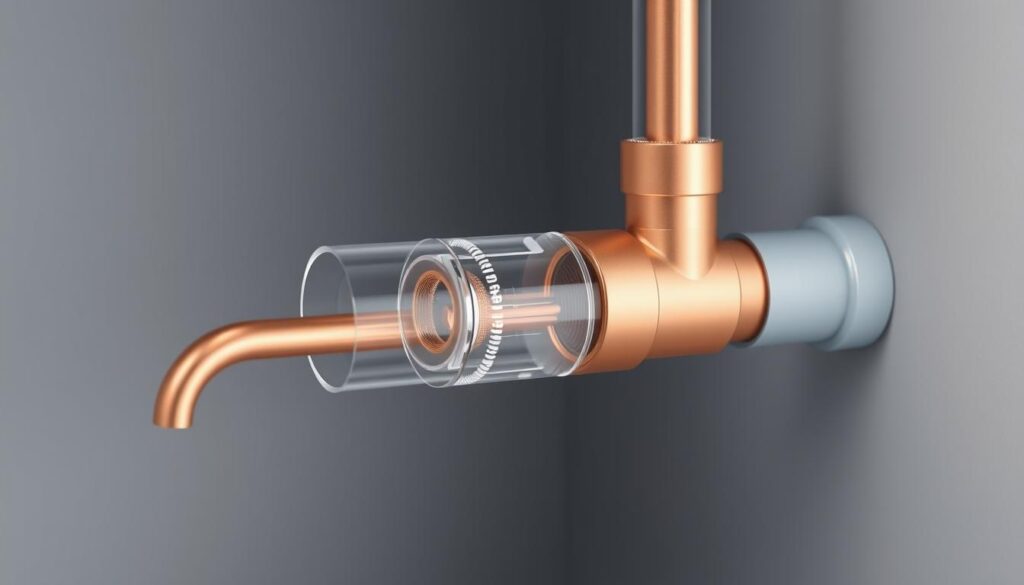
Plumbing system hazards like cross connections are a big but often ignored risk to your drinking water. These unexpected links between safe water systems and possible contamination sources can let harmful substances into your water.
It’s key to know about cross connections in plumbing to keep your family safe. These connections happen when drinking water pipes meet systems with non-safe or contaminated water. This can lead to dangerous backflow.
Water safety is more than just a technical issue—it’s about keeping your home’s most basic resource safe. By spotting and fixing cross connections, you can avoid serious health issues and make sure your water is clean and safe.
Key Takeaways
- Cross connections can introduce dangerous contaminants into drinking water
- Every plumbing system has possible cross connection points
- Professional inspection can find hidden water safety risks
- Backflow prevention devices are key for water protection
- Regular maintenance helps reduce plumbing system hazards
Table of Contents
Understanding Cross Connections in Plumbing Systems
Plumbing systems are complex and can risk water safety if not managed right. A cross connection is a key spot where drinking water might get contaminated. This happens when different water systems mix in ways they shouldn’t.
Cross connections happen when non-drinking water sources meet clean water lines. These links pose big risks to your health and water quality at home.
Physical Connections Between Systems
It’s key to know about physical connections to stop water contamination. Possible cross connection spots include:
- Irrigation systems
- Residential water-using appliances
- Fire sprinkler networks
- Swimming pool plumbing
Risks of Contamination
Water contamination can come from many sources. Some examples are:
| Contamination Source | Potential Health Impact |
|---|---|
| Backflow from garden hoses | Bacterial infection |
| Submerged irrigation pipes | Chemical exposure |
| Improperly connected appliances | Parasitic transmission |
Common Cross Connection Points
Finding where cross connections might happen is vital for safe drinking water. You should check:
- Kitchen sink spray nozzles
- Bathroom fixture connections
- Outdoor water attachment points
- Utility room plumbing
Regular checks and the right backflow prevention are key to keeping your water safe from contamination.
Types of Cross Connections and Their Hazards
It’s important to know about different cross connections to keep your plumbing safe. Learning about cross connection control helps avoid health risks and code violations.
Plumbing experts identify two main types of cross connections:
- Direct Cross Connections: These allow both backpressure and backsiphonage, posing big contamination risks.
- Indirect Cross Connections: These only allow backsiphonage, which can also harm water quality.
Direct cross connections are the biggest threats to your water system. They can happen in homes, businesses, and factories. Hazards include chemical contamination, bacterial growth, and harmful substances in drinking water.
Plumbing code violations often come from bad cross connection management. Without proper design or upkeep, contamination risks soar. Professional control involves:
- Finding possible connection points
- Putting in backflow prevention devices
- Doing regular system checks
- Keeping detailed records
Knowing about these connections helps safeguard your water. Always get a professional plumber to check and fix cross connection issues in your place.
What Is A Cross Connection In Plumbing and Why Should You Care
It’s important to know about cross connections in plumbing. They help keep your water safe and your home’s water system working right. A cross connection is a risk that could make your drinking water not as good.
Learning about cross connections shows they link your clean water to possibly dirty sources. This link lets bad stuff get into your water.
Definition and Basic Concepts
A cross connection happens when your drinking water pipes meet non-potable water sources. This can let harmful stuff get into your water through backflow.
- Potential contamination points include irrigation systems
- Chemical storage areas
- Industrial equipment connections
- Swimming pool plumbing
Impact on Water Quality
Keeping your water safe means stopping cross connections. Backflow can bring in:
- Chemical pollutants
- Bacterial contamination
- Toxic substances
- Biological hazards
Health and Safety Implications
Bad connections can lead to more than just dirty water. They can cause serious health problems from pollutants in your drinking water.
Protecting your water supply requires constant vigilance and professional assessment of possible cross connection points.
Professional plumbers suggest regular checks to find and fix cross connection risks in homes and businesses.
Backflow Prevention Devices and Methods
Keeping your water safe is very important. Backflow prevention devices help keep your water clean. They stop contaminated water from getting back into your system.
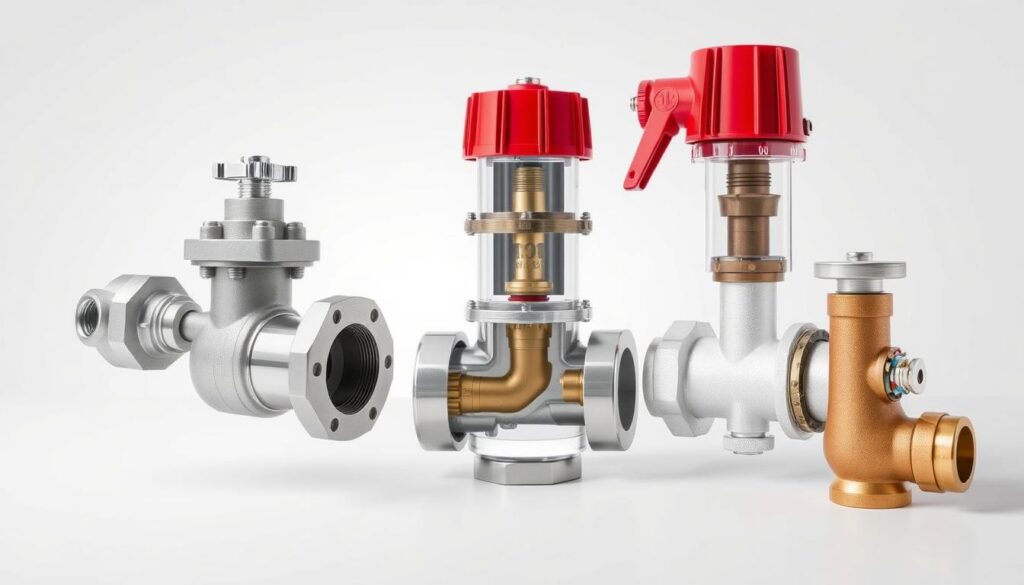
- Air Gap Devices: Create a physical separation between water sources
- Atmospheric Vacuum Breakers: Prevent water from siphoning back into clean water lines
- Pressure Vacuum Breakers: Protect against contamination under pressure
- Reduced Pressure Principle Devices: Offer maximum protection in high-risk environments
“Proper installation of backflow prevention devices is your first line of defense in maintaining water quality.” – Water Safety Expert
Choosing the right backflow prevention device depends on your water system. Homes and businesses have different needs. A professional plumber can help find the best device for you.
It’s also important to regularly check and maintain these devices. Annual checks make sure they work right. This keeps your water safe from contamination.
Common Locations of Cross Connections in Buildings
It’s important to know about residential cross connections to protect your plumbing. These connections can happen in many places in buildings. They can harm water quality and health.
Plumbing system hazards can happen in many places. Each setting has its own challenges and risks of contamination.
Residential Settings
In your home, cross connections can pop up in unexpected spots. Some key areas to watch out for include:
- Kitchen sink spray nozzles
- Outdoor garden hose connections
- Bathroom fixture attachments
- Washing machine water inlets
Commercial Properties
Commercial buildings face more complex risks. Some areas to be cautious about are:
- Restaurant kitchen equipment
- Cooling systems
- Irrigation connections
- Medical facility water lines
Industrial Facilities
Industrial places have the most complex plumbing systems. They have many points where cross connections can happen:
| Location | Potential Hazard |
|---|---|
| Manufacturing Processes | Chemical mixing zones |
| Cooling Systems | Potential backflow risks |
| Chemical Handling Areas | Direct contamination risk |
Identifying and fixing these cross connection risks needs a pro’s eye and early action.
Legal Requirements and Plumbing Codes
Understanding plumbing code violations is complex. Water suppliers and property owners must follow strict rules. These rules are in place to protect public health and prevent contamination.
The United States has set tough standards for backflow testing. The Uniform Plumbing Code (UPC) and International Plumbing Code (IPC) provide clear guidelines. These guidelines help ensure water systems are safe.
- Mandatory backflow prevention device installation
- Regular inspection and testing protocols
- Compliance with local and state water safety regulations
- Documentation of all backflow prevention measures
Property owners have big legal duties regarding plumbing code violations. Not following the rules can lead to:
| Violation Type | Potential Consequences |
|---|---|
| Minor Code Infractions | Fines and Correction Notices |
| Serious Backflow Risks | Water Service Disconnection |
| Repeated Violations | Legal Action and Substantial Penalties |
Professional certification and ongoing training are key to following plumbing codes. Water system experts need to keep up with new rules. This helps avoid health risks and legal issues.
Proactive compliance is always more cost-effective than dealing with the consequences of code violations.
Cross Connection Testing and Maintenance
Keeping your water system safe is key. This means controlling cross connections and testing for backflow regularly. It’s all about inspections, keeping records, and staying ahead with maintenance.
For real water safety, you need more than just looking around. Your water’s safety depends on detailed tests. These tests find risks early, before they cause big problems.
Inspection Procedures
Good backflow testing means checking your water system closely. Look at:
- Where cross-connections might happen
- Backflow prevention devices
- System pressure and water flow
- How well connections are made
Documentation Requirements
Keeping good records is vital for water safety. Your records should have:
- Detailed inspection reports
- Test results for devices
- Maintenance history
- Logs for repairs and replacements
Maintenance Schedules
Having a solid maintenance plan keeps your water safe. Experts often recommend:
- Annual thorough inspections
- Quarterly visual checks
- Testing right after system changes
- Keeping devices calibrated and replaced as needed
Proactive maintenance saves money compared to fixing emergencies.
Real-World Examples of Cross Connection Incidents
Water contamination risks can come from unexpected plumbing system hazards. These problems often go unnoticed until they become serious. Understanding real-world scenarios helps us see the dangers in our water systems.
In Cold Spring, New York, a household faced a big problem. A washing machine drain hose was directly connected to the sewer line. This created a huge risk of water contamination.
- The washing machine was connected without an essential air gap
- Potential sewage backup could contaminate household water supply
- Bacterial transmission became a serious health threat
In a commercial kitchen, a similar issue happened. The wrong sink connections let cleaning chemicals flow back into drinking water lines. This shows how cross connections can be a big risk to our water systems.
| Location | Cross Connection Type | Potential Contamination Risk |
|---|---|---|
| Residential Home | Washing Machine Drain | Sewage Backflow |
| Commercial Kitchen | Sink Connection | Chemical Contamination |
These cases highlight the need for professional plumbing checks and cross connection prevention. Keeping your water system safe means spotting and fixing these risks early on.
Prevention Strategies and Best Practices
To keep your water safe, you need a strong plan for cross connection control. Knowing and using good prevention methods can lower the chance of water getting contaminated. This is true for homes, businesses, and factories.
Good cross connection control needs a plan that covers all risks. It’s about careful planning and being ready to act.
Installation Guidelines for Safe Plumbing Systems
When you set up plumbing, water safety should be your top goal. Follow these key steps:
- Use approved backflow prevention devices
- Keep potable and non-potable water lines separate
- Put barriers at places where water could mix
- Choose materials that won’t let contamination in
Regular Monitoring Techniques
Checking your water often is key to keeping it safe and stopping dangers:
| Monitoring Activity | Frequency | Purpose |
|---|---|---|
| Backflow Preventer Testing | Annually | Make sure it works right |
| Visual Pipe Inspections | Quarterly | Look for risks of water mixing |
| Water Quality Testing | Bi-Annually | Find signs of contamination |
Emergency Response Planning
Make a detailed plan for emergencies. It should include:
- Steps to quickly isolate the problem
- How to communicate with others
- Actions to fix the issue
- What to document
By using these strategies, you can greatly improve your cross connection control. This helps keep your water safe for everyone.
Professional Certification and Training
Professionals in backflow testing and cross connection control are key to keeping our water safe. Getting certified shows you’re an expert and serious about water quality.
Certification for cross connection control specialists includes detailed training. This training teaches you how to spot and fix water contamination risks.
- Comprehensive training on backflow testing requirements
- In-depth understanding of water system complexities
- Advanced techniques for cross connection control
- Regulatory compliance and safety protocols
There are special certifications from known professional groups. These certifications prove your skills and help prevent water contamination.
| Certification Level | Required Training Hours | Examination Component |
|---|---|---|
| Entry-Level Specialist | 40 hours | Written Exam |
| Advanced Practitioner | 80 hours | Written and Practical Exam |
| Master Certification | 120 hours | Comprehensive Assessment |
Staying updated is vital in cross connection control. New water safety tech and rules come out fast. So, you need to keep learning to stay good at your job and keep people safe.
Getting certified shows you care about water safety. It also means you have the skills to stop water contamination risks.
Conclusion
Learning about cross connections in plumbing is key to keeping your water safe. This guide has shown you the dangers that can harm your drinking water. Cross connections are serious health threats that need constant attention.
Keeping water safe is a team effort. Owners, plumbers, and water suppliers must all work together. Regular checks, installing backflow devices, and knowing where contamination can happen are vital. Your efforts can stop water quality problems that could harm your family.
Plumbing systems are getting better with new technologies to fight cross connection risks. By knowing the best ways to prevent problems and getting professional checks, you can lower the chance of water contamination. Everyone’s help is needed to keep water safe for the future.
Protecting your water supply is an ongoing job. Spending time and effort to understand and prevent cross connections ensures clean drinking water for your home or office.