
Affiliate Disclosure
Plumber Guide Guys is a participant in the Amazon Services LLC Associates Program, an affiliate advertising program designed to provide a means for sites to earn advertising fees by advertising and linking to Amazon.
What Is a Cleanout in Plumbing? Ever wondered how plumbers fix pipe blockages without damaging your walls or floors? The answer is simple: they use cleanouts.
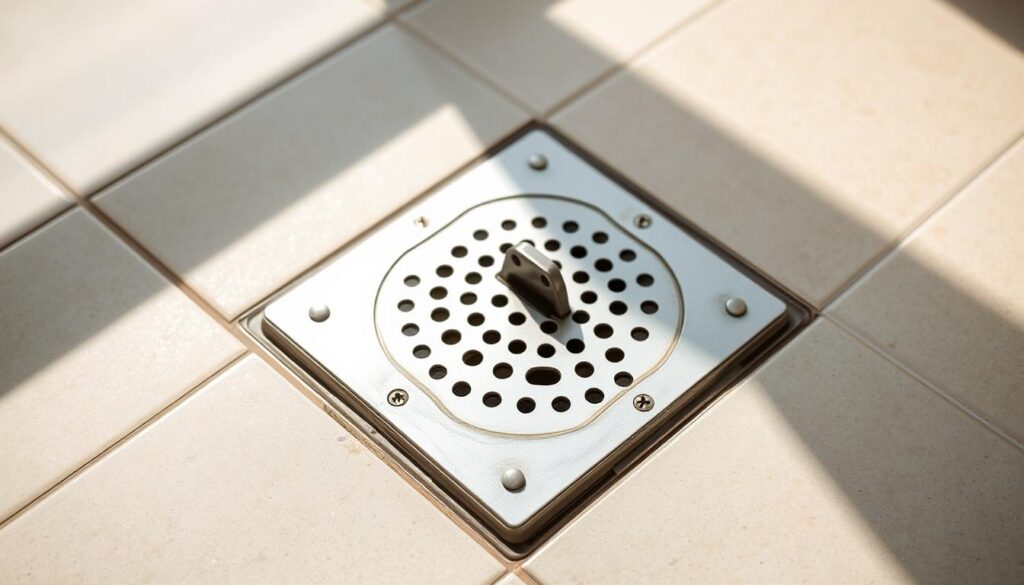
A plumbing cleanout is a special access point. It makes maintenance and repairs easier in your home’s drainage system. It lets plumbers use tools to check, clear, and fix blockages without causing damage.
Knowing about cleanouts can save you a lot of time, money, and trouble. These small parts are key to keeping your plumbing system working right. They give plumbers a quick way to access your pipes.
Key Takeaways
- Cleanouts are essential access points in plumbing systems
- They enable easier maintenance and repair of drainage pipes
- Strategically located to minimize invasive procedures
- Critical for preventing and resolving pipe blockages
- Help reduce long-term plumbing maintenance costs
Table of Contents
Understanding the Basics of Plumbing Cleanouts
Plumbing cleanouts are key parts of your home’s drainage system. They give plumbers and homeowners a way to check, clean, and fix blockages in sewer and drainage lines.
These access points do more than just open up a space. They help stop big plumbing problems by letting professionals fix issues fast.
Types of Cleanout Access Points
Cleanouts are made in different ways to fit different plumbing needs:
- Main sewer line cleanouts
- Branch line cleanouts
- External cleanout locations
- Internal cleanout positions
Essential Functions of Cleanouts
The right cleanout location is vital for your plumbing’s health. These spots have several key roles:
- They let plumbers use special tools directly
- They help check pipe conditions
- They make it easy to clear blockages
Building Code Requirements
Building codes often require cleanouts to keep waste flowing right and avoid health risks. These rules say how many, where, and how they should be set up in homes and businesses.
Professional plumbers say knowing your home’s cleanout system is key to good drainage.
What Is a Cleanout in Plumbing and Its Purpose
A cleanout in plumbing is a key access point for your home’s drainage system. It lets plumbers and homeowners check, clean, and clear blockages easily. This makes fixing problems quick and simple.
Knowing about cleanouts can save you a lot of time and money. They are placed at important points in your plumbing. This helps solve drainage issues fast.
- Provides easy access to pipe interiors
- Allows professional drain cleaning
- Facilitates blockage removal
- Supports routine plumbing maintenance
Cleanouts do more than just maintain your plumbing. They are vital for solving big plumbing problems. Without them, fixing issues could be very expensive and hard.
| Cleanout Location | Primary Function | Accessibility |
|---|---|---|
| Main Sewer Line | Major blockage removal | Professional access |
| Branch Lines | Targeted pipe cleaning | Moderate complexity |
| External Pipes | Underground issue resolution | Specialized equipment needed |
Using cleanouts for regular maintenance can stop expensive plumbing emergencies. It keeps your drainage system working well.
Strategic Locations of Plumbing Cleanouts
Finding the right sewer cleanout spot is key for your home’s plumbing. Having easy access to cleanouts helps keep your plumbing working well. Plumbers suggest placing cleanouts in spots that are both easy to reach and useful.
Where you put cleanouts depends on your home’s plumbing setup. Here are the main spots for cleanouts:
- Near the home’s foundation
- Along the main sewer line
- At major pipe junctions
- Close to big changes in piping direction
Main Line Cleanout Placement
Your main sewer line cleanout is usually by the foundation. The exact spot depends on your sewer line’s path. Some homes face their cleanouts towards the street, while others are near alleys or side lines.
Branch Line Cleanout Positions
Branch line cleanouts are placed for easy access to your plumbing system’s parts. They’re often near:
- Bathroom fixture groups
- Kitchen drain areas
- Basement or crawl space junctions
External vs Internal Cleanouts
Your home might have both outside and inside cleanouts. Outside cleanouts are by your home, giving direct access to the sewer line. Inside cleanouts are in basements or utility rooms. Each type has its own role in keeping your plumbing system healthy.
Identifying Different Types of Cleanout Caps and Covers
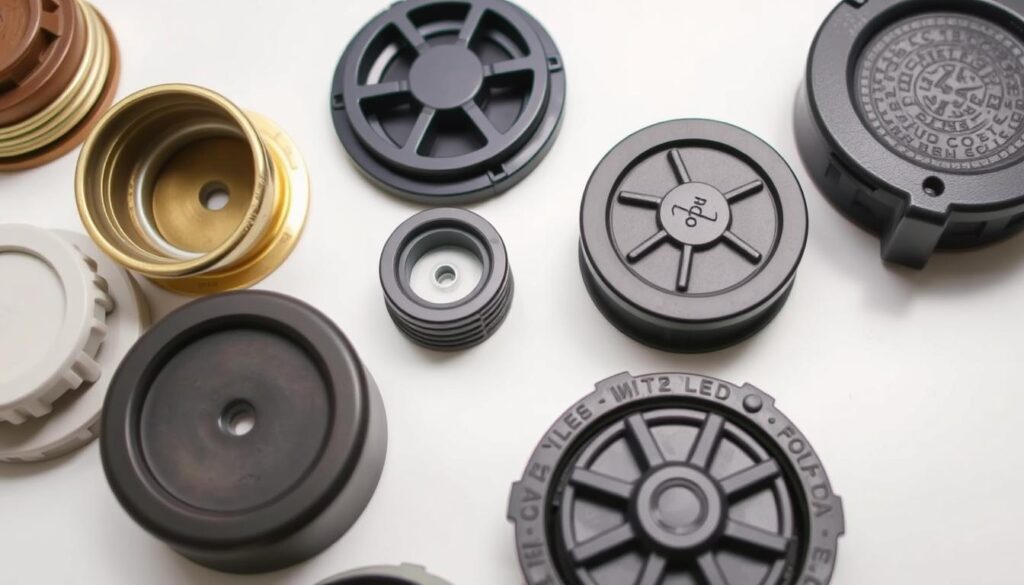
Understanding the different types of cleanout caps is key for both homeowners and professionals. These caps protect your plumbing system from debris and unwanted access. They also make maintenance easy.
There are various types of cleanout caps for different needs. You’ll find several distinct ones:
- Threaded Caps: Most common for indoor and outdoor plumbing access points
- Flush-Mounted Covers: Ideal for finished areas with minimal visual disruption
- Raised Cleanout Covers: Useful in areas prone to water accumulation
The material of your cleanout cap is important for its durability and performance. Common materials include:
- PVC (lightweight and corrosion-resistant)
- Brass (durable and aesthetically pleasing)
- Cast Iron (extremely strong for heavy-duty applications)
Choosing the right cleanout cap depends on several factors. These include location, environmental conditions, and exposure to elements. Proper installation ensures a secure seal. This prevents leaks and keeps your plumbing system working well.
Pro Tip: Always ensure your cleanout cap is tightly secured and matches the specific requirements of your plumbing configuration.
The Role of Cleanouts in Drain Maintenance
Keeping your home’s plumbing in good shape is key. Cleanouts are essential for this, giving plumbers access to your plumbing network.
Plumbers use cleanouts for important maintenance. Knowing how to use them can save you a lot of time and money.
Preventive Maintenance Benefits
Regular maintenance with cleanouts has many benefits:
- They help find pipe problems early
- Stop big blockages before they happen
- Save you from expensive repairs
- Make your plumbing last longer
Professional Cleaning Access
Cleanouts let pros get into your drainage system. They can:
- Take out stuck debris
- Clear blockages
- Do camera inspections
- Do deep cleaning
Emergency Situation Handling
In emergencies, cleanouts are a big help. For severe clogs or backups, they let plumbers act fast. This can prevent water damage and save time.
Proper maintenance through cleanouts can prevent up to 70% of unexpected plumbing emergencies.
How to Properly Use and Access Plumbing Cleanouts
Knowing how to use plumbing cleanouts is key for homeowners. They help keep drainage systems working well. Cleanouts are important for checking and fixing pipe blockages.
Before you start, you’ll need some tools and safety steps:
- Protective rubber gloves
- Safety goggles
- Pipe wrench
- Bucket for water or debris
- Old towels or rags
Here’s what to do when using a plumbing cleanout:
- Find the cleanout access point (usually near the main sewer line)
- Make sure the area is well-ventilated
- Put on your protective gear
- Place your bucket under the cleanout
- Use a pipe wrench to slowly remove the cleanout cap
Warning: Be ready for water or sewage backup when opening a cleanout. If you face a lot of resistance or see a big blockage, call a plumber.
| Cleanout Type | Recommended Access Frequency | Difficulty Level |
|---|---|---|
| Main Line Cleanout | Every 2-3 years | Advanced |
| Branch Line Cleanout | Annually | Intermediate |
| External Cleanout | As needed | Basic |
While DIY maintenance is good, some plumbing problems need a pro. Knowing how to use plumbing cleanouts lets you do basic upkeep. But, it’s also important to know when to call a plumber.
Installation Guidelines for New Cleanouts
Installing a plumbing cleanout needs careful planning and precision. It’s important whether you’re working on a home or a business. Knowing how to install it right can save you time and avoid plumbing problems.
Before starting, make sure you have the right tools and materials. This will help you complete the project successfully.
Essential Tools and Materials
- Pipe cutter
- Measuring tape
- Pipe wrench
- Y-fitting with cleanout adapter
- Plumber’s tape
- Protective gloves
- Safety glasses
Step-by-Step Plumbing Cleanout Access Installation
- Find the best spot for your cleanout, following local building codes
- Measure and mark the pipe for the cleanout
- Cut the pipe with a pipe cutter
- Clean the pipe edges to remove any burrs or debris
- Apply plumber’s tape to the threading of the Y-fitting
- Install the Y-fitting with the cleanout adapter
- Secure the connection with the right tools
- Test the installation for proper fit and leaks
When installing a plumbing cleanout, always focus on safety and precision. Wrong installation can cause big plumbing problems and water damage. If you’re not sure about any step, get help from a professional plumber for the right plumbing cleanout access.
Pro Tip: Always check local building regulations before starting your cleanout installation project.
Common Problems and Troubleshooting with Cleanouts
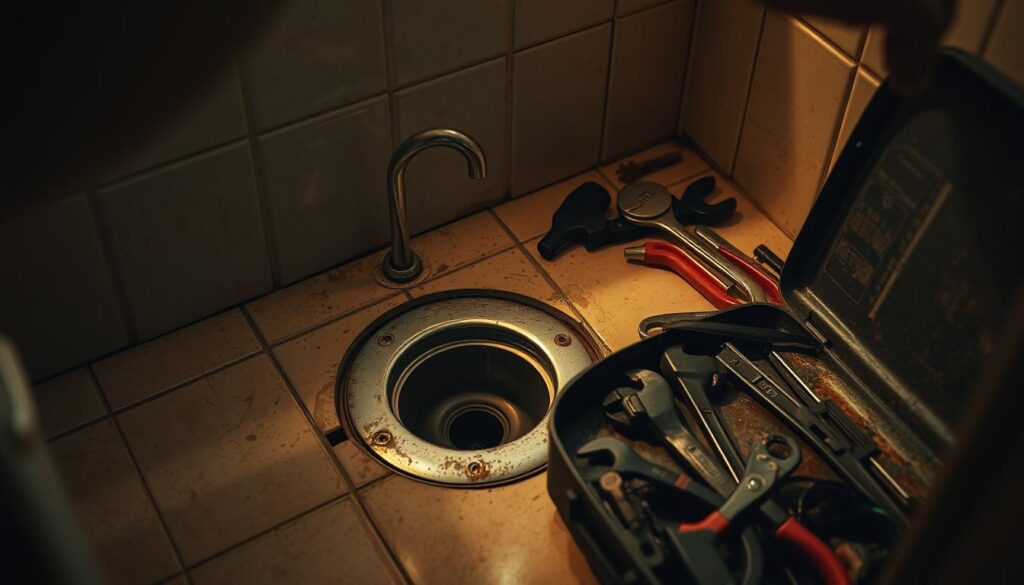
Cleanouts are key parts of your plumbing system. But, they can face many issues that need quick action. Knowing how cleanouts work helps you spot and fix problems early.
When you learn to use plumbing cleanouts well, you’ll find some common problems:
- Stuck or Corroded Caps: Caps can get hard to remove because of rust, mineral buildup, or being exposed for a long time
- Leaks Around Cleanout Areas: This can cause water damage and make pipe seals wear out
- Blockage Prevention: Debris can build up and block the flow of water
To find out what’s wrong with your cleanout, start by looking at it closely. Check for cracks, corrosion, or if it’s not aligned right. Always wear gloves and use the right tools when you’re checking or fixing the cleanout cap.
Safety tip: If you’re not sure about any plumbing problem, always get a professional plumber to avoid damage.
Some signs mean you need a pro to help:
- Water keeps backing up
- You see damage on the pipes
- You can’t clear blockages no matter what
- You smell something weird near the cleanout
While you can fix some small problems yourself, big issues need a pro. They keep your plumbing system working right and avoid expensive fixes.
Maintaining and Protecting Your Cleanout System
Keeping your plumbing cleanout system in good shape is key. Regular checks on your cleanout access points are vital. They help avoid problems and keep everything working well for a long time.
Begin by setting up a regular check-up schedule for your plumbing cleanout cap and the area around it. Look for these important maintenance steps:
- Check for visible damage or corrosion on cleanout caps
- Ensure caps are securely fastened
- Remove debris and vegetation around exterior cleanouts
- Verify that cleanout locations remain easily accessible
When you’re doing home improvements or landscaping, protect your cleanout system. Use temporary markers to avoid accidental damage or burial. Remember, accessible cleanouts are critical for emergency plumbing repairs.
Here are some ways to protect your drain system:
- Install protective covers on outdoor cleanouts
- Keep the area around cleanouts clear and unobstructed
- Document cleanout locations for future reference
- Schedule professional inspections annually
By taking care of your plumbing cleanout system ahead of time, you’ll make it last longer. This will also save you from expensive repairs later on.
When to Call a Professional for Cleanout Services
Knowing when to call a professional for main line cleanout services can save you from costly and extensive drain system maintenance problems. While some minor clogs might seem manageable, certain situations demand expert intervention.
Professional plumbers become essential when you encounter persistent warning signs that indicate serious drainage issues:
- Multiple drains backing up simultaneously
- Recurring clogs that resist standard plunging or chemical treatments
- Foul sewage odors emanating from drains
- Unusual gurgling sounds in your plumbing system
- Visible sewage or water pooling around drain areas
Specialized equipment like drain cameras and hydro-jetting machines are critical tools professionals use to diagnose and resolve complex drain system maintenance challenges. These technologies allow plumbers to:
- Perform detailed pipe inspections
- Identify hidden blockages
- Remove stubborn debris without damaging pipes
- Provide thorough cleaning solutions
Professional cleanout services offer expertise that goes beyond temporary fixes. They can help prevent long-term damage to your main line cleanout system. This saves you time and money on future repairs.
Remember, early professional intervention can prevent minor drainage issues from becoming major plumbing emergencies.
Protect your home’s plumbing infrastructure by recognizing when DIY solutions are insufficient. Then, seek professional expertise when needed.
Conclusion
Knowing what a cleanout in plumbing is key for a healthy home drainage system. These points give homeowners a peek into their plumbing, making maintenance easier and quick fixes possible.
Drain system upkeep gets simpler with cleanout knowledge. Knowing where and how to use them can avoid expensive fixes and sudden plumbing issues. Regular checks and expert advice keep your plumbing in top shape.
Being proactive about cleanouts saves you time, money, and stress. Whether it’s a small blockage or a big drainage problem, using your cleanout right makes a big difference. It keeps your plumbing system working well.
While you can do some maintenance yourself, complex plumbing needs a pro. Spend time learning about your plumbing. And don’t be afraid to call in an expert when you need to.