

Affiliate Disclosure
Plumber Guide Guys is a participant in the Amazon Services LLC Associates Program, an affiliate advertising program designed to provide a means for sites to earn advertising fees by advertising and linking to Amazon.
What Is A Bushing Plumbing? Ever wondered how plumbers connect pipes of different sizes without losing water flow? The answer is a simple yet clever tool called a plumbing bushing.
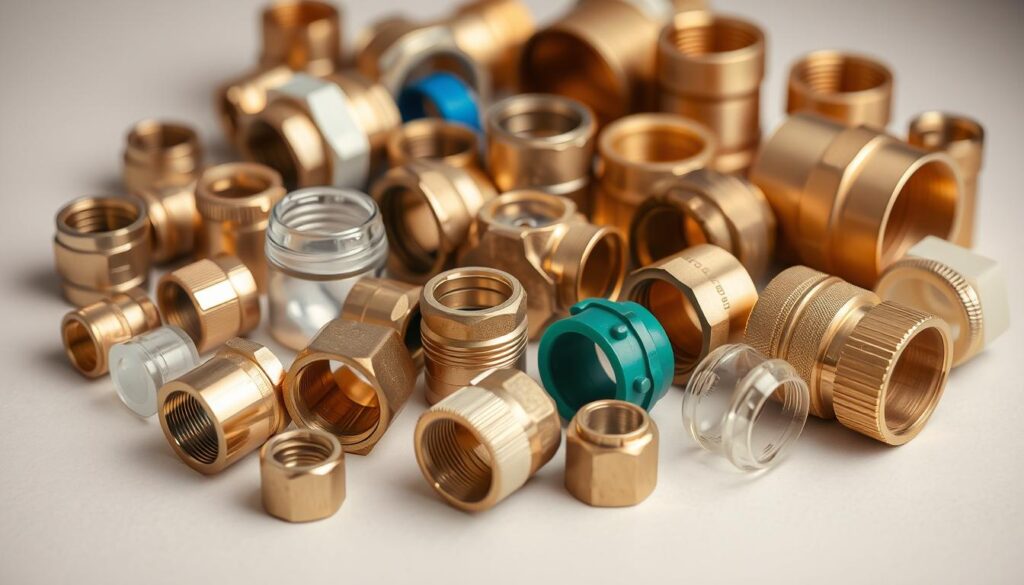
So, what exactly is a plumbing bushing, and why is it so important? These small fittings help you switch between pipes of different sizes. They make sure water flows smoothly in homes and businesses.
These adapters are key for keeping water pressure and flow just right. They’re vital for both big water systems and small home fixes. Knowing about plumbing bushing types can really help you save time and money.
Key Takeaways
- Plumbing bushings connect pipes of different sizes
- Essential for maintaining proper water flow
- Available in multiple materials and configurations
- Critical for both residential and commercial plumbing
- Helps manage pipe diameter transitions efficiently
Table of Contents
Understanding What Is A Bushing Plumbing
Plumbing bushings are key parts that help manage pipe connections and size changes. They are small but very important for creating efficient pipe systems in homes and businesses.
A bushing in plumbing is a special adapter for connecting pipes of different sizes. It helps you smoothly switch between larger and smaller pipes, keeping your system working well.
Definition and Basic Function
Installing pipe bushings means connecting pipes of different sizes. These adapters have:
- Threaded interior and exterior surfaces
- A compact design that saves space
- The ability to smoothly reduce pipe diameter
Common Applications in Plumbing Systems
Bushings are used in many places, including:
- Residential water supply lines
- Industrial pipe networks
- HVAC system connections
- Irrigation infrastructure
Role in Flow Control and Pipe Connections
Your plumbing system needs bushings to keep water pressure right and stop leaks. They make sure connections between pipes are smooth, helping your system work better.
Proper pipe bushing installation is key to maintaining a robust and reliable plumbing infrastructure.
Types of Plumbing Bushings and Materials
Choosing the right plumbing bushing is key for a good piping system. Plumbers and DIY fans have many options. They can pick from brass or PVC bushings based on their project needs.
Each material has its own benefits for different plumbing jobs. Knowing these differences helps you pick the best bushing for your project.
- Brass Plumbing Bushings: Known for lasting long and resisting corrosion
- PVC Plumbing Bushings: A light and affordable choice
- Stainless steel for high-pressure needs
- Copper for unique connections
When picking bushings, think about these important points:
- How well they fit with your current pipes
- How they handle temperature and pressure
- If they might react with chemicals
- How well they’ll last over time
Deciding between brass and PVC bushings depends on your project, budget, and environment. Plumbers suggest looking at each material’s benefits before choosing.
Pro Tip: Always check if the materials work together and meet local building codes.
Essential Components of Bushing Installation
Proper pipe bushing installation needs careful preparation and precision. Knowing the key steps and techniques helps you get a secure and leak-free connection in your plumbing system.
Required Tools and Equipment
Before starting your threaded pipe bushing installation, gather these essential tools:
- Pipe wrench
- Thread sealant
- Measuring tape
- Clean cloth or rag
- Pipe cutters
- Protective gloves
Preparation Steps
Successful pipe bushing installation starts with careful preparation. Clean the pipe ends well, removing dirt, debris, or old sealant. Measure the pipe diameter accurately to pick the right bushing size for a good fit.
“Precision in preparation prevents poor performance in plumbing.” – Professional Plumbing Advice
Installation Best Practices
When installing a threaded pipe bushing, follow these key techniques:
- Apply thread sealant evenly around pipe threads
- Align the bushing carefully
- Hand-tighten initially
- Use a pipe wrench for final tightening
- Check for proper alignment
- Perform a leak test
Remember to avoid over-tightening, which can damage threads or create weak points in your plumbing connection. Gentle, consistent pressure ensures a secure seal.
Size Compatibility and Reduction Ratios
Knowing about plumbing bushing sizes is key for making good pipe connections. Reducing bushings help connect pipes of different sizes. This makes it easy to switch between various pipe sizes.
When dealing with plumbing bushing sizes, you’ll find two main measurement systems:
- Imperial system (inches)
- Metric system (millimeters)
Choosing the right reducing bushing is important. You need to think about a few things:
- Pipe diameter measurements
- Material compatibility
- Pressure requirements
- Flow rate specifications
| Pipe Size | Reduction Ratio | Common Applications |
|---|---|---|
| 1″ to 1/2″ | 2:1 | Residential water lines |
| 2″ to 1″ | 2:1 | Commercial drainage systems |
| 3″ to 2″ | 1.5:1 | Industrial piping |
When picking plumbing bushing sizes, make sure they fit right. Wrong sizing can cause leaks, lower water pressure, and system failures.
Pro tip: Always measure twice and choose bushings that exactly match your plumbing needs.
Common Materials Used in Plumbing Bushings
Choosing the right material for plumbing bushings is key for lasting and efficient connections. Each material has its own benefits, depending on your plumbing needs.
Brass and Bronze Plumbing Bushings
Brass plumbing bushings are known for their durability and performance. They usually have:
- 62-65% copper
- 30-35% zinc
- Trace amounts of tin and lead
Brass bushings work well in hot water and resist corrosion. They’re perfect for tough plumbing jobs.
PVC and CPVC Plumbing Bushings
PVC bushings are a budget-friendly choice. They’re light and resist chemicals well.
| Material | Cost | Durability | Temperature Resistance |
|---|---|---|---|
| Brass Bushings | Higher | Excellent | Up to 180°F |
| PVC Bushings | Lower | Good | Up to 140°F |
Metal vs. Plastic Considerations
When picking between metal and plastic bushings, think about these points:
- Water quality and chemical reactions
- Operating temperature range
- Pressure needs
- Local building codes
Professional tip: Always talk to local plumbing experts to find the best bushing material for your project.
Installation Techniques and Methods
Mastering pipe bushing installation needs precision and attention to detail. When using threaded pipe bushings, follow specific techniques for a secure and leak-free connection. Start by cleaning the pipe ends well and checking for damage or imperfections.
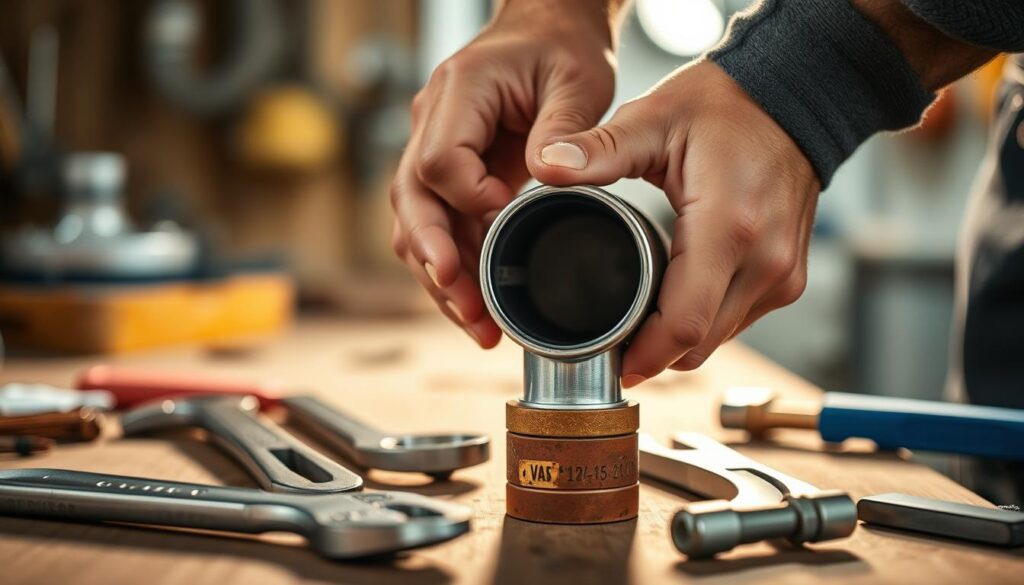
- Prepare pipe surfaces by removing any burrs or debris
- Apply thread sealant or Teflon tape to ensure a tight seal
- Align the bushing carefully before threading
- Use appropriate tools to prevent over-tightening
Different materials need unique approaches. For copper pipes, soldering is often used, while PVC pipes require solvent welding. Plumbers suggest hand-tightening first, then a final quarter turn with a pipe wrench.
“Proper installation is the key to preventing future plumbing issues.” – Professional Plumbing Expert
Always check local plumbing codes and manufacturer instructions. Spend time supporting pipes correctly and pressure-test your system before finishing. Slope drains at ¼″ per foot for good water flow. Remember, careful preparation avoids expensive repairs later.
Maintenance and Troubleshooting Guide
Proper care of what is a bushing plumbing component can save you a lot of time and money. Regular maintenance stops unexpected plumbing problems and makes your copper pipe bushings last longer.
Keeping your plumbing system in good shape is key. Here are some important steps to keep your bushings working well:
Regular Inspection Procedures
- Check for visible signs of wear or damage every 3-4 months
- Inspect connection points for possible leaks
- Look for corrosion or mineral buildup around copper pipe bushings
- Verify tight connections and proper alignment
Common Issues and Solutions
Spotting problems early can save you from expensive fixes. Here are common bushing issues:
- Leaking connections: Tighten fittings or replace worn seals
- Corrosion: Replace damaged copper pipe bushings right away
- Mineral deposits: Clean with approved plumbing solutions
When to Replace Bushings
It’s time to replace your bushings if:
- Visible extensive corrosion
- Persistent leaks after tightening
- Significant mineral buildup
- Age of existing bushings (typically 10-15 years)
Professional tip: When in doubt about a bushing’s condition, consult a licensed plumber.
Regular maintenance of what is a bushing plumbing component ensures optimal performance and prevents unexpected system failures. By following these guidelines, you can protect your plumbing investment and maintain a reliable water distribution system.
Safety Considerations and Code Compliance
Working with plumbing bushing types requires focus on safety and following codes. It’s important to know the risks and rules for proper use.
Local plumbing codes are key for bushing installations. They prevent dangers and keep systems working right. Always check local rules before buying or installing bushings.
- Check local municipal plumbing codes
- Verify material compatibility
- Understand size and installation restrictions
- Obtain necessary permits
Wearing the right gear is essential when handling plumbing bushings. This includes:
- Safety glasses
- Protective gloves
- Sturdy work boots
- Appropriate respiratory protection
Improper installation can lead to water damage, system failures, and health risks. Experts say to inspect carefully and follow the manufacturer’s guide.
Always prioritize safety and code compliance over shortcuts or cost-saving measures.
Ignoring rules can lead to big problems. You might face fines, need to redo the system, or deal with legal issues. Knowing local laws can save you a lot of trouble later.
Cost Factors and Buying Guide
Exploring plumbing bushings can be tricky, with costs and value in mind. Whether you’re looking at brass or PVC bushings, knowing how to shop is key for your project.
Price Ranges by Material Type
Prices for plumbing bushings change a lot based on the material and quality. Here’s a quick look at what you might pay:
- PVC plumbing bushings: $0.50 – $5 per unit
- Brass plumbing bushings: $2 – $15 per unit
- Stainless steel bushings: $5 – $25 per unit
Where to Purchase Quality Bushings
There are many places to buy plumbing bushings:
- Local hardware stores like Home Depot and Lowe’s
- Online marketplaces such as Amazon
- Specialized plumbing supply stores
- Manufacturer direct websites
Value vs. Budget Considerations
When picking plumbing bushings, think about these important points:
“Invest in quality materials that match your specific plumbing requirements to avoid future repairs and replacements.”
- Material durability
- Compatibility with existing pipes
- Long-term performance
- Warranty coverage
Remember, cheaper isn’t always the best deal. Brass bushings might cost more but last longer than PVC in tough spots.
Professional vs. DIY Installation
Choosing between doing it yourself or hiring a pro for pipe bushing installation is a big decision. Knowing what a bushing plumbing challenge is can help you decide.
Professional plumbers have skills that go beyond just connecting pipes. They know about complex systems and local building codes. Your skills and the project’s complexity will guide your choice.
- Professional Installation Benefits:
- Guaranteed code compliance
- Precise technical knowledge
- Advanced diagnostic capabilities
- DIY Installation Considerations:
- Potential cost savings
- Learning opportunity
- Personal satisfaction
Warning: Incorrect pipe bushing installation can lead to significant plumbing failures. Before deciding, consider these important factors:
- Your technical skills
- Project complexity
- Local permit requirements
- Potential long-term repair costs
If you’re new to DIY, it’s best to get professional help. Experienced DIYers might tackle simple bushing jobs with the right prep.
Safety and precision always trump cost savings in plumbing projects.
Conclusion
Knowing what a bushing plumbing is is key for keeping pipes working well in homes and businesses. Plumbing bushing types help connect pipes of different sizes. This ensures water flows smoothly and prevents leaks or system failures.
Learning about these parts can save you time, money, and trouble. Whether you’re using brass, PVC, or metal bushings, picking the right one and installing it correctly is important. This will make your plumbing system strong and reliable.
As plumbing tech gets better, staying up-to-date with new bushing types and how to install them is smart. Choosing the right one, installing it right, and keeping it maintained are essential. This will help your plumbing last longer and work better.
Whether you hire a pro or do it yourself, knowing about plumbing bushings helps you make good choices. It protects your property and keeps water flowing smoothly.