
Affiliate Disclosure
Plumber Guide Guys is a participant in the Amazon Services LLC Associates Program, an affiliate advertising program designed to provide a means for sites to earn advertising fees by advertising and linking to Amazon.
What is a Belly in Plumbing? Ever wondered why your drainage system slows down and gets unpredictable? It might be because of a plumbing belly in your pipe. This hidden problem can mess with your home’s wastewater flow.
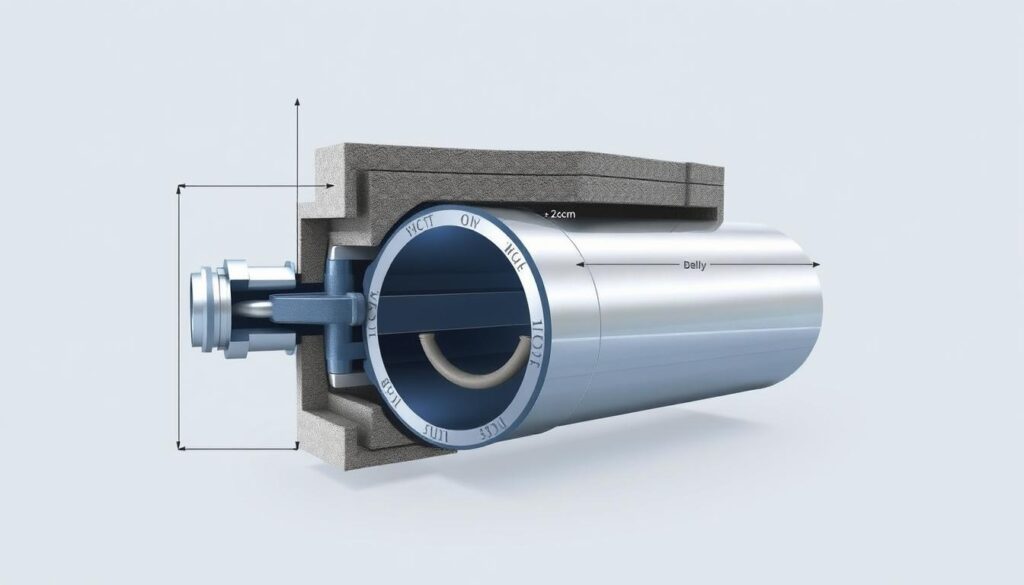
So, what is a belly in plumbing? It’s a part of underground sewer or drainage pipe that dips down. This creates a U-shaped curve that traps water, debris, and sediment. Even though it seems small, it can cause big problems for your plumbing.
Think of your sewer line as a smooth path for wastewater. But a plumbing belly in pipe is like a roadblock. It makes water pool and can lead to bigger drainage issues.
Key Takeaways
- A plumbing belly is a sagging section in underground pipes
- Creates low points that trap water and debris
- Can develop from soil movement or poor installation
- Potential to cause significant drainage problems
- Requires professional inspection and possible repair
Table of Contents
Understanding What is a Belly in Plumbing
A sewer line belly is a serious plumbing issue that can cause big problems for homeowners. It happens when a part of the underground pipe sags or has a low spot. This creates a bend in the pipe’s usual path.
Pipe bellying occurs when the ground under a sewer line shifts. This makes the pipe sink and form an unnatural curve. Such a sagging pipe can trap water, waste, and debris. This can lead to blockages and drainage issues.
Key Components of a Plumbing Belly
- Pipe material (typically clay, cast iron, or PVC)
- Soil composition around the pipe
- Underground water table
- Pipe slope and original installation quality
Impact on Wastewater Flow
When a sewer line gets a belly, wastewater can’t flow well. The low spot acts as a trap where:
- Solid waste builds up
- Water stays put
- Potential clogs form
- Drainage gets worse
Common Locations for Pipe Bellying
Pipe bellying often happens in certain spots of your home’s plumbing. These include:
- Underground sewer lines
- Basement drainage pipes
- Exterior underground pipe networks
- Areas with unstable soil conditions
Spotting a sewer line belly early can avoid expensive fixes and damage to your property.
Common Causes of Sewer Line Bellies
Knowing why pipes sag can help stop belly problems early. Sewer line bellies come from both the environment and how pipes are built. These factors can weaken your plumbing system.
- Soil erosion and ground shifting
- Improper initial pipe installation
- Natural ground settlement
- Water table fluctuations
- Extreme temperature changes
Geological conditions are key in causing belly problems in pipes. Soils like sand or clay can move a lot. This movement can make pipes sag or create spots where waste collects.
“A single inch of pipe sag can dramatically reduce wastewater flow efficiency.” – Plumbing Experts Association
Bad installation is another big reason for pipe bellies. If installers are not skilled, they might not:
- Level pipe sections
- Compact underlying soil
- Use the right gradient techniques
| Cause Category | Impact Level | Potential Consequences |
|---|---|---|
| Soil Erosion | High | Significant pipe misalignment |
| Poor Installation | Medium | Gradual pipe deformation |
| Ground Settlement | High | Permanent pipe sagging |
Checking your property’s geological conditions early can help avoid pipe sagging. This can also reduce belly problems in your pipes.
Signs and Symptoms of a Bellied Pipe
Spotting plumbing belly problems early can save you a lot of money and prevent damage to your home’s plumbing. Pipe settlement issues often show up in small but important ways that homeowners should watch for.
Knowing the signs of a possible pipe belly can help you act fast. This way, you can avoid big plumbing problems later on.
Visual Indicators
Your plumbing system gives clues through what you can see. Look out for these signs:
- Visible sagging or dipping in exposed pipe sections
- Unexplained wet spots in your yard
- Unusual ground depression near sewer lines
- Patches of exceptionally green grass along pipe routes
Drainage Problems
Pipe settlement issues often show up in how well water drains. Keep an eye out for these signs:
- Persistent slow drainage in multiple fixtures
- Frequent clogs that seem unrelated
- Gurgling sounds when water tries to pass through pipes
- Inconsistent water flow in sinks, showers, and toilets
Odor and Sound Signals
“Your nose and ears can be powerful diagnostic tools when detecting plumbing belly issues,” says professional plumbing expert.
Strange smells and sounds can mean there’s a problem with your pipes:
- Sewer-like odors emanating from drains
- Distinct gurgling or bubbling sounds in toilets
- Unexplained musty smells near drainage areas
- Recurring sewage backup warnings
If you see several of these signs, it’s time to call a professional plumber. They can do a thorough check and help avoid costly repairs.
The Dangers of Ignoring Pipe Bellying
Ignoring a plumbing belly in pipe can turn a small problem into a big disaster. A sewer line belly might seem small at first. But it can quickly become a serious issue that harms your home and health.
A sewer line belly creates a low point where wastewater can gather and stay. This can cause big problems:
- Persistent blockages and clogs
- Complete wastewater system failure
- Potential structural damage to your property
- Health risks from bacterial growth
Ignoring a plumbing belly can lead to serious issues. Stagnant water in the sewer line belly can cause:
| Risk Category | Potential Impact |
|---|---|
| Structural Damage | Foundation erosion and soil instability |
| Health Hazards | Mold growth and bacterial contamination |
| Financial Burden | Expensive repairs and possible property value drop |
Fixing a sewer line belly early can save you thousands and prevent damage to your home. Getting a professional to check and fix it quickly is key. It helps avoid big problems and keeps your plumbing system working well.
Professional Detection Methods
Finding a plumbing belly needs special techniques, not just looking at it. Experts use advanced methods to find and check these pipe problems. These issues can harm your home’s drainage system.
Experts use smart ways to find out about plumbing bellies. They look closely at where and how bad the pipe problem is.
Camera Inspection Techniques
Today’s plumbing checks use high-tech video to see inside pipes. A special sewer camera is pushed through your pipes. It shows live video of any belly problems.
- High-resolution video recording
- Precise location tracking
- Detailed pipe condition assessment
Advanced Diagnostic Tools
Plumbers use many tools to find plumbing belly issues:
- Laser measurement devices
- Infrared pipe scanning
- Acoustic listening equipment
Assessment Procedures
Checking pipes involves several steps for a full diagnosis:
- Initial visual inspection
- Comprehensive camera exploration
- Detailed pipe mapping
- Comprehensive condition report
Professional detection methods are the best way to find and fix plumbing belly problems early.
Repair Options for Bellied Sewer Lines
Fixing a pipe sag in your plumbing system needs careful thought. Knowing how to fix a belly in plumbing opens up several key repair methods.
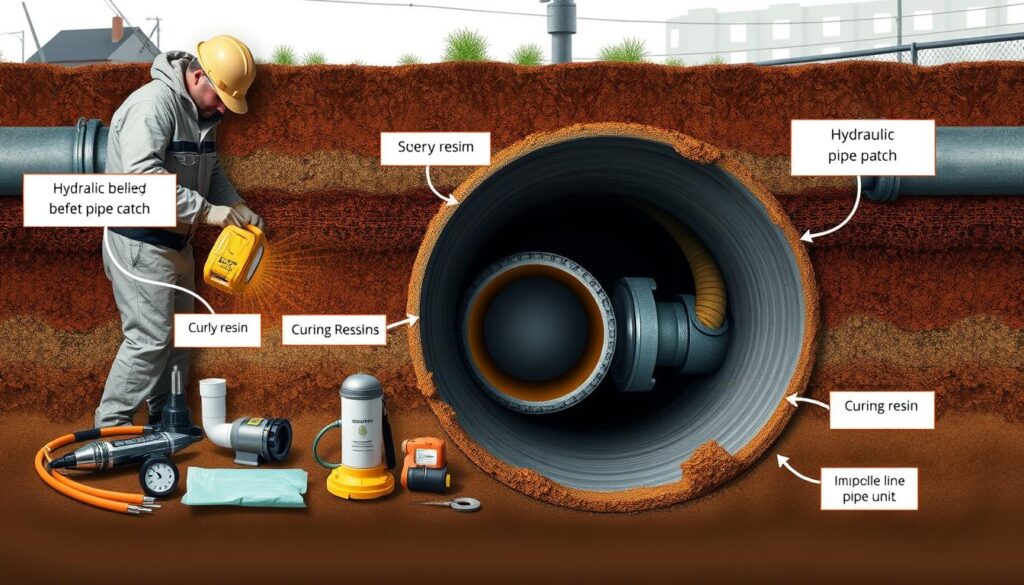
Traditional excavation is the most thorough fix for pipe sags. This method involves:
- Digging up the affected pipe section
- Removing the sagging portion
- Replacing with a properly graded pipe segment
- Ensuring stable ground support
| Repair Method | Cost Range | Complexity |
|---|---|---|
| Excavation Replacement | $3,000 – $7,500 | High |
| Trenchless Repair | $2,500 – $6,000 | Moderate |
Trenchless techniques are a less invasive option for fixing pipe bellies. These include pipe lining and pipe bursting. They help fix sewer line issues without much disruption to your landscape.
Your chosen repair method depends on several factors. These include the pipe material, the extent of damage, and the soil conditions. A professional plumber can evaluate your situation and suggest the best fix for your plumbing belly.
Prevention Strategies and Maintenance Tips
To keep your home’s plumbing safe from drain pipe belly issues, you need to be proactive. Pipe settlement problems can sneak up on you, often without clear signs. By using smart prevention methods, you can protect your sewer lines and dodge expensive fixes.
Regular checks are key to spotting drain pipe belly issues early. Homeowners should follow these steps to prevent problems:
- Schedule professional plumbing inspections every 2-3 years
- Monitor ground conditions around your property
- Watch for early warning signs of pipe settlement problems
- Maintain proper drainage around your home’s foundation
Regular Inspection Schedule
Using advanced tools like sewer line cameras is part of a thorough inspection. These cameras spot pipe alignment changes and settlement areas that are hard to see.
Soil Management Practices
Managing your soil well is key to avoiding pipe settlement issues. Proper grading, drainage, and soil compaction help a lot. Make sure your yard slopes away from your home to avoid water buildup and ground shifts.
Professional Maintenance Guidelines
“An ounce of prevention is worth a pound of cure” – this is true for your home’s plumbing too.
Get your sewer line checked by pros every year. They can give you advice based on your property’s soil and drainage.
Cost Factors in Belly Repair and Replacement
Understanding the costs of fixing a sagging plumbing pipe is key to budgeting for repairs. The price to fix a belly in plumbing changes a lot based on several important factors.
When looking into fixing a belly in plumbing, you’ll find different prices. This is due to a few main things:
- Extent of Pipe Damage: Minor sagging might need simple fixes, but big bellying could mean replacing the whole pipe
- Location of the Pipe: Pipes underground or hard to get to cost more for labor and digging
- Length of damaged pipe section
- How easy it is to get to the plumbing line
Repair costs can be anywhere from $1,000 to $25,000. This depends on how complex the job is. Trenchless repair is often cheaper than digging up the pipe.
What really affects the cost of fixing a sagging pipe includes:
- Costs for a professional to check the pipe
- Rental fees for digging equipment
- What plumbers charge for their work
- Costs for new pipe materials
Your repair costs will depend on local prices, the type of pipe, and the repair method. Always ask for quotes from licensed plumbers. This way, you get fair prices and full service.
Conclusion
Knowing what a belly in plumbing is can save you a lot of trouble and money. These small dips in your sewer lines can lead to big problems with drainage. Spotting these signs early can help avoid costly damage to your home.
Regular checks and upkeep are key to avoiding pipe bellying. Plumbers use special tools to find problems before they get worse. Keeping an eye on how water drains, any odd noises, and changes in the ground can help catch belly issues early.
Preventing problems is cheaper than fixing them later. If you notice bad drainage or think you have pipe bellying, call a professional plumber right away. They can figure out what’s wrong and fix it to keep your plumbing safe.
Your plumbing system needs regular care to work well. Knowing about pipe bellying and keeping up with maintenance helps your sewer lines last longer. This way, your plumbing stays efficient and reliable for many years.
FAQ
What exactly is a belly in plumbing?
How can I tell if my plumbing system has a belly?
What causes plumbing bellies to form?
Are plumbing bellies a serious problem?
How do professionals detect a plumbing belly?
What are the repair options for a plumbing belly?
How much does it cost to fix a plumbing belly?
What exactly is a belly in plumbing?
How can I tell if my plumbing system has a belly?
What causes plumbing bellies to form?
Are plumbing bellies a serious problem?
How do professionals detect a plumbing belly?
What are the repair options for a plumbing belly?
How much does it cost to fix a plumbing belly?
FAQ
What exactly is a belly in plumbing?
A plumbing belly is a low spot in a sewer line or drain pipe. It’s where water and waste collect instead of flowing. This happens when the pipe settles or sinks, creating a negative slope.
How can I tell if my plumbing system has a belly?
Signs include slow drainage, clogs, gurgling sounds, foul odors, and wet spots in your yard. Increased water bills are also a sign. The best way to confirm is with a professional camera inspection.
What causes plumbing bellies to form?
Several factors can cause plumbing bellies. These include soil erosion, ground shifting, and poor initial installation. Other causes are excessive ground pressure, tree roots, water table changes, and natural settlement.
Are plumbing bellies a serious problem?
Yes, they can cause big problems if not fixed. They lead to drainage issues, sewage backups, and pipe damage. They can also pose health risks and lead to expensive repairs.
How do professionals detect a plumbing belly?
Professionals use video camera inspections. They insert a waterproof camera into the pipe. This helps them see and locate the belly in the sewer line.
What are the repair options for a plumbing belly?
There are several repair options. These include excavation and replacement, trenchless relining, pipe bursting, and spot repairs. The best method depends on the damage, pipe location, and site conditions.
How much does it cost to fix a plumbing belly?
Repair costs vary widely. They can be from
FAQ
What exactly is a belly in plumbing?
A plumbing belly is a low spot in a sewer line or drain pipe. It’s where water and waste collect instead of flowing. This happens when the pipe settles or sinks, creating a negative slope.
How can I tell if my plumbing system has a belly?
Signs include slow drainage, clogs, gurgling sounds, foul odors, and wet spots in your yard. Increased water bills are also a sign. The best way to confirm is with a professional camera inspection.
What causes plumbing bellies to form?
Several factors can cause plumbing bellies. These include soil erosion, ground shifting, and poor initial installation. Other causes are excessive ground pressure, tree roots, water table changes, and natural settlement.
Are plumbing bellies a serious problem?
Yes, they can cause big problems if not fixed. They lead to drainage issues, sewage backups, and pipe damage. They can also pose health risks and lead to expensive repairs.
How do professionals detect a plumbing belly?
Professionals use video camera inspections. They insert a waterproof camera into the pipe. This helps them see and locate the belly in the sewer line.
What are the repair options for a plumbing belly?
There are several repair options. These include excavation and replacement, trenchless relining, pipe bursting, and spot repairs. The best method depends on the damage, pipe location, and site conditions.
How much does it cost to fix a plumbing belly?
Repair costs vary widely. They can be from $1,000 to $25,000. This depends on the belly’s severity, pipe length, repair method, and local labor rates. Excavation and pipe material also affect the cost.
Can I prevent plumbing bellies from occurring?
Yes, you can prevent them. Regular inspections, soil compaction, and avoiding weight above pipes help. Managing tree roots and proper initial installation are also key.
How long can a plumbing belly go unnoticed?
A plumbing belly can go unnoticed for months or years. It gradually worsens. The longer it’s ignored, the more damage it can cause.
Do all types of pipes develop bellies?
Any horizontal pipe can develop a belly. But some materials are more prone, like clay and older cast iron. Modern PVC pipes are less likely but can also develop bellies under certain conditions.
,000 to ,000. This depends on the belly’s severity, pipe length, repair method, and local labor rates. Excavation and pipe material also affect the cost.
Can I prevent plumbing bellies from occurring?
Yes, you can prevent them. Regular inspections, soil compaction, and avoiding weight above pipes help. Managing tree roots and proper initial installation are also key.
How long can a plumbing belly go unnoticed?
A plumbing belly can go unnoticed for months or years. It gradually worsens. The longer it’s ignored, the more damage it can cause.
Do all types of pipes develop bellies?
Any horizontal pipe can develop a belly. But some materials are more prone, like clay and older cast iron. Modern PVC pipes are less likely but can also develop bellies under certain conditions.