

Affiliate Disclosure
Plumber Guide Guys is a participant in the Amazon Services LLC Associates Program, an affiliate advertising program designed to provide a means for sites to earn advertising fees by advertising and linking to Amazon.
What is a 1 16 Bend in Plumbing? Ever thought about how plumbers make pipes change direction smoothly? Learning about 1/16 bends in plumbing can reveal the secrets of expert pipe installation.
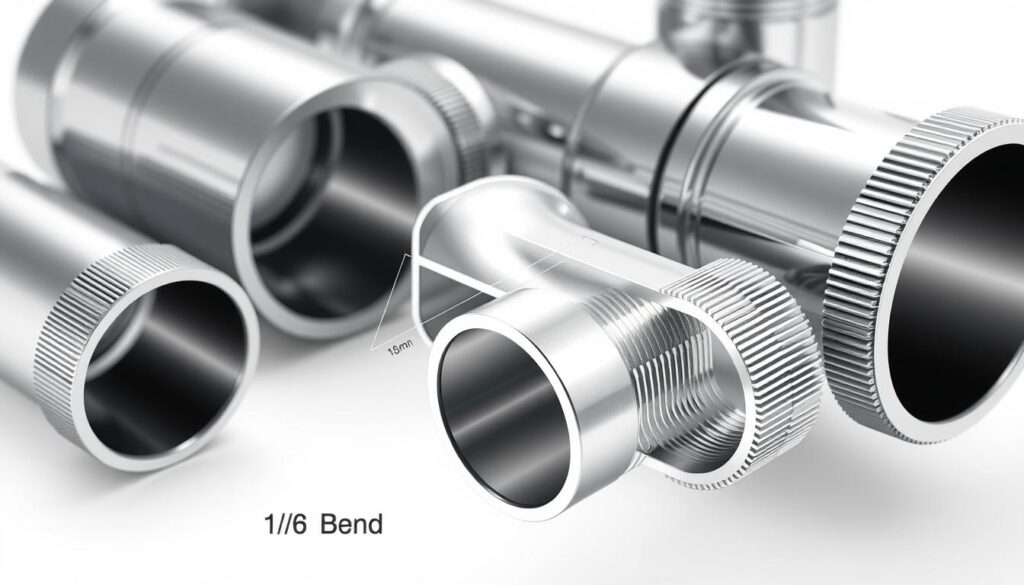
A 1/16 bend is a small but key part in plumbing pipe bend angles. It makes a precise 22.5-degree angle for smooth pipe changes in drainage and ventilation. These fittings help plumbers work around tight spaces while keeping water flow good.
Whether you’re a pro plumber or a DIYer, knowing about pipe bends can boost your skills and system performance.
Key Takeaways
- 1/16 bends create a 22.5-degree directional change in pipe systems
- Critical for navigating tight spaces and complex pipe layouts
- Essential in drain, waste, and vent (DWV) systems
- Available in multiple pipe material configurations
- Helps maintain consistent water flow and system efficiency
Table of Contents
Understanding Plumbing Bend Basics
Plumbing systems need precise pipe setups for smooth water flow. Knowing about pipe bends is key for making systems work well.
Pipe bends help change pipe direction without losing fluid flow quality. A 1/16 bend pipe fitting is a special angle for small changes in piping systems.
Types of Common Pipe Bends
Plumbers and engineers use different types of plumbing elbows for various needs:
- 1/16 Bend: A minimal 22.5-degree angle
- 1/8 Bend: A 45-degree directional change
- 1/4 Bend: A 90-degree sharp turn
- Long Radius Elbows: Gradual directional shifts
- Short Radius Elbows: Compact directional changes
Measuring Bend Angles
Getting the right 1/16 bend pipe fitting needs accurate measurements. Professionals use special tools for exact angles:
| Bend Type | Angle | Common Use |
|---|---|---|
| 1/16 Bend | 22.5° | Minimal directional adjustments |
| 1/8 Bend | 45° | Medium directional changes |
| 1/4 Bend | 90° | Sharp turns and corners |
Standard Industry Terms
When talking about plumbing elbows, you’ll hear specific terms. Knowing these can help pick the right fitting for your project.
“Precision in pipe bending is the difference between a functional system and a possible failure.” – Professional Plumbing Association
What is a 1 16 Bend in Plumbing
A 1/16 bend in plumbing is a special pipe fitting. It makes a precise 22.5-degree angle in pipe systems. This unique piece allows for small directional changes in plumbing, giving flexibility where bigger bends are too extreme.
Understanding the role of a 1/16 bend in plumbing is key for complex projects. These small fittings help professionals work in tight spaces. They ensure smooth transitions between pipe sections without blocking water flow.
- Creates a 22.5-degree plumbing bend
- Ideal for precise pipe routing
- Minimizes possible flow restrictions
- Reduces stress on pipe connections
Plumbers often use 1/16 bends in places where space is tight. The 22.5-degree angle lets them make small changes in pipe direction. This is something standard fittings can’t do, making them very useful in complex piping.
Precision matters in plumbing, and a 1/16 bend provides that extra level of engineering finesse.
When designing or modifying plumbing systems, knowing about these bends is important. They help create more efficient and streamlined pipe installations.
Essential Tools for Pipe Bending
Learning to bend pipes well needs the right tools and precision. Both pros and DIY fans know the right tools make a big difference. Knowing the standard measurements starts with having the right tools.
Choosing the right tools is key for successful pipe bending. We’ll look at the essential tools for making accurate and reliable bends.
Manual Bending Equipment
Manual tools are great for small projects and precise work. They let you make custom bends with little cost.
- Lever-style pipe benders
- Tubing benders for soft metals
- Handheld pipe bending springs
- Compact manual pipe bending machines
Power Bending Tools
Power tools are better for big or complex projects. They work faster and make precise bends.
- Hydraulic pipe benders
- Electric conduit benders
- Motorized tube bending machines
- CNC pipe bending equipment
Measurement and Marking Tools
Getting measurements right is key for pipe bends. The right tools ensure your bends are exact.
| Tool | Purpose | Accuracy |
|---|---|---|
| Digital angle finder | Measure bend angles | ±0.1 degrees |
| Laser measuring device | Precise distance measurement | ±1 mm |
| Pipe marking gauge | Mark precise bend locations | Consistent marking |
Investing in quality tools and knowing how to use them leads to professional-grade pipe bends. This is true for plumbing and construction projects.
Understanding Bend Calculations and Measurements
Getting pipe bend measurements right is all about precision and knowing your stuff. When you’re dealing with standard pipe bend measurements, there are key factors to keep in mind. The complexity of copper pipe bend degrees can change based on your project’s needs.
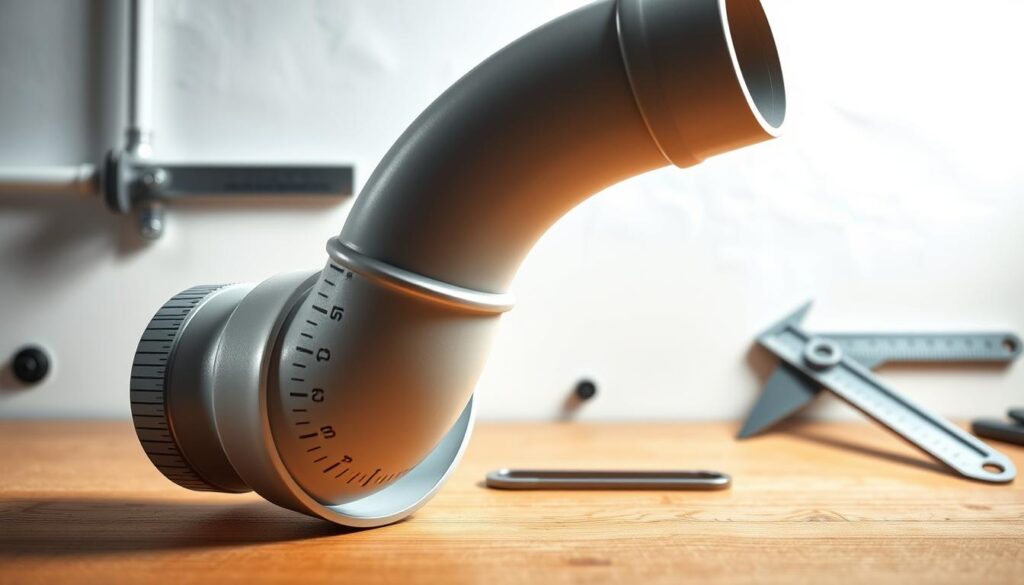
Professional plumbers use special calculations to make sure their pipe bending is spot on. These calculations usually cover:
- Pipe diameter specs
- Wall thickness measurements
- The angle of bend you want
- How flexible the material is
It’s vital to understand how pipe dimensions and bending radius work together for a good install. Each material needs its own special way to get precise bends.
| Pipe Material | Typical Bend Radius | Recommended Angle Range |
|---|---|---|
| Copper | 1.5x Pipe Diameter | 15-90 Degrees |
| PVC | 2x Pipe Diameter | 22-45 Degrees |
| Steel | 3x Pipe Diameter | 30-90 Degrees |
Pro tip: Always measure twice and bend once to avoid costly mistakes in your plumbing projects.
“Precision in pipe bending is the hallmark of a true professional plumber.” – Master Plumbing Association
Your success hinges on mastering these technical measurements and knowing how different materials bend. With careful calculation, you can avoid weakening the structure and ensure your pipes last a long time.
Different Types of Pipe Materials and Their Bending Properties
Knowing how different pipes work is key for plumbing success. Each type needs special care when bending copper or using PVC fittings.
Pipe materials differ a lot in how they bend. Your choice affects the bend process and project outcome.
Copper Pipe Bending Techniques
Copper pipes bend easily and are flexible. Here’s what to do with copper:
- Use a specialized copper pipe bender for precise angles
- Avoid sharp bends that could weaken the pipe structure
- Maintain consistent pressure during bending
Experts say to bend copper pipes between 22.5 and 90 degrees for best results.
PVC and CPVC Bending Considerations
PVC pipes need a different method than copper. Your PVC guide should cover these steps:
- Heat the pipe carefully using a heat gun
- Support the pipe during heating to prevent deformation
- Cool slowly to maintain structural integrity
“Precision is key when bending PVC pipes – one wrong move can compromise the entire system.” – Professional Plumbing Association
Steel Pipe Bending Specifications
Steel pipes need the strongest tools and methods. They require a lot of force and special machines to bend.
- Use hydraulic pipe benders for steel
- Calculate exact bend radius beforehand
- Inspect pipe wall thickness regularly
Each pipe type has its own challenges. Success comes from knowing their unique traits and using the right bending methods.
Common Applications of 1/16 Bends
1/16 bends are key in drainage and plumbing. They help make precise turns in pipes. Knowing about 1 16 bends in plumbing helps make piping systems better.
- Residential water supply lines
- Commercial drainage systems
- HVAC vent pipe configurations
- Underground utility pipe routing
These small bends make pipe changes smooth. They’re great for tight spots where big bends won’t fit.
| Application Area | Typical Use | Benefit |
|---|---|---|
| Residential Plumbing | Kitchen sink drainage | Minimal flow disruption |
| Commercial Buildings | Multilevel pipe routing | Space-efficient design |
| Industrial Systems | Complex pipe networks | Precision angle control |
Choosing the right 1/16 bend is important. It keeps water flowing well and stops blockages. Experts say to measure carefully and place them right for the best results.
Professional Tips for Perfect Pipe Bends
Learning to make perfect pipe bends takes skill and precision. Plumbers know it’s not just about the physical act. It’s about understanding key principles and avoiding common mistakes.
When bending pipes, several important factors affect the quality of your work. Experts suggest using specific strategies for the best results.
Preventing Pipe Deformation
Pipe deformation can ruin your plumbing system. To keep it strong, follow these tips:
- Use specialized bending tools for each pipe material
- Apply consistent, gradual pressure while bending
- Support the pipe’s entire length during bending
- Avoid quick or harsh bending movements
Maintaining Wall Thickness
Keeping wall thickness right is key for pipe bends. Thin walls can cause failures and lower system performance.
| Pipe Material | Recommended Bend Radius | Maximum Bend Angle |
|---|---|---|
| Copper | 5x Pipe Diameter | 90 Degrees |
| PVC | 6x Pipe Diameter | 45 Degrees |
| Steel | 7x Pipe Diameter | 60 Degrees |
By using these expert methods, you can make precise, reliable pipe bends. They will meet industry standards and last a long time.
Troubleshooting Common Bending Issues
Working with plumbing elbows can be tricky. You’ll face many challenges that can mess up your pipe installation. Knowing about common bending problems helps you make precise and reliable connections.
Pipe bending needs skill and careful attention. Both pros and DIY folks must spot problems early to avoid big mistakes.
- Kinking: Occurs when pipes develop sharp, unintended curves
- Wall thinning: Happens during aggressive bending techniques
- Incorrect angle measurements: Leads to misaligned pipe connections
- Material deformation: Can weaken pipe structural integrity
Preventing problems starts with the right tools and knowing your pipe material’s limits. Different materials like PVC, copper, and steel need different bending methods.
| Pipe Material | Bending Challenge | Recommended Solution |
|---|---|---|
| PVC | Cracking during bend | Use heat gun carefully |
| Copper | Wall thinning | Utilize professional bending springs |
| Steel | Uneven bends | Apply hydraulic bending tool |
Getting good at pipe bending takes practice, patience, and knowing about materials. Always double-check your measurements and bend once for top-notch results.
Safety Considerations and Best Practices
Working with pipe bends in drainage systems needs careful safety attention. When learning how to use pipe bends, protecting yourself and keeping a safe workspace is key. Professional plumbers know safety is not just a suggestion—it’s a must.
Before starting any drainage system pipe bends project, safety gear is a must. Your safety kit should include:
- Safety glasses with side shields
- Cut-resistant work gloves
- Steel-toed boots
- Long-sleeved protective clothing
Proper tool handling is also vital. Always check your bending tools before use. Look for any damage, wear, or weakness that could risk your safety while bending pipes.
“Safety is not an accident. It’s a deliberate and consistent practice.” – Professional Plumbing Safety Guide
When working with different pipe materials, each has its own safety needs. Metal pipes can have sharp edges, and plastic pipes might release harmful fumes when heated. Make sure your workspace is well-ventilated and you know the risks of your chosen pipe material.
Remember these key safety tips:
- Never rush through a pipe bending project
- Keep your work area clean and organized
- Use appropriate leverage and avoid overexertion
- Take regular breaks to prevent fatigue
Your dedication to safety will not only keep you safe but also ensure top-notch results in your drainage system pipe bends projects.
Conclusion
Knowing about a 1/16 bend in plumbing is more than just knowing a fact. It’s about choosing the right tools and methods for making precise bends in pipes. Both pros and DIY folks need to see how these small angles are key to a pipe system that works well and doesn’t leak.
Getting pipes to bend right needs skill, the right tools, and knowing a lot about it. It doesn’t matter if you’re using copper, steel, or PVC. The main thing is to keep the pipe’s thickness right, avoid bends that warp the pipe, and measure accurately every time.
When you’re working with pipes, safety always comes first. By using the tips and best practices from this guide, you can do your plumbing work with confidence. Remember, making precise bends in pipes can really make your plumbing system last longer and work better.
Putting in the effort to learn and use these professional methods will make your plumbing work better. Spend time learning about pipe bending, practice, and always put safety and precision first.