

Affiliate Disclosure
Plumber Guide Guys is a participant in the Amazon Services LLC Associates Program, an affiliate advertising program designed to provide a means for sites to earn advertising fees by advertising and linking to Amazon.
What Does PEX Stand For in Plumbing? Did you know over 60% of new homes in the U.S. use PEX piping? This change has transformed plumbing. Cross-linked polyethylene (PEX) technology is now key in homes and businesses.
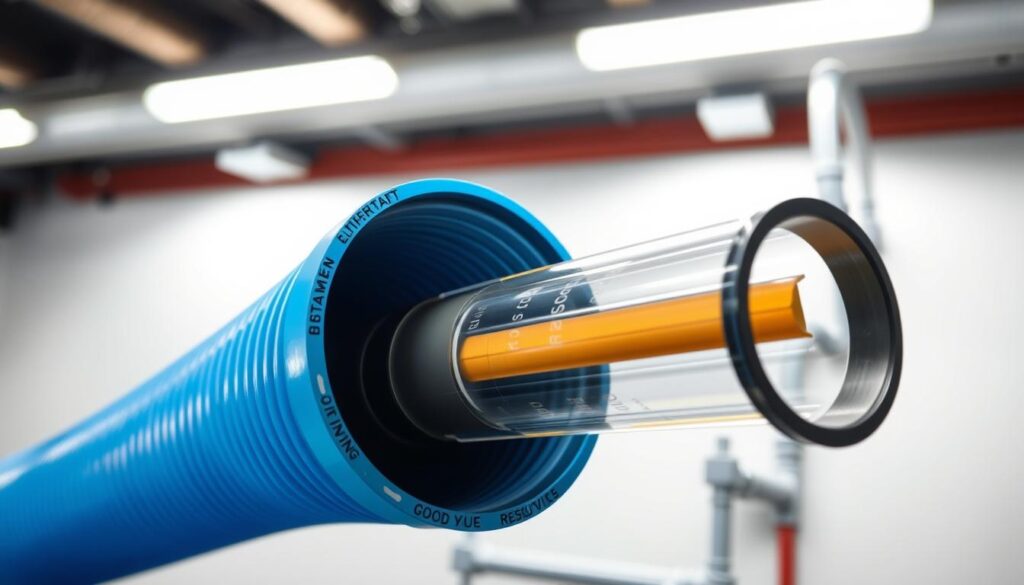
Ever wondered what PEX means in plumbing? It’s short for cross-linked polyethylene. This flexible plastic is changing plumbing. It’s a better choice than old copper and rigid plastic pipes.
Knowing about PEX is more than just a name. It’s a big step in plumbing tech. It brings durability, flexibility, and savings to water systems.
Key Takeaways
- PEX stands for cross-linked polyethylene plumbing material
- Highly flexible and resistant to temperature changes
- Used in both residential and commercial water systems
- Significantly lighter and easier to install than copper pipes
- Offers superior corrosion resistance
Table of Contents
Understanding PEX: Definition and Basic Concepts
PEX tubing is a new innovation in plumbing. It has changed how we handle water systems. This material is different from old pipes in many ways.
Let’s dive into what makes PEX so special. It’s why it’s loved in homes and businesses.
What is Cross-Linked Polyethylene?
Cross-linked polyethylene, or PEX, is a special plastic. It’s made by changing its molecules. This makes it strong and flexible, unlike regular pipes.
- Molecular bonds are permanently altered
- Enhanced durability and temperature resistance
- Improved chemical and mechanical properties
History of PEX in Plumbing
PEX started in Germany in 1968. Scientists saw its great use. By the 1980s, it came to the US. It was first used for heating floors.
| Year | Milestone |
|---|---|
| 1968 | Initial PEX discovery in Germany |
| 1980s | Introduction to US market |
| 2000s | Widespread adoption in residential construction |
How PEX Revolutionized Modern Plumbing
PEX changed plumbing for the better. It’s flexible, doesn’t corrode, and is easy to install. This is unlike metal pipes.
- Faster installation times
- Lower overall project costs
- Reduced chance of leaks
- More resistant to freezing
Now, PEX is used in over 60 percent of new homes. It shows how much it has changed building.
What Does PEX Stand For in Plumbing?
Exploring plumbing materials, knowing what PEX means is key for home projects. PEX stands for cross-linked polyethylene. It’s a new material changing plumbing.
The term has two parts:
- Cross-linked: This means the pipe is strong because of its molecular structure
- Polyethylene: This is the plastic material used to make the pipes
PEX pipe is more than just an acronym. It’s a flexible, efficient choice over old metal pipes. Plumbers and homeowners love PEX for its benefits, like:
- It can handle very hot or cold temperatures
- It’s flexible for tricky installations
- It doesn’t corrode
“PEX pipes have revolutionized residential and commercial plumbing with their innovative design and performance.” – Plumbing Industry Expert
Knowing what PEX stands for helps you choose the right water system for your home. Whether you’re updating your home or starting a new one, PEX is a modern fix for old piping problems.
Types of PEX Piping Systems
Exploring plumbing pex material means knowing the different PEX tubing types. PEX (cross-linked polyethylene) has three main manufacturing methods. Each method affects the pipe’s performance and use.
- PEX-A: Peroxide Method
- PEX-B: Silane Method
- PEX-C: Electron Beam Method
Understanding PEX-A: Peroxide Manufacturing
PEX-A is the most flexible option. Made with the peroxide method, it bends easily and recovers quickly. It’s great for homes because it handles stress and extreme temperatures well.
PEX-B: Silane Method Characteristics
PEX-B is made with the silane method and is very resistant to chlorine. It’s durable and affordable, making it a favorite for home plumbing.
PEX-C: Electron Beam Processing
PEX-C is the cheapest option, made by electron beam method. It’s a bit stiffer but works well for many plumbing tasks.
| PEX Type | Flexibility | Chlorine Resistance | Cost |
|---|---|---|---|
| PEX-A | Highest | Good | Most Expensive |
| PEX-B | Moderate | Best | Moderate |
| PEX-C | Lowest | Good | Most Economical |
“Choosing the right PEX type depends on your specific plumbing requirements and budget constraints.” – Plumbing Experts
When picking PEX, think about what you need, where you’ll install it, and your budget. Each type has its own benefits for your plumbing project’s success and lasting value.
Benefits of Using PEX Pipes in Modern Plumbing
PEX pipes have changed plumbing for the better. They offer a flexible, durable option compared to old metal pipes. This makes them a great choice for both homeowners and contractors.
PEX pipes do more than just install easily. They bring many benefits to your plumbing:
- They resist freezing, preventing pipes from cracking in cold weather.
- They are very flexible, making them easy to route through tight spaces.
- They don’t corrode, keeping your water clean.
- They save time and money during installation.
Choosing PEX pipes means investing in a plumbing system that lasts. They can curve around corners and obstacles without needing many fittings. This cuts down on leaks. Plus, their smooth inside means quieter water flow and less mineral buildup.
PEX pipes represent a technological leap in residential and commercial plumbing design.
Your plumbing needs reliable, efficient materials. PEX pipes outperform traditional metal pipes. They’re a smart pick for new buildings and updates.
PEX vs Traditional Plumbing Materials
Choosing a plumbing system for your home involves understanding PEX and traditional materials. The pex plumbing system is popular for its advantages over traditional piping.
Comparing PEX and Copper Pipes
Pex vs copper pipes show key differences. Copper has been a top choice for years. But PEX offers benefits that make it appealing:
- Cost-effectiveness: PEX pipes are cheaper
- Flexibility: PEX bends easily without extra fittings
- Corrosion resistance: PEX doesn’t corrode like metal
- Faster installation: Needs fewer connections and tools
Performance and Installation Comparison
The pex plumbing system has a unique design. It can expand and contract with temperature changes. This reduces the risk of pipe bursts.
| Feature | PEX | Copper |
|---|---|---|
| Average Cost per Foot | $0.50 – $2.00 | $2.00 – $4.00 |
| Installation Time | Faster | Slower |
| Corrosion Resistance | Excellent | Poor |
| Lifespan | 40-50 years | 50-70 years |
Cost Analysis
Pex vs copper pipes show clear cost benefits. You can save 30-50% on material and installation costs with PEX.
Essential Tools and Installation Methods for PEX
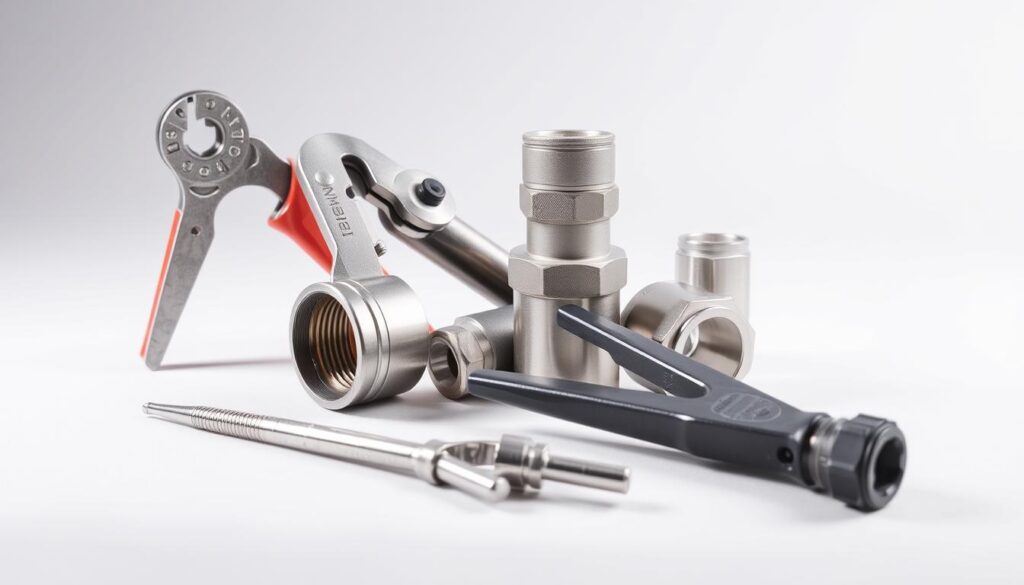
Starting a pex installation project? You need the right tools and know-how. Your pex plumbing system needs special equipment and skills for a leak-free setup.
Whether you’re a pro plumber or a DIY fan, you should know three main ways to connect PEX pipes:
- Crimp Ring Method: Uses copper rings and a crimping tool to secure connections
- Expansion Method: Involves expanding pipe and fitting, then allowing it to contract
- Push-Fit Connectors: Provides quick, tool-free connections
Here are the must-have tools for pex installation:
- Pipe cutter
- Crimping tool
- Expansion tool
- Deburring tool
- Measuring tape
Each connection method has its own benefits. Crimp rings are affordable, expansion methods seal better, and push-fit connectors are easy to use. Choose the best method based on your pex system needs and project details.
Pro Tip: Always follow manufacturer guidelines and local building codes when installing PEX piping.
For a successful PEX installation, focus on preparation and precision. Invest in good tools and learn the right techniques for top-notch results.
PEX Color Coding System and Size Options
Knowing about pex tubing is more than just its material. The color coding system for plumbing PEX is key for correct installation and line identification.
PEX pipes have different colors for easy identification:
- Red PEX: For hot water lines
- Blue PEX: For cold water lines
- White or Gray PEX: Good for both hot and cold water
PEX tubing comes in various sizes for different needs. The common diameters are:
- 3/8 inch – Great for small connections
- 1/2 inch – Common in homes
- 3/4 inch – Best for main water lines
- 1 inch – Suitable for big commercial projects
Choosing the right PEX pipe depends on your plumbing needs. The color system helps identify hot or cold water pipes. The sizes offer flexibility for different project sizes.
Pro tip: Always match the pipe color to its intended water temperature to maintain a clear and organized plumbing system.
Common Applications and Uses of PEX Piping
PEX piping has changed how we handle water systems. It’s great for homes, businesses, and special projects. Its flexibility makes it perfect for many places.
PEX water lines are a big hit in building and fixing homes. They’re loved for their special features and easy setup.
Residential Plumbing Solutions
In homes, PEX piping works well for different water needs. You can use it for:
- Entire home water supply systems
- Bathroom and kitchen fixture connections
- Replacing old copper or galvanized pipes
- Underground water line installations
Commercial Usage Scenarios
Commercial buildings get a lot from PEX water lines. They offer efficient and affordable plumbing options. Contractors like it for big projects.
| Application Type | PEX Benefits |
|---|---|
| Office Buildings | Quick installation, few joints needed |
| Hospitals | Resists corrosion, keeps things clean |
| Educational Facilities | Easy to maintain, lasts a long time |
Radiant Floor Heating Systems
PEX is great for radiant floor heating. Your home can enjoy even heat with these systems.
- Keeps room temperature steady
- Gets rid of cold spots
- Uses less energy
- Works with many floor types
For any project, big or small, PEX piping is a smart choice. It’s reliable and efficient for water and heat needs.
PEX Installation Guidelines and Best Practices

Installing a pex plumbing system needs careful attention and specific techniques. Professional installers know the key steps for a reliable and lasting piping network in your home or business.
Before starting pex installation, follow these important guidelines:
- Leave slight slack in the pipes for flexibility
- Keep pipes away from direct UV light
- Don’t connect pipes directly to water heaters
- Use the right tools for cutting and connecting
Your pex plumbing system needs precise measurement and smart placement. Experts suggest keeping pipes away from heat sources and ensuring they’re well-supported.
Key installation techniques include:
- Measure pipe lengths accurately
- Use specialized PEX cutting tools
- Use the right connection methods
- Secure pipes with the correct fasteners
The right installation method depends on your project needs. Things like temperature changes, building codes, and where you’re installing will affect your pex installation plan.
“Precision in installation determines the long-term performance of your PEX plumbing system.” – Professional Plumbing Association
Maintenance and Troubleshooting PEX Systems
Keeping your pex plumbing system in good shape is easy. PEX water lines last long and handle common problems well. Knowing how to care for them ensures they work well for years.
It’s important to check your PEX pipes often. Here are some tips to keep them in great shape:
- Look for any damage or wear every six months
- Keep PEX pipes away from direct sunlight with insulation
- Don’t let harmful chemicals get near them
- Keep the water pressure steady
Here are some common problems with PEX systems:
- Leaks at connection points
- Make sure fittings are aligned right
- Swap out damaged crimp rings
- Use the right installation methods
- Temperature-related expansion
- Use expansion loops for long pipes
- Give them enough room to move with temperature changes
Even though PEX pipes are tough, it’s smart to have a pro check them every few years. By following these tips, you’ll get the most out of your pex plumbing system.
Safety Considerations and Building Codes
Working with plumbing pex material means you need to know about safety and building codes. Both homeowners and plumbers must follow strict rules to make sure plumbing systems are safe and meet standards.
PEX pipes go through tough safety tests to meet national standards. The key test is NSF/ANSI Standard 61. This test shows the pipes are safe for drinking water. It means your PEX pipes don’t have harmful stuff in them.
- Check local building codes before starting PEX installation
- Verify NSF/ANSI Standard 61 certification
- Use only approved PEX materials and connections
- Ensure proper installation techniques
Different places have their own rules for PEX pipes. Some places need a pro to install it, while others let you do it yourself. You should talk to your local building department to know what’s needed in your area.
Important safety tips include:
- Protecting PEX pipes from direct sunlight
- Using the right fastening methods
- Making sure there’s enough room for expansion and contraction
- Using the right fire-stopping methods
Professional tip: Always put safety and following rules first when working with PEX plumbing systems.
Conclusion
PEX is a big step forward in plumbing technology. It stands for Cross-linked polyethylene. This material has changed how we handle water systems in the U.S. It’s flexible, durable, and affordable, making it better than old pipes.
Knowing about PEX is more than just installing pipes. It’s a game-changer for homes and businesses. It works great for heating floors and big water systems. It lasts longer and needs less upkeep.
PEX keeps getting better as building tech advances. It’s becoming key for solving plumbing problems. Choosing PEX means you’re picking a modern, cost-effective, and adaptable solution for your plumbing needs.
But, using PEX right is key. You need to install it correctly and follow local rules. Talking to a certified plumber can help you get the most out of PEX. They ensure your project turns out well.