

Affiliate Disclosure
Plumber Guide Guys is a participant in the Amazon Services LLC Associates Program, an affiliate advertising program designed to provide a means for sites to earn advertising fees by advertising and linking to Amazon.
What Does MNPT Mean in Plumbing? Did you know over 80% of homes and businesses use special threaded connections? Knowing what MNPT means in plumbing can really help. It’s great for DIY fans and pros alike.
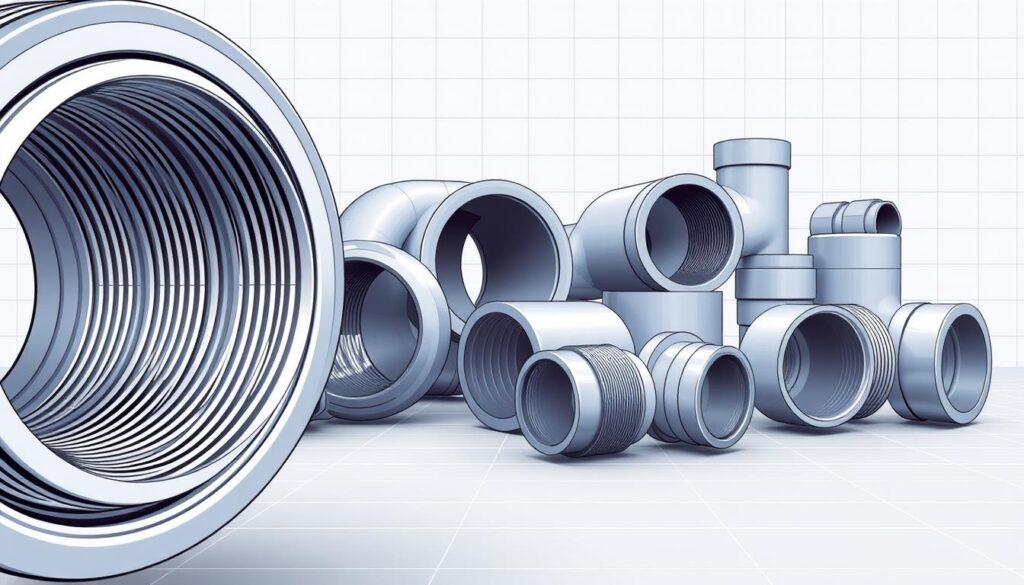
MNPT stands for Male National Pipe Thread. It’s a key threading system used in plumbing and hydraulic systems in the U.S. These threads are vital for making tight, leak-free connections in water, gas, and mechanical systems.
If you’re fixing a leak at home or you’re a pro plumber, understanding MNPT is key. It can save you a lot of time and money. This guide will cover everything you need to know about these important pipe connections.
Key Takeaways
- MNPT represents Male National Pipe Thread
- Used in water, gas, and hydraulic systems
- Critical for creating secure pipe connections
- Standardized across the United States
- Essential for both professional and DIY plumbing work
Table of Contents
What Does MNPT Mean in Plumbing?
Plumbing connections can be tricky, but knowing about Male National Pipe Tapered (MNPT) threads is key. These threads are vital for making tight, leak-free connections in many areas.
Understanding Male National Pipe Thread
MNPT threads are a specific type used in plumbing and industry. They are specialized for reliable connections:
- External threads for male pipe connections
- Tapered design with a 60-degree thread form
- Standardized thread pitch of ¾ inch per foot
- Works well with various sealing compounds
The Difference Between MNPT and FNPT
It’s important to know the difference between MNPT and FNPT threads for plumbing.
| Characteristic | MNPT | FNPT |
|---|---|---|
| Thread Location | External (Outside) | Internal (Inside) |
| Connection Type | Male Fitting | Female Fitting |
| Sealing Mechanism | Requires Sealant | Receives Male Threads |
Pro tip: Make sure you pick the right MNPT fittings for a tight, leak-free connection. The right thread size and pitch are critical for a strong plumbing system.
The History and Standards Behind NPT Threads
The story of NPT (National Pipe Thread) fittings started in the mid-19th century. It was a time of big changes in American industrial standards. NPT threads were created to make pipe connections reliable and consistent for many industries.
William Sellers was key in making threading standards in the U.S. In 1864, he introduced a standard for nuts, bolts, and screws. This idea helped shape the NPT thread system we use today in plumbing and industry.
- NPT fittings are designed to connect pipe sections for fluid and gas transmission
- The standard ensures consistent thread dimensions across different manufacturers
- Developed to meet rigorous industrial and mechanical requirements
The American National Standards Institute (ANSI) and American Society of Mechanical Engineers (ASME) later made these standards official. They created the B1.20.1 specification. It defines the taper, thread angle, and other key features of NPT threads.
Today, NPT fittings are all about precision. They’re essential for making connections that don’t leak in homes, businesses, and factories. Knowing the history of NPT threads helps us appreciate their engineering genius.
How MNPT Fittings Work in Plumbing Systems
MNPT fittings are key in plumbing for secure and leak-free connections. Their unique design is vital for many piping needs in homes and industries.
The Tapered Thread Design Explained
The tapered thread design ensures a tight seal. Unlike parallel threads, NPT threads get narrower towards the end. This lets male and female parts fit together more snugly, boosting the seal.
- Threads gradually narrow from start to end
- Increased surface contact between threads
- Enhanced mechanical seal performance
Why Thread Sealants Are Essential
Thread sealants like PTFE tape and pipe joint compounds are vital for a leak-free connection. They fill gaps between threads and make the connection smooth to avoid galling.
| Sealant Type | Application Method | Primary Purpose |
|---|---|---|
| PTFE Tape | Wrap clockwise on male threads | Fill thread gaps, provide lubrication |
| Pipe Joint Compound | Brush on first few threads | Enhance sealing, prevent corrosion |
When using sealant, start with the first thread and apply thinly and evenly. Caution: Too much can harm the system. A few wraps of PTFE tape or a thin layer of compound is usually enough.
Types of NPT Fittings You Should Know
NPT fittings are key in plumbing systems, bringing versatility and reliability. Knowing the different types helps you pick the right one for your needs.
Plumbing experts use various NPT fitting types for strong and efficient systems:
- Couplings: Connect two pipes in a straight line
- Elbows: Change pipe direction at 90 or 45-degree angles
- Tees: Allow branching in three different directions
- Cross Fittings: Connect four pipes at a single junction
- Caps and Plugs: Seal pipe ends (caps are female, plugs are male)
Brass NPT fittings are favored for their durability and resistance to corrosion. There are also specialized fittings like compression, union, and valve fittings for specific needs.
“Choosing the right NPT fitting is key for a leak-free and efficient system.” – Plumbing Engineering Handbook
NPTF fittings are great for high-pressure needs. They seal through compressed threads, needing less sealant.
- Nipple fittings extend connections
- Pipe adapters help convert between different thread types
- Pipe wyes create Y-shaped connections
Knowing about these NPT fitting types helps you build better plumbing systems. This is true for homes, businesses, or industrial sites.
Common Materials Used for MNPT Fittings
Choosing the right material for your MNPT fittings is key for good performance and lasting use in your plumbing. Each material has its own benefits, based on your needs and where you’ll use it.
Brass MNPT Fittings: The Versatile Option
Brass is a top choice because it’s easy to work with, strong, and resists corrosion and heat well. These fittings work with many substances, from water to gasoline, making them very useful.
- Highly resistant to corrosion and rust
- Excellent for water transportation
- Available in bar stock and forged varieties
Brass fittings are a great mix of performance and value for most homes and light business needs.
Stainless Steel Options
Stainless steel NPT fittings are strong and resist corrosion well, even in tough environments. They’re best for hard industrial uses.
| Industry | Typical Application |
|---|---|
| Chemical Processing | Corrosive chemical handling |
| Oil and Gas | High-temperature pipelines |
| Food and Beverage | Hygienic processing equipment |
When to Choose Plastic Fittings
Plastic NPT fittings, made from PVC or PTFE, have special benefits for certain uses. They’re light, resist corrosion, but not good for high-pressure or high-temperature situations.
Select plastic fittings for cold water systems, irrigation, and specialized chemical applications where metal corrosion is a concern.
Your choice of MNPT fitting material depends on your needs, budget, and where you’ll use it. Think about your application carefully to pick the best material.
How to Identify MNPT Threads on Your Pipes
Spotting male NPT threads is all about paying attention and using a few easy steps. These threads are on the outside of the pipe or fitting. They have a tapered shape that makes them stand out.
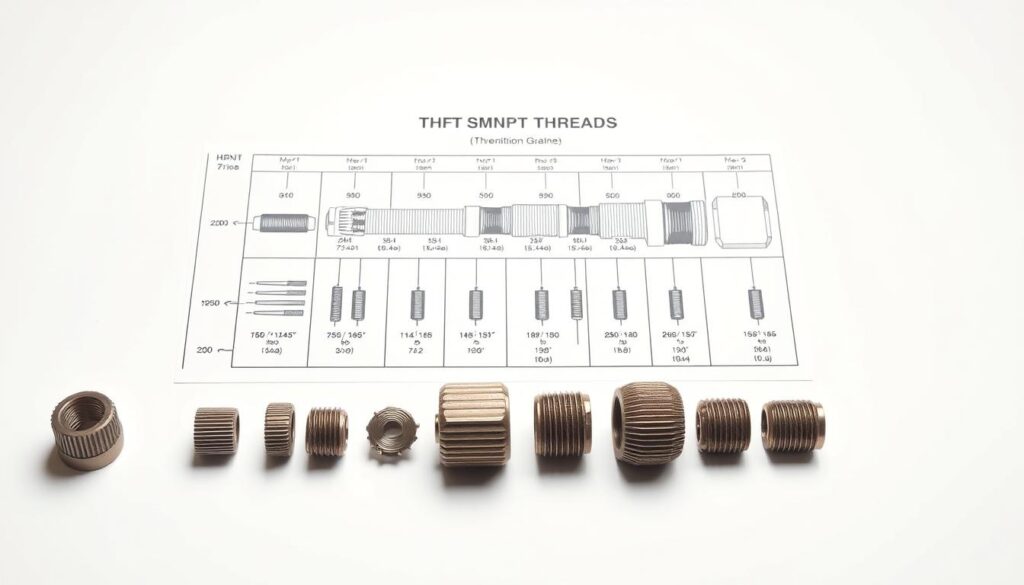
- Visual Inspection: Look for external threads that wrap around the outside of the pipe
- Thread Engagement Test: Carefully thread the fitting by hand into a known NPT connection
- Taper Measurement: Observe how the threads become tighter as they’re inserted
NPT threads are known for their tapered design. To figure out if you have male or female threads, look for these signs:
- External threads mean it’s a male connection
- The threads get smaller as they go in
- A thread gauge can help count threads per inch
Experts suggest using a thread pitch gauge to check thread details. Different sizes have different thread counts. For example, a 1/8″ NPT has 27 threads per inch, while a 1″ NPT has about 11.5 threads per inch.
Pro Tip: Getting thread identification wrong can cause big plumbing problems. So, take your time and double-check!
It’s very important to know what you’re dealing with before buying or installing pipe fittings. A little bit of careful checking can prevent big mistakes and leaks.
Measuring and Sizing MNPT Fittings Correctly
Choosing the right fitting size is key. It’s all about understanding how to measure the nominal diameter. Getting it right with Male National Pipe Thread (MNPT) connections saves time and avoids mistakes.
To measure male threads, you’ll need a few tools and some basic steps:
- Wrap a string around the outside of the threaded section
- Mark where the string overlaps
- Measure the string’s length to determine circumference
- Divide the circumference by 3.14159 (pi) to calculate outside diameter
- Consult a conversion chart to find the corresponding nominal size
Finding the Nominal Diameter
NPT has its own way of sizing, different from actual measurements. For male threads, the outside diameter is what matters. The nominal size is close to the inside diameter of the pipe it fits into.
Understanding Thread Pitch and Taper
Thread specs are important for fitting correctly. NPT threads have specific standards:
- Thread pitch varies by size (1/8″ NPT has 27 threads per inch, 1″ NPT has 11.5 threads per inch)
- The standard taper rate is 1-in-16 (diameter decreases 1/16″ per inch)
- Smaller fittings have finer, more numerous threads
- Larger fittings have coarser, fewer threads
Learning these measurement techniques ensures your pipe connections are always right. This prevents leaks and keeps your system reliable.
Installing MNPT Fittings: Step-by-Step Guide
Installing Male National Pipe Thread (MNPT) fittings needs precision and attention to detail. Success depends on the right techniques and avoiding common mistakes. These mistakes can harm your plumbing system’s integrity.
- Pipe wrench
- Thread sealant (PTFE tape or pipe joint compound)
- Clean cloth
- Proper sized fittings
Follow these critical steps for your installation:
- Preparation: Clean all threads well to remove debris. Check that male and female threads match in type and size.
- Thread Sealant Application: Apply PTFE tape or pipe joint compound carefully to male threads. Don’t over-apply and avoid getting sealant inside the fitting.
- Hand Tightening: Screw the male fitting into the female fitting by hand. This ensures correct thread alignment and prevents cross-threading.
- Wrench Tightening: Use a wrench to tighten the connection, typically 2-3 turns after hand-tight.
- Leak Inspection: After pressurizing the system, check for any leaks. Slightly tighten if needed, but avoid over-tightening.
Potential installation mistakes can cause big problems in your plumbing system. Watch out for these common errors:
| Common Mistake | Potential Consequence |
|---|---|
| Cross-threading | Damaged threads, poor connection |
| Over-tightening | Thread distortion, possible leaks |
| Mismatched Fittings | Leaks or burst connections |
| Improper Sealant Use | Inadequate sealing or system contamination |
Professional plumbers suggest practicing these techniques. This ensures a reliable and leak-free MNPT fitting installation.
Common Applications for MNPT Connections
Male National Pipe Thread (MNPT) connections are key in many industries. They are vital in plumbing and mechanical systems. Knowing their uses shows how versatile these fittings are.
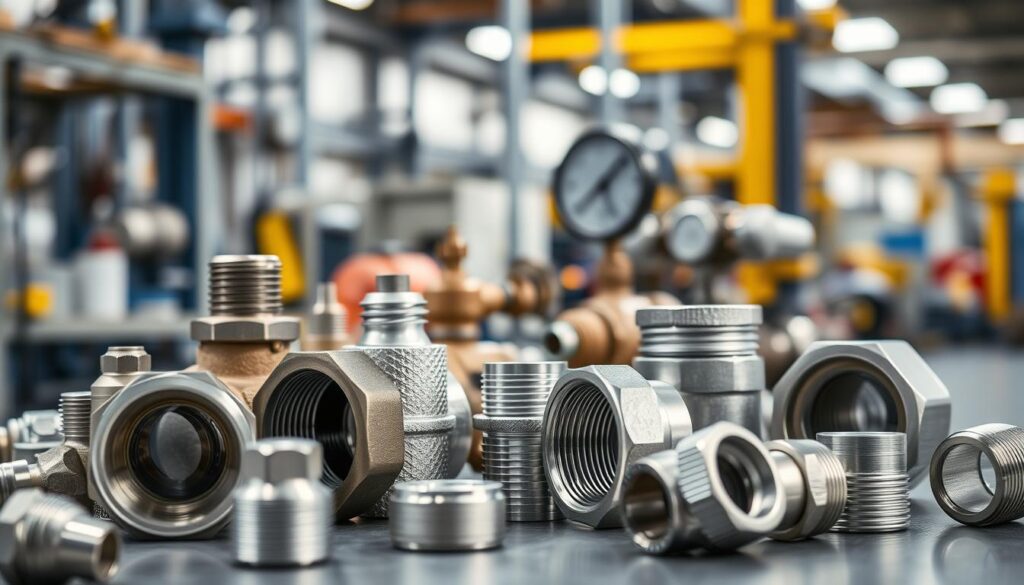
Residential Plumbing Solutions
In homes, MNPT fittings are essential for water and gas systems. They are found in important places like:
- Water supply lines for sinks and showers
- Faucet installations
- Hot water tank connections
- Natural gas line assemblies
- Home heating system piping
Industrial and Commercial Applications
Outside homes, MNPT fittings are vital in complex industrial settings. They handle tough tasks in different fields:
- Oil and Gas: Drilling rig equipment and refinery systems
- Manufacturing: Hydraulic and pneumatic machinery
- Automotive: Fuel and brake system components
- Construction: Heavy equipment hydraulic systems
- Marine: Potable water and fuel distribution networks
- Agriculture: Irrigation and equipment maintenance systems
- Food and Beverage: Processing plant piping
Whether it’s a small home project or a big industrial setup, MNPT connections offer solid, leak-free solutions. They manage fluids and gases well.
MNPT vs Other Pipe Thread Types
Understanding the differences between various pipe thread types is key for proper sealing and leak prevention. National Pipe Thread (NPT) is just one of several thread standards used in piping systems.
- NPT (National Pipe Thread): Has tapered threads for a tight seal when joined. These threads narrow gradually, providing a mechanical seal when tightened.
- NPTF (National Pipe Thread Fuel): Specialized threads that compress against each other, creating a mechanical seal with reduced sealant requirements. They work best in high-pressure applications but can be damaged by over-tightening.
- NPSM (National Standard Free-Fitting Straight Mechanical Pipe Thread): Uses straight threads for mechanical joints, providing a different approach to pipe connections.
- BSP (British Standard Pipe): Differs significantly from NPT by using trade size instead of actual diameter and featuring different thread angles and pitches.
Mixing thread types can lead to problems. For example, combining NPT and NPTF connections may result in leaks or improper sealing. Professional plumbers recommend using consistent thread types within a single piping system.
Choosing the right pipe thread type is critical for ensuring a reliable and leak-free plumbing connection.
Each thread type has unique characteristics that make it suitable for specific applications. Your choice depends on factors like pressure requirements, material compatibility, and the intended use of the piping system.
Troubleshooting Common MNPT Fitting Problems
Dealing with MNPT fitting issues can be tough for plumbers and DIY fans. Knowing common problems and how to fix them is key. This guide will help you tackle typical MNPT connection challenges.
Preventing and Fixing Leaks
Leaks in MNPT fittings can come from a few main causes:
- Insufficient thread sealant application
- Over-tightening that distorts threads
- Mismatched or damaged fittings
To fix leaks, follow these steps:
- First, check the connection while the system is pressurized
- Try tightening an additional quarter to half turn carefully
- If leaking persists, depressurize the system
- Disassemble the connection and inspect threads thoroughly
- Clean threads and apply fresh sealant correctly
Using leak detection methods can save you a lot of trouble. For gas lines, soapy water reveals bubbles. For water lines, a paper towel can help find leaks.
Avoiding Cross-Threading Issues
Cross-threading is a big mistake that can ruin your MNPT fittings. It happens when male and female threads aren’t aligned right during installation.
Signs of cross-threading include:
- Difficult turning after partial rotation
- Crunching or grinding sensation
- Resistance when threading
To avoid cross-threading, start threading by hand. Make sure it turns smoothly and take your time. If you feel resistance, back out and realign. This careful approach prevents expensive replacements and system failures.
Conclusion
Learning about MNPT fittings changes how you handle plumbing tasks. These fittings use a special tapered thread design for a tight seal. Whether you’re a pro or a DIYer, knowing how to use MNPT fittings can save you time and money.
Choosing the right material for your fittings is key. You can pick from brass, stainless steel, steel, or plastic, each for different needs. Make sure to measure correctly to pick the right fitting every time.
Installing MNPT fittings needs care. Always apply thread sealant like PTFE tape for a leak-free connection. Start by tightening by hand, then use 2-3 wrench turns for a strong seal. Knowing the differences between MNPT and other threads helps avoid problems.
This guide makes you confident in working with MNPT fittings. Even though it might seem complex, the basics are simple once you understand them. Keep this guide for future projects, and you’ll be ready for any plumbing challenge with MNPT fittings.