
Affiliate Disclosure
Plumber Guide Guys is a participant in the Amazon Services LLC Associates Program, an affiliate advertising program designed to provide a means for sites to earn advertising fees by advertising and linking to Amazon.
What Does FNPT Mean in Plumbing? Ever wondered what plumbers mean by FNPT? Knowing plumbing terms like FNPT can boost your DIY skills. It also helps you talk better with plumbing experts.
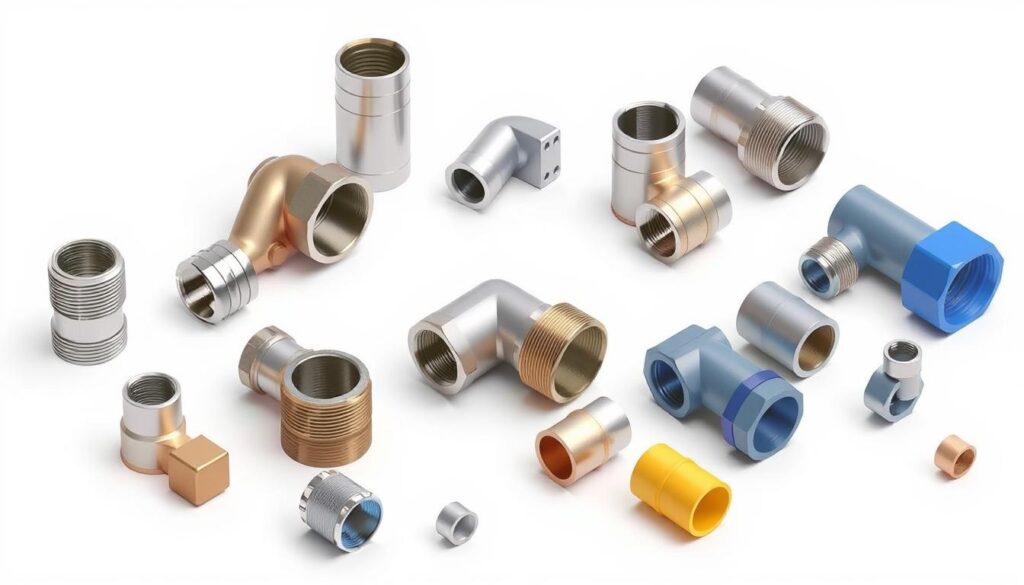
FNPT stands for Female National Pipe Thread. It’s key for making sure pipes connect securely and without leaks. Both pros and homeowners use these fittings for strong plumbing systems in homes and businesses.
If you’re fixing up your home or just curious about plumbing, this guide has you covered. We’ll explain plumbing terms like FNPT in simple terms.
Key Takeaways
- FNPT represents Female National Pipe Thread
- Critical for creating secure pipe connections
- Used in various plumbing and industrial applications
- Helps prevent leaks and ensure system integrity
- Essential knowledge for DIY enthusiasts and professionals
Table of Contents
Understanding FNPT in Plumbing Systems
National pipe thread female (FNPT) connections are key in modern plumbing. They offer a secure way to join pipes and fittings. Knowing about female NPT fittings helps in making better choices for plumbing projects.
FNPT threads are also known as FIP (Female Iron Pipe) or FPT (Female Pipe Thread). They are made to create tight seals in various plumbing settings.
Basic Definition and Components
Female NPT fittings have a special thread design. This design allows for tight connections with male pipe threads. The main parts include:
- Tapered thread profile
- Precise internal threading
- Standardized measurement specifications
Importance in Plumbing Connections
Threaded plumbing connections with FNPT are very important for a few reasons:
- They ensure tight, leak-proof seals
- They offer flexibility in pipe and fitting setups
- They make installation and maintenance easy
Common Applications
Female NPT fittings are used in many plumbing situations, such as:
- Residential water supply systems
- Industrial piping networks
- HVAC equipment connections
- Irrigation and agricultural systems
Choosing the right FNPT fitting is key for reliable and efficient plumbing connections.
What Does FNPT Mean in Plumbing: Complete Breakdown
Understanding FNPT is key for both pros and DIY fans. FNPT means Female National Pipe Thread. It’s a common threading system in North American plumbing.
The term FNPT points to the female end of a pipe connection. It has special thread features. These threads make a tight seal when pipes are connected. This ensures fluids and gases move safely in plumbing systems.
- Threads are tapered for optimal sealing
- Follows strict North American threading standards
- Compatible with most standard pipe fitting components
FNPT threads have a 60-degree angle and a unique taper. This design makes a strong seal. Plumbers can connect pipes and fittings securely and without leaks.
Understanding FNPT is essential for anyone working with pipe systems in construction, maintenance, or repair.
The National Pipe Thread standard is widely used in plumbing. It’s known for its reliability and consistent performance. FNPT connections are standard in residential, commercial, and industrial projects.
Different Types of Pipe Threads Explained
Exploring plumbing thread types can seem daunting. But, grasping the differences can save you time and avoid costly errors. It’s vital to know the thread designs for proper installation and leak prevention.
There are many plumbing thread types, each with its own features. They are designed for specific uses. The most common are National Pipe Tapered (NPT) and National Pipe Tapered Fuel (NPTF).
NPT vs NPTF: Key Differences
Comparing NPT and NPTF threads reveals some key differences:
- Taper Design: NPT threads have a standard 1/16 inch per foot taper
- NPTF threads have a specialized interference fit
- NPT usually needs thread sealant
- NPTF offers a tighter seal against leaks
Male and Female Thread Characteristics
Knowing thread gender is key in plumbing. Male threads stick out, while female threads are inside.
| Thread Type | Male Characteristics | Female Characteristics |
|---|---|---|
| NPT | External tapered surface | Internal matching taper |
| NPTF | Precision interference fit | Matching precision design |
Thread Sizing Standards
Thread sizing standards are critical for compatibility. Correct measurements ensure a tight, leak-free connection.
Always check thread specs before connecting pipes or fittings. This step prevents plumbing installation problems.
Female NPT Fittings: Features and Benefits
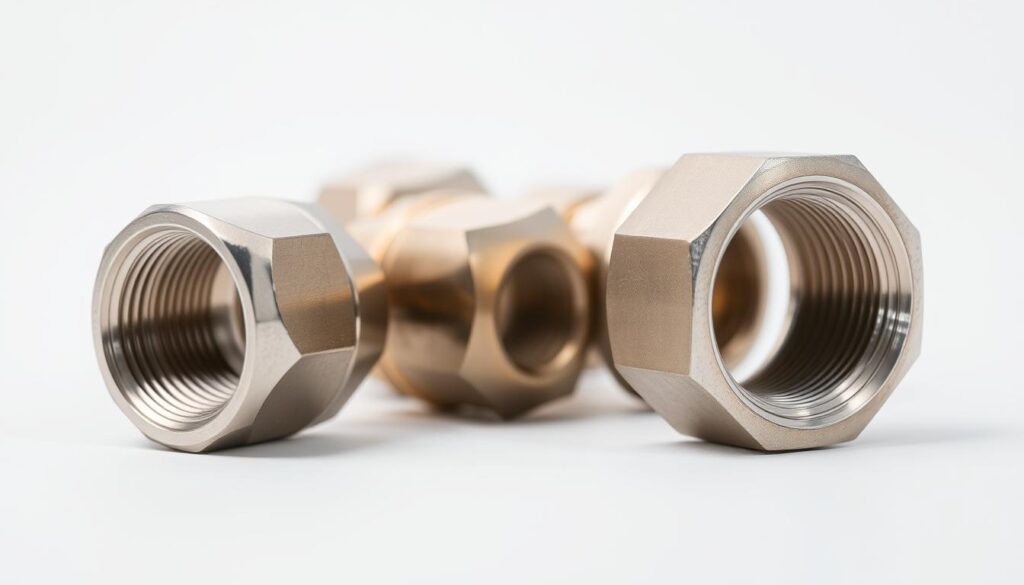
Female NPT fittings are key in threaded plumbing connections. They offer top-notch performance and reliability. These fittings have internal threads for secure and leak-resistant seals in many plumbing tasks.
The main benefits of female NPT fittings are:
- Exceptional durability in tough environments
- Precision-engineered internal threading
- Versatile compatibility with various pipe systems
- Resistance to corrosion and mechanical stress
Brass is the top choice for female NPT fittings. Brass fittings have great heat resistance, excellent corrosion protection, and strong structure. These qualities make them perfect for both home and industrial plumbing.
When picking female NPT fittings, think about:
- Thread size and specs
- Operating pressure needs
- Environmental conditions
- Specific application needs
Both pros and DIY fans love female NPT fittings for their easy installation and dependable performance. Knowing their features and benefits helps you choose the right fittings for your plumbing needs.
Common FNPT Thread Sizes and Measurements
Understanding pipe fitting terms is key when working with plumbing threads. FNPT (Female National Pipe Thread) sizes are vital for secure plumbing connections. Knowing the right sizes can save time and prevent leaks.
NPT thread sizes range from tiny 1/16-inch to large 2-inch fittings. Each size has specific threads per inch. This determines the fitting’s precision and sealing ability.
Standard FNPT Thread Size Chart
- 1/16″ – Used in small precision applications
- 1/8″ – Common in residential water lines
- 1/4″ – Found in compressed air systems
- 3/8″ – Used in hydraulic connections
- 1/2″ – Standard size for many household fixtures
- 3/4″ – Used in larger water supply lines
- 1″ – Common in industrial and commercial settings
- 1-1/2″ – Larger municipal and industrial applications
- 2″ – Heavy-duty industrial pipe connections
Measuring FNPT Threads Accurately
To measure FNPT threads correctly, you’ll need a few tools:
- Thread gauge
- Vernier caliper
- Thread pitch gauge
When measuring, focus on two key aspects: thread diameter and threads per inch (TPI). Count the threads in a one-inch section to find the exact specification.
Pro Tip: Always double-check measurements before buying replacement fittings to ensure a perfect match.
Installing and Working with FNPT Connections
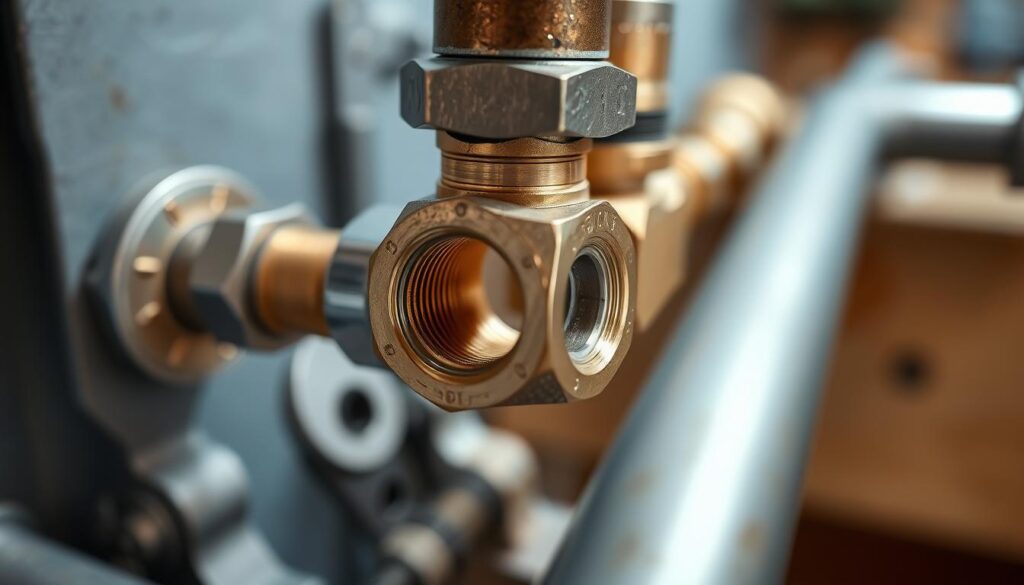
Working with threaded plumbing connections needs precision and the right skills. FNPT (Female National Pipe Thread) connections require specific techniques for a secure and leak-free setup.
Before starting your pipe fitting project, make sure you have these tools:
- Pipe wrench
- Thread sealant
- PTFE tape
- Clean cloth
- Pipe cleaning solution
Preparation is key in pipe fitting. Begin by cleaning the pipe threads well. Remove dirt, debris, or old sealant. Use a clean cloth and pipe cleaning solution for a smooth surface.
When using PTFE tape, follow these steps:
- Wrap the tape clockwise around male threads
- Apply 2-3 tight wraps
- Ensure even coverage without overlapping
- Leave thread peaks slightly exposed
Tightening FNPT connections needs careful handling. Use a pipe wrench for a secure seal. But, avoid over-tightening to prevent damage or leaks.
| Pipe Size | Recommended Torque | Typical Application |
|---|---|---|
| 1/2 inch | 35-45 ft-lbs | Residential plumbing |
| 3/4 inch | 45-55 ft-lbs | Commercial systems |
| 1 inch | 55-65 ft-lbs | Industrial applications |
Pro tip: Always test your connection for leaks after installation. Use soapy water and check for bubbles.
Comparing FNPT with Other Thread Types
Learning about different plumbing thread types can save you a lot of time. It also helps avoid expensive mistakes in your projects. When you’re working with npt vs fnpt connections, you’ll see many thread standards. You need to think carefully about these.
There are many plumbing thread types, each with its own special features. These features affect how well they work and if they fit together right. Knowing the differences helps you install them correctly. This prevents leaks or connection problems.
FNPT vs MNPT: Understanding the Basics
The main difference between Female National Pipe Tapered (FNPT) and Male National Pipe Tapered (MNPT) threads is their orientation:
- FNPT has internal tapered threads
- MNPT has external tapered threads
- Both use a 60-degree thread form
FNPT vs BSPT: International Thread Standards
When looking at plumbing thread types, British Standard Pipe Thread (BSPT) shows some interesting differences:
- BSPT has a 55-degree thread flank angle
- NPT/FNPT has a 60-degree thread angle
- BSPT is a parallel thread system
What you need for your project will decide which thread type is best. Always check if the threads fit together before connecting. This helps avoid system failures.
Common Problems and Troubleshooting with FNPT
Threaded plumbing connections can be tricky, even for experts. Knowing common issues with FNPT fittings helps avoid expensive fixes and system failures.
When you work with pipe fitting terms, it’s key to spot common problems. These can mess up your plumbing connections:
- Cross-threading: Happens when threads don’t line up right during setup
- Over-tightening that harms thread strength
- Using the wrong thread types
- Bad sealing methods
Spotting leaks in threaded connections needs a close look. Watch for these signs:
- Visible gaps between fitting surfaces
- Irregular thread alignment
- Corrosion or wear signs
- Unusual stress on pipe connections
To avoid issues, use the right thread sealant, align precisely, and don’t force too hard. Check your connections often for early signs of trouble. This keeps your plumbing system working well.
Professional tip: If unsure about a connection, always ask a licensed plumber. It’s safer than risking damage to your system.
Materials and Construction of FNPT Fittings
Choosing the right materials for female NPT fittings is key for your plumbing system’s success. The material affects how long it lasts, how well it resists corrosion, and its overall performance.
Pipe fitting terminology shows many material options for FNPT fittings. Each has its own strengths for different uses.
Brass Fittings: A Premium Choice
Brass is a top pick for female NPT fittings because of its great qualities:
- Superior corrosion resistance
- Excellent heat tolerance
- High durability
- Minimal risk of leakage
Steel and Alternative Materials
Brass is not the only choice for FNPT fittings:
- Stainless Steel: Great for high-pressure situations
- Carbon Steel: Affordable for industrial needs
- Plastic: Light and resistant to chemicals
What you need for your plumbing will decide the best material for female NPT fittings. Talking to a pro can guide you to the right choice for your project.
Best Practices for FNPT Thread Maintenance
Keeping threaded plumbing connections in good shape is key to a long-lasting plumbing system. Taking care of FNPT threads can stop expensive leaks and damage to your pipes and fittings.
Here are some important maintenance tips for plumbing threads:
- Clean threads well before installing to get rid of dirt and debris
- Check threads often for wear or corrosion signs
- Use the right thread sealants for different plumbing jobs
- Avoid over-tightening to prevent thread damage
Storing FNPT fittings right is also vital. Store your threaded connections in a dry, clean place to avoid rust and wear. Use protective caps when storing fittings for a long time to protect the threads.
Here are some key tips for FNPT connections:
- Look for leaks during regular checks
- Replace damaged or worn threads right away
- Use the right tools for threaded connections
- Apply thread tape or pipe dope correctly for a tight seal
Proactive maintenance is the key to long-lasting plumbing systems.
By following these best practices, you can make your plumbing threads last longer and avoid unexpected problems. Regular care and attention to your threaded plumbing connections will save you time and money in the long run.
Conclusion
Knowing what FNPT means in plumbing is key for anyone dealing with pipe connections. These female national pipe threads are essential for making plumbing systems safe and reliable. This guide has explained plumbing abbreviations to help you feel more confident and knowledgeable in your work.
Installing and keeping FNPT fittings right needs focus and a good grasp of thread types, sizes, and materials. Whether you’re a DIY fan or a pro plumber, understanding these connections is vital. It helps avoid leaks, system failures, and keeps your plumbing working well.
Your plumbing project success relies on picking the right parts and knowing their features. FNPT connections are more than just tech details. They are the base of dependable water and gas systems. With the insights from this guide, you’ll make better choices for your plumbing needs.
Always keep learning and use your technical skills well to get top-notch results in plumbing. Pay attention to the details, ask questions, and always aim for precision with FNPT connections.