

Affiliate Disclosure
Plumber Guide Guys is a participant in the Amazon Services LLC Associates Program, an affiliate advertising program designed to provide a means for sites to earn advertising fees by advertising and linking to Amazon.
What Does FIP Mean in Plumbing? Ever wondered why some plumbing connections seem more secure and reliable than others? Understanding what FIP means in plumbing can unlock the secrets behind robust pipe installations. Female Iron Pipe (FIP) is a critical component in creating dependable plumbing connections that professionals rely on every day.
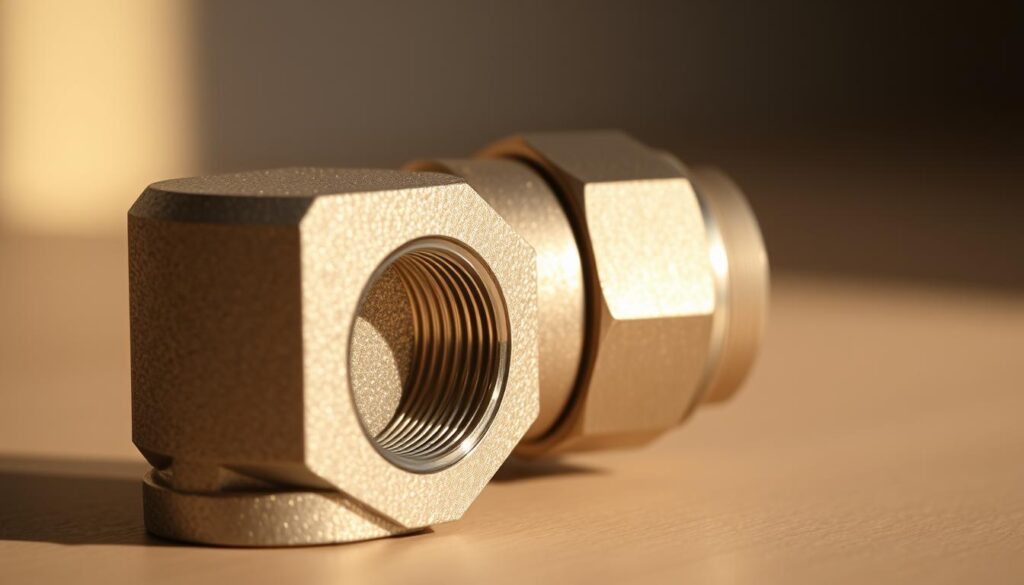
Plumbing terminology can be complex, but FIP represents a straightforward and essential concept in pipe fitting design. These specialized fittings with internal threading provide a critical method for connecting pipes securely in residential, commercial, and industrial settings.
When you dive into the world of plumbing, knowing the nuances of female iron pipe fittings can make a significant difference. It helps in understanding system design and installation techniques.
Key Takeaways
- FIP stands for Female Iron Pipe with internal threading
- Critical for creating secure plumbing connections
- Used across residential and commercial plumbing systems
- Essential for understanding pipe fitting terminology
- Provides reliable and robust pipe connection method
Table of Contents
Understanding Female Iron Pipe (FIP) in Plumbing Systems
Female iron pipe (FIP) fittings are key in modern plumbing. They help make water and gas systems safe and reliable. Knowing how they work helps you choose the right parts for your plumbing.
Basic Components of FIP Fittings
FIP fittings have special threading inside. This threading lets pipes and other parts connect smoothly. The main parts of female iron pipe fittings are:
- Internal threads for secure pipe connections
- Varying material compositions
- Different size specifications
- Precision-engineered sealing surfaces
Function and Purpose in Plumbing
FIP pipe adapters are vital for tight connections between pipes. They help pipes of different sizes and materials work together well. This ensures water flows smoothly and prevents leaks.
| Fitting Type | Material | Primary Use |
|---|---|---|
| Straight FIP Adapter | Brass | Residential water lines |
| Reducing FIP Adapter | Stainless Steel | Industrial pipe connections |
| Threaded FIP Fitting | PVC | Agricultural irrigation systems |
Common Applications and Uses
FIP fittings are used in many areas. You’ll see them in homes, businesses, factories, and water systems. They’re great for making connections that don’t leak.
“Precision in plumbing begins with understanding the right connections” – Professional Plumbing Association
Whether you’re fixing your home, working on a project, or designing systems, knowing about FIP fittings is important. It helps you pick the right parts for your plumbing needs.
What Does FIP Mean in Plumbing: Essential Technical Details
Exploring what does fip mean in plumbing, you’ll find Female Iron Pipe (FIP) is key. It’s a vital part of piping systems. These special threaded connections help make plumbing networks secure and reliable.
NPT threaded connections are at the heart of FIP fittings. The National Pipe Thread standard makes sure different plumbing parts fit well. These threads have a unique tapered design. It helps seal better and prevents leaks.
- Pipe thread types vary based on specific plumbing requirements
- FIP threads are typically designed with a 60-degree angle
- Tapered threading allows for improved mechanical sealing
Understanding FIP threads means knowing how they work. The tapered design makes connections tighter. This reduces leaks in homes and businesses.
Professional plumbers count on FIP connections for their dependability and flexibility. They’re essential for water, gas, and drainage systems. Knowing how these threads work is key for good installations.
Types of FIP Connections and Thread Standards
Knowing about npt threaded connections is key for plumbing success. Different pipe thread types are vital for a good fit and leak-free plumbing.
Plumbing terminology includes many thread standards. These standards help ensure that pipe fittings work well together and seal properly.
National Pipe Thread (NPT) Standards
NPT standards are central to pipe connections in the U.S. They outline exact thread details for various pipe sizes and uses.
- Standardized thread angle of 60 degrees
- Tapered design for better sealing
- Used in both residential and industrial plumbing
Thread Sizes and Specifications
Choosing the right thread size is essential for secure connections. Each task needs a specific thread size for the best fit and performance.
| Pipe Size | Thread Type | Common Applications |
|---|---|---|
| 1/8 inch | NPT | Small instrumentation lines |
| 1/2 inch | NPT | Residential water lines |
| 2 inch | NPT | Industrial piping systems |
Common Thread Patterns
Plumbing systems use different thread patterns for various needs. Knowing these patterns helps you pick the right connection for your project.
- Straight Thread: Used for non-pressure applications
- Tapered Thread: Provides better sealing under pressure
- Parallel Thread: Requires additional sealing methods
By learning about npt threaded connections and pipe thread types, you’ll be ready to handle plumbing tasks with ease.
Material Options for Female Iron Pipe Fittings
Choosing the right material for female iron pipe fittings is key for lasting plumbing connections. Each material has its own benefits, depending on your plumbing needs.
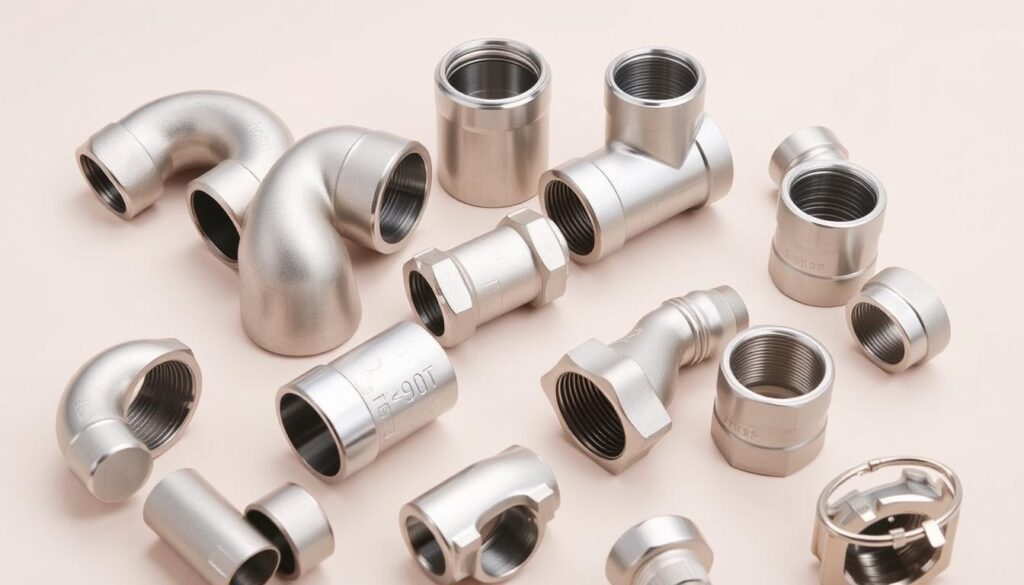
When picking female iron pipe fittings, you’ll find several main materials:
- Brass: Great for water systems
- Excellent corrosion resistance
- Superior durability
- Smooth threading for tight connections
- Stainless Steel: Ideal for tough environments
- High strength
- Exceptional rust protection
- Suitable for industrial applications
- PVC: A cost-effective option for certain uses
- Lightweight
- Chemical resistant
- Lower cost than metal
Your plumbing needs will guide you to the best material for female iron pipe fittings. Think about water type, pressure, and where you’ll install them.
Pro tip: Always check if the material fits your plumbing system before you install it.
For any project, talking to a professional plumber is wise. They can help pick the right material for your plumbing needs.
FIP vs MIP: Understanding the Key Differences
When working with plumbing, knowing the difference between Female Iron Pipe (FIP) and Male Iron Pipe (MIP) fittings is key. These fittings are essential for a secure and leak-free plumbing system.
The main difference is in their threading. FIP fittings have internal threads, while MIP fittings have external threads. This design lets them connect well in many plumbing jobs.
Threading Orientation Comparison
In plumbing, the threading setup is important:
- FIP (Female Iron Pipe): Internal threads that receive the male fitting
- MIP (Male Iron Pipe): External threads that connect into female fittings
Installation Methods and Best Practices
To connect FIP vs MIP fittings right, follow these tips:
- Always check thread compatibility before connecting
- Use the right thread sealant or tape
- Make sure they’re aligned and thread gently
- Avoid over-tightening to prevent damage
| Fitting Type | Thread Direction | Common Applications |
|---|---|---|
| FIP | Internal | Valves, Fixtures, Pipe Connections |
| MIP | External | Adapters, Connections, Fittings |
Knowing these basics lets you work confidently with FIP and MIP fittings. You’ll make sure your plumbing projects have reliable and efficient connections.
Installation Guidelines for FIP Fittings
Installing female iron pipe fittings needs precision and attention to detail. A well-installed plumbing system is leak-free and durable. Whether you’re a DIY fan or a pro plumber, knowing how to install FIP pipe adapters is key.
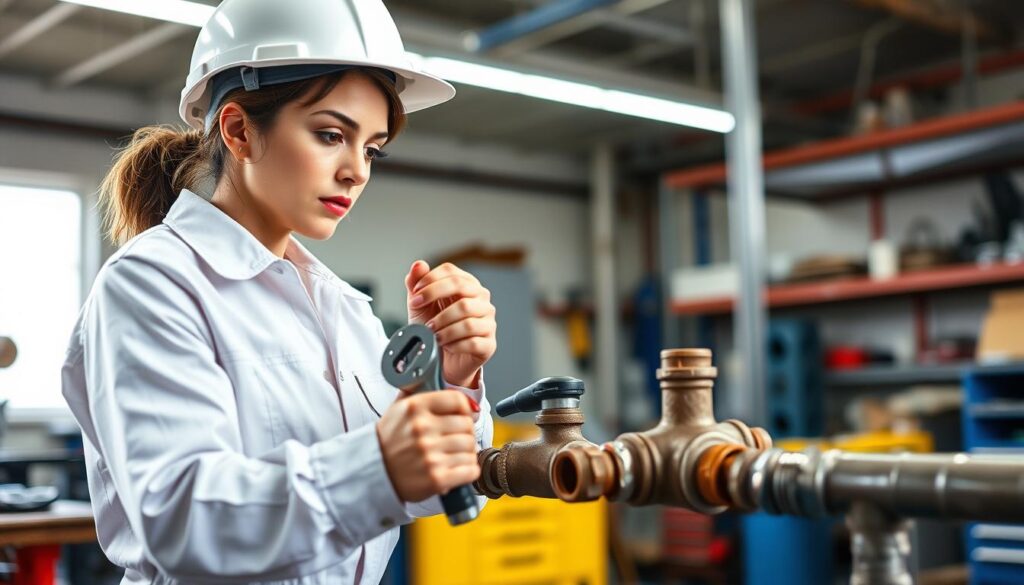
- Pipe wrench
- Thread sealant or pipe tape
- Clean cloth
- Pipe cleaning solution
Here are the steps for a successful installation:
- Clean the pipe threads thoroughly to remove dirt, rust, or old sealant
- Check the threads for damage or imperfections
- Apply thread sealant evenly around the male pipe threads
- Align the female iron pipe fitting with the male threads
- Hand-tighten the connection first
- Use a pipe wrench for the final quarter-turn adjustments
Pro tip: Don’t over-tighten, as it can damage threads or stress the pipe connections. Aim for a snug, leak-free fit that keeps your plumbing system strong.
Proper installation of FIP fittings is the key to preventing future leaks and ensuring long-lasting plumbing performance.
Common Issues and Troubleshooting with FIP Connections
Plumbing pipe connections can be tricky, like working with Female Iron Pipe (FIP) fittings. Knowing common problems and how to fix them is key. This helps keep your plumbing system working well and saves you from expensive repairs and water damage.
When using npt threaded connections, you might face a few common issues. These need careful attention:
- Leaking pipe joints
- Improper thread sealing
- Over-tightening or under-tightening connections
- Thread damage or corrosion
Leak Prevention Techniques
To stop leaks, focus on three main things:
- Proper thread preparation: Clean threads well before connecting
- Correct sealant application: Use the right thread tape or pipe compound
- Careful tightening: Don’t over-tighten or cross-thread
Thread Sealing Methods
Choosing the right thread sealing method is key for watertight connections:
| Sealing Method | Best Used For | Effectiveness |
|---|---|---|
| PTFE Tape | Most metal pipe connections | High |
| Pipe Dope | Non-potable water systems | Medium |
| Liquid Sealant | Specialty connections | Varies |
Every plumbing connection needs careful attention. By knowing these troubleshooting tips, you can make sure your FIP connections are reliable and leak-free.
Professional Tips for Working with FIP Fittings
Working with female iron pipe fittings needs skill and precision. Professional plumbers use special techniques for reliable connections. These connections last a long time.
Getting ready is important when using FIP pipe adapters. First, gather the right tools and know what your project needs. Quality is more important than speed for complex pipe connections.
- Always clean threads thoroughly before installation
- Use high-quality thread sealant for leak-proof connections
- Check thread compatibility before connecting pipes
- Invest in professional-grade threading tools
Working in tight spaces can be tough, even for experts. Leverage specialized compact wrenches and adjustable fitting tools to handle tricky spots. Being precise is more important than using a lot of force with delicate fittings.
“The right tool can make impossible jobs look effortless.” – Master Plumber’s Handbook
Temperature and material are key for good plumbing connections. Different materials react differently to temperature changes. Knowing this helps avoid leaks and structural problems.
- Use Teflon tape for additional sealing protection
- Avoid over-tightening connections
- Inspect threads for any imperfections before installation
Practice and patience are what set professional plumbers apart. Keep learning and stay up-to-date with FIP fitting technology. This will improve your skills.
Conclusion
Knowing what FIP means in plumbing is key for homeowners and professionals. Female iron pipe (FIP) connections are a basic part of plumbing. They are vital for the success of any plumbing project.
When you work with FIP connections, being precise is essential. You need to seal threads well, install carefully, and choose the right materials. This prevents leaks and ensures your plumbing lasts long.
Good plumbing work is more than just connecting pipes. It’s about understanding the whole system. By using the tips from this guide, you’ll tackle plumbing challenges better. Always practice, learn from each job, and focus on quality and safety.
Knowing about FIP connections will help you in many plumbing tasks. Keep learning, stay current with plumbing standards, and tackle each project with confidence.