
Affiliate Disclosure
Plumber Guide Guys is a participant in the Amazon Services LLC Associates Program, an affiliate advertising program designed to provide a means for sites to earn advertising fees by advertising and linking to Amazon.
What Does DWV Stand for in Plumbing? Ever wondered how water and waste in your home just vanish? It’s all thanks to a key plumbing system called DWV. But what does DWV stand for, and why is it so important for your home?
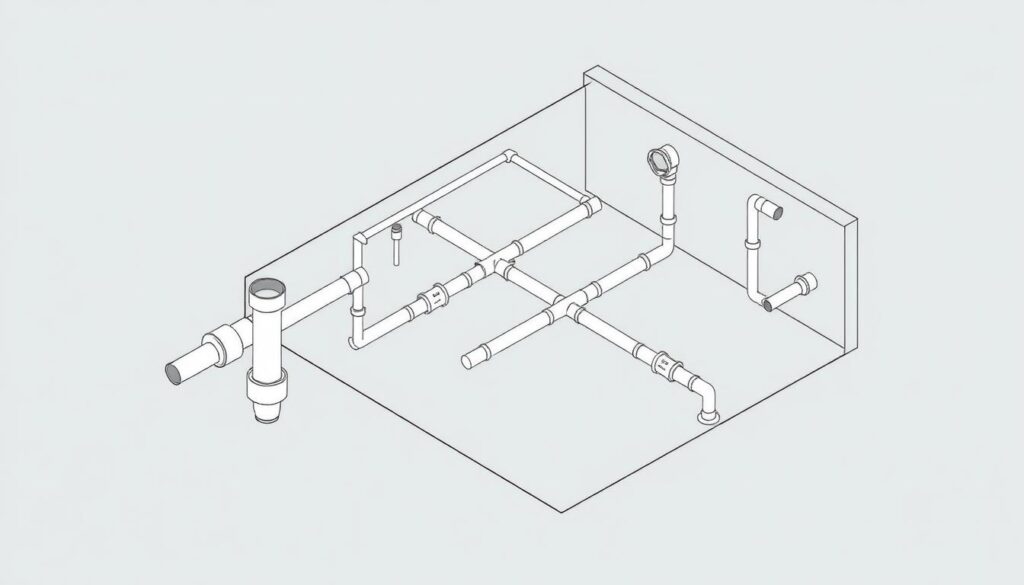
DWV stands for Drain, Waste, and Vent. It’s a complex plumbing system that keeps wastewater out of your home. It also stops bad sewer smells from getting in. This system works quietly in your walls, keeping your home clean and healthy.
Knowing what DWV means helps you see the amazing engineering behind your home’s plumbing. It handles water flow from sinks to showers, keeping your home clean and safe.
Key Takeaways
- DWV stands for Drain, Waste, and Vent in plumbing systems
- The system safely removes wastewater from residential buildings
- DWV prevents sewer gases from entering living spaces
- It is a critical component of modern home infrastructure
- Understanding DWV helps homeowners maintain their plumbing
Table of Contents
Understanding DWV Systems in Modern Plumbing
A drain waste vent system is key to your home’s plumbing. It makes sure water is removed safely and efficiently. It also keeps air flowing well in your home’s plumbing.
Your home’s plumbing uses a complex design for dwv pipes. It handles wastewater and keeps you safe from health risks. Knowing how these systems work shows the complexity of simple water drainage.
Key Components of DWV Systems
- Drain pipes that transport wastewater
- Vent pipes for air circulation
- Waste pipes connecting fixtures
- Traps to prevent sewer gas entry
Functional Mechanics
The system works on gravity and air pressure. Waste moves down through pipes, while vents let air in. This prevents vacuum problems that could stop water flow.
Home Plumbing Significance
A good dwv pipe design is important for:
- Efficient wastewater removal
- Stopping sewer gas buildup
- Keeping your home healthy
- Protecting your home’s structure
It’s vital to install and maintain your drain waste vent system right. This ensures long-term comfort and cleanliness in your home.
What Does DWV Stand for in Plumbing?
Knowing what DWV means in plumbing is key for everyone. DWV stands for Drain-Waste-Vent. It’s a vital system that deals with wastewater and keeps air flowing in your plumbing.
The DWV system does three main things:
- Drain: It collects and removes water from sinks, showers, and appliances
- Waste: It carries wastewater away from your home
- Vent: It controls air pressure and stops sewer gas buildup
The DWV system is different from your water. It makes sure wastewater is handled safely and efficiently. It has pipes that move water down and keep air pressure right.
Professional plumbers know a good DWV system is key. It stops health risks and keeps your home clean.
The Essential Role of Drain Components
It’s important to know how drain components work together. They help manage wastewater flow and keep your home clean.
Your home’s drainage system is complex. It has pipes and fixtures that remove waste safely. Each part is key to managing waste and keeping you healthy.
Main Drain Lines: The Backbone of Waste Removal
Main drain lines are the main path for wastewater. They are big pipes that collect waste from smaller lines. Then, they send it to the sewer or septic tank.
- Typically 3-4 inches in diameter
- Installed with a slight downward slope for gravity-assisted flow
- Connects all branch drain lines in your home
Branch Drain Lines: Individual Fixture Connections
Branch drain lines connect specific fixtures to the main line. These smaller pipes make sure waste from each source gets to the main system well.
- Usually 1.5-2 inches in diameter
- Connected to specific household fixtures
- Designed to minimize clogs and maintain smooth waste flow
P-Traps: Preventing Sewer Gas Intrusion
P-traps are essential in plumbing systems. They are U-shaped pipes that keep sewer gases out. This keeps your home smelling fresh and healthy.
- Found under sinks, toilets, and floor drains
- Retain a small amount of water to create a gas-blocking seal
- Prevent unpleasant odors and possible health risks
Knowing about these drain components helps you understand your plumbing system. It also helps you spot when it might need some care.
Waste System Fundamentals
Your home’s drain waste vent system is key to managing wastewater. It keeps your living space healthy. This system is a complex network that removes liquid and solid waste efficiently.
It prevents health hazards by doing so.
The waste system has several important roles:
- It carries wastewater away from your home.
- It stops sewer gases from getting into your living areas.
- It keeps drainage flowing right.
- It protects your home’s plumbing.
Designing the waste system well is important. Gravity helps waste move smoothly through the pipes. Most homes connect to the city sewer or septic tanks for waste removal.
“A well-designed drain waste vent system is the unsung hero of home sanitation.” – Professional Plumbing Association
When you plan or care for your waste system, remember these points:
- Choose the right pipe size and material.
- Make sure the slope is right for waste flow.
- Ensure good ventilation to avoid pressure issues.
- Do regular checks and upkeep.
Knowing about your home’s waste system helps spot problems early. This keeps your plumbing working well.
Understanding the Vent Stack System
DWV plumbing is more than just getting rid of water. The vent stack system is key to keeping your plumbing in top shape. It makes sure air flows right and stops problems in your drainage.
Your home’s plumbing needs more than just pipes and water. The vent stack keeps everything balanced. This lets waste move easily through your system.
Roof Vents and Air Circulation
Roof vents do a lot for your plumbing:
- They balance air pressure in pipes
- They let fresh air into your drainage
- They stop bad air pressure that slows water flow
“Proper venting is the unsung hero of effective plumbing systems.” – Professional Plumbing Association
Prevention of Sewer Gas Backup
Vent stacks protect your home from bad sewer gases. They do this by:
- Creating a way for toxic gases to leave
- Keeping the seal of traps strong
- Stopping health risks
| Vent Stack Function | Key Benefit |
|---|---|
| Air Pressure Regulation | Smooth Drainage Flow |
| Gas Evacuation | Health and Safety Protection |
| Trap Seal Maintenance | Prevents Sewer Odors |
Knowing about your home’s vent stack system shows the smart design of plumbing.
DWV vs PVC: Key Differences Explained
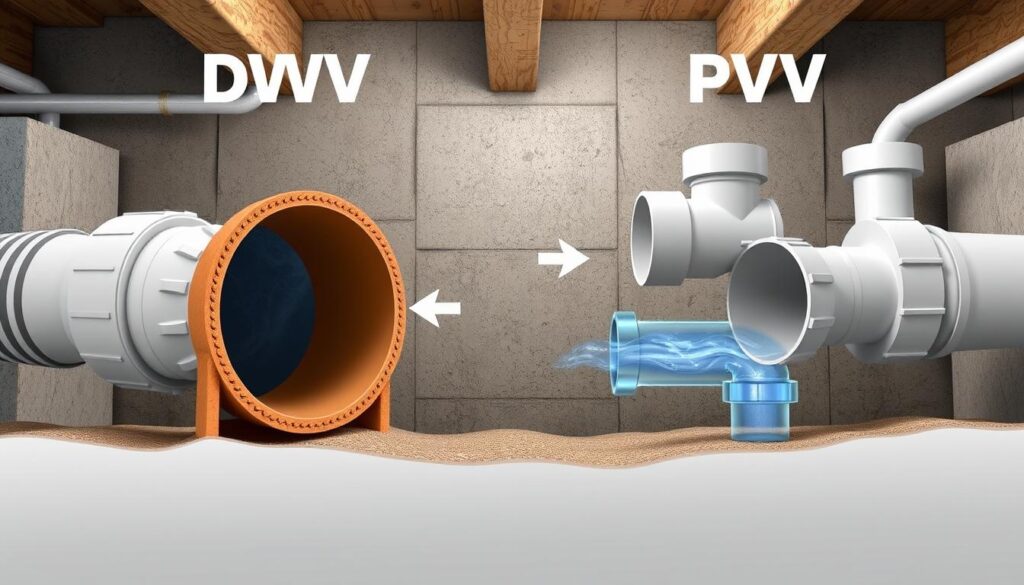
When you’re working on plumbing projects, knowing the difference between DWV and PVC is key. These pipes might look alike, but they have different roles in your home.
DWV pipes are made for drain, waste, and vent systems. They have:
- Thinner walls
- Less strength
- Are for non-pressurized systems
PVC pipes, on the other hand, have their own set of features. Schedule 40 PVC pipes are stronger for many plumbing tasks. They stand out because of:
- Thicker walls
- Can handle low-pressure water
- Are durable for pressurized systems
“Not all pipes are created equal – choose wisely for your specific plumbing requirements.”
Choosing between DWV and PVC depends on your needs. DWV pipes are great for drainage. PVC pipes are better for water lines that need to handle pressure.
Experts say pick the right pipe for your project. This ensures your plumbing works well for a long time.
DWV Pipe Materials and Specifications
Choosing the right dwv pipe is key for a plumbing system’s success. The materials and specs of these pipes affect their performance and lifespan.
Wall Thickness Requirements
Different dwv pipe materials have specific wall thicknesses. These standards ensure the pipes work well and last long. Your choice depends on several important factors:
- Residential building codes
- Anticipated water pressure
- Environmental conditions
- Specific plumbing application
Size Standards and Material Specifications
Knowing the size and material specs is vital for dwv pipe in plumbing systems. Here’s a detailed look at common materials:
| Material | Typical Sizes | Wall Thickness | Best Use |
|---|---|---|---|
| PVC | 1.5″ – 4″ | Schedule 40 | Residential drainage |
| ABS | 2″ – 4″ | Schedule 40 | Cold water applications |
| Cast Iron | 2″ – 6″ | Heavy-wall | Commercial buildings |
Choosing the right dwv pipe involves careful consideration of material properties, building codes, and specific project requirements.
Experts say to pick materials based on local rules, the environment, and drainage needs. Each material has its own benefits that can greatly affect your plumbing system’s performance over time.
Common DWV Installation Methods
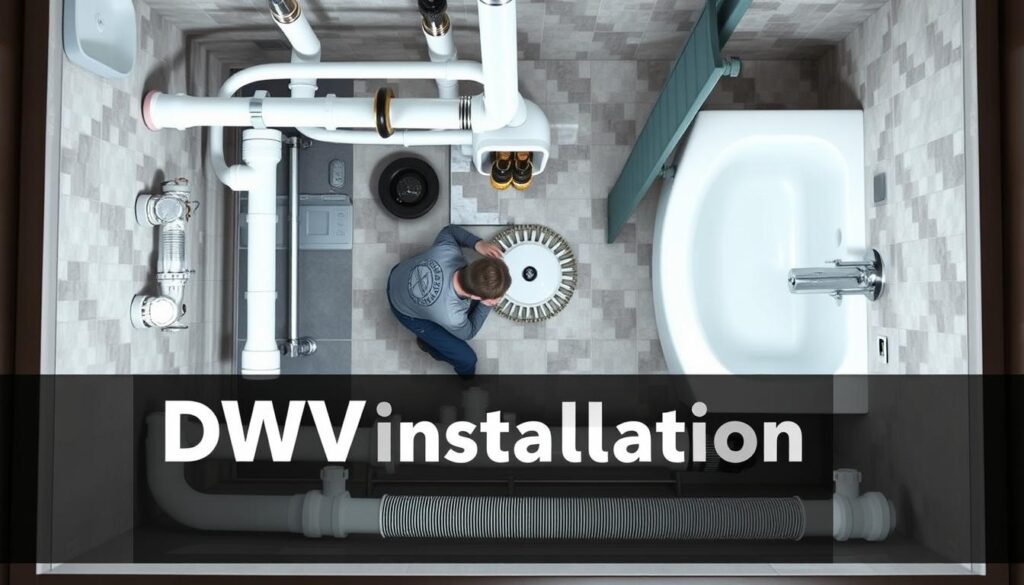
Learning to install DWV plumbing means knowing key techniques. These ensure proper drainage and system function. Professional plumbers use specific methods for efficient waste removal in buildings.
When installing DWV plumbing, focus on several key aspects:
- Proper pipe sizing for optimal water flow
- Correct slope angles for gravity-driven drainage
- Appropriate connection techniques
- Material-specific installation requirements
Different pipe materials need unique installation methods. PVC and ABS pipes use solvent welding for strong, leak-resistant connections. Cast iron pipes, on the other hand, need mechanical joints and special coupling techniques.
Important considerations for DWV plumbing installation include:
- Measuring and cutting pipes precisely
- Ensuring consistent downward slope (typically 1/4 inch per foot)
- Using appropriate sealants and adhesives
- Maintaining recommended pipe distances
Successful DWV plumbing installation needs careful planning and knowledge of local codes. It also requires attention to detail. Professional help prevents drainage issues and ensures system reliability over time.
Building Codes and DWV Requirements
It’s important to know about dwv piping code requirements. They help make sure plumbing systems are safe and work well in homes and businesses. These rules keep us healthy by setting high standards for DWV systems.
Understanding dwv piping code requirements is not easy. There are many important things to pay attention to. Local and national building codes give detailed rules for designing and installing plumbing systems.
Local Plumbing Regulations
Every area has its own rules for dwv piping. These rules deal with things like:
- Pipe material specifications
- Minimum slope requirements
- Fixture unit calculations
- Vent system design
- Connection standards
Safety Standards
Safety is a big deal in DWV system design. Plumbers must follow strict rules to keep us safe and prevent damage.
Important safety points include:
- Stopping sewer gas from getting in
- Ensuring water flows right
- Keeping buildings strong
- Stopping water from getting contaminated
Getting a professional inspection ensures you follow all dwv piping code requirements. It also helps avoid plumbing problems.
Knowing the latest building codes and working with licensed pros is key. It helps keep your plumbing system safe and up to code.
Maintenance and Troubleshooting DWV Systems
Keeping your home’s DWV system in good shape is key. Knowing about DWV fittings and common problems can save you money. It also keeps your plumbing system healthy.
Regular maintenance is important for a smooth DWV system:
- Inspect visible pipes for signs of leaks or corrosion
- Check dwv fittings types for proper alignment and connections
- Clean drain openings to prevent blockages
- Listen for unusual sounds like gurgling or bubbling
Fixing common DWV system problems can save you a lot. Watch for these warning signs:
- Slow drainage in sinks, showers, or toilets
- Unpleasant sewer odors in your home
- Recurring clogs in multiple drain locations
- Water backing up in unexpected places
Some minor issues can be fixed with basic tools and knowledge. But, complex problems need a pro. A licensed plumber can check your system, find weak spots, and suggest fixes.
Preventative maintenance is always more cost-effective than emergency repairs.
Each dwv fitting has its own role in your plumbing. Knowing this helps you spot and fix problems early.
Conclusion
DWV stands for Drain, Waste, and Vent, and it’s key in modern homes. It helps manage wastewater and keeps homes clean. Knowing about DWV plumbing shows how complex our water systems are.
Plumbers know how important DWV systems are. They keep us safe from health risks and ensure water flows right. Every part, from drains to vents, works together to keep our homes clean.
Need to upgrade or fix your DWV plumbing? Get help from certified pros. They follow local rules to keep your plumbing safe and working well. This prevents big problems later.
Keeping your DWV system in check is vital for a healthy home. Regular checks and upkeep can spot issues early. Knowing about DWV plumbing helps you make smart choices for your home’s water needs.