

Affiliate Disclosure
Plumber Guide Guys is a participant in the Amazon Services LLC Associates Program, an affiliate advertising program designed to provide a means for sites to earn advertising fees by advertising and linking to Amazon.
What Does DWV Mean in Plumbing? Ever wondered how water and waste vanish from your home without a mess? The answer is in the mysterious DWV systems. So, what does DWV mean in plumbing, and why is it important?
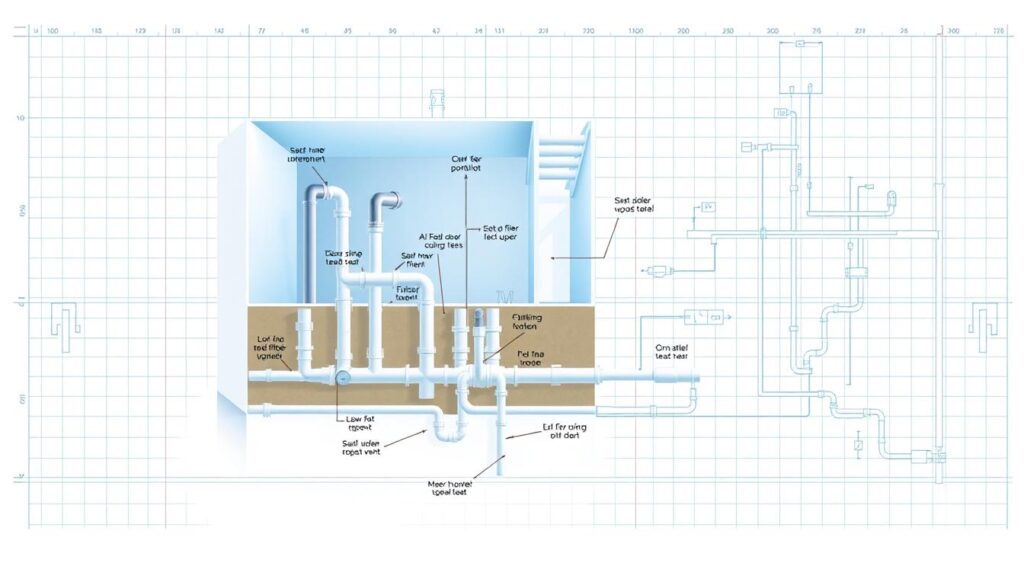
A drain waste vent system is the hero of your home’s plumbing. It works quietly to handle wastewater, remove sewage, and keep air pressure right. Knowing about DWV plumbing helps you see the engineering that keeps your home clean and working well.
Every time you flush a toilet, run a sink, or shower, your DWV system kicks in. It’s a complex network that catches and moves water and waste. This keeps your home clean and comfy.
Key Takeaways
- DWV stands for Drain-Waste-Vent system
- Manages wastewater removal from residential and commercial buildings
- Prevents sewer gases from entering living spaces
- Maintains critical air pressure in plumbing pipes
- Essential for overall home sanitation and hygiene
Table of Contents
Understanding the Basics of DWV Systems
Drain-waste-vent (DWV) systems are key parts of modern plumbing. They help manage waste safely and efficiently in homes and businesses. These systems are important for keeping places clean and healthy.
A DWV system has many important parts. It aims to move waste away from your home and keep sewer gases out. Knowing plumbing terms helps you understand how these systems work.
Definition and Core Components
A DWV system has a few main parts:
- Drain pipes that collect wastewater
- Waste pipes connecting fixtures
- Vent stacks that regulate air pressure
- Traps preventing sewer gas backflow
Historical Development
Over time, DWV systems have gotten much better. Old plumbing was simple, but now we have advanced systems. New materials and designs have made waste management much more efficient.
| Era | Plumbing Characteristics |
|---|---|
| 19th Century | Basic gravity-based systems |
| Mid-20th Century | Introduction of standardized pipe materials |
| Modern Day | Advanced venting and pressure regulation |
Primary Functions in Modern Plumbing
Today, DWV systems do a lot. They move waste away, keep bad gases out, and ensure good drainage. Good venting helps water flow smoothly and avoids plumbing problems.
What Does DWV Mean in Plumbing: A Complete Breakdown
Knowing what DWV means in plumbing is key for both homeowners and professionals. The dwv pipe meaning covers three main parts of a home’s drainage system: Drain, Waste, and Vent. Each part is essential for handling wastewater and keeping the plumbing system healthy.
The drainage part of a DWV system is all about getting water and waste out of your home quickly. When wastewater goes into the system, it moves through special pipes. These pipes are made to carry liquids and solids away from where you live.
- Drain: Collects and removes water from sinks, showers, and appliances
- Waste: Manages solid and liquid waste materials
- Vent: Regulates air pressure and prevents sewer gases from entering the home
Your DWV system has important parts like drain traps. These create a water seal to keep sewer gases out. The U- or P-shaped pipe sections stop bad smells and health risks from getting into your home.
| DWV Component | Primary Function | Key Characteristics |
|---|---|---|
| Drain Pipes | Water Removal | Gravity-based flow system |
| Waste Pipes | Solid Waste Transport | Larger diameter pipes |
| Vent Pipes | Pressure Regulation | Connects to roof or exterior |
Having a well-designed and installed DWV system is vital. It ensures wastewater is managed well, avoiding plumbing problems and keeping your home healthy.
The Essential Components of a DWV System
Your home’s plumbing vent system is key for smooth drainage and good air quality. It has several important parts that work together. These parts manage waste and prevent plumbing problems.
Knowing about the DWV system’s parts helps homeowners understand their plumbing better.
Drain Pipes and Their Functions
Drain pipes are the main way to get rid of wastewater from your home. They come in different materials and sizes. Each is made for specific drainage needs:
- Horizontal drain pipes collect water from fixtures
- Vertical drain pipes move waste downward
- Special pipes are for different home areas
Waste Management Components
Important parts for managing waste in a plumbing system include:
- Traps: Keep sewer gases out of living spaces
- Cleanout plugs for easy maintenance access
- Special fittings for waste flow redirection
Vent Stack Configuration
The vent stack is a vital part of the dwv system. It balances air pressure, letting wastewater flow well. This prevents vacuum effects that could mess with drainage.
Every plumbing system needs proper venting to work well and safely.
How DWV Systems Work in Your Home
Your home’s plumbing system is a complex network. It manages water flow and waste removal. Knowing how it works shows the amazing engineering behind your plumbing.
The plumbing drain terminology is fascinating. It shows how waste management works. Water flowing through pipes creates pressure that needs careful engineering:
- Water moves through horizontal and vertical pipes
- Vents allow air pressure equalization
- Traps prevent sewer gases from entering living spaces
Drainage systems use gravity and precise pipe designs. Your home’s DWV system follows specific rules for waste removal:
| Component | Function |
|---|---|
| Drain Pipes | Carry waste water away from fixtures |
| Vent Stacks | Regulate air pressure in plumbing system |
| Traps | Block sewer gases and prevent backflow |
Proper slope and pipe sizing are key. They prevent clogs and ensure waste removal works well. Gravity does most of the hard work in moving waste through your home’s plumbing.
A well-designed DWV system protects your home’s sanitation and comfort.
DWV Pipe Materials and Specifications
Choosing the right pipe materials is key for a plumbing system’s long life. DWV pipe specs have changed a lot, giving homeowners better options for drainage and waste systems.
Today, DWV systems mainly use PVC and ABS plastic pipes. These materials are light, don’t corrode, and work better than old metal pipes.
PVC DWV vs Schedule 40 Pipes: Key Differences
There are big differences between dwv and pvc pipes:
- Thickness: Schedule 40 pipes are thicker and handle more pressure
- Cost: DWV pipes are cheaper for drainage systems
- Weight: PVC DWV pipes are lighter and simpler to install
Material Durability and Longevity
Modern DWV pipes are made to last. PVC and ABS pipes resist:
- Chemical corrosion
- Temperature changes
- Mechanical damage
Your plumbing system can now last decades with little upkeep. This is a big step up from older materials like cast iron or clay.
Proper Venting in DWV Systems
Understanding your home’s plumbing vent system is key to a healthy drainage network. Venting helps prevent plumbing problems and ensures waste is removed smoothly.
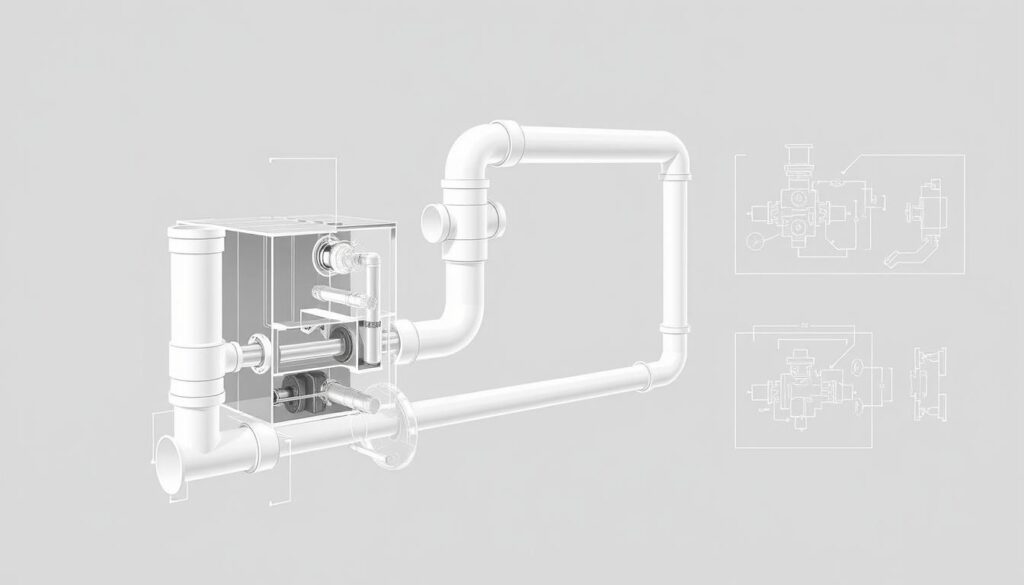
A plumbing vent system does more than you might think. Its main jobs include:
- Balancing air pressure in drain pipes
- Stopping negative pressure that could mess with water flow
- Keeping sewer gases out of your home
- Keeping drain trap seals from being pulled away
Different vents have their own roles in your plumbing. Stack vents go up through your roof. Branch vents link several fixtures to the main vent stack.
| Vent Type | Primary Function | Typical Location |
|---|---|---|
| Stack Vent | Main air pressure regulation | Roof penetration |
| Branch Vent | Connecting multiple fixtures | Between fixtures |
| Air Admittance Valve | Localized pressure equalization | Under sinks or behind walls |
Building codes say vent stacks should be about 5 feet from the fixtures they serve. This close distance helps manage pressure and avoids drainage problems in your home.
Common DWV Installation Requirements
Installing a DWV system needs careful attention and strict standards. Your project’s success depends on knowing the key requirements. These ensure safe and efficient waste management in your home.
Professional plumbers face strict dwv plumbing code rules. These rules cover every part of system design and setup. They protect public health and ensure waste is disposed of properly.
Code Compliance Essentials
Following local and national dwv pipe specs is a must. Important requirements include:
- Proper pipe slope for optimal drainage
- Correct pipe sizing based on fixture units
- Appropriate venting to prevent pressure buildup
- Material selection meeting safety standards
Professional Installation Guidelines
Installing a DWV system needs precision and skill. Here are key guidelines:
- Ensure minimum recommended pipe slopes
- Use appropriate pipe supports and hangers
- Implement proper connections and joints
- Conduct thorough pressure testing
| Installation Requirement | Specification | Typical Standard |
|---|---|---|
| Pipe Slope | Minimum Gradient | 1/4 inch per foot |
| Pipe Support | Maximum Spacing | 4 feet horizontal, 10 feet vertical |
| Vent Pipe Size | Minimum Diameter | 2 inches for most residential applications |
By following these guidelines, you’ll build a strong DWV system. It will meet all safety and performance standards.
Maintenance and Troubleshooting DWV Systems
Keeping your dwv drain system in good shape is key. It needs regular care and knowing plumbing terms. This way, you avoid expensive fixes and keep your home’s drainage working well.
Here are some important steps for DWV system upkeep:
- Do regular checks on your drain pipes
- Keep drain traps clean to stop clogs
- Choose enzymatic cleaners over harsh chemicals
- Look for blockages or damage in the vent stack
Be on the lookout for signs of DWV system trouble:
- Slow drainage – might mean a clogged pipe
- Strange gurgling sounds from your pipes
- Bad sewer smells
- Water backing up in your fixtures
If you notice problems, try simple fixes first. Use a plunger or drain snake. But if issues persist, call in a pro. They can use special cameras to find hidden issues.
Preventive care is cheaper than fixing big problems. Knowing plumbing terms helps you talk to experts and keep your system running smoothly.
Benefits of Modern DWV Systems
Modern DWV systems have changed the game in plumbing. They use new tech and materials. This means your plumbing is now more efficient, performs better, and lasts longer than old systems.
Looking at dwv vs pvc, today’s systems are way ahead. They offer big improvements in many areas:
- Enhanced waste management capabilities
- Reduced maintenance requirements
- Superior corrosion resistance
- Longer operational lifespan
Efficiency and Performance Advantages
DWV pipe specs have gotten a lot better. This means waste moves smoothly and drains well. The latest designs cut down on clogs and keep water flowing.
| Performance Metric | Traditional Systems | Modern DWV Systems |
|---|---|---|
| Corrosion Resistance | Low | High |
| Installation Complexity | Complex | Simplified |
| Lifespan | 15-25 years | 30-50 years |
Cost-Effectiveness and Durability
Modern DWV systems are a smart choice for homeowners. They cost about the same to install but save money in the long run. They also last longer.
New materials like Schedule 40 PVC are now the norm. They’re durable and cost-effective, beating out old cast iron systems.
DWV System Design Considerations
Creating a good plumbing vent system needs careful planning and attention to important details. The dwv plumbing code gives key guidelines for a working drainage system. It helps remove waste well and avoids problems.
- Pipe Slope Gradient
- Fixture Placement
- Vent Stack Configuration
- Building Structure Requirements
The slope of drain pipes is very important for waste removal. Experts say to keep a minimum fall of 1/4 inch per foot. This helps move waste smoothly and prevents blockages.
| Design Consideration | Recommended Approach |
|---|---|
| Pipe Slope | 1/4 inch per foot minimum |
| Vent Placement | Within 5 feet of each fixture |
| Pipe Diameter | Match fixture drain size |
Your plumbing vent system must handle unique building challenges. Buildings with many floors need special venting to keep air pressure right. A professional plumber can make sure your system follows local codes and works well.
Proper design prevents costly future repairs and maintains system integrity.
Knowing these design points helps make a strong DWV system. It will manage waste well for many years.
Safety and Health Aspects of DWV Systems
Your home’s dwv drain system is key to keeping your family safe and healthy. It stops harmful stuff from getting into your home. Knowing how it works is important for a safe living space.
Plumbing terms show that keeping sewer gas out is a big deal. DWV systems have special features to keep you safe from bad gases and germs.
Prevention of Sewer Gas Entry
Sewer gases can be very harmful. They can cause:
- Exposure to methane
- Potential respiratory irritants
- Risk of toxic chemical exposure
Importance of Proper Trapping
Traps keep sewer gas out of your home. Each fixture needs a trap that makes a water seal. This stops bad gases from getting in.
For traps to work well, consider these:
- Maintaining consistent water seal depth
- Preventing trap siphoning
- Ensuring proper slope and drainage
Plumbing codes strictly prohibit double trapping due to clogging and reduced system efficiency. Getting it installed right and keeping it up is key for safety and efficiency.
Conclusion
Knowing what DWV means in plumbing is key to a clean and comfortable home. The drain waste vent system helps manage water flow and keeps waste away. It also ensures good air circulation in your plumbing.
Learning about DWV systems helps you make smart choices about upkeep and upgrades. A well-designed system keeps your plumbing running smoothly. This prevents health risks and damage to your home.
Understanding DWV systems can save you money over time. Getting it installed right, keeping it maintained, and following local codes are vital. They help create a strong plumbing system that keeps your home safe and healthy.
A good DWV system is not just about pipes and vents. It’s a key part of your home’s function and comfort. By focusing on its design and upkeep, you protect your home. You also ensure clean water management for many years.