

Affiliate Disclosure
Plumber Guide Guys is a participant in the Amazon Services LLC Associates Program, an affiliate advertising program designed to provide a means for sites to earn advertising fees by advertising and linking to Amazon.
What Does CTS Stand For In Plumbing? Ever wondered about the secret codes plumbers use? Knowing what CTS means can save you time and money. It also helps avoid installation problems.
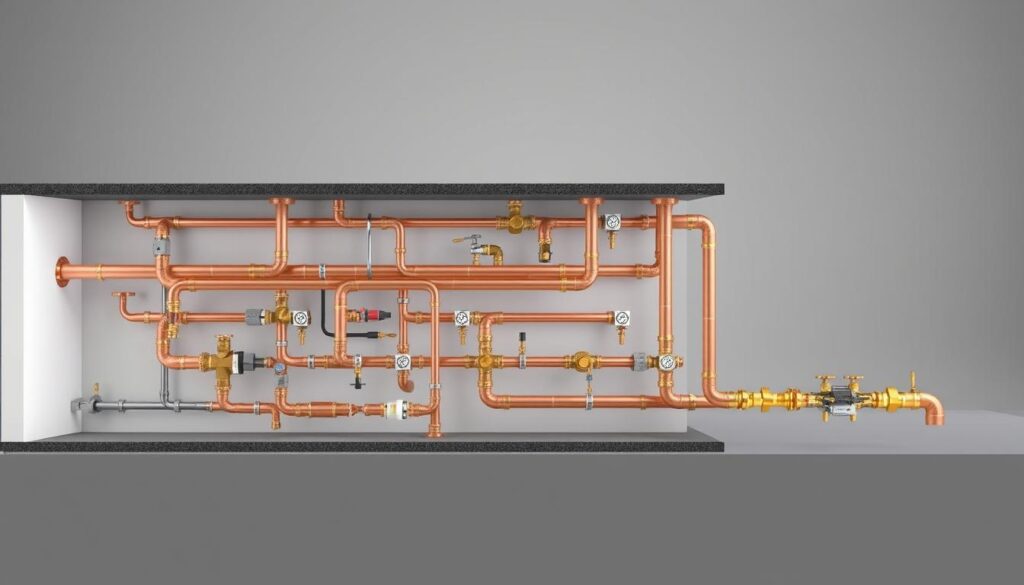
CTS means Copper Tube Size. It’s a key standard in plumbing. It helps both pros and homeowners pick the right pipes for their needs.
This guide will make CTS easy to understand. You’ll learn about plumbing codes and how they work. Whether you’re fixing pipes yourself or working as a contractor, knowing CTS is key.
Key Takeaways
- CTS represents Copper Tube Size in plumbing systems
- Standardized measurements ensure consistent pipe sizing
- Understanding plumbing abbreviations helps prevent installation errors
- CTS is key for picking the right pipes
- Contractors use CTS for accurate pipe specs
Table of Contents
Understanding CTS in Plumbing Systems
Copper Tube Size (CTS) is key in modern plumbing. It helps both pros and homeowners with pipe sizes. Knowing CTS is vital for installing and keeping water systems running well.
Plumbing experts use exact measurements and standard sizes for good water flow. CTS makes sure all pipes fit together right.
Definition and Basic Terminology
CTS is a set of rules for copper tubes in plumbing. It covers:
- Nominal pipe diameter
- Wall thickness specifications
- Material composition
- Pressure ratings
Historical Development of CTS Standards
The CTS standards have grown over time. They show the plumbing world’s focus on quality and performance. These standards help make sure all pipes work together well.
“Standardization in plumbing ensures safety, efficiency, and compatibility across diverse systems.” – Plumbing Engineering Association
Importance in Modern Plumbing
CTS is very important today because it:
- Makes sure pipe sizes are exact
- Makes designing systems easier
- Helps all pipes work together
- Supports new ways of moving water
| CTS Characteristic | Description |
|---|---|
| Certification | NSF International Certified |
| Standard | ASTM D 2846 |
| Application | Hot and Cold Water Distribution |
Knowing about copper tube size helps you make better choices for your plumbing. It ensures your system works well and lasts long.
What Does CTS Stand For In Plumbing
In the plumbing world, you’ll find many confusing abbreviations. CTS stands for Copper Tube Size. It’s a key standard that both pros and DIY folks need to know.
Abbreviations like CTS make plumbing easier by setting pipe sizes. CTS is for copper tubing, unlike other sizes. It makes plumbing work consistent and accurate everywhere.
- CTS measures copper tubing’s outer diameter
- Provides standardized sizing for plumbing components
- Critical for selecting correct pipe and fitting connections
Knowing what CTS means in plumbing is more than just knowing a term. It’s about picking the right pipes, making sure they fit together right, and working well in homes and businesses.
| CTS Type | Wall Thickness | Primary Application |
|---|---|---|
| Type K | Thickest | Underground water lines |
| Type L | Medium | Interior water supply |
| Type M | Thinnest | Residential plumbing |
Learning about CTS and other plumbing terms will help you feel more sure when working on plumbing projects. You’ll make better choices about which pipes to use and how to install them.
Comparing CTS vs IPS Pipe Standards
It’s important to know the difference between CTS (Copper Tube Size) and IPS (Iron Pipe Size) for plumbers and DIY fans. These systems are key in plumbing today.
Size Differences and Applications
CTS and IPS pipes differ in size. CTS pipes are smaller and better for homes and small businesses. IPS pipes are bigger and used for heavy-duty jobs.
- CTS pipes are often used in residential water distribution systems
- IPS pipes excel in industrial and heavy-duty applications
- Diameter ranges differ significantly between the two standards
Material Specifications
CTS and IPS pipes are made of different materials. CTS pipes are usually CPVC, copper, or PEX. IPS pipes are steel or cast iron.
| Characteristic | CTS Pipes | IPS Pipes |
|---|---|---|
| Typical Materials | CPVC, Copper, PEX | Steel, Cast Iron |
| Common Applications | Residential Water Supply | Industrial Systems |
| Pressure Ratings | Lower Pressure Tolerance | Higher Pressure Capacity |
Installation Requirements
Installing CTS and IPS pipes is different. CTS pipes need less special tools and are easier to use in homes.
- Measure pipe dimensions carefully
- Select appropriate connection methods
- Use compatible joining techniques
- Verify pressure and temperature ratings
Knowing these differences helps you choose the right pipe for your project.
CTS CPVC Pipe Specifications and Measurements
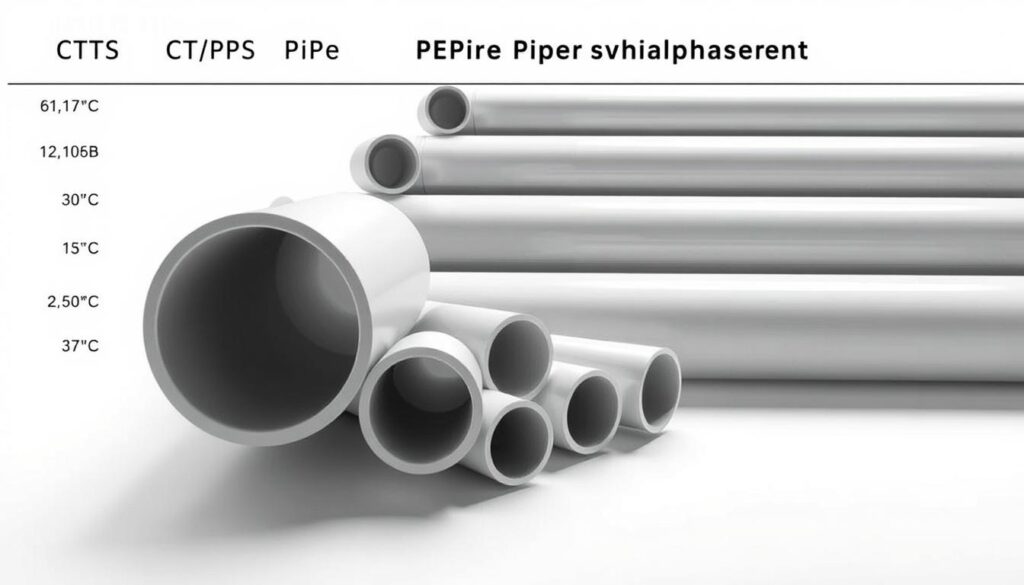
Knowing about CTS pipe diameter and copper plumbing measurements is key for plumbing success. CPVC (Chlorinated Polyvinyl Chloride) pipes stand out in the plumbing world with their unique specs.
CTS pipe diameters match standard copper sizes. This makes them easy to install in various plumbing systems.
- Typical CTS pipe diameters range from 1/2 inch to 2 inches
- Matches standard copper pipe sizing for seamless replacement
- Pressure ratings vary based on pipe diameter and material thickness
Spears® EverTUFF® CTS CPVC pipes perform well. They can handle 100 psi at 180°F and 400 psi at 73°F. These numbers show how strong CPVC pipes are today.
When picking CTS pipes, think about a few things:
- Pipe diameter matching existing plumbing
- Pressure and temperature needs
- What your project requires
Professional tip: Always check exact measurements and pressure ratings with the manufacturer before you start.
Benefits of CTS Plumbing Systems
Choosing the right water supply pipe standards is key for your home’s plumbing. CTS (Copper Tube Size) plumbing systems are great for homes and businesses. They offer many benefits.
Knowing the benefits of CTS plumbing helps you choose wisely. Let’s look at the main advantages of these systems.
Cost-Effectiveness
CTS plumbing systems are a smart investment. They use copper tube size, which means:
- Lower material costs than traditional metal pipes
- Less money spent on installation
- Less need for maintenance over time
Durability and Longevity
Choosing the right water supply pipe standards is important. CTS CPVC products are very durable. They have special features:
| Feature | Benefit |
|---|---|
| Corrosion Resistance | Never rusts or scales |
| Material Strength | Can handle high pressure |
| Lifespan | Lasts longer |
Easy Installation Process
CTS plumbing systems are easy to install. This saves you time and money. Lightweight materials and simple connections make them easy for anyone to use.
Choosing CTS plumbing means you’re getting a reliable, efficient, and affordable water solution. It will last for many years.
Common Applications of CTS in Residential Plumbing
Copper Tube Size (CTS) plumbing systems have changed how water is distributed in homes. They work well in many types of houses, from old to new. This makes them a great choice for many homeowners.
CTS systems are useful in many places, like:
- Traditional single-family homes
- Recreational vehicles
- Modular homes
- Mobile home installations
CTS pipes are known for their exact sizes, which help water flow better. They work well with both hot and cold water. This makes them a top pick for those who want dependable plumbing.
“CTS pipes represent the pinnacle of modern residential plumbing technology, combining durability with precision engineering.”
CTS pipes have many benefits for homes, including:
- Flexible installation options
- Consistent water quality
- Energy-efficient design
- Long-lasting performance
Knowing about plumbing terms helps homeowners choose the right water system. CTS pipes are a smart, efficient choice for homes of all kinds.
Working Pressure and Temperature Ratings of CTS Systems
It’s important to know how well CTS pipe systems work. This is key for safe and efficient water supply setups. Knowing your plumbing system’s limits is essential.
CTS pipe sizes affect how well a system works. Each size has its own pressure and temperature limits. These limits are important for both homes and businesses.
Maximum Pressure Ratings
Standards for water pipes set certain pressure limits for CTS systems. These limits are usually:
- 100-160 PSI for standard homes
- Up to 200 PSI for commercial places
- They can change based on the pipe’s material and size
Temperature Limitations
CTS CPVC products can handle high temperatures well. They can safely go up to 180°F (82°C). This makes them good for many water supply needs.
Safety Considerations
Following the maker’s advice on pressure and temperature is vital. Going over these limits can harm the pipe. It might even cause big problems.
Proper installation and regular checks are important. They help keep your CTS plumbing system safe and working right.
Installation Guidelines for CTS Plumbing
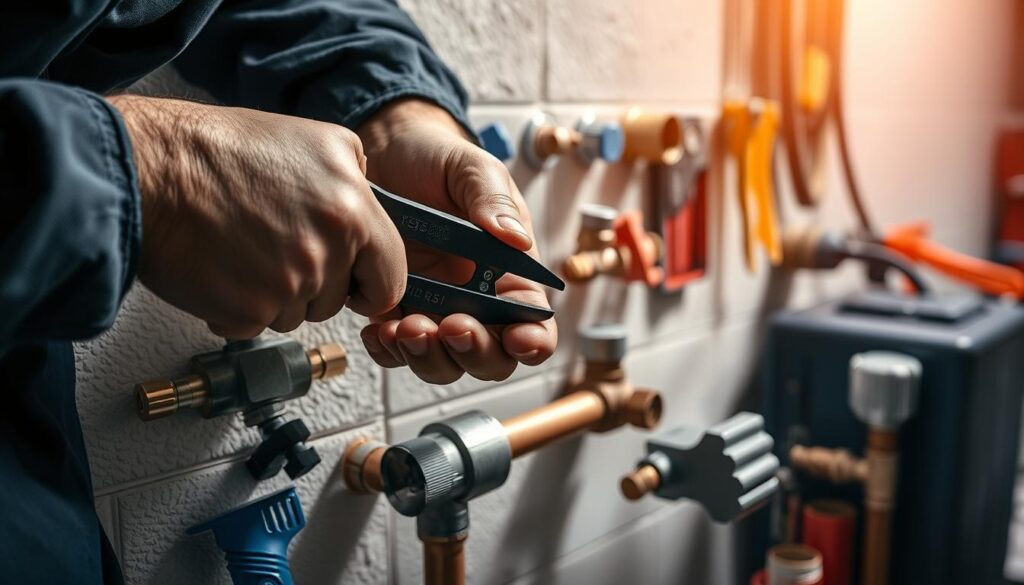
Installing CTS plumbing needs precision and careful attention to measurements. Knowing the right dimensions and techniques is key for a reliable water system. Proper preparation is essential for a leak-free installation.
Before starting your CTS plumbing project, make sure you have these tools:
- Pipe cutter designed for copper plumbing measurements
- Deburring tool
- Cleaning solution
- Appropriate solvent cement
- Measuring tape
Here are the critical steps for a professional installation:
- Measure the pipe precisely using accurate copper plumbing measurements
- Cut the pipe squarely using a dedicated pipe cutter
- Remove any burrs from the pipe end
- Clean both pipe and fitting surfaces thoroughly
- Apply solvent cement evenly
- Join the components quickly before cement sets
Pro tip: Always check the manufacturer’s specific guidelines for working pressure ratings and temperature limitations. Spears® EverTUFF® CTS CPVC fittings typically have a continuous working pressure rating of 100 psi at 180°F. But, this can vary based on specific product specifications.
Precision in plumbing fitting dimensions guarantees a secure and efficient water distribution system.
After installation, do a pressure test to check the connections. This step helps find any leaks or weak points in your plumbing system before they become expensive problems.
Maintenance and Troubleshooting CTS Systems
Keeping your CTS plumbing system in good shape is easy. CPVC CTS products are tough and don’t get damaged easily. Knowing about plumbing terms helps you check things regularly and avoid problems.
Here’s what you need to do to keep your copper tube size systems running smoothly:
- Inspect visible pipe connections every three months
- Look for any signs of leaks or moisture
- Make sure the pipes are supported and straight
- Wipe down the pipe surfaces now and then
Here are some common issues you might face with CTS systems:
| Issue | Potential Cause | Recommended Action |
|---|---|---|
| Minor Leaks | Loose Connections | Tighten fittings or replace damaged sections |
| Reduced Water Pressure | Pipe Blockage | Inspect and clean pipe interior |
| Pipe Discoloration | Chemical Reaction | Consult professional plumber |
Even though CTS systems are built to last, it’s smart to have a pro check them every few years. Regular checks and quick fixes can save you money and keep your system working well for longer.
Remember: Regular inspection and timely intervention are key to maintaining a healthy CTS plumbing system.
Conclusion
Exploring what CTS stands for in plumbing shows a key part of today’s water systems. Copper tube size (CTS) standards are vital for making plumbing systems work well. They help in both homes and businesses.
CTS CPVC systems are great for everyone. They are safe for drinking water, thanks to NSF® International. Choosing CTS means you get a system that lasts, saves money, and follows the rules.
Learning about copper tube size standards is very important. It helps you pick the right pipes and install them correctly. Keeping up with plumbing tech means you use the best systems out there.
As plumbing tech gets better, knowing CTS is more important than ever. By learning about these standards, you can make water systems better. They will be safe, efficient, and last a long time.