
Affiliate Disclosure
Plumber Guide Guys is a participant in the Amazon Services LLC Associates Program, an affiliate advertising program designed to provide a means for sites to earn advertising fees by advertising and linking to Amazon.
Should I Buy a House with Galvanized Plumbing? Sarah and Mike found their dream home—a charming 1950s bungalow. They were excited but didn’t know about the plumbing issue. A home inspector told them the house had original galvanized pipes, making them worried.
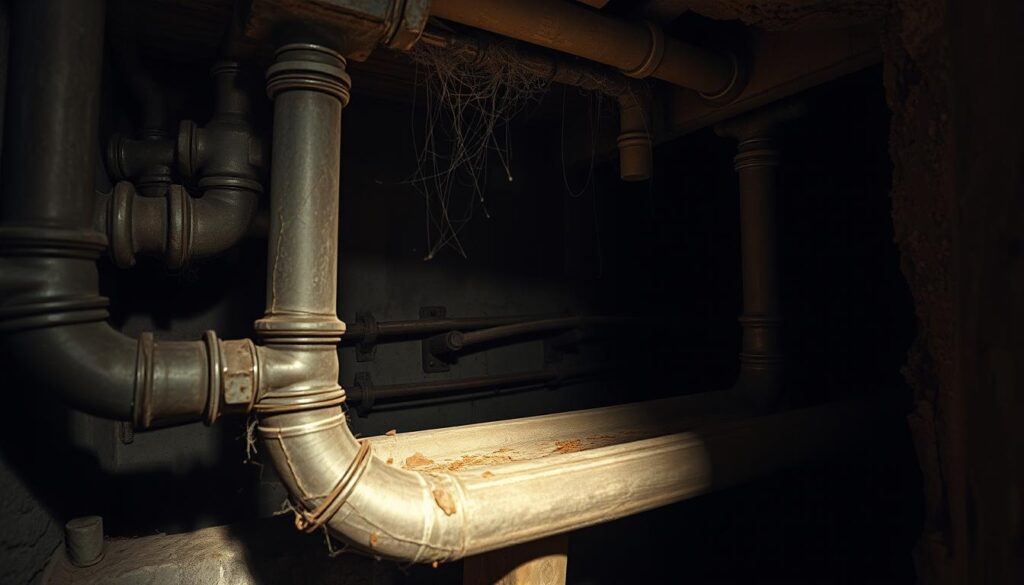
When buying an older home, knowing about galvanized plumbing is key. These pipes were common before 1960 but pose risks. Homebuyers should think carefully about the challenges they might face.
Buying a home with galvanized pipes isn’t a total no-go. But, you need to check the pipes’ age, condition, and replacement costs. These factors can greatly affect your decision.
Key Takeaways
- Galvanized pipes were common in homes built before 1960
- These pipes have a limited lifespan of 40-50 years
- Potential health and water quality risks exist
- Replacement can be expensive and complex
- Professional inspection is critical before purchasing
Table of Contents
Understanding Galvanized Plumbing: What It Is and Its History
Galvanized plumbing is a key part of home water system history. These steel pipes, coated with zinc, were once the mainstay of homes. Knowing about galvanized water lines helps us see the journey of plumbing innovation.
The Evolution of Home Plumbing Systems
Home plumbing has changed a lot over the years. Galvanized pipes were a big step forward, replacing dangerous lead pipes in the early 1900s. From the 1930s to the 1960s, many homes used these pipes, hoping to fix water contamination issues.
- Early 1900s: Lead pipes were primary water distribution method
- 1930-1960: Peak era of galvanized water lines installation
- 1960 onwards: Gradual transition to copper and plastic pipes
How Galvanized Pipes Are Made
Making galvanized pipes involves coating steel with zinc. This zinc layer was meant to stop corrosion and make the pipes last longer. The process involves dipping raw steel pipes in hot zinc, creating a strong protective layer.
The Era of Galvanized Pipe Installation
Galvanized pipes were seen as a big leap forward when they were first used. They seemed strong and durable. But, they only last about 40-50 years before problems start.
The zinc coating was meant to protect pipes, but time inevitably reveals its limitations.
The Typical Lifespan of Galvanized Pipes
Homeowners need to know that galvanized pipes have a limited lifespan. Experts say these pipes usually last between 40 to 50 years. This depends on many factors, like water quality and pH levels.
The lifespan of galvanized pipes can change a lot. It depends on:
- Water quality and pH levels
- Installation techniques
- Pipe thickness and zinc coating
- Environmental conditions
- Maintenance practices
Galvanized water lines problems often emerge well before homeowners expect them to fail. The zinc coating wears off, exposing the steel to corrosion and rust. Homes built before 1960 are more likely to need pipe replacement.
“The average lifespan of galvanized pipes is much shorter in reality than original manufacturers’ predictions,” says plumbing expert Robert Martinez.
Your home’s pipes are unique. Regular checks can show how your pipes are doing. This helps you know when you might need to replace them.
In general, galvanized pipes need to be replaced after 40-50 years. But, some might last up to 70 years if conditions are perfect. Getting a professional to check your pipes is the best way to know for sure.
Common Problems with Galvanized Plumbing Systems
Galvanized water lines can cause big problems for homeowners. These old pipes have many issues. They affect your home’s water quality, safety, and plumbing system.
Corrosion and Rust Issues
Galvanized pipes start to corrode and rust over time. The zinc coating inside these pipes wears off. This leads to:
- Rusty, discolored water
- Reduced water flow
- Metallic taste in drinking water
- Visible rust particles
Water Pressure Problems
Mineral buildup in galvanized pipes causes water pressure issues. These blockages make it hard for water to move. This results in:
- Inconsistent water pressure
- Reduced hot water performance
- Uneven distribution across different fixtures
Health and Safety Concerns
The biggest risk with galvanized pipes is contamination. Corroded pipes can leak:
- Lead particles from deteriorating pipe coatings
- Harmful sediment into drinking water
- Increased risk of bacterial growth
Knowing about these problems helps you make better choices for your home’s plumbing.
Should I Buy a House with Galvanized Plumbing
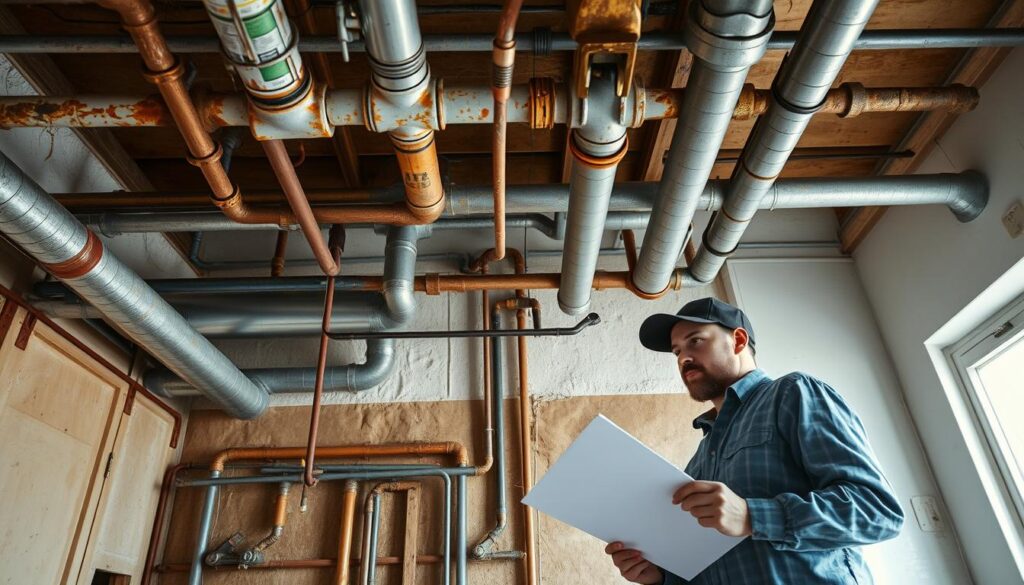
Buying a house with galvanized plumbing needs careful thought. Older homes often have galvanized pipes, which can affect your decision. These pipes can lead to higher maintenance costs and lower home value.
Before you decide, consider a few key points:
- Age of the plumbing system
- Current pipe condition
- Potential replacement costs
- Water quality and possible health risks
Experts say to be cautious with older homes and galvanized pipes. Hidden problems can be a big issue. A professional inspection is key to understanding plumbing issues.
| Consideration | Potential Impact |
|---|---|
| Pipe Age | Higher risk of corrosion and failure |
| Replacement Cost | $2,000 – $15,000 depending on home size |
| Water Quality | Potential lead contamination and rust |
When buying an older home, use the plumbing condition to negotiate. You might ask for a lower price or for the seller to replace the pipes before you buy.
Professional home inspectors can give a detailed look at your plumbing system’s condition and risks.
Deciding to buy a house with galvanized plumbing depends on renovation costs and the home’s value. Make sure it fits your budget for future repairs.
Cost Analysis: Replacing Galvanized Pipes
Replacing galvanized pipes is a big home improvement project. It needs careful planning to fit your budget. The cost to replace galvanized pipes can range from $2,000 to $15,000. This depends on your home’s specific needs.
Labor Costs and Project Timeline
Repiping a home usually takes 1-2 days for an average-sized home. Labor costs can add up, with contractors charging $45 to $200 per hour. The total labor cost depends on several factors:
- Home square footage
- Complexity of existing plumbing system
- Accessibility of pipe locations
- Local labor rates
Material Options and Pricing
When you choose to repipe with copper or other materials, prices vary. Here are the main options:
- Copper Pipes: Most durable, but most expensive ($2-$5 per linear foot)
- PEX Piping: Flexible and cost-effective ($0.50-$2 per linear foot)
- CPVC Pipes: Affordable plastic option ($1-$3 per linear foot)
Additional Expenses to Consider
There are extra costs to consider beyond the basic replacement:
- Permit fees ($50-$500)
- Wall and ceiling repairs
- Potential water damage restoration
- Inspection costs
Getting a professional assessment can help you understand the full cost of your project. It can also prevent unexpected expenses.
Impact on Home Insurance and Property Value
Galvanized pipes can really impact your home’s insurance and value. Insurance companies are getting more careful about homes with old plumbing. This can make it hard to get coverage or keep premiums low.
When looking at insurance for homes with galvanized pipes, you might face some issues:
- Higher insurance premiums due to increased risk
- Potential coverage restrictions
- Mandatory pipe replacement requirements
The value of your home with galvanized pipes can drop a lot. Buyers often see these pipes as a warning sign. They worry about expensive repairs and water damage in the future.
| Plumbing System | Insurance Impact | Property Value Effect |
|---|---|---|
| Galvanized Pipes | High Risk Rating | Potential 10-15% Value Reduction |
| Modern Copper/PEX | Low Risk Rating | Neutral to Positive Impact |
Pro tip: Before buying a home with galvanized pipes, get a professional inspection. Also, talk to insurance providers about coverage and replacement costs.
“Outdated plumbing can be a silent value killer in real estate transactions.” – Real Estate Experts
Signs of Failing Galvanized Plumbing
It’s important for homeowners and buyers to spot problems with galvanized plumbing early. Catching issues early can avoid expensive fixes and water damage. A detailed inspection can find major problems before they get worse.
Galvanized water lines show problems in unique ways. Knowing these signs helps you spot plumbing issues fast.
Visual Inspection Guidelines
When inspecting galvanized plumbing, look for these signs:
- Visible rust or reddish-brown discoloration on pipe surfaces
- Flaking or scaling of pipe exteriors
- Mineral buildup around pipe connections
- Signs of water leakage or water stains near pipe joints
Water Quality Indicators
Your water can hint at galvanized plumbing issues:
- Discolored water – Rust-colored or brownish water when first turned on
- Metallic or unusual taste in drinking water
- Reduced water clarity
- Presence of sediment or small rust particles
Pressure Test Results
Plumbers use special tests to find hidden problems in galvanized plumbing. These tests check water flow and find hidden blockages or weak spots.
Remember, early detection of galvanized plumbing problems can prevent extensive damage and costly repairs.
Modern Alternatives to Galvanized Pipes
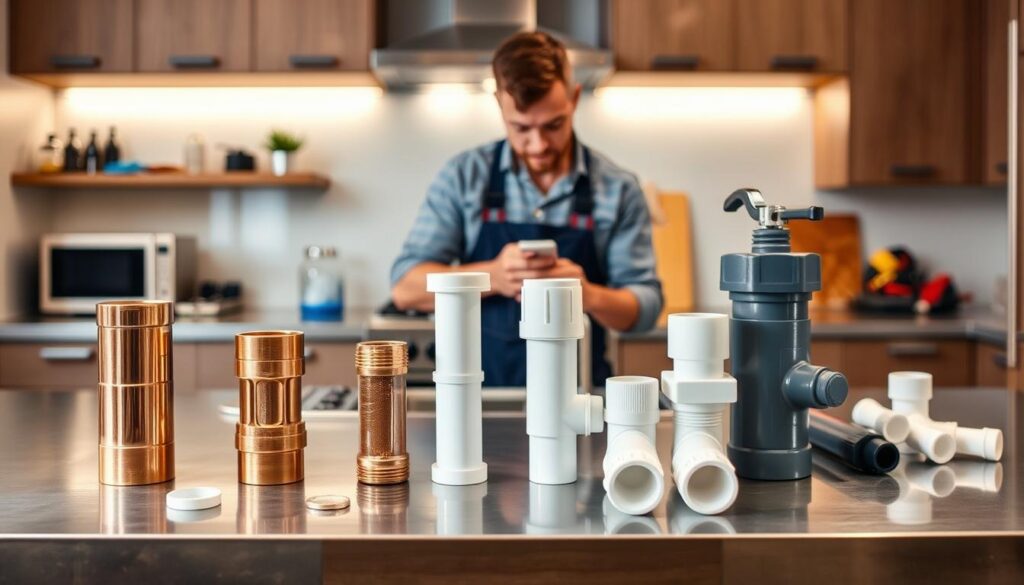
Homeowners have many great options when it’s time to replace galvanized pipes. Choosing the right one can make your water better and avoid future plumbing issues.
Two top choices are copper and PEX pipes. Each has its own benefits for your home’s water system:
- Copper Pipes
- Extremely durable
- Resistant to bacterial growth
- Long-lasting performance
- PEX Pipes
- Flexible installation
- Lower galvanized pipe replacement cost
- Excellent corrosion resistance
It’s important to know the cost of replacing galvanized pipes. Even though it might cost a lot upfront, the long-term benefits are worth it.
| Pipe Material | Lifespan | Cost per Linear Foot | Installation Complexity |
|---|---|---|---|
| Copper | 50-70 years | $2-$5 | Moderate |
| PEX | 40-50 years | $1-$3 | Low |
What’s best for your home depends on your specific needs. Talking to a professional plumber can help you choose the right option.
Home Inspection and Galvanized Pipe Assessment
Buying an older home with galvanized pipes means a detailed home inspection is key. Home inspectors are essential in spotting plumbing problems. These issues can affect your investment and future upkeep costs.
Inspectors look at several important things during a galvanized plumbing check:
- Pipe condition and visible corrosion
- Water pressure and flow rates
- Signs of rust or mineral buildup
- Potential leak points
Your home inspector will give you a detailed report on the galvanized plumbing system. This report is very important when negotiating the home purchase.
Some plumbing checks might include:
- Camera pipe inspections
- Water quality testing
- Pressure diagnostics
- Comprehensive pipe material analysis
It’s important to ask for full disclosure documents. Also, know the local rules about plumbing system reports. Some places require sellers to tell about galvanized pipes, which can change your buying decision.
A thorough inspection could save you thousands in future repairs.
Always talk to a professional home inspector who knows older plumbing systems. This will help you make a smart choice about your home purchase.
Conclusion
Thinking about buying a house with galvanized plumbing? You need to think carefully and plan well. Older homes with galvanized pipes come with their own set of challenges. You’ll have to check the property’s condition and how much fixing it might cost.
First, understand the plumbing system’s state. Home inspections can show you the pipes’ condition, water quality issues, and how much fixing them will cost. This info helps you decide if the house is worth it, despite its old plumbing.
Planning your budget is key when dealing with galvanized pipes. These pipes can be risky, but they don’t mean you can’t buy the house. Talk about fixing or replacing the pipes with the seller. Also, save money for future plumbing upgrades.
Your choice to buy a house with galvanized plumbing depends on several things. These include the pipes’ condition, your budget, your long-term plans for the house, and if you’re ready to fix the plumbing. With the right planning and advice, you can handle the plumbing issues and make the house your own.