

Affiliate Disclosure
Plumber Guide Guys is a participant in the Amazon Services LLC Associates Program, an affiliate advertising program designed to provide a means for sites to earn advertising fees by advertising and linking to Amazon.
Is Water Heater Plumbing or HVAC? Ever thought about where your water heater fits in? Plumbing or HVAC? This question confuses many in the U.S. Water heaters are key to home comfort, but figuring out where they belong can be tricky.
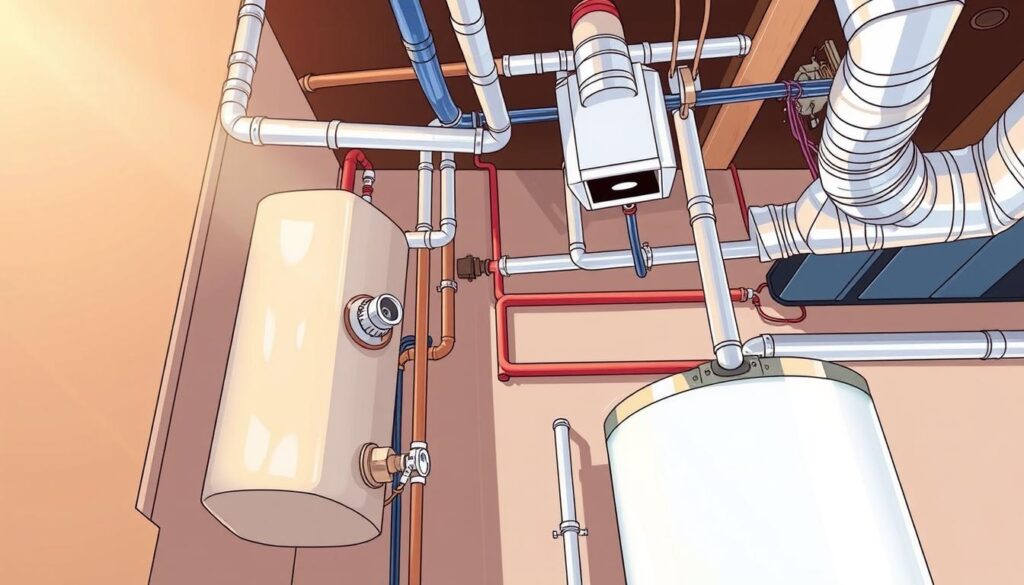
Knowing if your water heater is plumbing or HVAC matters a lot. It affects how you keep it running smoothly. Plumbers and HVAC experts often disagree on this.
This guide will clear up the confusion. We’ll dive into the world of water heaters. We’ll look at their parts, how they work, and what experts need to know.
Key Takeaways
- Water heaters bridge the gap between plumbing and HVAC systems
- Professional classification depends on specific system type
- Understanding your water heater helps with better maintenance
- Different water heater types require unique installation approaches
- Expertise from both plumbing and HVAC professionals may be needed
Table of Contents
Understanding Water Heater Systems: The Basics
Water heaters are key appliances in our homes, giving us hot water every day. Choosing the right one is important for saving energy and keeping your home running well.
Today, we have many water heating options. Each has its own good points. Knowing about these helps us make smart choices for fixing and installing our water heaters.
Primary Water Heater Types
- Conventional Tank Water Heaters: Store and heat water in a large tank
- Tankless Water Heaters: Heat water on-demand without storage
- Heat Pump Water Heaters: Extract heat from surrounding air to warm water
Core Functional Principles
Water heaters work by adding heat to water for us to use. The way they do this changes with each type. Each design has its own strengths in saving energy and working well.
Key System Components
- Heating element or burner
- Thermostat for temperature control
- Insulation system
- Water inlet and outlet connections
- Safety pressure relief valve
Choosing the right water heater is a big decision. It depends on your home’s hot water needs. Talking to experts in water heater installation can guide you through the many options.
Is Water Heater Plumbing or HVAC? The Expert Answer
Homeowners often ask who should install and maintain water heaters. The answer is not always clear. Water heaters are a mix of plumbing and HVAC, leading to confusion about who installs water heaters.
Plumbers usually handle water heater jobs. They know a lot about water systems and how to connect pipes. They make sure everything is installed right and follows local rules.
- Water supply line connections
- Pipe fitting and routing
- Drainage system integration
- Local plumbing code compliance
HVAC techs are key for certain water heaters. They’re needed for heat pump water heaters and systems that need special care. Who you choose depends on your water heater’s type.
Professional expertise matters more than job title when it comes to water heater installation.
Your area’s laws might say who can install water heaters. Some places need special licenses or training for certain systems.
| Professional | Best For | Key Skills |
|---|---|---|
| Plumber | Traditional Tank Heaters | Pipe Work, Water System Integration |
| HVAC Technician | Heat Pump Water Heaters | Thermal Management, Energy Efficiency |
Pro tip: Always check if a professional knows your water heater type before you hire them.
Traditional Tank Water Heaters: Installation and Maintenance
Tank water heaters are the most common in American homes. Knowing how they work and how to care for them can help them last longer. A water heater specialist can offer valuable tips for keeping your system efficient.
Storage tank water heaters have important parts that work together. Your contractor will know about these key components:
- Insulated storage tank
- Heating element (gas or electric)
- Temperature and pressure relief valve
- Anode rod for corrosion protection
- Drain valve
Installation Considerations
Getting your water heater installed right is key. A specialist will make sure it’s done correctly:
- It’s in the right place with good air flow
- It has the right electrical or gas hookups
- It’s the right size for your home
- It meets local building codes
Maintenance Schedule and Tips
Regular care can make your water heater last longer. Experts say to get a yearly check-up and do some simple things yourself:
- Flush the tank yearly to clear out sediment
- Check the anode rod every three years
- Make sure the pressure relief valve works right
- Watch for corrosion or leaks
A skilled contractor can do a thorough check-up. This can prevent big problems and expensive fixes. With good care, a tank water heater can last 8-12 years.
Tankless Water Heater Technology and Benefits
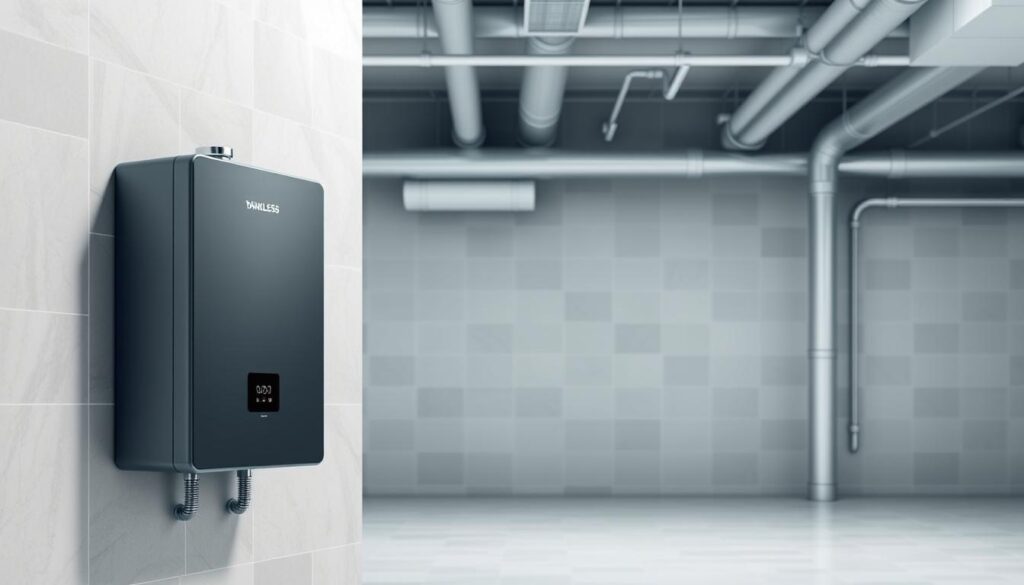
Tankless water heaters are a new way to heat water at home. They don’t use a big tank like old models. Instead, they give you hot water when you need it, making your home more comfortable. A tankless water heater installation professional can explain why this tech is so good.
The main perks of tankless water heaters are:
- Endless hot water supply
- Compact, space-saving design
- Extended lifespan of 20-30 years
- Superior energy efficiency
Tankless systems are unique in water heater technology. They heat water as it flows, so no big tank is needed. This means you get fresh, instantly heated water whenever you want.
| Feature | Tankless Water Heaters | Traditional Tank Heaters |
|---|---|---|
| Lifespan | 20-30 years | 10-15 years |
| Energy Efficiency | Up to 99% efficient | 60-70% efficient |
| Space Requirements | Compact wall-mounted | Large floor-standing unit |
Getting a pro to install your tankless water heater is key. Your home might need changes for these systems. A skilled installer makes sure it works well and fits your home right.
Heat Pump Water Heaters: The HVAC Connection
Exploring water heating solutions leads to a new technology that links plumbing and HVAC systems. Heat pump water heaters use advanced HVAC tech for efficient water heating. They make hot water more affordable.
An HVAC technician knows these systems are different from old water heating ways. They don’t make heat directly. Instead, they move heat from one place to another, saving a lot of energy.
How Heat Pumps Extract Heat
Heat pump water heaters work like refrigerators but in reverse. They take heat from the air and put it in water in the tank. This uses much less electricity than electric water heaters.
- Captures ambient air temperature
- Uses refrigerant to absorb heat
- Transfers heat to water storage tank
Energy Efficiency Advantages
Heat pump water heaters show a strong HVAC link. They can be up to three times more energy-efficient than electric water heaters.
Installation Considerations
Your HVAC technician will check a few things for the best heat pump water heater setup:
- Adequate space for installation
- Minimum ambient temperature requirements
- Proper ventilation
- Electrical system compatibility
Choosing a heat pump water heater means you’re picking a cutting-edge tech. It combines HVAC principles with water heating efficiency.
Professional Requirements for Water Heater Installation
Installing a water heater is more complex than many think. Experts in residential water heater installation have skills beyond just placing the equipment. They know a lot about plumbing, electrical systems, and sometimes HVAC. This ensures the water heater is set up safely and works well.
When picking a plumber or heating contractor for water heaters, it’s key to know their expertise. They must handle complex tasks to keep your home safe and running smoothly.
- Comprehensive understanding of local building codes
- Advanced knowledge of electrical and gas connections
- Precise measurement and fitting techniques
- Safety protocol implementation
- Manufacturer specification compliance
Professional installers use special tools and methods that homeowners can’t. They’re trained in important areas like:
| Installation Skill | Technical Requirements |
|---|---|
| Venting Procedures | Proper exhaust management for gas units |
| Electrical Connections | Safe wiring for electric water heaters |
| Pressure Regulation | Ensuring safe water pressure levels |
“Proper water heater installation is not just a job, it’s a critical safety procedure that requires professional expertise.” – Industry Safety Expert
Choosing professional installation is a smart move. It keeps your home safe from water damage, gas leaks, or electrical dangers. Trying to save money by doing it yourself can lead to costly fixes and safety risks.
Signs It’s Time to Replace Your Water Heater
Knowing when to replace your water heater can save you from unexpected breakdowns and costly emergency repairs. A water heater maintenance specialist can help you identify critical warning signs that indicate it might be time for a new unit.
Water heaters don’t last forever. Understanding the key indicators can help you make proactive decisions about your home’s hot water system.
Age-Related Red Flags
- Typical lifespan of traditional water heaters is 8-12 years
- Decreased efficiency as units approach end of expected service life
- Increased frequency of hot water heater repair service calls
Performance Warning Signs
Your water heater might be signaling replacement through various performance issues:
- Inconsistent water temperature
- Rusty or discolored water
- Unusual rumbling or popping noises
- Reduced hot water volume
Critical Safety Concerns
| Safety Issue | Potential Risk | Recommended Action |
|---|---|---|
| Tank Leaks | Water damage | Immediate replacement |
| Pressure Relief Valve Failure | Potential explosion | Professional inspection |
| Corrosion | Water contamination | Unit replacement |
“When in doubt, consult a water heater maintenance specialist to assess your system’s condition and safety,” recommends home maintenance experts.
Proactive replacement can prevent unexpected failures and protect your home from water damage or safety risks. Regular maintenance and timely upgrades ensure reliable hot water and peace of mind.
Energy Efficiency and Cost Considerations
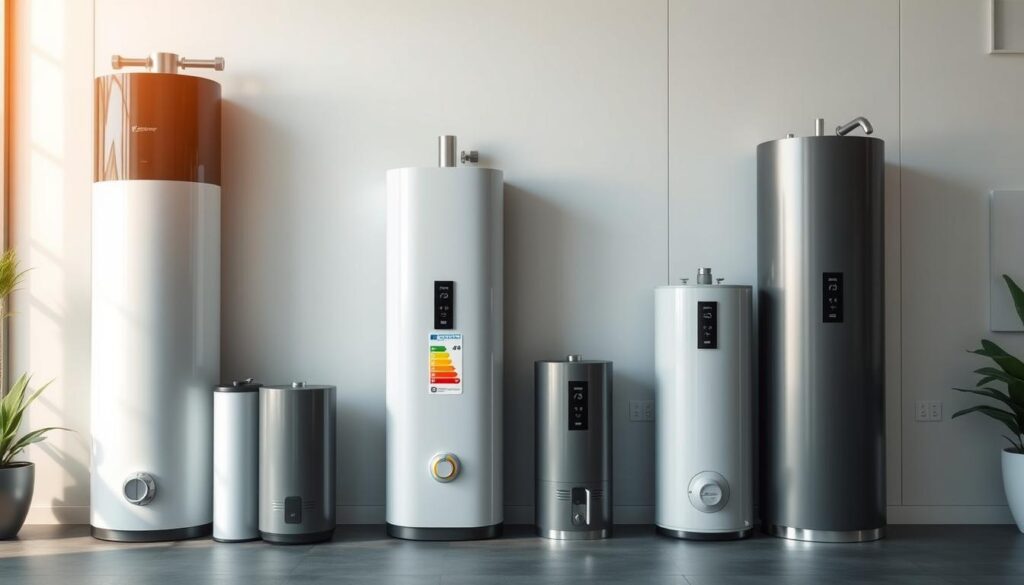
Choosing the right water heater is more than just the initial cost. A tankless water heater installation professional can guide you on the long-term costs. Different types of water heaters have different energy efficiency levels, affecting your utility bills.
When looking at water heaters, consider these important factors:
- Initial purchase and installation costs
- Annual energy consumption
- Expected lifespan of the unit
- Potential utility rebates
Energy factor (EF) ratings are key to understanding a water heater’s efficiency. Higher EF ratings mean lower costs over time. Tankless and heat pump water heaters are generally more energy-efficient than traditional tank models.
| Water Heater Type | Average Annual Energy Cost | Estimated Lifespan |
|---|---|---|
| Traditional Tank | $600 | 10-15 years |
| Tankless | $300 | 20+ years |
| Heat Pump | $250 | 15 years |
Even though advanced water heaters may cost more upfront, the long-term savings are worth it. Choosing an energy-efficient system not only helps the environment but also saves you money in the long run.
“Smart homeowners view water heaters as long-term investments, not just appliances.” – Energy Efficiency Expert
Consult a professional tankless water heater installation expert to find the best option for your home. They can help you choose a system that balances initial cost with long-term energy savings.
Making the Right Choice: Water Heater Selection Guide
Choosing the right water heater for your home is important. Experts say to think carefully about what you need. This ensures you pick the best system for your home.
When looking at water heaters, consider a few key things:
- How big your household is and how much hot water you use
- How much space you have for the water heater
- How important energy efficiency is to you
- The weather in your area
- What you can afford to spend
Who installs your water heater matters too. Experts can help figure out what’s best for your home.
Think about these important points when deciding:
- Capacity: Choose a size that fits your family’s hot water needs
- Energy Source: Decide between gas, electric, or hybrid
- Efficiency Ratings: Look for models with the Energy Star label
- Long-Term Costs: Consider the upfront cost and long-term savings
Your local weather affects your water heater’s performance. Colder places need stronger heaters, while warmer areas can use more efficient ones.
Pro tip: Talk to water heater experts for advice that fits your home’s needs.
By considering these points, you can find a water heater that works well. It should give you reliable hot water, save energy, and meet your home’s needs.
Conclusion
Figuring out if a water heater is plumbing or HVAC can be tricky. Your water heater is a key system that connects plumbing and HVAC. It needs the skills of both plumbers and HVAC technicians.
Choosing between a plumber and an HVAC technician for your water heater depends on the type and needs. Each system, like tankless or traditional, requires specific knowledge. It’s best to get help from experts who know water heating well.
Keeping your water heater efficient, safe, and working well is important. Regular checks, timely updates, and expert advice are key. This way, you get the most out of your water heater for a long time.
Your water heater is a big part of your home’s comfort. Picking the right experts and knowing the plumbing and HVAC connection helps you make smart choices. This ensures your home stays comfortable for years.