

Affiliate Disclosure
Plumber Guide Guys is a participant in the Amazon Services LLC Associates Program, an affiliate advertising program designed to provide a means for sites to earn advertising fees by advertising and linking to Amazon.
Is the Landlord Responsible for Plumbing? Ever wondered who’s responsible when plumbing problems hit a rental? Figuring out if the landlord is on the hook can be tricky.
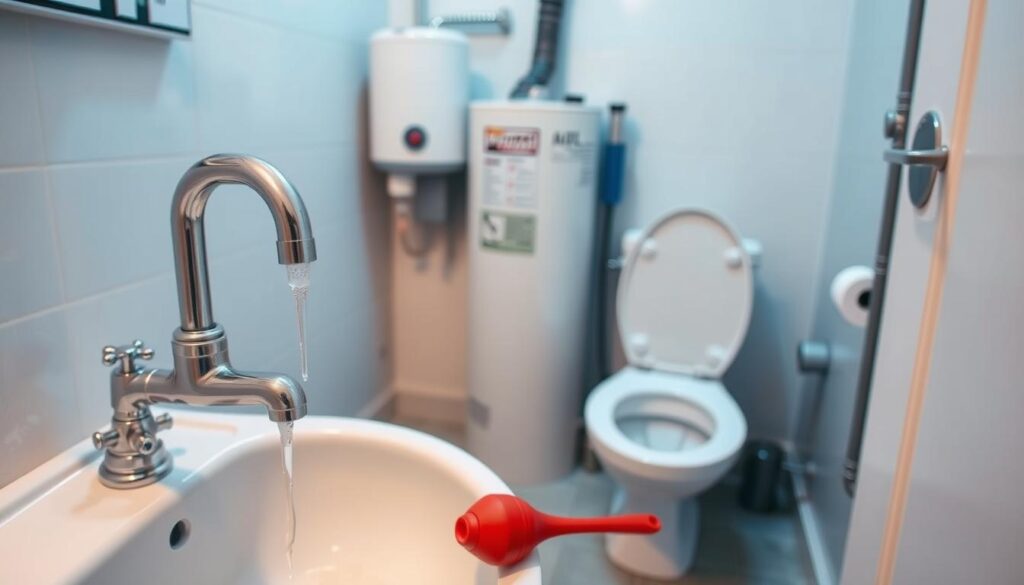
Understanding who’s responsible for plumbing in rentals involves knowing the law and practical aspects of upkeep. In the U.S., water systems are complex, with stormwater and sanitary sewers affecting both renters and landlords.
Knowing your rights and duties can prevent disputes and expensive fixes. A detailed guide to tenant and landlord roles can clear up confusion.
Key Takeaways
- Plumbing responsibilities are shared between landlords and tenants
- Legal requirements vary by state and local regulations
- Prompt communication is key in fixing plumbing issues
- Preventive maintenance can lower the chance of conflicts
- Keeping records of repairs and upkeep is vital
Table of Contents
Understanding Plumbing Systems in Rental Properties
Rental property laws require landlords to know about plumbing. Plumbing systems are complex. They make sure water is safe and waste is removed. This knowledge helps landlords and tenants keep the property in good shape.
Lease agreements often list who does what with plumbing. These systems are key for comfort and property function.
Stormwater vs. Sanitary Sewer Systems
Most rental properties have two main plumbing systems:
- Stormwater System: Manages rainwater and surface runoff
- Sanitary Sewer System: Handles wastewater from sinks, toilets, and appliances
Potable Water Supply Infrastructure
The potable water supply is vital. It brings clean drinking water to the property through pipes.
Main Components of Rental Property Plumbing
Important plumbing parts include:
- Water main connection
- Primary water lines
- Waste removal pipes
- Fixture connections
- Drainage systems
Knowing about these systems helps landlords and tenants work well together. Regular checks and upkeep stop big problems. This keeps the living space comfortable.
Legal Framework of Landlord Plumbing Responsibilities
Understanding the laws about rental property maintenance can be tough for landlords. Knowing your plumbing duties is key to keeping your tenants safe and happy.
The laws about plumbing duties are based on a few main points:
- Ensuring safe and functional water systems
- Maintaining structural integrity of plumbing infrastructure
- Complying with local and state housing codes
- Addressing repair needs in a timely manner
Rental property maintenance laws typically require landlords to provide:
- Potable water supply
- Functional drainage systems
- Working fixtures without leaks
- Compliance with health and safety standards
“A well-maintained plumbing system is not just a legal requirement, but a fundamental aspect of tenant safety and comfort.” – Housing Regulation Expert
State laws can differ, but most say landlords must fix big plumbing problems fast. Not doing so can lead to fines, lawsuits, and lost rent.
Regular upkeep and talking openly with tenants about plumbing duties can avoid problems. It makes for a better rental experience for everyone.
Is the Landlord Responsible for Plumbing?
Understanding who is responsible for plumbing can be tricky. Both landlords and tenants need to know who fixes what. This is key to keeping a rental property in good shape.
Landlords usually handle plumbing issues. They make sure the plumbing system works well. This keeps water flowing smoothly in the rental.
Essential Plumbing Maintenance Tasks
Landlords have to do several important plumbing tasks:
- Repairing major pipe leaks
- Maintaining water heater functionality
- Addressing sewage system issues
- Fixing broken fixtures
- Ensuring proper water pressure
Emergency Plumbing Situations
Landlords must act fast in plumbing emergencies. Yes, they are responsible for fixing urgent problems. These include:
| Emergency Type | Required Landlord Action |
|---|---|
| Burst Pipes | Immediate repair within 24-48 hours |
| Sewage Backup | Immediate professional intervention |
| No Hot Water | Repair or replacement within 3 days |
Exceptions to Landlord Responsibilities
Not every plumbing problem is the landlord’s job. Tenants might need to fix:
- Damage caused by improper use
- Clogs from personal items
- Minor fixture repairs
- Routine maintenance like drain cleaning
Tip: Always document plumbing issues and communicate clearly with your landlord to ensure prompt resolution.
Lateral Lines and Main Line Connections
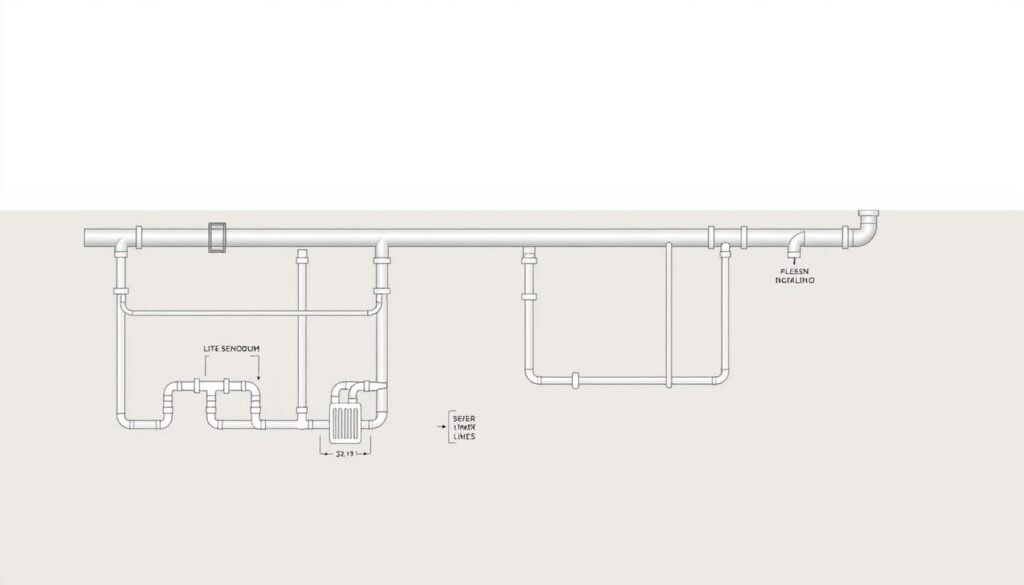
It’s important to know about lateral lines and main line connections. They connect your rental property’s plumbing to the city’s sewer system. This setup affects who pays for plumbing fixes.
Lateral lines are key pipes that carry wastewater from your place to the city’s sewer. Usually, the property owner is in charge of keeping these pipes in good shape. These pipes run from your building’s base to the public sewer line.
- Lateral lines connect private properties to main sewer systems
- Ownership typically extends to the property boundary point
- Repair costs can vary based on location and damage extent
When figuring out who’s responsible for plumbing, several things matter:
| Location of Damage | Responsibility | Potential Cost |
|---|---|---|
| Inside Property Boundaries | Landlord | Property Owner Expense |
| Beyond Property Line | Municipal Utility | City/County Responsibility |
“Knowing your lateral line responsibilities can save significant money and prevent legal disputes.” – Professional Plumbing Association
Checking and fixing lateral lines regularly can save you money. It also stops big plumbing problems. Getting a pro to check them often can spot issues early.
Tenant Responsibilities for Plumbing Maintenance
Renting a property means you have to take care of the plumbing. While landlords fix big problems, you play a big part in keeping things running smoothly.
Your lease agreement will tell you what’s expected of you. Knowing these rules helps keep the property in good shape and your relationship with your landlord strong.
Proper Usage and Prevention
Stopping plumbing problems starts with how you use things. Here are some tips:
- Avoid flushing non-biodegradable items
- Use drain screens to catch hair and debris
- Run water slowly to prevent pipe stress
- Keep drains clear of grease and food particles
Reporting Procedures
Telling your landlord about plumbing issues fast is key. Quick action can stop small problems from becoming big, costly repairs. Here’s how to report:
- Take photos of the issue
- Call your landlord right away
- Give a clear description of the problem
- Send a follow-up in writing (email or certified mail)
Basic Maintenance Duties
As a tenant, you’re responsible for some upkeep. This includes:
- Regularly cleaning sink and shower drains
- Checking for minor leaks around fixtures
- Keeping bathroom and kitchen areas dry
- Protecting pipes from freezing in cold weather
By following these tips, you can help keep the plumbing system working well. This way, you can avoid problems with your landlord.
Emergency Plumbing Repairs in Rental Properties
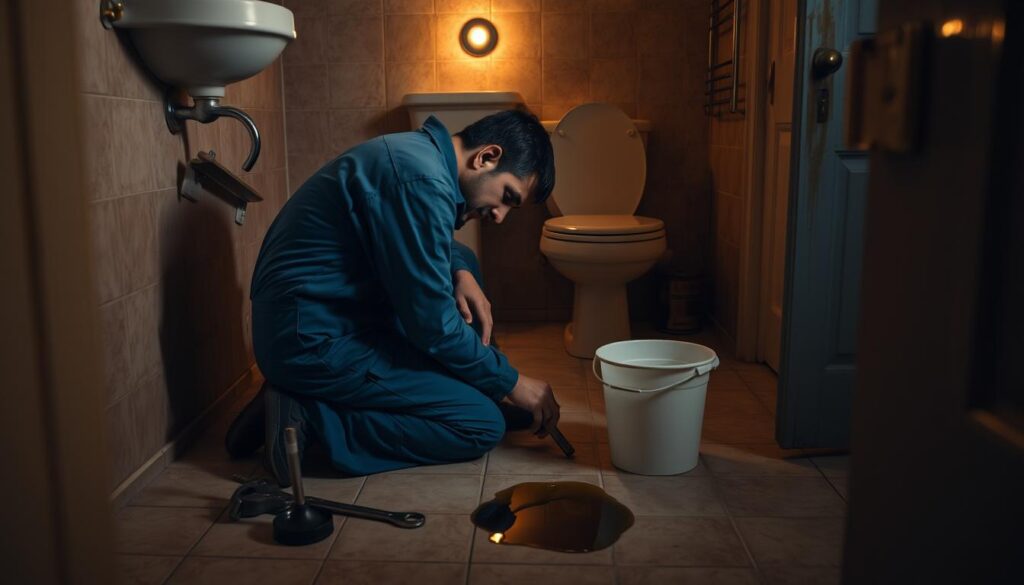
Plumbing emergencies can happen anytime in rental properties. They cause stress for both tenants and landlords. It’s vital to know how to handle these situations to keep living spaces safe and healthy.
Acting fast is critical when a plumbing emergency hits. Landlords must respond quickly to avoid damage and health risks.
- Water leaks causing structural damage
- Sewage backups
- Complete loss of water supply
- Burst pipes
- Significant toilet or drain blockages
Tenants should take certain steps during plumbing emergencies:
- Shut off the main water valve
- Contact the landlord immediately
- Document the damage with photographs
- Prevent further property damage
Landlords usually need to respond within 24-48 hours for urgent plumbing issues. Local laws often set specific times to ensure safety and protect properties.
Professional emergency plumbing services can prevent long-term damage. They protect both tenant and property owner investments.
Quick communication and action are essential for handling plumbing emergencies in rental properties.
Cost Distribution for Plumbing Repairs
Figuring out who pays for plumbing repairs in rental homes can be tricky. It usually depends on why the damage happened and who caused it.
Dealing with water damage in rental homes needs clear talk and knowing the rules. Both landlords and tenants must work together to fix plumbing problems.
Standard Repair Expenses
Usually, landlords cover the cost of fixing plumbing problems that happen because of normal wear and tear. This includes:
- Fixing leaky pipes
- Replacing old fixtures
- Fixing structural plumbing issues
- Keeping main water lines in good shape
Tenant-Caused Damage Costs
If plumbing damage is caused by the tenant’s actions, they might have to pay for repairs. You could be responsible if you:
- Put things in toilets or drains that shouldn’t be there
- Block pipes with careless use
- Don’t tell your landlord about small problems that get worse
- Damage plumbing fixtures on purpose or by accident
Pro tip: Always document the plumbing’s condition when you move in and tell your landlord about any problems right away.
Clear documentation and open communication can prevent most disputes about who pays for plumbing repairs.
Preventive Plumbing Maintenance Guidelines
Keeping plumbing in good shape is key for rental homes. By being proactive, landlords and tenants can save a lot of time and money. A good plumbing maintenance plan helps avoid expensive fixes.
Regular upkeep includes several important steps:
- Do plumbing system checks every three months
- Look for hidden leaks in pipes and fixtures
- Keep drains clean to avoid blockages
- Flush water heaters to clear out sediment
- Check water pressure and pipe connections
Some maintenance tasks need extra care. Preventive care can cut emergency repair costs by up to 50%. Landlords should make a detailed maintenance plan. It should list what each side is responsible for.
| Maintenance Area | Frequency | Responsible Party |
|---|---|---|
| Drain Cleaning | Quarterly | Landlord |
| Pipe Inspection | Bi-Annually | Landlord |
| Fixture Maintenance | As Needed | Tenant/Landlord |
Having clear rules in the plumbing maintenance lease helps avoid problems. It also makes sure the plumbing lasts longer. Fixing things before they break is always cheaper than fixing them after.
Documentation and Communication Protocols
Managing plumbing in rental properties needs careful documentation and clear talks. Your plumbing maintenance lease agreement should have rules for reporting and fixing issues. This protects both the landlord and the tenant.
Keeping records well is key to good plumbing management. Set up a detailed system to track all maintenance, repair requests, and talks.
- Maintain digital logs of all plumbing-related interactions
- Use standardized repair request forms
- Keep detailed maintenance records with timestamps
- Document repair costs and service provider information
Your communication plan should have many ways for tenants to report plumbing issues. Make sure to set clear rules on how and when maintenance will be fixed. Think about using:
- Online maintenance request portals
- Dedicated emergency contact numbers
- Email communication systems
- Mobile app reporting options
Clear communication builds trust and stops legal problems in rental property management.
Digital records protect you legally and show all talks clearly. Make sure all talks are professional, on time, and well-documented. This keeps the landlord-tenant relationship good.
Understanding Local Plumbing Codes and Regulations
Landlords need to know local plumbing codes and regulations well. These rules are key to keeping rental properties in good shape. Each place has its own rules that affect how you fix and maintain plumbing.
Local plumbing codes cover important areas for landlords:
- Minimum standards for water quality and pressure
- Required maintenance intervals
- Permissible repair methods
- Inspection requirements
Your maintenance plan must follow local rules. Ignoring these can lead to fines, legal trouble, and tenant complaints. Working with plumbers who know the codes can help you avoid problems.
To keep up with your plumbing duties, take these steps:
- Contact local building department for current regulations
- Join landlord associations for updated information
- Schedule regular professional plumbing inspections
- Maintain detailed documentation of all repairs
Every area has its own plumbing rules. It’s important to check your local codes. Some cities have stricter rules, often due to old infrastructure or water saving goals.
Conclusion
Knowing who is responsible for plumbing in rental properties can avoid expensive misunderstandings. Is the landlord responsible for plumbing? It depends on local laws, lease agreements, and the plumbing issue’s nature.
Good communication is essential for plumbing duties in rentals. Document maintenance requests and keep repair records. Also, understand your rental agreement’s plumbing terms. Quick action on plumbing issues saves everyone time and money.
Knowing your rights and duties can greatly improve your rental experience. Whether you’re a landlord or tenant, learn about local plumbing codes and maintenance. This way, you can keep the rental property in good shape.
Prevention is key. Regular checks, proper plumbing use, and quick issue fixes keep the property in good condition. This protects the tenant’s comfort and the landlord’s investment.