Affiliate Disclosure
Plumber Guide Guys is a participant in the Amazon Services LLC Associates Program, an affiliate advertising program designed to provide a means for sites to earn advertising fees by advertising and linking to Amazon.
Is Plumbing Hard to Learn? Ever wondered if learning plumbing is a skill beyond your reach? The truth might surprise you. While it sounds tough, mastering plumbing basics is more doable than many think. Plumbing requires technical knowledge, practical skills, and problem-solving abilities that anyone can learn with dedication and the right guidance.
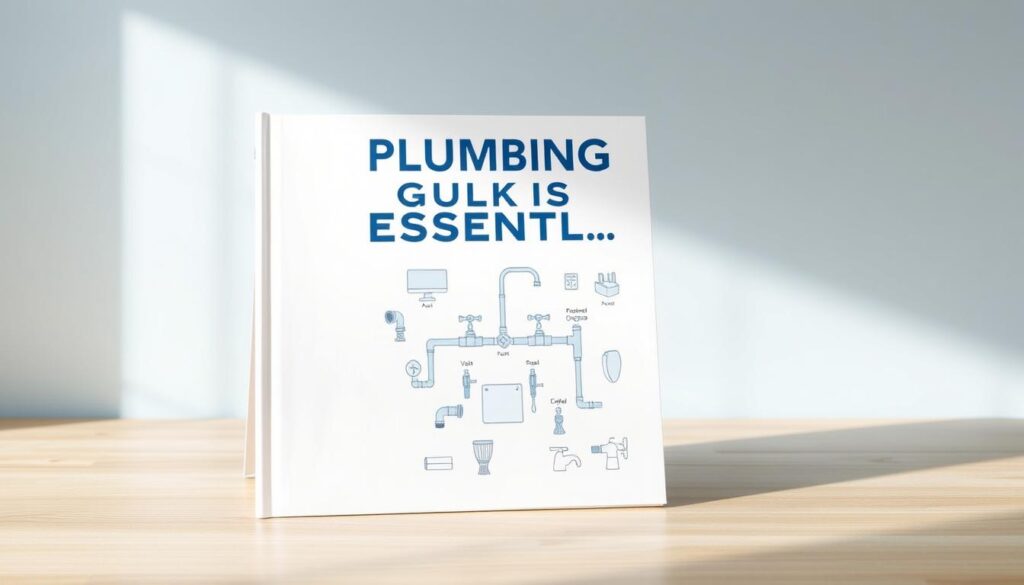
Learning plumbing isn’t about being a superhero with a wrench. It’s about understanding systems, practicing techniques, and building confidence step by step. Whether you’re into DIY home repairs or thinking about a professional career, plumbing is a rewarding path for those willing to put in the time and effort.
This guide will demystify plumbing, showing you that with the right approach, you can become proficient in this essential trade. We’ll cover everything from basic repairs to complex systems. You’ll see how anyone can learn plumbing skills that will last a lifetime.
Key Takeaways
- Plumbing is a learnable skill for motivated individuals
- Technical knowledge and practical practice are key
- DIY skills can save money on home repairs
- Professional training offers many career opportunities
- Consistent practice builds confidence and expertise
Table of Contents
Is Plumbing Hard to Learn for Beginners?
Starting in plumbing might seem scary, but knowing the basics can make it easier. Learning plumbing is a step-by-step process. It mixes practical skills with real-world experience.
Understanding the Plumbing Skills Learning Curve
The learning curve for plumbing is clear. At first, you’ll face challenges that might seem too much. But, breaking skills into smaller steps makes it easier.
- Basic tasks like fixing leaks and replacing washers are relatively simple
- Complex system installations require more advanced training
- Initial learning phase is most intense in the first few months
What Makes Plumbing Challenging for New Learners
Starting out in plumbing comes with its own set of hurdles. You’ll need to get good at both physical tasks and technical knowledge.
- Working in tight, awkward spaces
- Understanding complex pipe routing
- Learning water pressure dynamics
- Memorizing numerous fitting types and sizes
Realistic Expectations for Beginning Plumbers
Learning plumbing takes time and effort. You’ll need 6-12 months to get good at residential plumbing. To become a pro, it usually takes 4-5 years of hard work and practice.
Remember, every expert was once a beginner. Mistakes are part of the learning process.
With hard work and the right guidance, you can turn challenges into chances to grow and improve.
Essential Plumbing Knowledge Every Beginner Should Master
Learning plumbing basics is key for anyone wanting to know their home’s water system. Knowing how to fix small issues can save you money. It’s a skill that can save you time and money in the long run.
Plumbing is more than just fixing leaks. You need to understand the basics of how water systems work. Here are the main areas beginners should focus on:
- Water Pressure Dynamics
- Pipe Material Selection
- Drainage System Principles
- Fixture Connections
- Water Distribution Networks
Here’s a detailed look at important plumbing knowledge areas:
| Knowledge Area | Key Learning Points |
|---|---|
| Water Pressure | Understanding PSI, flow rates, and system limitations |
| Pipe Materials | Comparing PVC, CPVC, PEX, and copper applications |
| Drainage Physics | Gravity principles, venting, and proper slope |
Building a strong foundation in these areas will change how you view plumbing. Remember, knowledge is your most powerful tool. Knowing the basics helps you fix problems, make smart choices, and understand your home’s plumbing better.
Pro Tip: Always prioritize learning the “why” behind plumbing techniques, not just the “how”.
Starting your plumbing journey means learning these essential concepts. Spend time studying, practicing, and improving your skills. With effort and patience, you’ll become confident in tackling most plumbing tasks at home.
Understanding Your Home’s Plumbing System Components
Your home’s plumbing is a complex network hidden behind walls and under floors. Knowing how it works can help you fix problems faster.
Residential plumbing has two main parts: the water supply system and the DWV system. They work together to keep water flowing in and out of your home.
Water Supply Lines and How They Work
The water supply system brings fresh water to your home through pipes. Here’s how it works:
- Water comes from the city or a well
- The main line splits water to different areas
- Cold and hot water lines go their own ways
- Water pressure is usually 40-60 psi
The Drain-Waste-Vent System Explained
The DWV system is key for getting rid of wastewater and keeping air pressure right. It includes:
- Drain pipes use gravity to move wastewater
- Vent pipes stop vacuum problems
- Sewer gas goes out through roof vents
Key Fixtures and Their Functions
Many plumbing parts help manage water in your home:
| Fixture | Primary Function | Connection Type |
|---|---|---|
| Toilets | Waste removal | Direct DWV connection |
| Sinks | Water dispensing and waste drainage | Supply and drain lines |
| Showers | Personal hygiene | Hot/cold water supply |
Knowing about these parts helps you find and fix problems faster.
Plumbing Training Difficulty: What to Expect
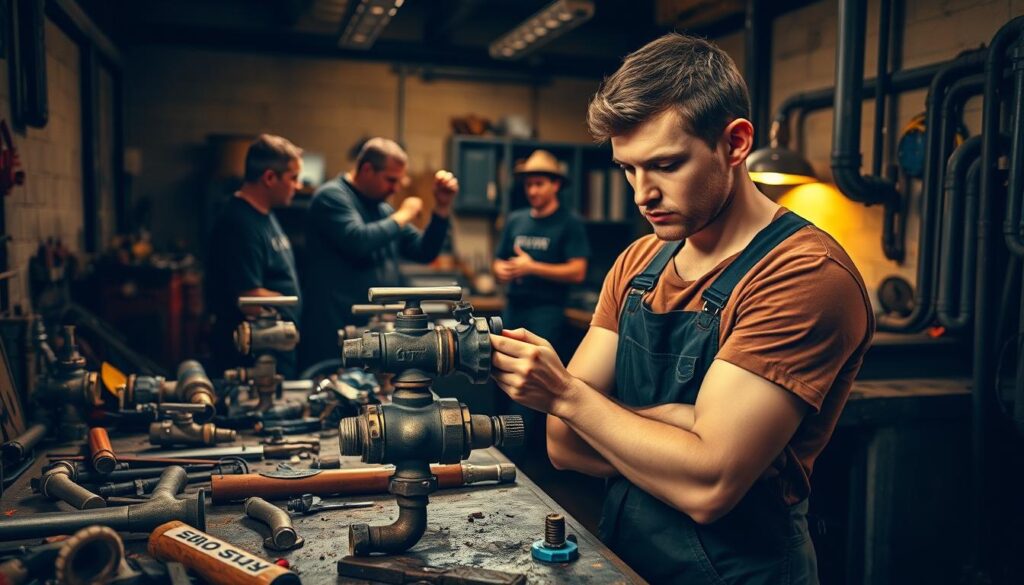
Starting plumbing training can feel daunting. You’ll face both mental and physical tests. Learning plumbing needs dedication, patience, and a readiness for tough challenges.
Aspiring plumbers go through many learning stages. Plumbing education brings its own set of challenges, including:
- Technical classroom instruction
- Hands-on practical training
- Safety protocols and regulations
- Physical skill development
In class, you’ll learn essential technical skills. You’ll study:
- Mathematical calculations for pipe sizing
- Blueprint reading techniques
- National and local plumbing codes
- Material science principles
Practical training is different. You’ll work on physical skills, like dexterity and stamina. Mastering tool usage and understanding complex system designs are key to your skills.
| Training Component | Difficulty Level | Key Skills Developed |
|---|---|---|
| Classroom Learning | Moderate | Technical Knowledge |
| Hands-on Training | High | Physical Skills |
| Safety Education | Critical | Risk Management |
Don’t give up on plumbing training. Every challenge makes you closer to becoming a skilled plumber.
Required Tools and Equipment for Learning Plumbing
Starting your plumbing journey needs more than just excitement. You’ll need a good set of tools to handle DIY tasks. Getting the right plumbing tools is a key step in your learning path.
Your first plumbing kit should have essential items for basic repairs and installations. It’s better to have quality tools than a lot of cheap ones.
Basic Plumbing Tools Every DIYer Needs
- Adjustable Wrench: Essential for working with various nut and bolt sizes
- Pipe Wrenches: One to grip, one to turn
- Basin Wrench: Perfect for tight spaces under sinks
- Channel-Lock Pliers: Versatile gripping tool
- Screwdriver Set: Both standard and Phillips head
- Hacksaw: For cutting pipes and bolts
- Tape Measure: Ensures precise measurements
- Plumber’s Tape: Seals threaded connections
- Plunger: Handles basic drain clogs
Specialized Equipment for Advanced Repairs
As you get better at plumbing, you’ll need more advanced tools. These specialized tools will help you with tougher projects:
- Propane Torch: For soldering copper joints
- Drain Snake: Clears stubborn blockages
- PEX Crimping Tool: For PEX pipe installations
- Pipe Threader: Works with threaded pipes
- Inspection Camera: Diagnoses hidden issues
Don’t forget to get safety gear like gloves, goggles, and knee pads. Start with the basics and add more tools as you get more experience.
Common Plumbing Skills and Techniques to Practice
Mastering plumbing is all about learning hands-on skills. These skills turn beginners into skilled DIYers. It’s a journey of practice, patience, and improving your techniques.
To become a plumbing pro, focus on key techniques:
- Leak Detection and Repair
- Identify water stains
- Check for moisture spots
- Listen for dripping sounds
- Pipe Connection Skills
- Apply plumber’s tape correctly
- Understand proper tightening techniques
- Work with different pipe materials
Learning to fix pipes involves mastering specific techniques. For copper pipes, you’ll learn how to solder. Start by cleaning the pipes, applying flux, and using a propane torch for strong connections.
Drain clearing is also key. Start with plungers, then move to drain snakes for tough blockages. Practice makes perfect in plumbing.
Focus on these important skills:
- Accurate pipe measurements
- Understanding pipe material properties
- Learning proper cutting and connection methods
- Developing troubleshooting strategies
“The best plumbers are made through consistent practice and a willingness to learn from every project.” – Professional Plumbing Association
Remember, becoming good at plumbing takes time. Start with simple tasks, build your confidence, and then tackle harder repairs.
Plumbing Certification Requirements and Apprenticeship Experience
Starting a career in plumbing needs you to go through professional training and get certified. You’ll learn about the educational paths, licensing needs, and apprenticeship experiences that make up this skilled job.
Educational Pathways in the Plumbing Trade
Choosing to learn plumbing opens up several educational paths. You can pick from:
- Trade school programs (6-24 months)
- Community college vocational courses
- Union-sponsored training programs
- Apprenticeship-focused learning tracks
Duration of Professional Plumber Training
Training to be a professional plumber has a set timeline. Most apprenticeships last:
| Training Level | Duration | Key Requirements |
|---|---|---|
| Apprenticeship | 4-5 years | 8,000-10,000 work hours |
| Journeyman Licensing | Additional 1-2 years | State exam and work experience |
| Master Plumber | 2-5 additional years | Advanced certification |
Apprenticeship Programs and On-the-Job Learning
Your apprenticeship in plumbing is key for learning hands-on skills. You’ll:
- Work under licensed professionals
- Earn competitive wages
- Rotate through different plumbing specialties
- Attend mandatory classroom instruction
Licensing for plumbers varies by state. You’ll need to pass exams, show work experience, and prove your skills. Staying committed to learning will help you succeed in this ever-changing field.
Overcoming Beginning Plumber Challenges
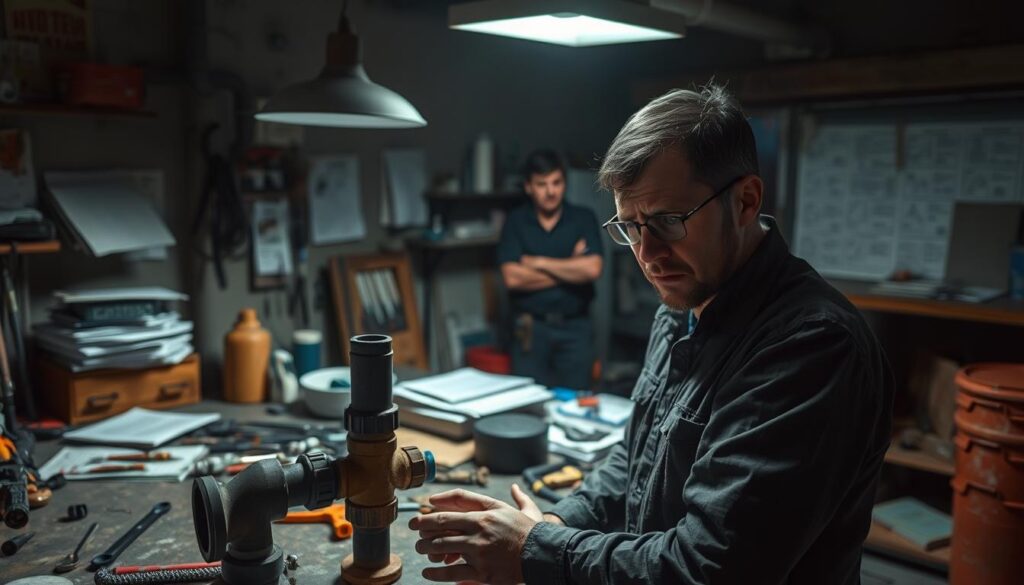
Learning plumbing is tough, even for the most determined beginners. It involves physical, mental, and technical hurdles. You need patience and a smart plan to overcome these challenges.
Physical challenges are the first hurdle. You’ll face uncomfortable positions, need strong hands, and have to work hard. Plumbing learning difficulties include:
- Working in tight spaces like crawl spaces and under sinks
- Developing grip strength for tool manipulation
- Building physical stamina for long workdays
- Managing wet and temperature-variable environments
Mental obstacles are also tough. Fear of making expensive mistakes and anxiety about water damage can stop you. To deal with these:
- Start with low-risk practice projects
- Always locate shut-off valves before beginning work
- Accept mistakes as valuable learning opportunities
- Seek guidance from experienced professionals
Technical mastery requires consistent practice and willingness to learn. It takes time to understand complex fittings, navigate codes, and develop diagnostic skills. Success comes from persistence, continuous learning, and a growth mindset.
Connecting with others, joining online forums, and finding mentors can help you move past these initial challenges.
DIY Plumbing Projects to Build Your Skills
Building plumbing skills needs patience and practice. DIY projects are great for learning by doing. They help you save money and understand your home’s water systems better. Start with simple fixes to grow your confidence and skills.
- Always find and turn off water valves first
- Wear safety glasses and gloves
- Have your tools ready before you start
- Do your projects in daylight when stores are open
Simple Repairs for Practice
Try these easy DIY plumbing projects to practice:
- Replace a faucet washer
- Install a new showerhead
- Clear clogs with a plunger
- Swap out the toilet flapper
- Check and adjust water pressure
When to Call a Professional Plumber
It’s important to know your limits in DIY plumbing. Call a pro for these complex tasks:
- Main sewer line issues
- Gas line repairs
- Big repiping jobs
- Work needing special permits
- Jobs that are too hard for you
Remember, smart DIY plumbers know when to ask for help. Each project teaches you something new. It prepares you for bigger repairs later.
Conclusion
Starting your plumbing journey is an exciting adventure. It mixes practical skills with hands-on experience. Learning plumbing is not easy, but with hard work and smart learning, you can get good at it.
The journey to becoming skilled in plumbing is about getting better every day. Whether you want to fix things at home or become a plumber, it’s all about learning the basics. You need the right tools and to build your skills little by little.
To become a plumber, you need patience, curiosity, and a willingness to learn. Start with simple repairs and watch tutorials. If you get stuck, ask for help from experts. Remember, every expert started as a beginner.
Keep exploring the world of plumbing. It’s not just a job but also teaches you valuable skills. These skills can save you money and make you feel proud. Your journey begins now. Start with excitement and determination.