

Affiliate Disclosure
Plumber Guide Guys is a participant in the Amazon Services LLC Associates Program, an affiliate advertising program designed to provide a means for sites to earn advertising fees by advertising and linking to Amazon.
Is Plumbing Dangerous? Every pipe has a story, and sometimes that story includes unexpected dangers. When I first learned about the hidden risks in plumbing, I realized this profession demands more respect than most people understand. Plumbing safety risks are not just theoretical—they’re real challenges professionals face daily.
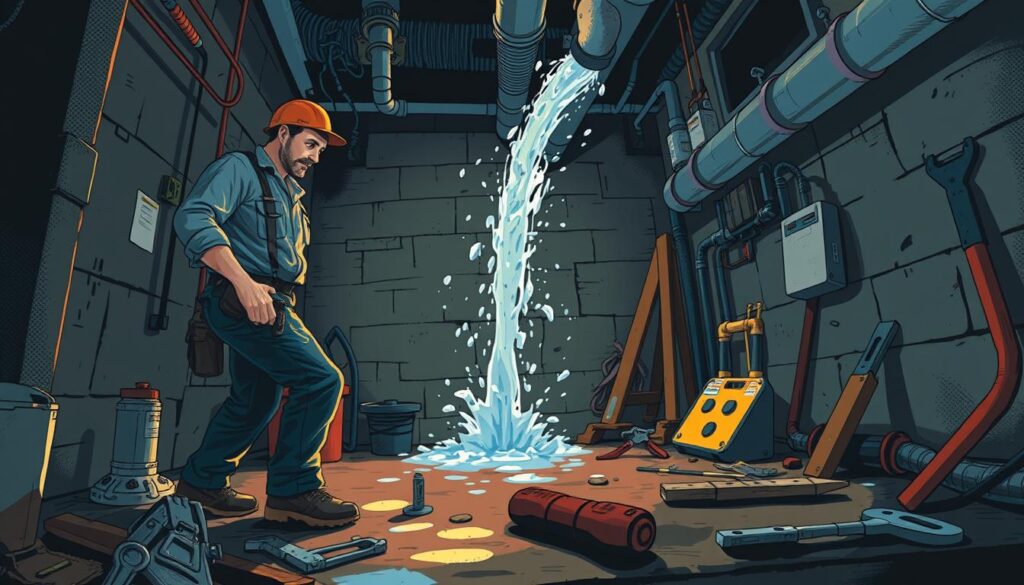
Is plumbing dangerous? The short answer is yes. Plumbers navigate a complex landscape of hazards. These go far beyond simple wrench work. From toxic chemical exposures to physical strain, the job requires incredible skill and constant vigilance.
Understanding these risks isn’t just about professional protection. Whether you’re a seasoned plumber or a curious homeowner considering DIY repairs, knowing the dangers can save your health and life.
Key Takeaways
- Plumbing involves significant workplace safety challenges
- Chemical and biological hazards are common in the profession
- Proper protective equipment is key for safety
- Professional training helps mitigate most plumbing risks
- Some plumbing tasks should always be left to experts
Table of Contents
Understanding the Risks in Professional Plumbing
Plumbing is a tough job with many health hazards. Plumbers face many risks that need constant attention and special safety knowledge. Knowing these risks is key to keeping workers safe and avoiding injuries.
“Safety isn’t expensive, it’s priceless” – Unknown Plumbing Professional
Common Workplace Hazards
Plumbers deal with many workplace dangers every day. These include:
- Exposure to harmful chemicals
- Physical strain from repetitive movements
- Working in uncomfortable and confined spaces
- Risk of cuts, burns, and equipment-related injuries
Daily Safety Challenges
The job of a plumber comes with its own set of safety challenges. Navigating tight spaces, handling potentially contaminated water systems, and working with complex machinery need great skill and safety gear.
Professional Requirements
Professional plumbers must follow strict safety rules to avoid health hazards. This includes:
- Comprehensive safety training
- Regular equipment maintenance
- Proper use of personal protective equipment (PPE)
- Understanding workplace safety regulations
By understanding and tackling these risks, plumbers can keep themselves safe and work efficiently.
Is Plumbing Dangerous: Key Safety Concerns
Plumbing safety risks are a big deal in this tough job. It’s key to know the dangers to keep yourself safe and work in a safe place. Plumbers face many hazards that need constant watch and safety steps.
Plumbing isn’t just about fixing pipes. It’s about facing big safety challenges that can hurt your health and well-being.
- Exposure to hazardous materials
- Physical strain and injury risk
- Working in tough conditions
- Potential chemical and biological dangers
Is plumbing dangerous? It depends on several important things that plumbers must handle well. Each job has its own safety challenges that need careful attention.
| Safety Risk Category | Primary Concerns | Mitigation Strategies |
|---|---|---|
| Physical Risks | Lifting heavy equipment | Proper lifting techniques |
| Environmental Hazards | Confined spaces | Specialized training |
| Chemical Exposure | Toxic materials | Protective gear |
Plumbers must always be ahead on safety. Regular training, knowing risks, and using right gear are key to avoid dangers.
“Safety isn’t expensive, it’s priceless” – Professional Plumbing Safety Motto
Understanding and tackling plumbing safety risks needs ongoing learning, awareness, and sticking to best practices. Your safety should always be the main focus in this demanding job.
Exposure to Hazardous Materials and Chemicals
Plumbing work comes with big risks from harmful chemicals. These can really hurt a worker’s health. It’s key to know these dangers to stay safe.
Plumbers face many dangerous substances every day. Not following safety rules can lead to serious health issues later on.
Asbestos and Lead Risks
Old buildings are a big problem for plumbers. They might find:
- Asbestos in pipe insulation
- Lead pipes and soldering materials
- Potential respiratory risks from aged infrastructure
“Awareness is the first step in protecting yourself from toxic chemical exposure,” says industrial safety expert Dr. Sarah Reynolds.
Chemical Solvents and Adhesives
Today’s plumbing uses many chemicals that can be harmful. Some of these dangers include:
- Pipe adhesives with volatile organic compounds
- Cleaning solvents with toxic chemical compositions
- Sealing materials containing harmful chemicals
Mold and Biological Hazards
Plumbers often work in damp places. This is where mold and bacteria grow. These can cause serious health problems.
To stay safe, plumbers need to know these risks well. They must follow strict safety rules on every job.
Physical Health Risks in Plumbing Work
Plumbing is a tough job that can harm workers’ health. Plumbers face many challenges that affect their well-being. These include injuries from repetitive tasks, muscle strain, and long-term musculoskeletal problems.
The most common health issues in plumbing are:
- Chronic back pain from heavy lifting
- Shoulder and neck strain from awkward positions
- Knee and joint injuries from long periods of crouching
- Repetitive motion disorders
Reports show plumbers face high rates of musculoskeletal disorders. These injuries often come from:
- Carrying heavy pipes and equipment
- Working in tight spaces
- Doing the same tasks over and over
- Keeping uncomfortable body positions
To lower these risks, plumbers need to focus on ergonomic practices and smart work methods. Regular stretching, proper lifting, and using tools can help prevent injuries.
| Physical Risk | Potential Impact | Prevention Strategy |
|---|---|---|
| Heavy Lifting | Back Strain | Use lifting equipment |
| Repetitive Motion | Joint Inflammation | Regular breaks and stretching |
| Awkward Positioning | Muscle Stress | Ergonomic tools and techniques |
By understanding and tackling these health risks, plumbers can keep their health and reduce injuries at work.
Working in Confined Spaces and at Heights
Working in tight spaces or high places is tough for plumbers. They need special training and safety rules to stay safe.
Plumbing work is complex. Plumbers must be very careful in tight spots and high places. These areas can be dangerous for them.
Safety Protocols for Tight Spaces
Plumbers have to follow important safety steps in small areas:
- Check the air before going in
- Wear the right masks
- Stay in touch with the team
- Make sure air is well circulated
Fall Prevention Measures
At high places, plumbers need strong safety plans:
- Wear full-body harnesses
- Check safety gear before use
- Use railings and nets when needed
- Keep three points of contact while climbing
“Safety isn’t expensive, it’s priceless” – Unknown Safety Professional
Emergency Response Plans
Being ready for emergencies is key in plumbing. Make and practice detailed plans for any situation in tight or high spots.
Being proactive with safety can greatly lower accident rates. It keeps plumbers safe from harm.
Electrical and Burns Hazards in Plumbing
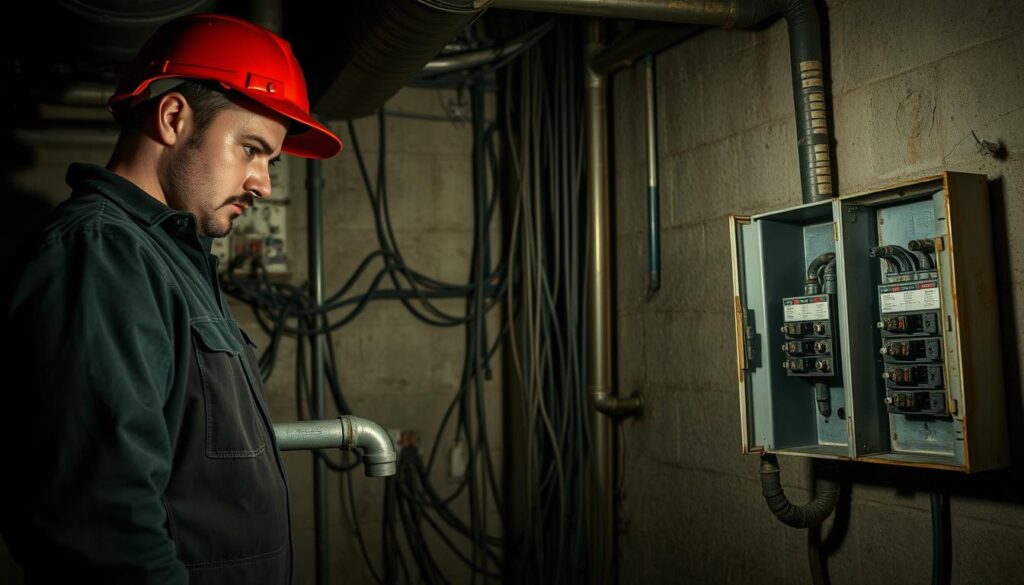
Plumbing electrical hazards are a big risk for plumbers. They work with water and electricity, facing dangers that can cause serious injuries. It’s important to take the right precautions.
Electrical shock is a big danger in plumbing. Metal pipes can carry electricity, posing a serious risk. Is plumbing dangerous? Yes, it is, when electrical risks are not managed well.
- Electrical shock risks from exposed wiring
- Potential contact with live electrical circuits
- Conductive properties of metal pipes and water
Burns are another big safety issue for plumbers. Hot water, steam, and heated tools can cause serious burns. Plumbers need to wear the right protective gear and know the thermal risks.
Here are some key safety steps to avoid electrical and burn hazards:
- Do thorough site electrical inspections
- Use non-conductive tools near electrical systems
- Wear flame-resistant personal protective equipment
- Get regular safety training
It’s vital to understand and respect the dangers of plumbing electrical hazards. This helps keep workers safe and prevents deadly accidents.
Protective Equipment and Safety Gear
Professional plumber safety starts with knowing and using the right protective gear. Plumbing jobs come with risks. It’s important to wear personal protective equipment to stay safe.
Plumbers need top-notch personal protective equipment (PPE) to stay safe at work. The right gear helps prevent injuries and health problems.
Essential PPE Items for Plumbers
- Safety glasses or goggles to protect eyes from debris
- Waterproof and cut-resistant work gloves
- Steel-toed boots with slip-resistant soles
- Hard hats for overhead work protection
- Respiratory masks for dust and chemical exposure
- Hearing protection in noisy work environments
When to Use Specific Protection
Each plumbing task needs its own safety gear. Working with chemical solvents means using gloves and masks. Hard hats and eye protection are key for overhead work.
Maintenance of Safety Equipment
Keeping safety gear in good shape is vital. Always check and replace damaged PPE to stay safe.
- Inspect gloves for tears or degradation
- Check safety glasses for scratches
- Verify respiratory mask filters
- Test hard hat structural integrity
“Your safety gear is your first line of defense in challenging work environments.” – Professional Plumbing Safety Association
Health Risks from Sewage and Contaminated Water
Working with sewage and contaminated water is risky for plumbers. It can cause many dangerous infections and long-term health problems.
When plumbers deal with sewage, they face many health dangers. They are at risk from harmful microorganisms in wastewater systems and contaminated water.
- Bacterial infections from E. coli and Salmonella
- Viral pathogens like Hepatitis A
- Parasitic diseases such as Giardia
- Potential respiratory infections
Plumbers need to take serious steps to stay safe. Wearing the right protective gear is key when working with sewage or contaminated water.
| Contamination Type | Primary Health Risks | Recommended Protection |
|---|---|---|
| Raw Sewage | Severe gastrointestinal infections | Full-body waterproof protective suit |
| Stagnant Water | Legionnaires’ disease | Respirator mask and gloves |
| Industrial Wastewater | Chemical exposure risks | Chemical-resistant protective gear |
Knowing the risks helps plumbers stay safe. They should get regular health checks, follow cleaning rules, and get thorough training. This can greatly lower the dangers of sewage and contaminated water.
Tools and Equipment Safety Protocols
Keeping safe while plumbing depends on managing tools well. Knowing how to use power and manual tools safely is key. This helps lower risks at work.
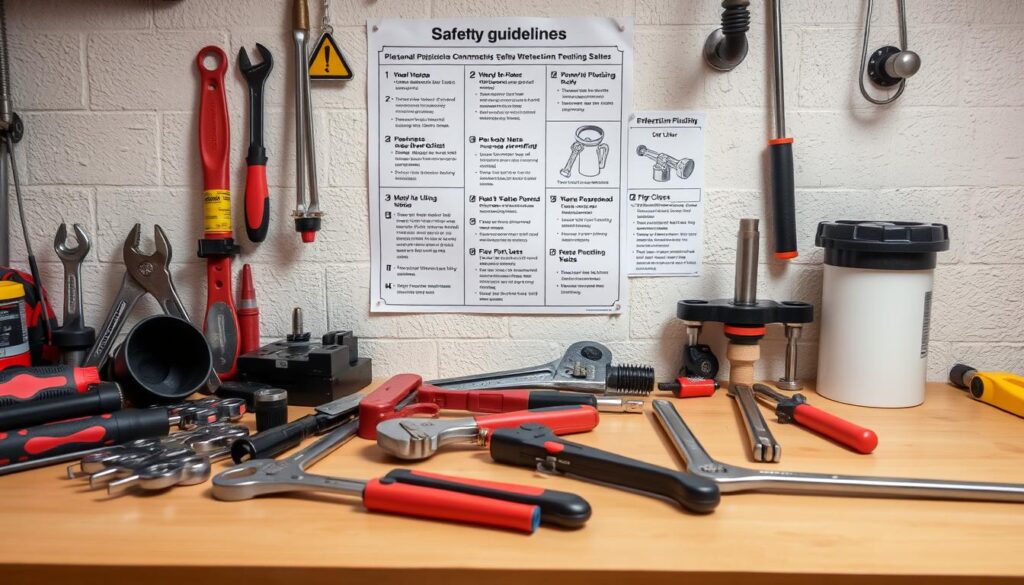
Staying safe begins with safe tool use. Plumbers need a solid plan for handling tools to avoid dangers.
Power Tool Safety Fundamentals
Power tools need extra care to avoid accidents. Here are some important safety tips:
- Check electrical cords for damage before each use
- Wear the right protective gear
- Keep your workspace clean and organized
- Use tools only for their intended purpose
Manual Tool Handling Techniques
Good manual tool care prevents strain and injuries. Safety for plumbers includes:
- Picking the right tool for the job
- Using the correct grip and stance
- Keeping tools clean and free from rust
- Storing tools in protective cases
Equipment Maintenance Guidelines
Regular upkeep stops tools from breaking down. Plumbers should follow a routine that includes:
- Weekly tool checks
- Cleaning after each use
- Oil moving parts
- Swap out worn or broken parts right away
Remember, proper tool care keeps your equipment and you safe.
Prevention Strategies and Best Practices
Keeping plumbers safe is a big job. It needs a plan that goes beyond just following rules. It’s about protecting everyone on the team.
Good prevention starts with training. Plumbers need to keep learning about dangers and how to stay safe. They should learn about:
- How to handle equipment safely
- How to spot and avoid risks
- What to do in emergencies
- Wearing the right protective gear
Having regular safety talks is also key. These meetings help everyone stay alert. They talk about what’s happened, what could happen, and how to stop accidents.
Keeping up with safety rules is important too. Safety rules change all the time. Plumbers need to know the latest to stay safe.
“Prevention is always better than cure in professional plumbing work.” – Safety Expert
How a workplace feels affects safety. A safe culture makes everyone more careful. Having a system to report dangers helps catch and fix problems early.
- Do safety checks every month
- Encourage talking about risks
- Give praise for safe work
Using these strategies can make plumbing safer. It helps create a safer place for everyone in the trade.
Why DIY Plumbing Can Be Dangerous
Trying DIY plumbing might seem cheap, but it can turn into a big problem. Homeowners who don’t know much about plumbing can face serious issues. These problems can be very costly.
DIY plumbing risks are more than just small mistakes. Water damage from bad plumbing can harm your home a lot. It might even make your home unsafe.
- Improper pipe connections can lead to catastrophic leaks
- Incorrect installations may void equipment warranties
- Lack of professional knowledge can result in long-term plumbing issues
- Potential safety hazards from incorrect installations
Professional plumbers are trained to handle plumbing systems. They have the right tools and know-how. This is more than just fixing things at home.
| DIY Plumbing Risks | Professional Plumbing Benefits |
|---|---|
| Potential water damage | Guaranteed quality work |
| Increased repair costs | Proper diagnostic skills |
| Safety risks | Comprehensive insurance coverage |
Think about the long-term effects before you start a plumbing project. Saving a few dollars today could cost you thousands in future repairs. Hiring a professional plumber can save you money and stress. They make sure your plumbing is safe and works right.
Conclusion
Plumbing is not just simple pipe repairs. It comes with many risks for professionals. They face dangers from hazardous materials to physical challenges. Keeping safe is a big job.
Knowing the dangers can help make workplaces safer. Getting the right training and using protective gear is key. Plumbers must always follow safety rules.
Whether you’re a pro or a DIY enthusiast, plumbing is complex. Learning, using safety gear, and getting help from experts is smart. Safety first, always.
The plumbing world is changing, focusing more on keeping workers safe. Staying updated and following safety rules helps. This way, plumbing can be safer and more efficient for everyone.